Upgrading to MERV 13 Filters Cuts Allergens by 85%
If you or your family struggle with allergies, upgrading to MERV 13 air filters can reduce airborne allergens by up to 85 percent. These filters capture fine particles like pollen, pet dander, mold spores, and even some bacteria that lower-rated filters miss. This single upgrade can dramatically improve your indoor air quality and make every breath in your home cleaner and safer.
In this guide, you will learn what MERV 13 filters are, how they work, what they cost, and how to install and maintain them for maximum performance.
| Item | Key Data |
|---|---|
| Allergen Reduction | Up to 85% fewer airborne allergens |
| Typical MERV 13 Filter Lifespan | 3 to 6 months |
| Average Filter Cost | $15 to $45 per filter |
| Recommended Replacement Frequency | 4 times a year |
| Compatible Systems | Central HVAC, furnaces, and select air handlers |
Average MERV 13 Filter Costs
Upgrading to a MERV 13 filter is a relatively low-cost improvement with a significant payoff in air quality. The cost depends on your system size and filter dimensions.
| Filter Type | Average Cost Range |
|---|---|
| Standard 1-inch Filter | $15 - $25 |
| 2-inch Filter | $20 - $35 |
| 4 to 5-inch Filter | $30 - $45 |
| Custom or Specialty Sizes | $40 - $60+ |
A typical home may spend between $60 and $180 per year replacing filters if changed quarterly. Some homeowners choose reusable or washable MERV 13 filters that cost more upfront but can last several years with proper cleaning.
Key Factors That Affect MERV 13 Filter Price
Not all filters are created equal. Several factors influence the final price and performance of a MERV 13 filter.
Filter Size and Thickness
The larger and thicker the filter, the higher the cost. Thicker filters last longer because they hold more dust and debris before airflow is restricted. A 4-inch filter might cost twice as much as a 1-inch version but could last two to three times longer.
Filter Material Quality
MERV 13 filters use high-density synthetic or pleated materials that trap very fine particles. Filters with electrostatic properties often perform better at capturing microscopic contaminants. High-quality materials maintain airflow longer and resist collapsing under pressure.
Brand and Manufacturing Standards
Some brands test their filters under stricter conditions, guaranteeing consistent filtration across the entire surface. Premium brands may include reinforced frames or antimicrobial coatings that reduce mold growth inside the filter itself.
Availability and Packaging
Buying filters in bulk can reduce your cost per unit. Multi-packs of three or six filters are often much cheaper than single purchases. Availability also varies by region, and specialty sizes can cost more due to limited production runs.
Types of Air Filters for Home HVAC Systems
MERV ratings range from 1 to 16, with higher numbers capturing finer particles. Understanding each filter type helps you choose the best balance between filtration efficiency and airflow.
Fiberglass Filters (MERV 1-4)
- Pros: Very affordable and widely available
- Cons: Capture only large dust particles and offer minimal allergen control
Pleated Filters (MERV 5-8)
- Pros: Better filtration for household dust and some pollen
- Cons: Still miss fine allergens and microscopic contaminants
High-Efficiency Filters (MERV 9-12)
- Pros: Good for homes without pets or major allergy issues, captures smaller particles
- Cons: Does not effectively trap bacteria or ultrafine dust
MERV 13 Filters
- Pros: Captures up to 85 percent of allergens including pet dander, mold spores, pollen, and fine dust, improves indoor air quality significantly
- Cons: May restrict airflow in older systems if not properly fitted or maintained
HEPA Filters (MERV 17-20 Equivalent)
- Pros: Capture up to 99.97 percent of particles
- Cons: Usually incompatible with standard residential HVAC systems due to airflow resistance
Signs You Need a MERV 13 Filter Upgrade
If you are unsure whether your current filters are doing enough, these common signs suggest it may be time to upgrade.
- Frequent allergy symptoms such as sneezing, itchy eyes, or congestion that worsens indoors
- Visible dust buildup accumulating quickly on furniture or vents
- Pet odors or dander with persistent animal smells or floating hair
- Mold or mildew smells indicating spores circulating through ductwork
- Dirty air vents with visible gray or dark buildup around supply vents
- Reduced HVAC efficiency where the system runs longer or cycles more often than usual
A MERV 13 filter can address most of these issues without requiring major system upgrades.
The Air Filter Upgrade Process
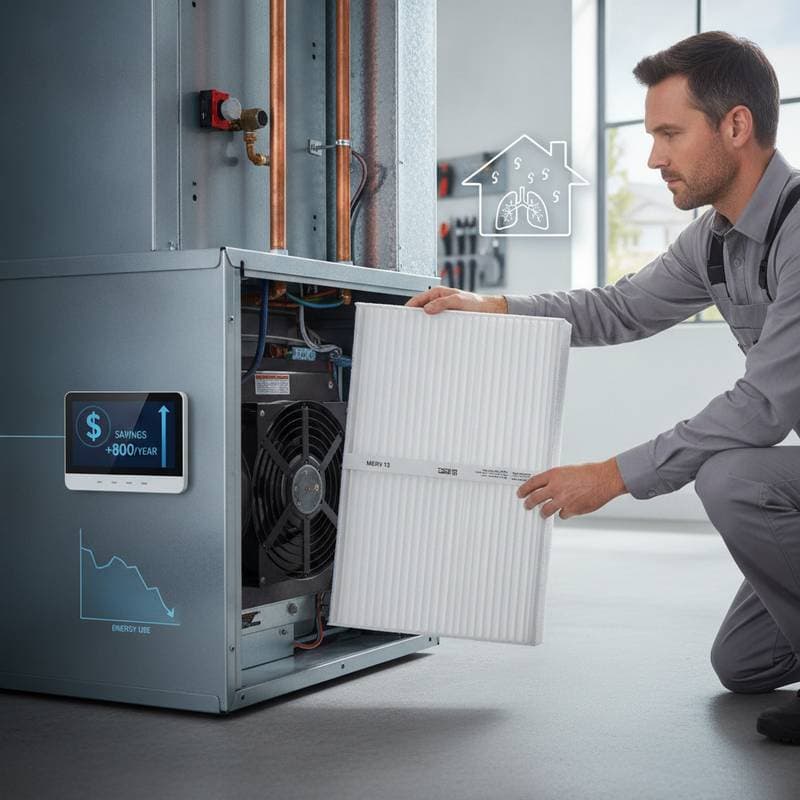
Installing a MERV 13 filter is a straightforward task that most homeowners can do without professional help. Still, follow these steps carefully to ensure safe and proper installation.
Step 1: Identify Your Filter Size
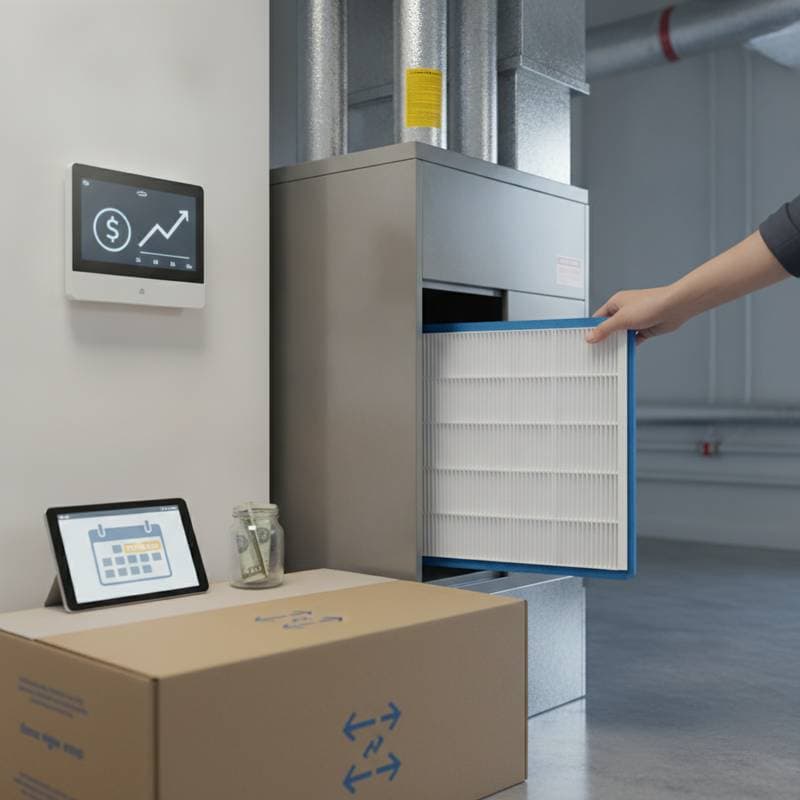
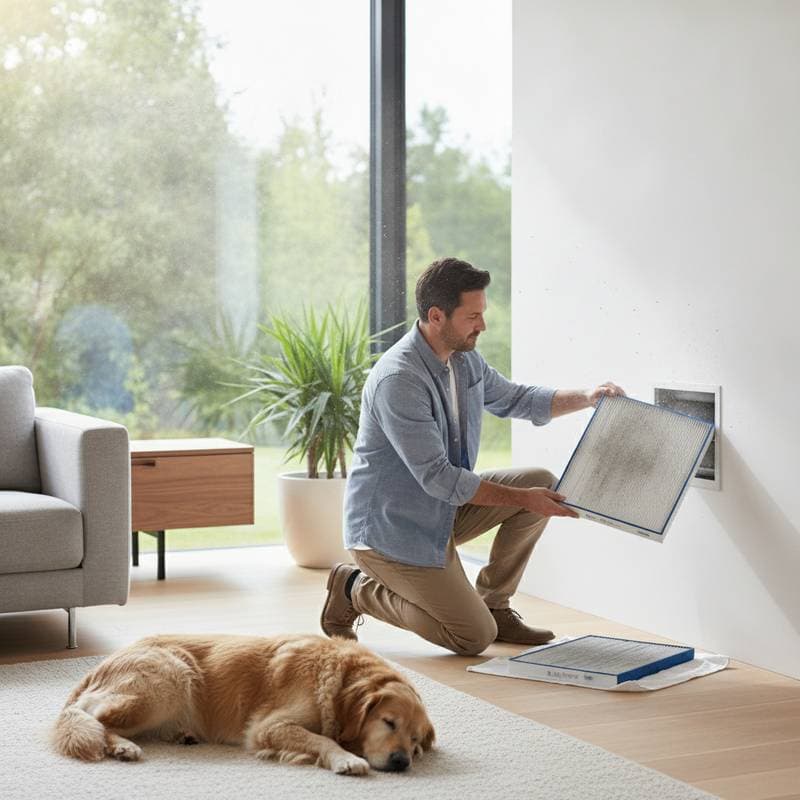
Locate the existing filter in your return air vent or furnace compartment. The size should be printed on the frame, such as 20x25x1 or 16x20x4. Always match the replacement filter to these exact dimensions.
Step 2: Turn Off Your HVAC System
Shut off your system at the thermostat before removing the old filter. This prevents dust and debris from being drawn into the system during installation.
Step 3: Remove the Old Filter
Slide the old filter out carefully. Check airflow direction arrows printed on the frame to see which way the new filter should face.
Step 4: Insert the New MERV 13 Filter
Install the new filter with the airflow arrow pointing toward the blower motor or inside the duct. Ensure it fits snugly and that air cannot bypass the filter around the edges.
Step 5: Restart the System and Monitor Airflow
Once the new filter is in place, restart your system. Check that airflow feels normal from your vents. If airflow seems restricted, you might need a thinner filter or to clean ducts to reduce resistance.
MERV 13 Filter Labor Costs
If you prefer a professional to handle your filter replacement or inspection, labor costs are minimal compared to other HVAC services. Most technicians charge a small service fee for inspection and filter replacement during routine maintenance visits.
| Service Type | Average Labor Cost |
|---|---|
| Filter Replacement Only | $30 - $75 |
| Full HVAC Tune-Up (includes filter change) | $80 - $150 |
| Duct Cleaning with Filter Upgrade | $300 - $600 |
Having a technician handle the installation ensures the new filter fits correctly and that your system fan and pressure levels remain within safe limits.
How MERV 13 Filters Improve Air Quality
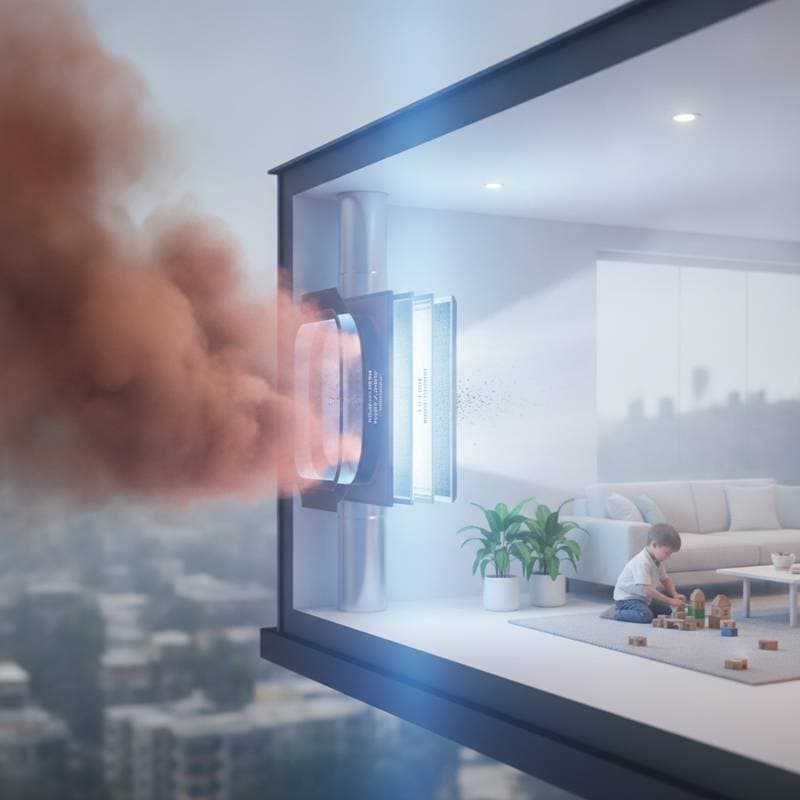
MERV 13 filters capture particles as small as 0.3 microns, including many common allergens and airborne irritants. By reducing pollutant levels, you experience cleaner indoor air and fewer allergy symptoms. These filters also keep your HVAC system cleaner by preventing fine dust from settling inside coils or ducts, improving efficiency and extending system life.
Reducing Allergens and Irritants
A MERV 13 filter traps airborne particles such as pollen and spores from trees and grasses, pet dander and hair, mold spores, dust mites and fine dust, and bacteria-laden droplets. This filtration level is especially beneficial for households with asthma, allergies, or respiratory conditions.
Supporting System Efficiency
Cleaner air means less buildup inside the HVAC system, which allows the blower motor and coils to operate more efficiently. Over time, this can reduce energy use and extend equipment lifespan.
Enhancing Comfort and Health
Many homeowners notice less frequent sneezing, fewer odors, and improved sleep quality after upgrading to MERV 13 filters. Clearer air also helps protect electronics, furniture, and surfaces from dust accumulation.
Frequently Asked Questions About MERV 13 Filters
What does MERV mean?
MERV stands for Minimum Efficiency Reporting Value. It measures how effectively an air filter removes particles from the air. The higher the MERV rating, the finer the particles the filter can capture.
Can all HVAC systems handle MERV 13 filters?
Most modern systems can use MERV 13 filters without issue, but older systems may struggle with reduced airflow. If your blower motor or ducts are undersized, consult an HVAC professional before upgrading.
How often should I replace a MERV 13 filter?
Replace your filter every three months under normal conditions, or more frequently if you have pets, smoke indoors, or live in a dusty area. Always check the filter monthly for visible buildup and replace it as needed.
Are MERV 13 filters better than HEPA filters?
HEPA filters capture more particles, but they are not compatible with most standard residential HVAC systems. MERV 13 filters offer an excellent balance of efficiency and airflow, making them ideal for most homes.
Do MERV 13 filters reduce odors?
While MERV 13 filters capture particles that cause some odors, they do not remove gases or volatile compounds. Combine them with activated carbon filters or air purifiers for better odor control.
Will upgrading to a MERV 13 filter lower my energy bills?
Cleaner filters can improve airflow efficiency, especially if your previous filters were clogged. While energy savings may be modest, consistent filter maintenance prevents costly strain on the system.
How can I tell if my filter is installed correctly?
Check the airflow arrows on the filter frame and confirm that the filter sits flush in its slot with no gaps around the edges. Restart the system and verify that air moves freely through the vents without unusual noise or pressure changes.
Maintaining Your Investment
Regular filter checks protect both air quality and equipment performance. Replace filters on schedule, inspect for damage during changes, and schedule professional evaluations if airflow feels restricted after installation. These habits deliver lasting comfort and fewer respiratory irritants throughout the year.