Spring Prep: 8 HVAC Steps to Handle the First Heatwave
When the first warm days arrive, your air conditioner becomes essential again. After months of rest, your HVAC system needs preparation to handle the sudden demand. Spring offers the ideal window to ready the system before the first heatwave strikes.
Why Spring HVAC Maintenance Matters
Spring HVAC maintenance prevents breakdowns, improves energy efficiency, and extends the lifespan of your system. A well maintained unit cools faster, uses less energy, and keeps indoor air cleaner. Skipping this seasonal check can lead to higher bills and unexpected repairs once temperatures rise.
8 HVAC Steps to Handle the First Heatwave
Follow these eight steps to prepare your system before the heat arrives.
1. Replace or Clean Air Filters
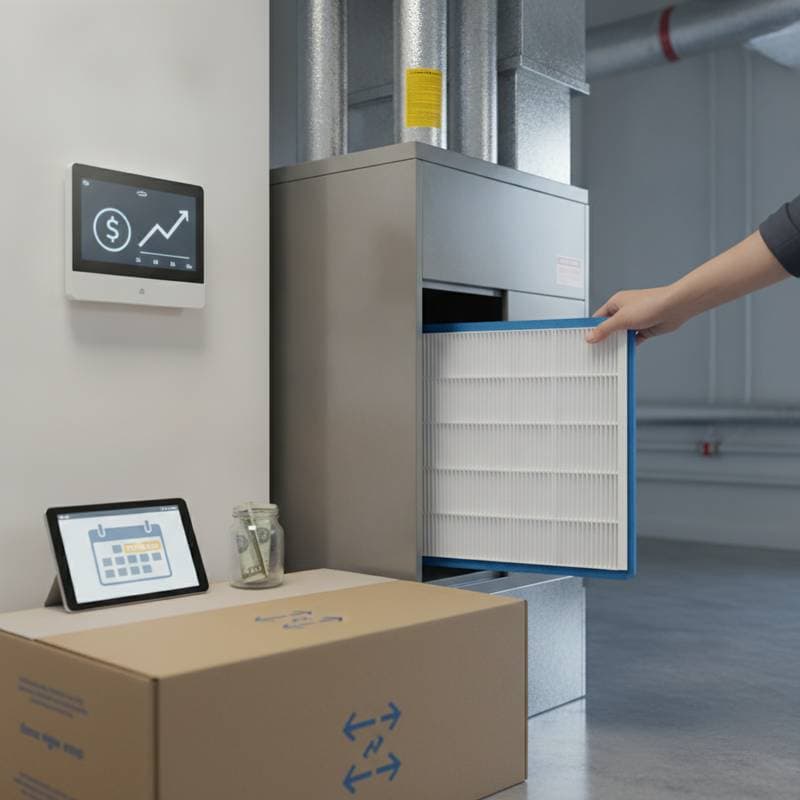
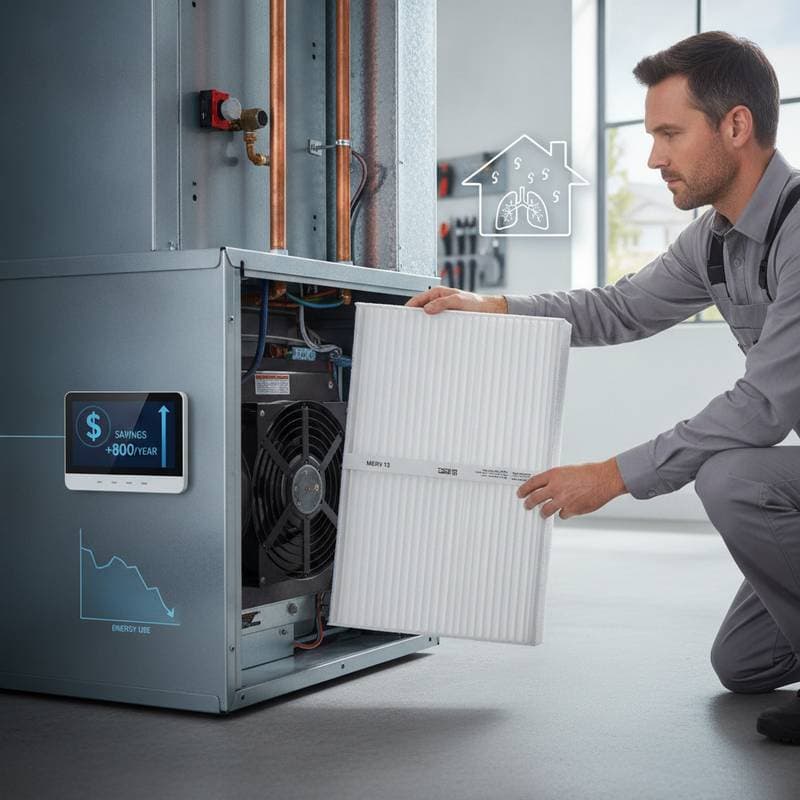
Dirty filters restrict airflow and force your system to work harder. Replace disposable filters every one to three months or clean reusable ones according to the manufacturer instructions. This simple step improves indoor air quality and helps your AC run smoothly.
2. Clear Debris Around the Outdoor Unit
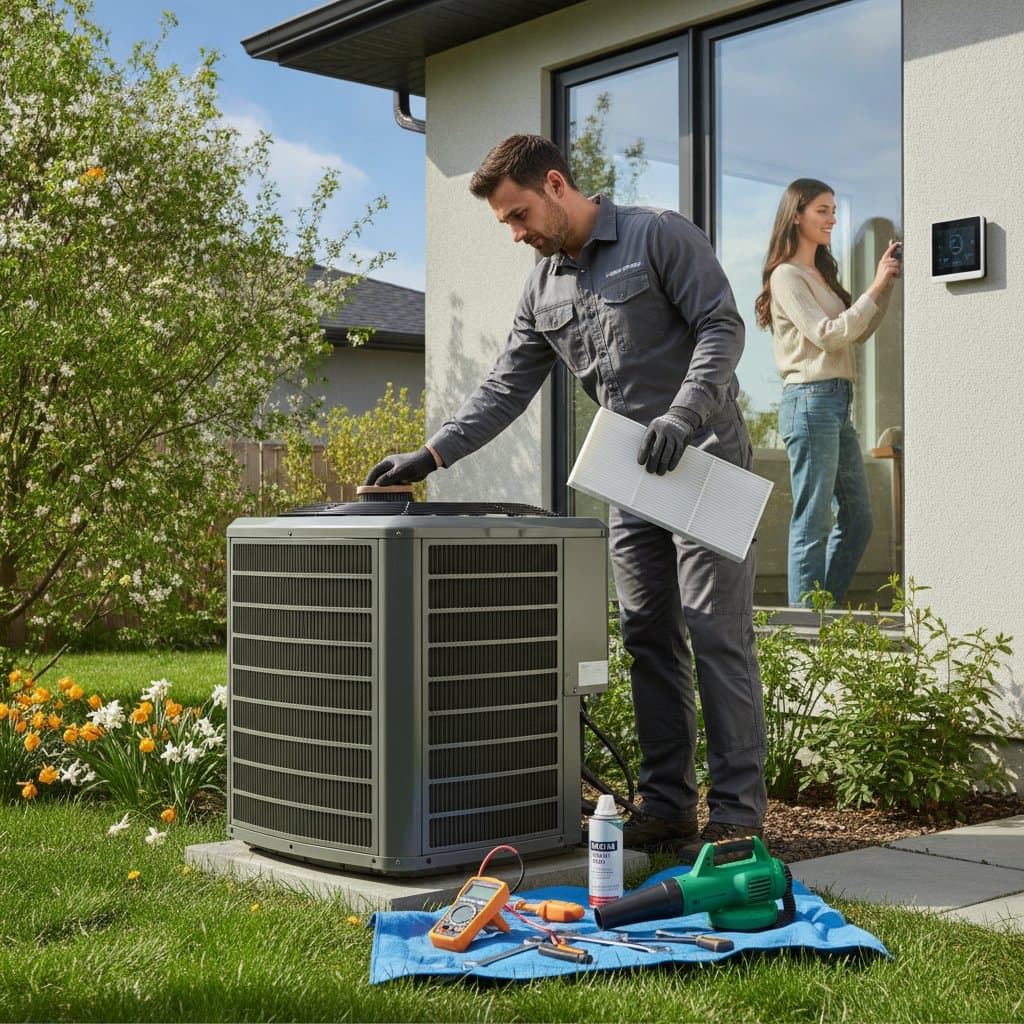
Leaves, grass, and dirt can block airflow around your outdoor condenser. Clear at least two feet of space around the unit and gently rinse the exterior coils with a garden hose. Avoid using a pressure washer, which can damage the fins.
3. Inspect Vents and Registers
Check all vents and registers inside your home for blockages. Make sure furniture, curtains, or rugs do not cover them. Proper airflow ensures even cooling in every room and reduces strain on the system.
4. Test the Thermostat
Switch your thermostat to cooling mode and set it a few degrees lower than the current room temperature. Listen for the system to start and verify that cool air comes from the vents. If it does not respond, a professional can diagnose thermostat or electrical issues quickly.
5. Check for Odd Sounds or Smells
When your AC first starts, pay attention to unusual noises or odors. Grinding, rattling, or a burning smell can signal worn parts or electrical issues. Turn off the system and schedule an inspection before running it again.
6. Clean the Condensate Drain Line
Your air conditioner removes moisture from the air, which drains through a small pipe. Algae or debris can clog this line and lead to water leaks. Pour a cup of white vinegar into the drain line opening near the indoor unit to help prevent buildup.
7. Inspect Insulation and Ductwork
Leaky ducts and poor insulation waste energy and reduce cooling performance. Look for visible gaps, loose connections, or insulation damage. Sealing leaks or replacing insulation can make a noticeable difference in comfort and efficiency.
8. Schedule a Professional Tune Up
A licensed HVAC technician can perform a detailed inspection, clean internal components, check refrigerant levels, and ensure everything runs safely. Regular professional maintenance keeps your system under warranty and ready for peak performance.
DIY Tasks vs. Hiring a Pro
You can safely handle filter changes, debris removal, and thermostat testing on your own. Tasks like cleaning internal coils, checking refrigerant, or repairing electrical components require professional training and tools. Always call a pro for anything involving wiring, gas lines, or sealed components to avoid injury or damage.
Frequently Asked Questions
How often should I schedule HVAC maintenance?
Most systems benefit from professional maintenance once in spring and once in fall. This keeps both heating and cooling components operating efficiently year round.
Why is my AC blowing warm air after winter?
Warm air could mean low refrigerant, a dirty coil, or a thermostat problem. Turn off the unit and contact a technician to prevent further issues.
Can I run my AC without cleaning the outdoor unit?
Running your AC with a dirty condenser reduces efficiency and can cause overheating. Always clear debris before using it for the season.
What temperature should I set my thermostat for summer?
Set your thermostat to 78 degrees Fahrenheit when home for optimal efficiency and comfort.
Prepare Your System for Reliable Cooling
Getting your HVAC system ready in spring saves time, money, and stress once the heat arrives. Handle simple checks yourself, but trust a professional for deeper maintenance and repairs.