Why MERV 13 Filters Set the Standard for Spring Air Quality
Spring brings blooming trees along with increased pollen and dust that affect indoor environments. Homeowners seek reliable ways to maintain cleaner air during this period. MERV 13 filters address these challenges by capturing a wider range of particles than lower rated options.
Understanding MERV 13 Filters
MERV stands for Minimum Efficiency Reporting Value. This rating measures the ability of a filter to trap particles of varying sizes. A MERV 13 filter handles particles down to 0.3 microns in diameter.
Such filters remove fine dust, pollen, mold spores, pet dander, and certain bacteria. They provide advanced filtration suitable for standard residential HVAC systems. Many older units previously relied on MERV 8 or MERV 10 filters before upgrades became common.
Benefits of Upgrading in Spring
Spring conditions often include higher pollen counts, dust circulation, and humidity levels. MERV 13 filters manage these factors through enhanced particle capture.
Key advantages include the following:
- Stronger control over allergens that trigger sneezing and congestion.
- Effective handling of outdoor pollutants that enter during open window periods.
- Cleaner air circulation that supports children, seniors, and pets.
- Reduced surface dust accumulation on furniture and vents.
- Compatibility with many modern HVAC systems that maintain airflow efficiency.
Indicators for Filter Upgrade
Several observable signs suggest a current filter may fall short. Increased dust near vents or on surfaces often appears first. Family members may report heightened allergy symptoms during peak pollen seasons.
Visible dirt on the filter before the expected replacement interval also signals the need for change. Households with pets that shed or carry outdoor particles benefit from higher efficiency options. Stale air sensations that persist after filter changes indicate further evaluation is warranted.
Considerations Prior to Installation
System compatibility requires attention before any upgrade. High efficiency filters can restrict airflow in units not designed for them.
Review the following factors:
- Confirm airflow capacity through the system manual or technician assessment.
- Select appropriate filter thickness such as one inch or four inch models that match the housing.
- Plan for replacement every three to six months with more frequent changes during high pollen periods.
- Assess older systems for necessary adjustments or cleaning.
- Verify that variable speed fans or smart controls support the new filter without energy penalties.
A licensed technician provides evaluation when compatibility remains uncertain.
Self Installation Guidelines
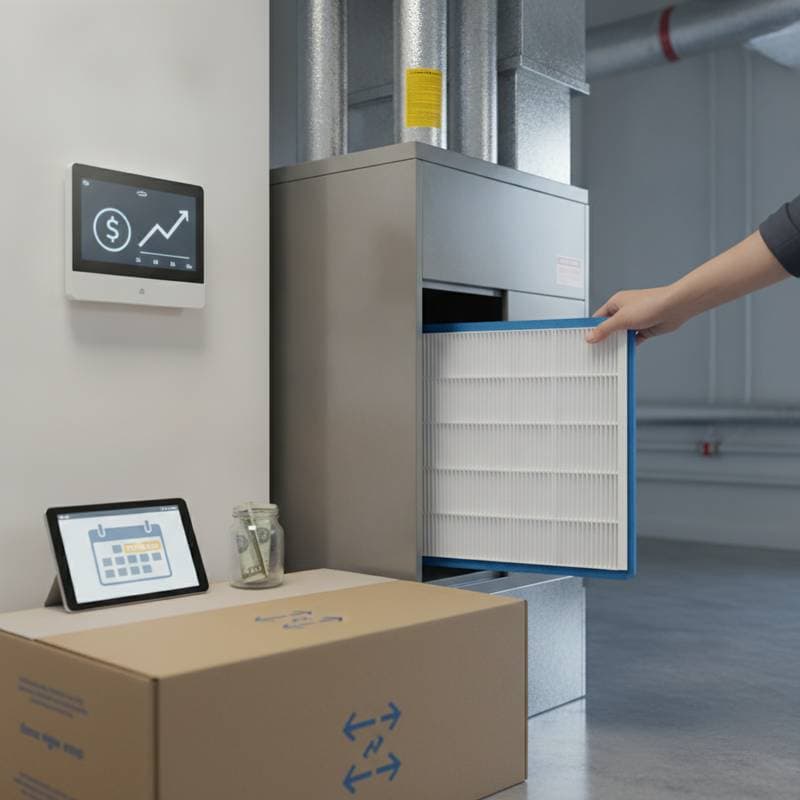
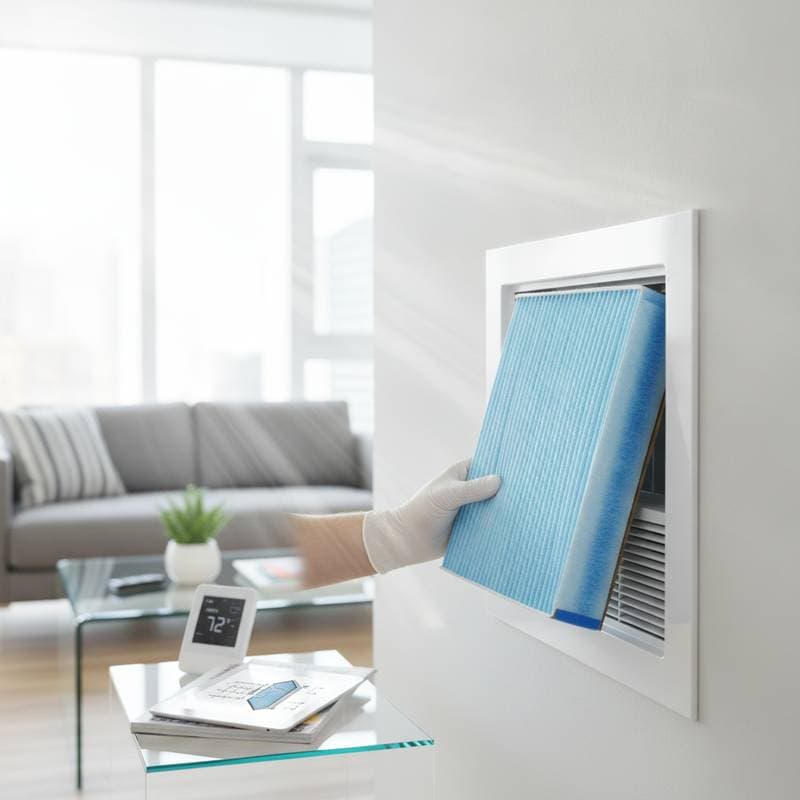
Homeowners can perform replacement when the filter location allows easy access behind a return vent. Turn off the HVAC system first. Align the airflow arrows correctly on the new filter and record the installation date on the frame.
Professional Service Situations
Contact a technician when upgrading from a lower MERV rating to verify system fit. Hard to reach filter locations or post installation airflow issues also warrant professional attention. Technicians can recommend media filter cabinets or whole home purification add ons when appropriate.
Professional Replacement Steps
A technician begins with an inspection of the housing, blower, and return ducts. They then select the correct size and rating before installing the filter with proper sealing. A system test follows to confirm pressure and fan performance. Guidance on future maintenance intervals concludes the visit.
Common Questions
What does MERV 13 mean?
MERV 13 indicates a filter that captures at least 90 percent of particles sized one to ten microns. This level suits most modern residential HVAC setups.
Will a MERV 13 filter reduce airflow in my home?
Airflow reduction occurs only when the system lacks design support for higher efficiency filters. A technician assessment prevents issues in compatible units.
How often should I replace a MERV 13 filter?
Replacement occurs every three to six months under normal conditions. Spring pollen increases may require more frequent changes based on visible dirt accumulation.
Are MERV 13 filters worth the cost?
The investment yields measurable reductions in airborne particles and surface dust. Many homeowners report improved comfort during allergy seasons.
Can I use a MERV 13 filter in any HVAC system?
Not every system accommodates the upgrade without modification. Professional evaluation determines suitability for older or basic units.
Prioritizing Cleaner Indoor Air This Season
Upgrading to a MERV 13 filter offers a direct method to reduce allergens and maintain system performance. Homeowners who confirm compatibility enjoy sustained air quality improvements throughout spring and beyond.