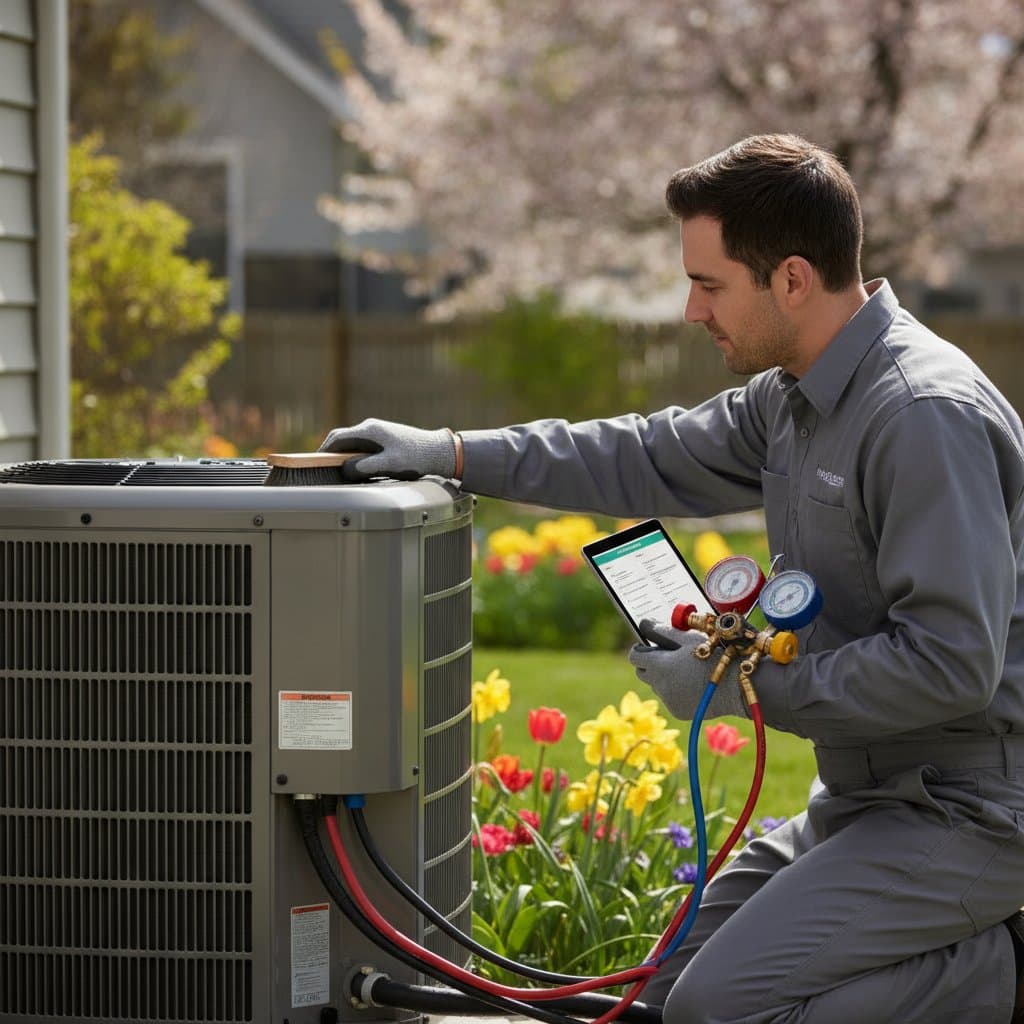
Why Spring HVAC Maintenance Prevents Summer Breakdowns
How Spring HVAC Maintenance Keeps Your System Running Smoothly
When temperatures rise, homeowners need an air conditioner that operates without interruption. Spring HVAC maintenance serves as a reliable method to avoid summer failures while supporting efficient system performance. Regular tune-ups lower the chance of unexpected issues during heavy use. They also prolong equipment life and contribute to reduced monthly energy expenses.
This overview covers the reasons for spring scheduling, the specific checks performed by technicians, and the steps homeowners can take to limit high-cost interventions when heat intensifies.
What Technicians Check During Spring Tune-Ups
A professional HVAC tune-up consists of a thorough inspection paired with performance verification. Each step reveals potential problems before they interrupt service.
Common Tasks in a Spring HVAC Maintenance Checklist
- Cleaning condenser and evaporator coils removes accumulated dirt to restore proper airflow and cooling output.
- Checking refrigerant levels confirms adequate capacity and guards the compressor against damage.
- Inspecting electrical connections identifies loose wires or corrosion that could cause sudden failure.
- Testing thermostat calibration verifies precise temperature regulation for steady comfort.
- Lubricating moving parts decreases friction to lengthen the service life of motors and fans.
- Clearing the condensate drain line stops leaks and limits mold development.
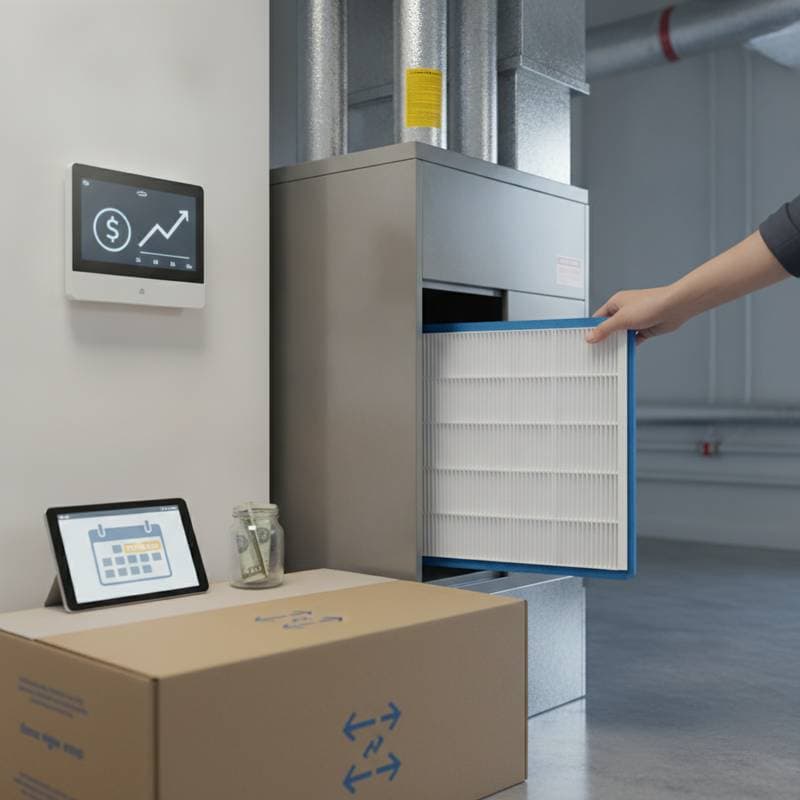
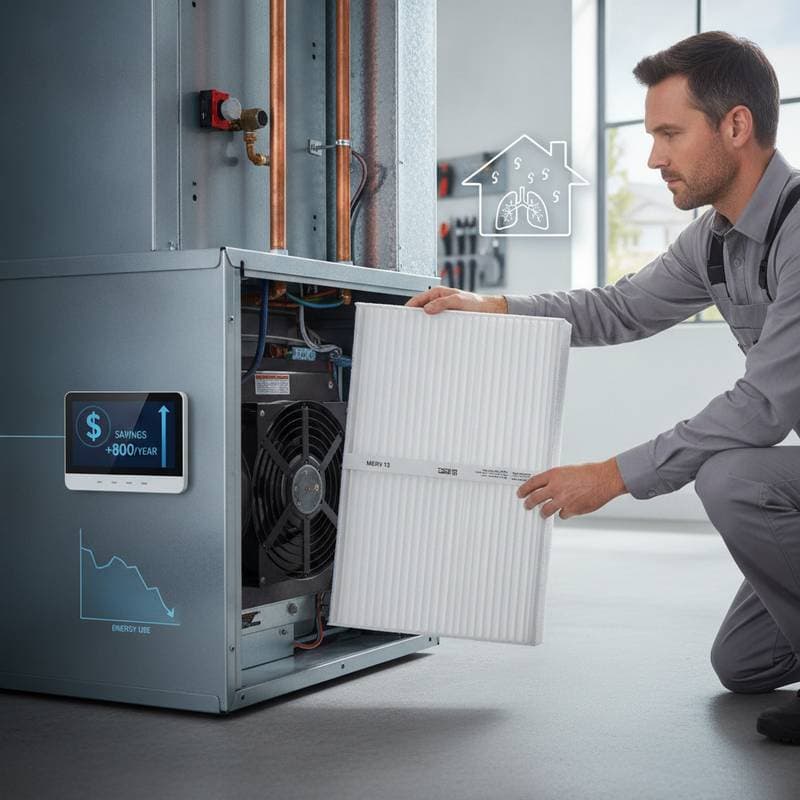
- Replacing air filters improves air quality and supports overall system efficiency.
These actions address functions that directly affect reliability. Dirty coils force extra effort from the equipment, while insufficient refrigerant risks major component loss. Early correction avoids larger expenses later.
How Spring Maintenance Prevents Summer Breakdowns
Reducing System Strain
Air conditioners operate through extended cycles once outdoor temperatures climb. Components such as motors and capacitors may already show wear from prior seasons. Maintenance restores proper lubrication and secure connections before demand increases, lowering the likelihood of mid-season stops.
Detecting Early Signs of Wear
Minor concerns such as small leaks or restricted coils can expand rapidly under heavy load. Technicians identify these indicators during inspection and resolve them before discomfort occurs.
Improving Efficiency and Performance
Clean filters and coils allow air to move without obstruction. The system therefore uses less power to maintain the desired indoor temperature, which appears as lower utility charges and fewer mechanical interruptions.
Maintaining Consistent Indoor Comfort
Uneven temperatures or excess humidity often trace to airflow limits or calibration drift. Spring service restores balanced operation so cooling remains steady regardless of outdoor conditions.
Cost Benefits of Preventive Maintenance
Preventive service costs less than emergency visits during high-demand periods. A standard tune-up typically ranges from 75 to 200 dollars and covers cleaning plus adjustments.
- Emergency repair calls average 200 to 600 dollars when parts fail in summer.
- Compressor replacement can reach 800 to 2500 dollars after prolonged neglect.
- Full system replacement ranges from 5000 to 10000 dollars when routine care is skipped.
Consistent attention also preserves the original efficiency rating, which keeps operating costs predictable over multiple seasons.
Key Factors That Influence HVAC Reliability
1. Age of the System
Units beyond ten years benefit from more frequent checks because internal parts lose tolerance and efficiency declines.
2. Frequency of Filter Replacement
Filters changed every one to three months prevent airflow restriction and the resulting rise in energy consumption.
3. Location and Climate
Properties in humid or dusty areas require additional coil cleaning and drain inspections to control mold and blockages.
4. Installation Quality
Correct sizing and placement at the outset reduce stress on components and support longer intervals between repairs.
5. Regularity of Maintenance
Annual spring visits produce measurable gains in both daily performance and total lifespan compared with systems left unserviced.
Spring HVAC Maintenance FAQs
How often should HVAC systems be serviced?
Manufacturers and technicians advise professional attention twice each year, once before cooling season and once before heating season, to satisfy warranty terms.
What are signs that my system needs service?
Unusual sounds, reduced airflow, supply air that feels warm, or unexpected increases in energy use indicate the need for prompt inspection.
Does preventive maintenance really extend system life?
Yes. Regular cleaning and adjustment keep motors, compressors, and fans inside design limits so parts experience less cumulative stress.
Can I perform maintenance myself?
Homeowners can replace filters and clear visible debris from the outdoor cabinet. Refrigerant handling and electrical diagnostics require licensed technicians.
Questions to Ask Before Hiring a Contractor
- Are you licensed and insured for HVAC work?
- What tasks are included in the spring maintenance package?
- Do you measure refrigerant charge and examine electrical terminals?
- How much time does the appointment require?
- Will a written estimate be provided before work begins?
- Are maintenance agreements or seasonal discounts available?
- Which equipment brands receive primary focus?
- Will a written service summary be supplied afterward?
- What provisions exist for follow-up if issues arise after the visit?
Arrange Professional Tune-Ups for Peak Performance
Spring HVAC maintenance protects daily comfort, limits unexpected repairs, and supports lower operating costs throughout the warm months. Systems that receive timely attention deliver steady cooling while preserving long-term value.