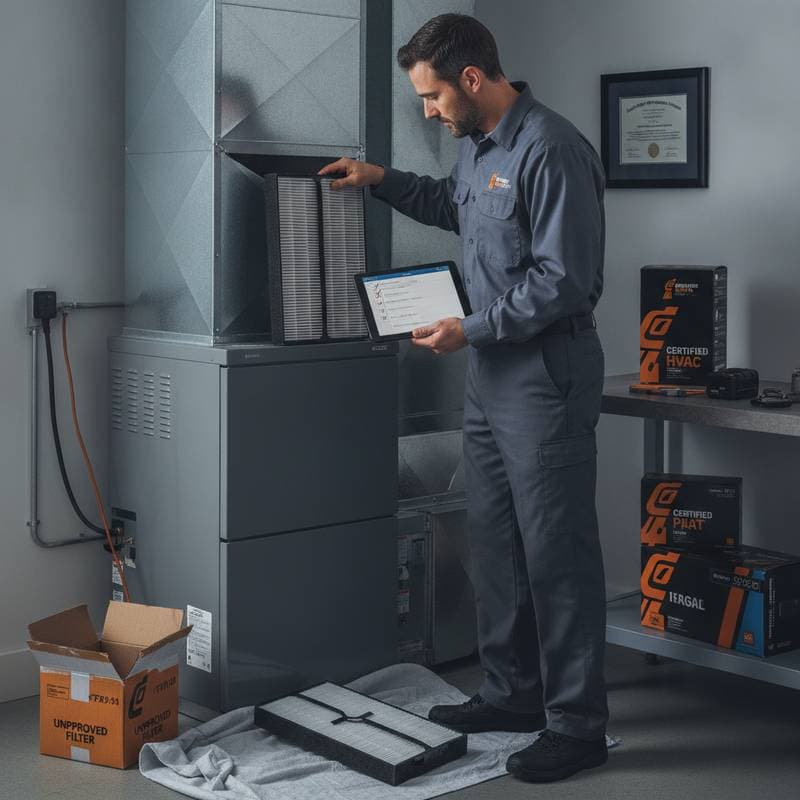
New HVAC Warranty Rules Restrict DIY Filter Changes
What Homeowners Need to Know
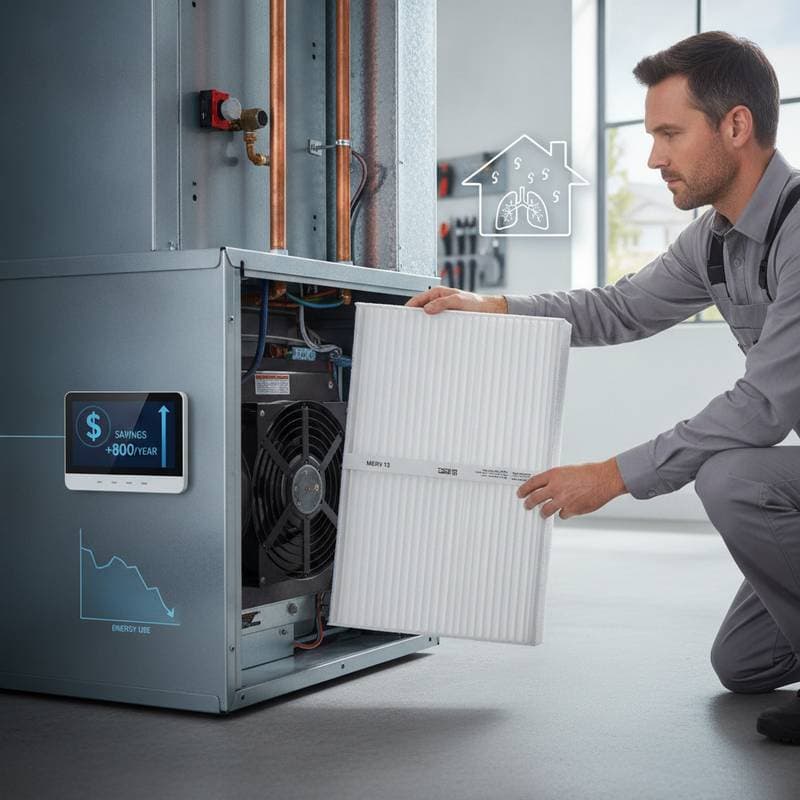
HVAC manufacturers have updated their warranty terms to require professional service for air filter replacements. Homeowners who perform these changes themselves risk losing coverage. The updates ensure that maintenance follows manufacturer standards and occurs under the supervision of licensed technicians.
This shift affects how homeowners approach routine care. It also highlights the value of documented service visits. Understanding the requirements helps protect system performance and eligibility for repairs.
Professional Filter Replacement Costs
Hiring a technician adds an expense but secures compliance. Prices depend on filter type, system size, and regional labor rates.
| Filter Type | Average Cost (Including Labor) | Description |
|---|---|---|
| Standard Fiberglass Filter | $40 - $80 | Basic option changed several times each year |
| Pleated Filter | $60 - $120 | Improved capture for households with pets or allergies |
| HEPA Filter | $100 - $200 | High efficiency choice suited to premium installations |
| Electronic or Washable Filter | $120 - $250 | Reusable model that needs periodic professional inspection |
Service calls frequently include coil cleaning and airflow checks that reveal issues before they become major repairs.
Core Warranty Conditions
Manufacturers list several nonnegotiable steps. Most policies require the following actions.
- Annual professional tune ups supported by written records.
- Filters that match the exact specifications listed in the manual.
- Work completed only by licensed and insured technicians.
- Genuine parts approved by the equipment maker.
- Maintenance logs retained and available for review during claims.
Missing any one item can lead to denial when damage appears.
Practical Steps for Homeowners
Owners can remain engaged without performing the replacement. The focus stays on scheduling, verification, and record keeping.
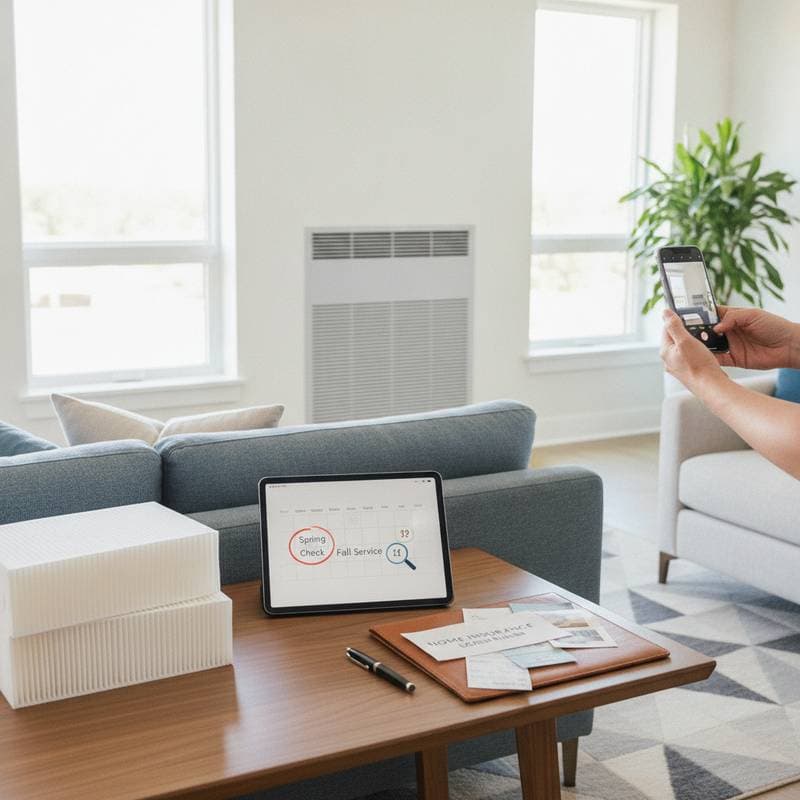
- Arrange service visits twice each year at the start of heating and cooling seasons.
- Request confirmation that the chosen filter matches the model number.
- Store every receipt and inspection report in a dedicated file or digital folder.
- Observe filter appearance through the access panel without removal.
- Ask the technician about higher efficiency options that suit the equipment.
These habits maintain indoor air quality while preserving warranty status.
Long Term Effects on System Care
Professional involvement raises routine costs yet reduces the chance of overlooked problems. Consistent documentation also speeds up any future claim process. Over several years the approach supports reliable operation and protects the original investment.
Common Questions
Does using an identical filter allow a DIY change?
No. The new terms require a certified technician to perform the work regardless of filter match. Contact the manufacturer or installer for written clarification before any attempt.
How frequently do technicians replace filters?
Most systems need attention every three to six months. Replacement usually occurs during scheduled maintenance that also covers electrical checks and safety inspections.
Will a clogged filter cause a denied claim?
Yes, if records show no licensed service. Regular professional visits prevent clogs and supply the documentation needed for coverage.
Selecting a Service Provider
Before signing a maintenance agreement, ask targeted questions.
- Are you licensed and factory trained for this specific brand?
- Does the plan include filter changes plus full documentation?
- Which filter options work best with my equipment?
- How do you store and supply records for warranty review?
- Can I receive digital copies of every visit report?
- Do you stock only manufacturer approved parts?
- What inspection schedule keeps the warranty active?
- What tasks appear in the standard maintenance package?
- Can you review my current coverage details?
Protecting Long Term Value
Consistent professional care keeps systems efficient and documentation complete. Homeowners who follow these steps avoid surprise repair costs and maintain full warranty protection throughout the equipment life span.