Why Millions Opt for HVAC Subscriptions
Homeowners across the country are rethinking how they care for heating and cooling systems. The rise of HVAC subscription services has altered maintenance routines. Families now favor predictable ongoing care that reduces time, expense, and stress. The sections below explain the core elements of these plans and the practical steps to select one.
Definition of an HVAC Subscription
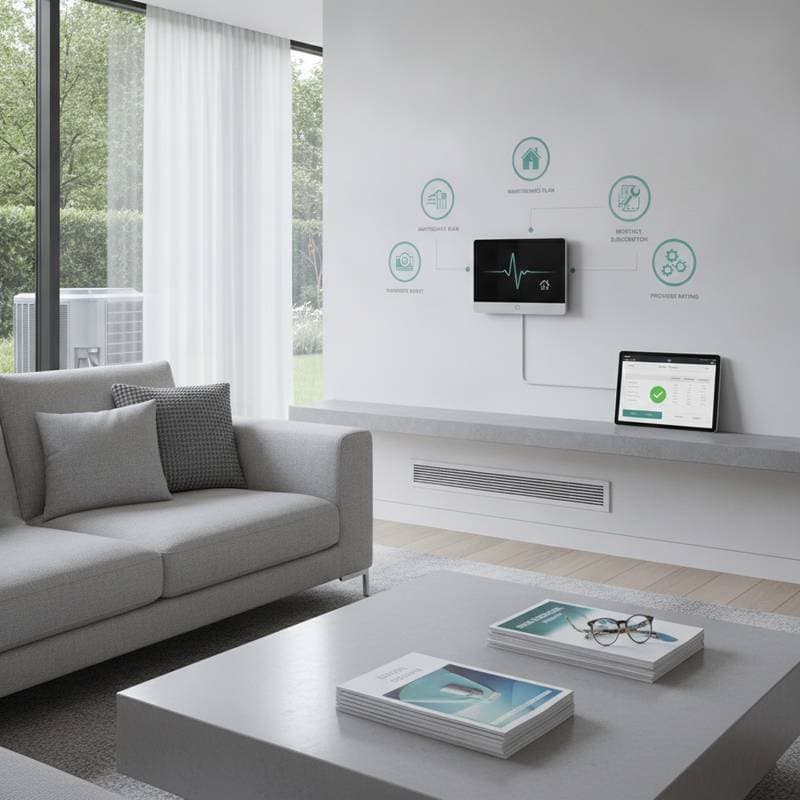
An HVAC subscription is a service agreement in which homeowners pay a monthly or annual fee for scheduled maintenance, priority scheduling, and discounted repairs. The model shifts attention from emergency calls to routine oversight. Providers arrange seasonal visits, monitor performance data, and flag developing issues early.
Prevention through regular care improves efficiency and extends equipment life. A maintained system delivers consistent comfort across seasons while lowering the chance of sudden failure.
Reasons Homeowners Choose Subscriptions
Homeowners select subscription plans primarily for cost predictability, scheduling ease, and reduced risk. Traditional repair calls often produce surprise bills and periods without heating or cooling. Subscription structures remove those variables.
Key benefits include the following:
- Predictable monthly or annual payments that simplify budgeting and limit exposure to large repair invoices.
- Automatic scheduling that removes the need to track seasonal appointments.
- Faster response during peak demand because subscribers receive priority placement.
- Reduced rates on labor and parts along with occasional complimentary filter changes.
- Higher operating efficiency that cuts monthly energy costs.
These advantages appeal to households that prioritize steady comfort and lower long-term ownership costs.
Typical Plan Components
Plans vary by provider, yet most share several standard elements. Understanding these components clarifies expectations before enrollment.
Routine Tune Ups
Technicians clean coils, verify refrigerant charge, inspect electrical connections, and measure overall performance. Early detection of minor faults prevents larger failures later.
Filter Service
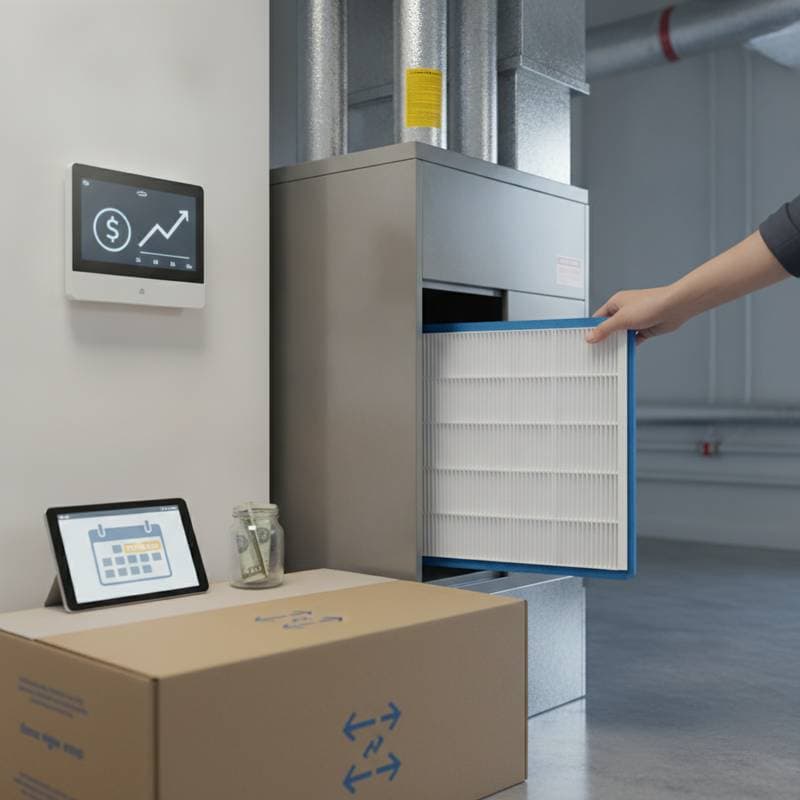
Many plans supply or discount replacement filters. Regular changes maintain indoor air quality and preserve proper airflow.
Priority Response
Subscribers move ahead of non subscribers on service queues. This advantage matters most during summer heat waves or winter cold snaps.
Parts and Labor Discounts
Plans commonly apply percentage reductions to repair invoices, which lowers the cost of any needed fixes.
Remote Monitoring
Premium options install sensors that transmit performance data. Technicians receive alerts when readings deviate from normal ranges and can intervene before occupants notice problems.
Factors Affecting Plan Pricing
Subscription costs depend on equipment characteristics and service scope. Review the following variables when comparing offers.
- System size and configuration: Larger homes or multi unit setups require additional visits and raise fees.
- Coverage tier: Basic plans cover inspections only, while higher tiers add parts, labor, and monitoring.
- Visit frequency: Two annual calls represent the minimum; quarterly visits increase both protection and price.
- Equipment condition and age: Older units need closer attention, and warranty terms may dictate specific procedures.
- Regional labor rates: Technician availability and local demand influence final pricing.
Most subscribers recover the annual fee through avoided emergency repairs and reduced utility consumption.
Homeowner Tasks Versus Professional Service
Certain simple actions remain within homeowner capability. All refrigerant handling, electrical diagnostics, and combustion analysis require licensed technicians to protect safety and warranty coverage.
Homeowners can safely replace filters every one to three months, keep supply registers unobstructed, and clear debris from outdoor cabinets. Licensed personnel should perform all other inspections and adjustments.
Enrollment and Ongoing Service Sequence
After selecting a plan, the process follows a consistent sequence.
- Choose coverage level that matches system type and household needs.
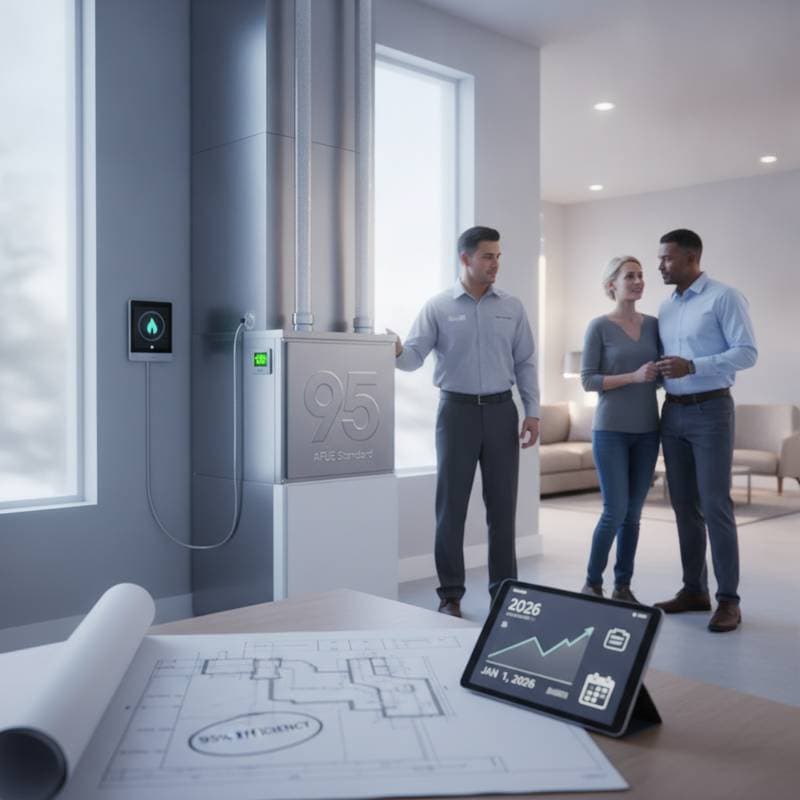
- Receive an initial comprehensive inspection that records baseline measurements.
- Accept automated reminders for each scheduled visit.
- Review post service reports that list completed tasks and any recommended follow up.
Advanced plans add continuous sensor data between visits.
Answers to Common Questions
Regular maintenance reduces the frequency of major repairs and improves efficiency. Savings from lower energy use and fewer service calls typically exceed the subscription fee within the first two years.
Breakdowns under an active plan receive priority scheduling and discounted labor rates. Exact terms differ by provider, so review the agreement before signing.
Cancellation policies vary. Some plans allow termination at any time while others require a minimum term. Confirm details in writing.
Both new and older systems benefit from subscriptions. Older equipment often gains the most because it needs more frequent attention to remain reliable.
Compare visit frequency, discount percentages, monitoring options, and customer feedback when choosing among providers.
Next Steps for Homeowners
Evaluate current HVAC maintenance expenses and comfort consistency. Compare at least three local subscription offerings against the factors listed above. Enroll in the plan that aligns coverage with budget and system requirements.