UV-C Air Purifiers: Achieving 99% Elimination of Airborne Viruses in 2026
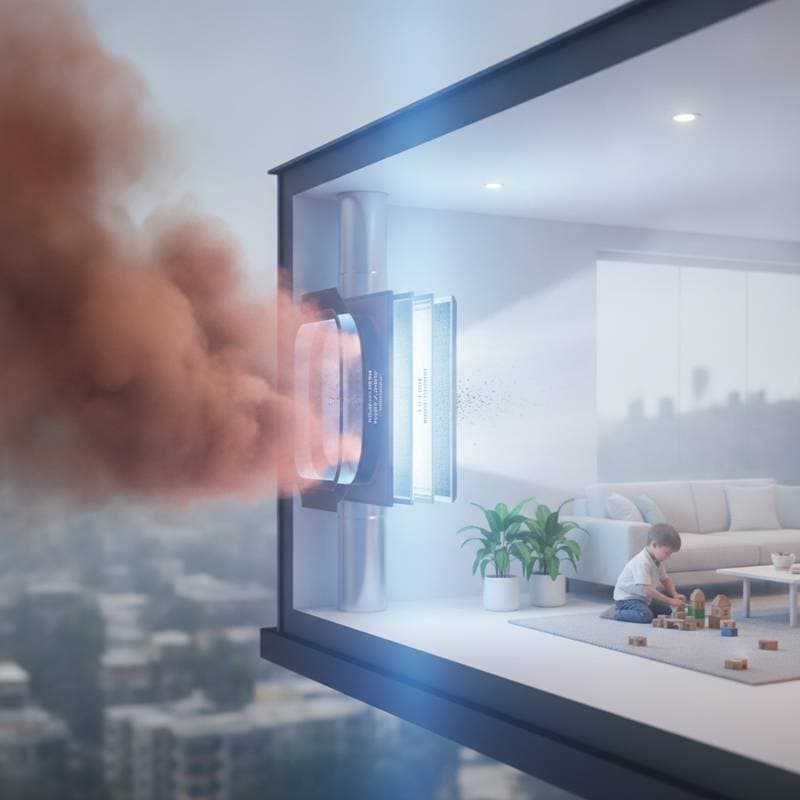
Indoor air quality ranks among the primary concerns for homeowners seeking safe, comfortable, and healthy environments. Allergies, airborne viruses, and pollutants circulate persistently in modern homes, heightening the need for effective solutions. The latest generation of UV-C air purifiers delivers substantial advancements, neutralizing up to 99% of viruses and bacteria in the air. This overview explains UV-C technology, integration with HVAC systems, and strategies for maintaining optimal air cleanliness.
Understanding UV-C Air Purifiers
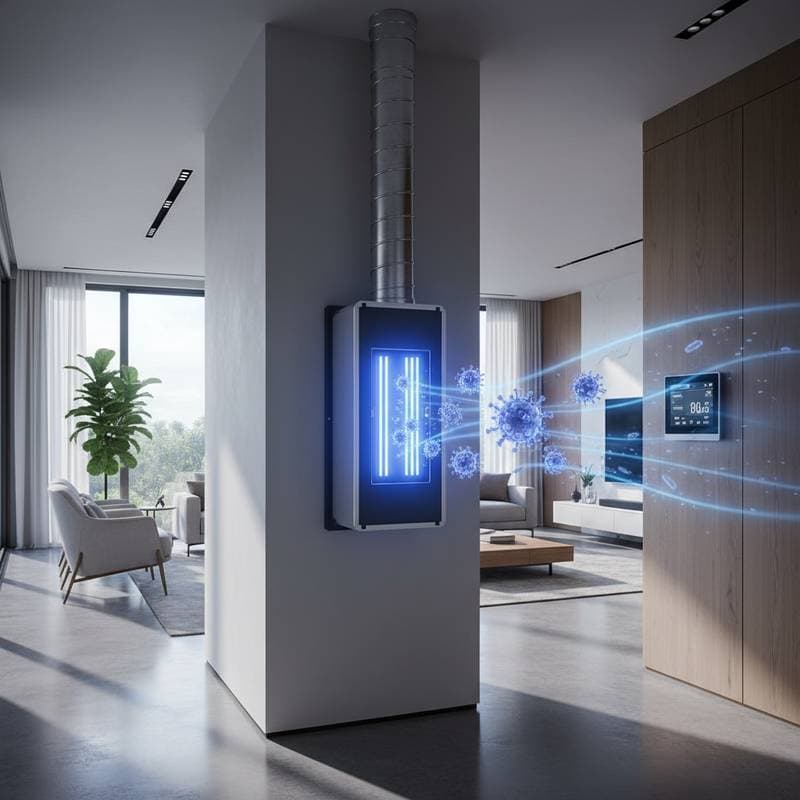
A UV-C air purifier employs a targeted wavelength of ultraviolet light to disrupt the DNA or RNA of microorganisms. This process targets viruses, bacteria, and mold spores that travel through home air ducts. UV-C light, with its short wavelength, excels in sterilization applications.
Air flows through the HVAC system and encounters the UV-C lamp or panel, typically positioned within the ductwork or adjacent to the evaporator coil. Exposure to the light alters the cellular structure of pathogens, rendering them incapable of reproduction or infection. Consequently, the system circulates purified air throughout the residence.
Enhancing Home Air Quality with UV-C Technology
Traditional filters capture dust, pollen, and dander, yet they fail to address microscopic pathogens. UV-C purifiers provide disinfection beyond filtration, integrating seamlessly with central HVAC units for ongoing operation without requiring room-specific devices.
Advanced models incorporate enhanced quartz lamps and reflective surfaces to amplify UV intensity, improving efficacy and reducing energy use. Integration with HEPA filters or ionization stages creates comprehensive purification, tackling diverse airborne threats effectively.
Indicators That Suggest UV-C Purification Benefits
Homeowners may question the necessity of UV-C installation. Consider these signals of suboptimal air quality:
- Recurrent allergy or asthma episodes within the home
- Lingering musty or stagnant smells near ventilation points
- Observable mold near coils or ducts
- Repeated respiratory conditions among residents
- Accumulation of dust despite consistent cleaning efforts
Recognition of these patterns indicates potential improvements from UV-C adoption.
Elements Influencing UV-C Air Purifier Expenses
Installation costs for UV-C purifiers fluctuate based on HVAC configuration and selected features. Primary determinants include:
- System Scope and Capacity: Comprehensive whole-home units exceed portable options in price, yet deliver persistent purification across all ducts.
- Lamp Durability: Quartz glass constructions endure longer and yield superior sterilization.
- Placement Requirements: Certain HVAC designs demand tailored duct adjustments or electrical work, elevating labor expenses.
- Supplementary Capabilities: Integration of sensors, self-cleaning mechanisms, or quality monitors enhances usability at additional cost.
- Expert Installation: Engagement of licensed technicians guarantees secure setup and optimal positioning.
Homeowners should obtain itemized estimates from reputable HVAC specialists to align investments with specific needs.
Comparing UV-C Purifiers and Standard Filters
Filters and UV-C purifiers both elevate air quality, operating through distinct mechanisms. Key distinctions appear as follows:
- Filters physically capture particulates such as dust, pollen, and pet dander, functioning as barriers to larger debris.
- UV-C Purifiers deactivate submicron threats like viruses and bacteria that evade filtration.
- Optimal Performance arises from hybrid approaches, where filters intercept coarse matter and UV-C sterilizes the remainder.
Filters serve as initial safeguards, while UV-C completes the defensive sequence.
The Value of Professional Installation Over DIY Attempts
Portable UV-C devices suit straightforward plug-in applications, but whole-home systems demand specialized expertise. These involve electrical connections, precise lamp alignment, and HVAC synchronization. Faulty setup risks UV exposure or diminished performance.
Qualified technicians perform:
- Thorough HVAC assessments to identify ideal mounting sites
- Secure attachment and electrical integration of UV components
- Confirmation of containment to prevent light leakage into habitable areas
- Validation of airflow dynamics and operational efficiency
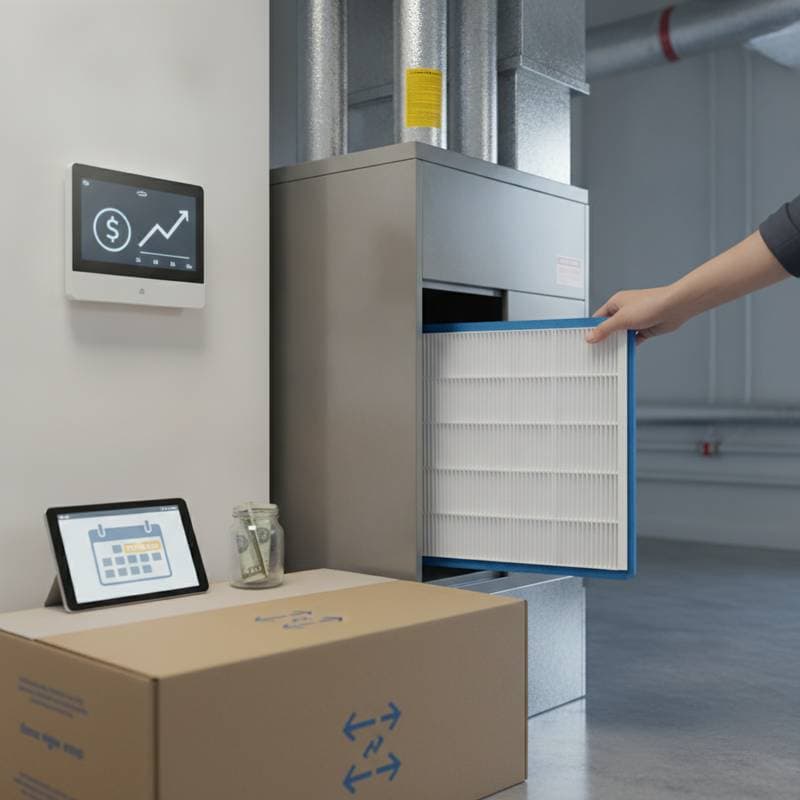
Homeowners handle routine tasks like filter changes and vent maintenance, reserving UV-C work for professionals to uphold safety and warranty terms.
Step-by-Step Installation Overview
Professional UV-C installation follows a structured sequence:
- Initial Assessment: Technicians examine HVAC design, duct integrity, and circulation patterns to select optimal placement.
- Component Positioning: UV-C elements install proximate to evaporator coils or supply ducts, targeting high-risk microbial zones.
- Power Integration: Lamps link to HVAC circuits with integrated safeguards and enclosures.
- Operational Verification: Systems undergo testing to affirm lamp functionality and exposure efficacy.
- Ongoing Care Instructions: Guidance covers lamp replacement schedules, often annually, and performance tracking methods.
Post-installation, the purifier activates automatically with HVAC cycles, sustaining air purity effortlessly.
Frequently Asked Questions
Do UV-C Air Purifiers Effectively Neutralize Viruses?
Yes. UV-C light impairs viral genetic material, halting replication. Proper setup and upkeep yield marked reductions in airborne hazards.
Are UV-C Purifiers Safe for Family Members and Pets?
Installation within HVAC confines the UV-C light entirely, avoiding exposure in living areas. This configuration protects occupants while purifying circulated air.
How Frequently Must UV-C Lamps Undergo Replacement?
Lamps typically endure one year before output wanes. Continued illumination does not guarantee sufficient sterilization, necessitating prompt renewal.
Can UV-C Purifiers Eliminate Odors?
UV-C systems primarily target pathogens rather than odors directly. However, by neutralizing odor-causing bacteria and mold, they indirectly reduce musty smells. For persistent odors from sources like smoke or chemicals, complementary solutions such as activated carbon filters prove more effective.
Steps to Secure Lasting Air Purity
Adopting UV-C purification represents a proactive investment in health. Regular HVAC maintenance, including filter replacements and duct inspections, amplifies system performance. Consult local experts at firms like Obie Heating & Air to tailor solutions for your home. With consistent care, residents enjoy sustained protection against airborne threats, fostering well-being year-round.