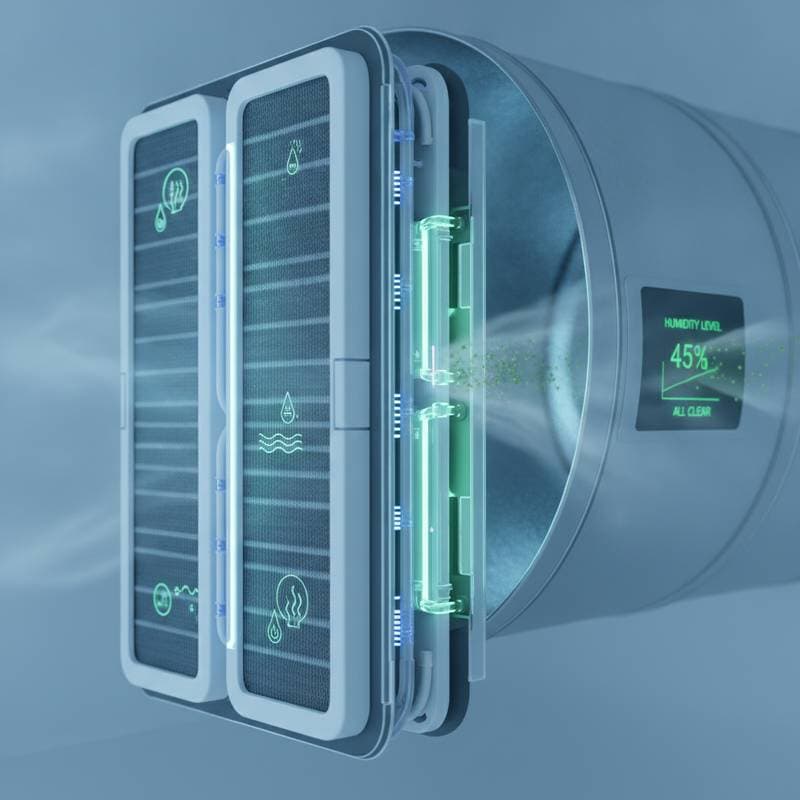
Shield Your Home from 99% of Wildfire Smoke Indoors
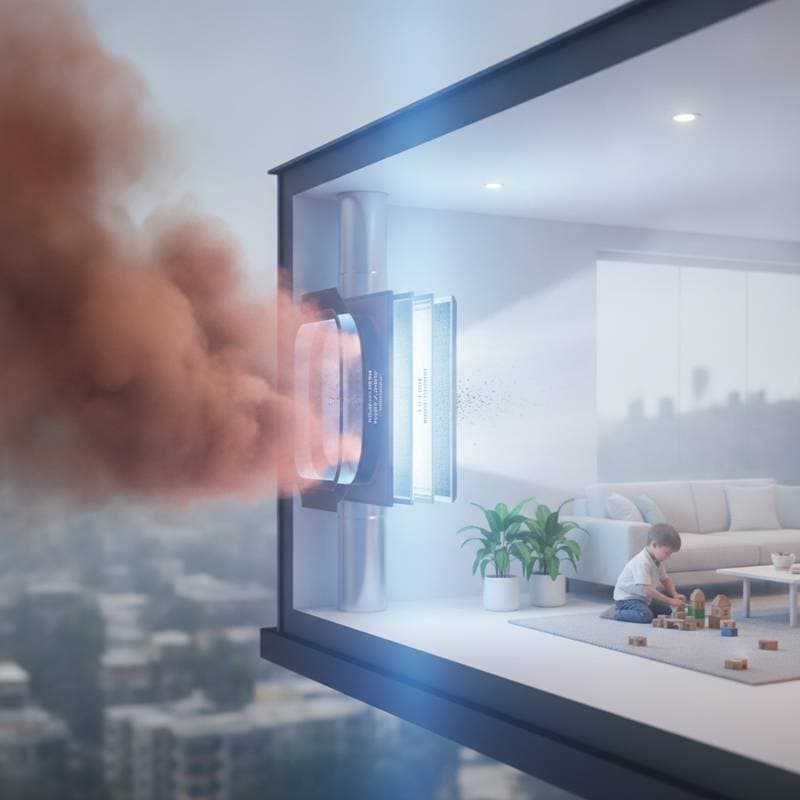
When wildfire smoke blankets the outdoors, it poses a threat to indoor spaces. The haze carries microscopic particles that infiltrate homes, compromising health and comfort. Homeowners can block up to 99% of this smoke through targeted HVAC enhancements and superior filtration. This guide details essential strategies to secure cleaner indoor air and informed decisions for sustained quality.
Understanding Wildfire Smoke and Its Indoor Impact
Wildfire smoke consists of gases and fine particlesvegetation and buildings. The primary concern involves PM2.5 particles, which measure less than 2.5 microns and penetrate lung tissue or the bloodstream.
Indoor exposure triggers symptoms such as headaches, coughing, fatigue, and irritation to eyes and throat. Individuals with asthma, allergies, or cardiovascular issues face heightened risks. Invisible particles persist even without detectable odor or haze, underscoring the need for robust filtration during fire seasons.
Pathways for Wildfire Smoke to Enter Homes
No residence achieves complete isolation from external air. Smoke particles infiltrate through multiple routes:
- HVAC intake vents pulling in ambient air
- Gaps around windows, doors, and structural joints
- Ventilation in attics and crawl spaces
- Openings in fireplace flues or faulty dampers
- Exhaust fans generating negative pressure that draws in outdoor contaminants
Identifying these vulnerabilities enables proactive measures. Once inside, particles adhere to fabrics, carpets, and ducts, releasing pollutants over time despite outdoor clearing.
MERV Filters: The Foundation of Effective Smoke Defense
HVAC filters serve as the primary barrier against airborne threats. The MERV scale evaluates capture efficiency for particles of different sizes, with higher ratings indicating superior performance.
MERV Ratings and Their Capabilities
- MERV 1-8: Effective against large debris like dust and pet hair, yet ineffective for smoke.
- MERV 9-12: Captures mid-sized contaminants including pollen and dust mites for basic protection.
- MERV 13-16: Targets ultrafine particles such as smoke, viruses, and bacteria with high efficiency.
- MERV 17+: Delivers HEPA-standard filtration suited for medical or industrial settings.
A MERV 16 filter balances capture rates up to 99% for smoke with adequate system airflow. This option provides near-professional protection without necessitating full equipment replacement.
Selecting Optimal Filters for Wildfire Protection
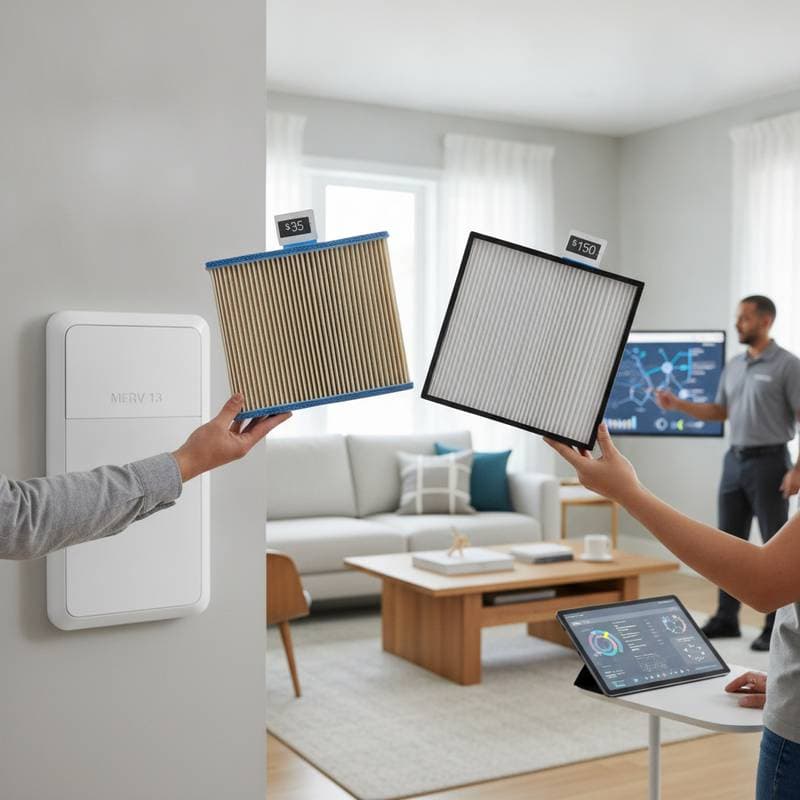
Seek filters designated for smoke mitigation or high-efficiency applications. These incorporate electrostatic charges or carbon elements to bind particles and absorb odors. Verify HVAC compatibility to avoid airflow restrictions; consult a technician for system assessments.
Essential Selection Criteria
- Compatibility Assessment: Older units may require modifications to accommodate dense media without performance loss.
- Media Composition: Opt for pleated synthetic filters over basic fiberglass for enhanced particle adhesion.
- Maintenance Schedule: In dense smoke scenarios, inspect filters biweekly and replace upon visible discoloration.
- Installation Precision: Secure filters tightly to eliminate bypass paths for unfiltered air.
Immediate DIY Measures for Smoke Reduction
Homeowners can implement quick actions to minimize infiltration and enhance air purity. These complement but do not substitute for expert interventions.
Practical Steps to Implement Now
- Maintain closed windows and doors throughout smoke episodes.
- Apply weatherstripping and caulk to seal perimeter gaps.
- Deploy HEPA-equipped portable purifiers in high-traffic zones like living rooms.
- Set HVAC to recirculation to limit fresh air intake.
- Minimize indoor emission sources, including candles, incense, and prolonged cooking on gas appliances.
Such tactics sustain air quality during acute events. For enduring safeguards, integrate professional HVAC optimizations.
The Value of Professional HVAC Expertise
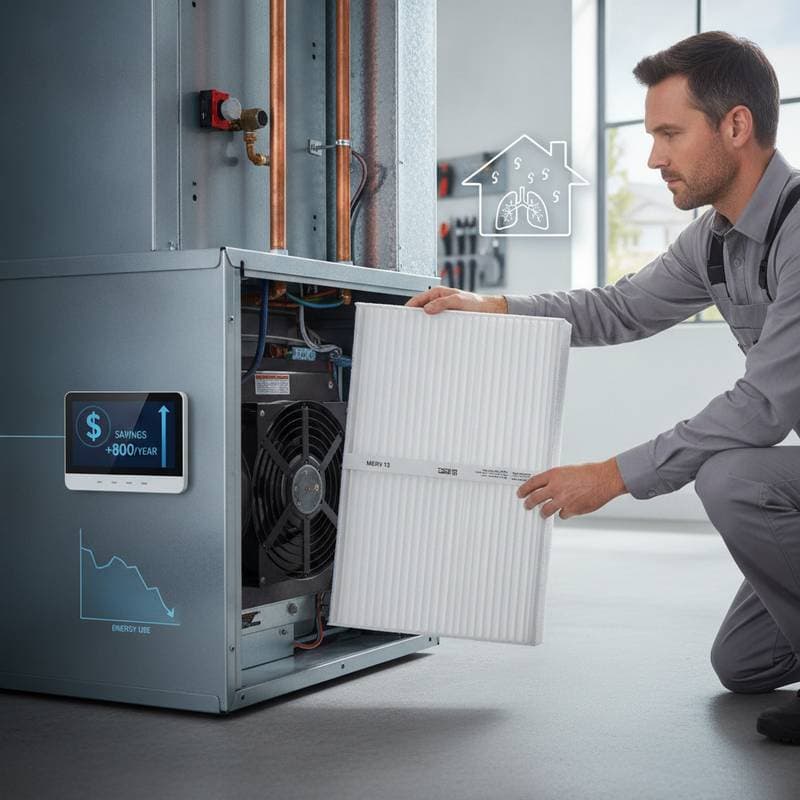
Upgrading filters demands technical insight to prevent system strain. Technicians evaluate capacity, balance airflow, and confirm duct integrity. They adjust blower settings to support MERV 16 media without risking motor overload or inefficiency.
DIY alterations often result in uneven distribution or equipment damage. Experts guarantee optimal operation, extending system longevity while maximizing filtration benefits.
Comprehensive Process for Professional Smoke Filtration
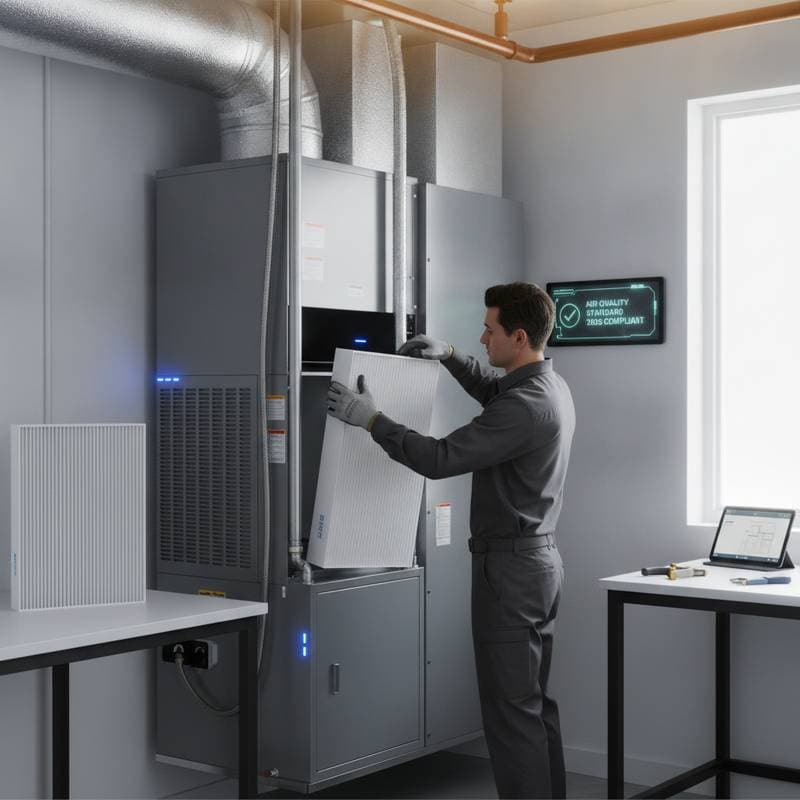
Engaging a specialist yields a structured upgrade that fortifies defenses.
- System Evaluation: Inspect components, ducts, and entry points for vulnerabilities.
- Filter Integration: Install compatible housings for MERV 16 media if standard slots prove inadequate.
- Duct Sealing: Address leaks with mastic or foil tape to block unfiltered pathways.
- **Airflow ** Calibrate fans and vents for uniform circulation and pressure.
- Verification and Scheduling: Conduct performance tests and establish ongoing maintenance protocols.
This approach not only counters smoke but elevates overall energy efficiency and durability.
Frequently Asked Questions
Indicators of Indoor Smoke Infiltration
Detect subtle signs like lingering odors, eye discomfort, or throat dryness. Haze near entryways signals entry; respond by inspecting filters and activating recirculation.
Limitations of Portable Purifiers Versus Whole-Home Systems
Units excel in isolated areas but lack home-wide coverage. HVAC filtration with sealed infrastructure offers comprehensive, consistent safeguarding.
Filter Replacement During Peak Seasons
Intense smoke accelerates clogging; monitor every 48-72 hours. Swap out upon noticing resistance or residue buildup to preserve efficacy.
Suitability of MERV 16 for Existing Systems
Compatibility varies by age and design. Pre-installation professional review prevents operational issues like reduced heating or cooling output.
Additional Protections During Wildfire Proximity
Operate HVAC on fan-only recirculation, secure all openings, and position HEPA devices strategically. Curtail pollutant-generating tasks such as heavy frying or chemical use.
Securing Lasting Indoor Air Purity
Wildfire smoke defense prioritizes health through strategic filtration and maintenance. MERV 16 upgrades, duct sealing, and routine servicing eliminate nearly all fine particulates.
Transform your residence into a reliable sanctuary amid external hazards. Expert implementation and vigilant care ensure fresh, protective air year-round.