Essential Upgrade: Humidity-Controlled HVAC Systems for Mold Prevention
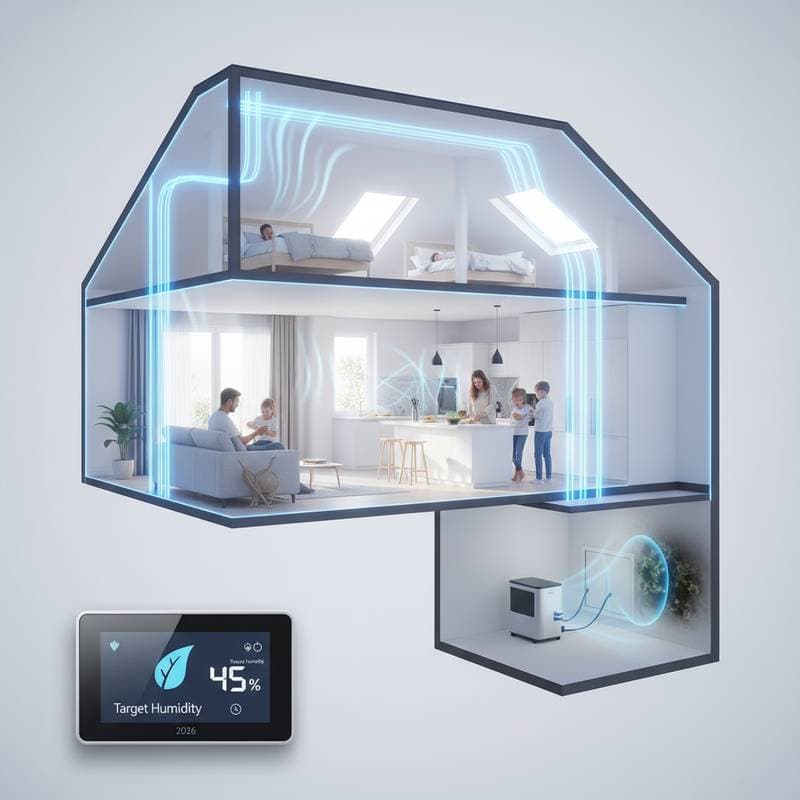
Humidity-controlled HVAC systems represent one of the most reliable methods to prevent mold growth in residential settings. These systems maintain indoor relative humidity levels between 30 and 50 percent, conditions under which mold spores struggle to proliferate. Homeowners seeking to safeguard their properties against moisture-related problems and enhance indoor air quality will find these systems a worthwhile investment. This guide details the functionality of such systems, associated costs, and their role in year-round mold prevention.
| Item | Average Cost |
|---|---|
| Whole-Home Dehumidification System | $1,800 - $3,500 |
| Humidity-Controlled HVAC Upgrade | $2,500 - $6,500 |
| Maintenance and Servicing | $150 - $400 annually |
| Mold Remediation (if needed) | $1,000 - $6,000 |
Costs of Humidity-Controlled HVAC Systems
The expense for installing a humidity-controlled HVAC system generally ranges from $2,500 to $6,500. This variation depends on factors such as home size, selected system type, and the condition of existing ductwork. Homeowners facing ongoing dampness or evident mold often discover that humidity control proves more economical than remediation efforts, which frequently exceed several thousand dollars. In many instances, these systems recoup their cost through damage prevention and air quality improvements.
Breakdown by System Type
- Central HVAC with Built-In Humidity Control: $4,000 - $6,500
- Add-On Whole-Home Dehumidifier: $1,800 - $3,500
- Smart Thermostat with Humidity Sensors: $200 - $600
- Maintenance and Filter Replacement: $150 - $400 annually
Factors Influencing Humidity-Controlled HVAC Costs
Multiple elements determine the total price of a humidity-controlled HVAC installation. Homeowners benefit from understanding these components to refine their budgeting process.
Home Size and Layout
Properties with greater square footage demand more robust systems or divided dehumidification zones. Structures featuring multiple levels or intricate duct configurations might require supplementary components, such as zoning dampers, to ensure uniform humidity regulation.
Current HVAC Infrastructure
When the existing HVAC unit remains in good condition, integrating a whole-home dehumidifier suffices. Replacement with a contemporary model incorporating humidity management, however, often yields superior long-term value if the current system shows signs of age or inefficiency.
Energy Efficiency Specifications
Systems boasting elevated SEER2 and AFUE ratings command higher initial prices yet reduce ongoing energy expenditures. Models equipped with intelligent humidity sensors often employ variable-speed compressors and fans, optimizing performance while sustaining comfort.
Installation Demands
Residences lacking ductwork or presenting restricted access to areas like attics and crawl spaces elevate labor expenses. Installers might need to adapt ducting or enhance electrical setups to integrate the new equipment seamlessly.
Manufacturer and Warranty Options
Reputable brands offer extended warranties alongside sophisticated humidity features. Selection of established producers guarantees durability and simplifies upkeep procedures.
Varieties of Humidity-Controlled HVAC Systems
Several system configurations exist to manage indoor humidity effectively. The optimal choice aligns with specific home requirements, regional climate, and current infrastructure.
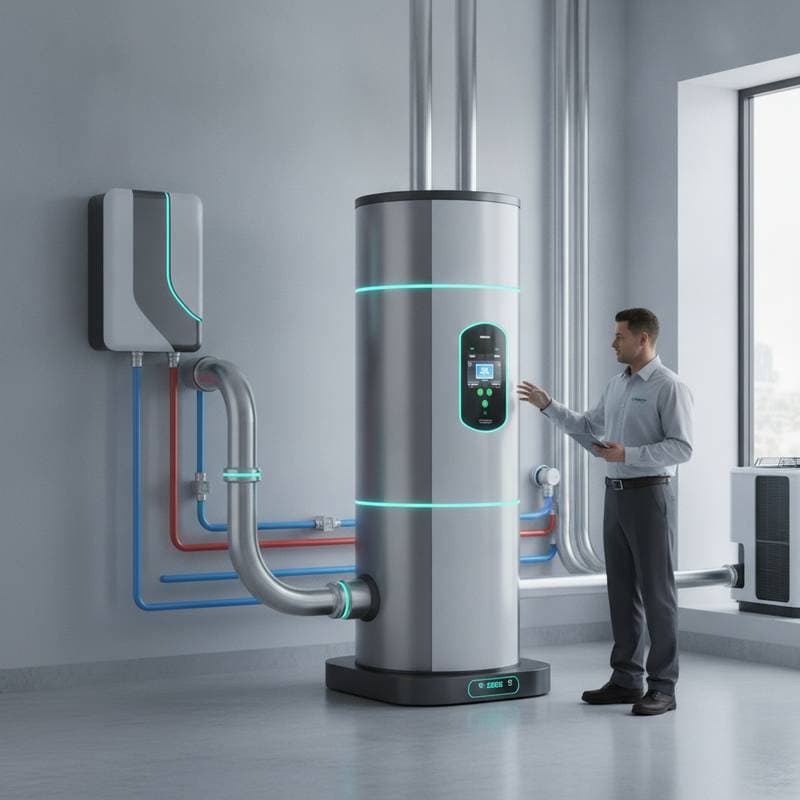
Central HVAC Units with Integrated Humidity Management
These configurations incorporate sensors that modulate humidity via the air handler or furnace. They deliver even comfort and diminish mold hazards across the entire residence.
Advantages:
- Uniform humidity regulation in every area
- Efficient energy consumption
- Seamless integration with heating and cooling functions
Disadvantages:
- Elevated initial investment
- Necessitates expert installation
Whole-Home Dehumidification Units
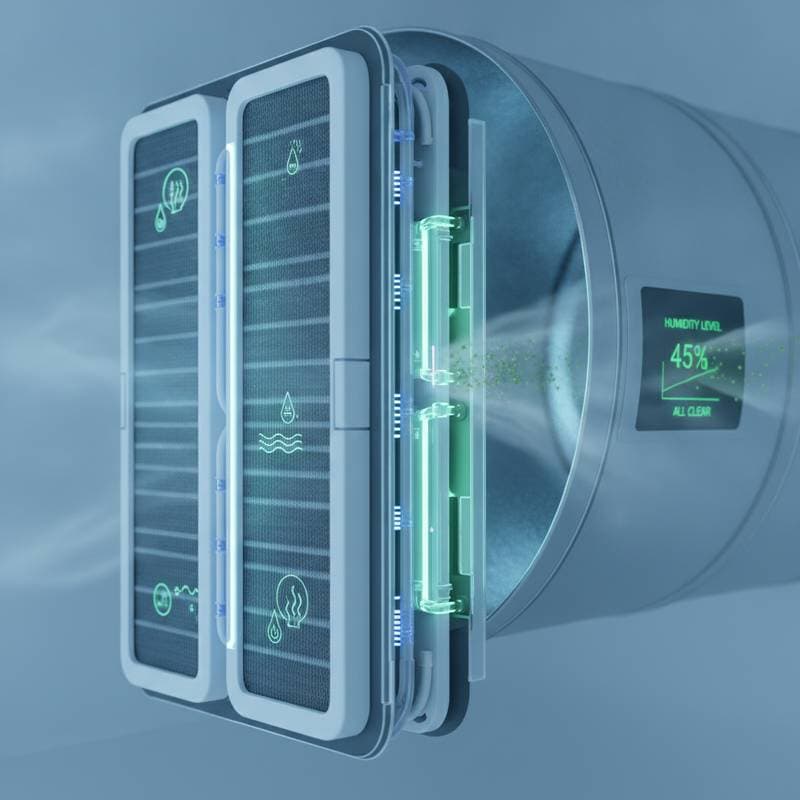
These devices link to HVAC ducting and extract surplus moisture prior to air distribution throughout the home.
Advantages:
- Compatible with prevailing HVAC setups
- Operates quietly with minimal upkeep
- Suited to regions with high ambient humidity
Disadvantages:
- Substantial upfront expenditure
- Demands dedicated installation space
Ductless Mini-Split Systems Featuring Humidity Sensors
Such systems suit homes without traditional ducting. Numerous variants include precise humidity oversight and automated controls.
Advantages:
- Targeted control of humidity and temperature by zone
- Straightforward retrofitting in legacy structures
- Superior energy efficiency
Disadvantages:
- Restricted scope for expansive properties
- Increased expense per controlled zone
Intelligent Thermostats for Humidity Oversight
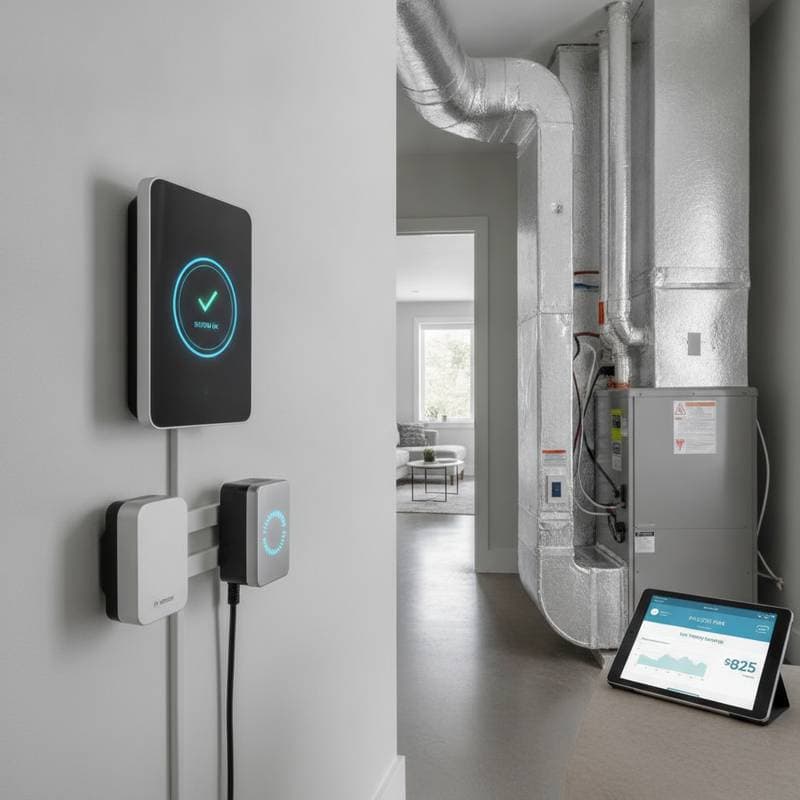
Contemporary thermostats track and regulate humidity when paired with suitable HVAC components.
Advantages:
- Cost-effective enhancement
- App-based remote oversight
- Promotes balanced comfort and energy savings
Disadvantages:
- Constrained effectiveness with obsolete HVAC units
- Compatibility with existing hardware essential
Indicators of Required Humidity-Controlled HVAC Systems
Moisture accumulation manifests through understated cues prior to overt mold appearance. Early identification of these signals averts substantial repair costs.
- Moisture buildup on windows or walls
- Damp smells in basements, bathrooms, or storage areas
- Deteriorating paint or lifting wall coverings
- Distorted wooden flooring or cabinetry
- Ongoing allergic or breathing difficulties
- Apparent dark or verdant patches on surfaces
Addressing these through a humidity-controlled HVAC system neutralizes moisture at its origin by stabilizing indoor levels.
Installation Procedure for Humidity-Controlled HVAC Systems
Expert installation guarantees optimal and secure operation. The following outlines typical steps.
- Assessment and Sizing: Technicians evaluate square footage, insulation efficacy, and duct configuration to select appropriate system capacity.
- Selection Process: Options include integrated controls or standalone dehumidifiers, chosen according to financial and performance objectives.
- Equipment Placement: Integration occurs via duct connections or wall-mounted units, with attention to airflow and drainage.
- Setup and Verification: Sensors and controls calibrate to sustain 30 to 50 percent humidity.
- Comprehensive Review: Checks confirm absence of leaks, secure wiring, and full functionality.
- Upkeep Instructions: Guidance covers filter changes, cleaning routines, and service timelines.
Labor Expenses for Humidity-Controlled HVAC Installations
Labor constitutes 30 to 40 percent of overall costs, ranging from $700 to $2,500 based on complexity. Additional charges may apply for duct alterations, drain setups, or electrical modifications. Detailed quotes distinguishing labor from materials promote clarity.
Common Questions on Humidity-Controlled HVAC Systems
How Does Humidity Regulation Inhibit Mold Development?
Mold requires dampness to flourish. Systems that hold humidity under 50 percent eliminate favorable conditions, keeping surfaces and airways arid to curb spore dissemination.
Is Retrofitting Humidity Control Feasible for Existing Systems?
Affirmative; contemporary units accommodate additions like whole-home dehumidifiers or sensor-equipped thermostats. A certified professional assesses compatibility and proposes solutions.
What Constitutes Optimal Humidity for Mold Avoidance?
A 30 to 50 percent relative humidity range best deters mold. Exceeding 60 percent fosters growth, whereas below 30 percent may provoke dryness-related discomfort.
Do These Systems Enhance Energy Savings?
Indeed; proper humidity balance improves efficiency. Balanced air permits thermostat adjustments, reducing energy demands in both warm and cool seasons.
What Maintenance Frequency Applies?
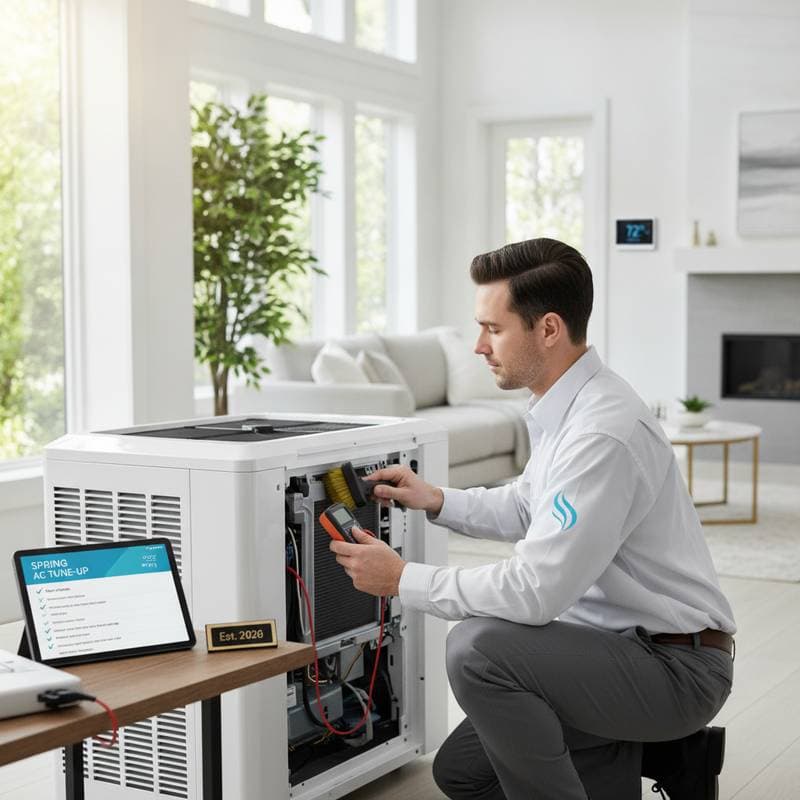
Annual professional servicing proves essential. Filters warrant cleaning or replacement quarterly, with coil inspections to sustain dehumidifier performance.
Do Portable Dehumidifiers Serve as Viable Substitutes?
Portable models aid localized spaces such as basements, yet fail to regulate whole-home humidity uniformly. Comprehensive systems provide thorough mold defense.
Can Humidity Control Alleviate Allergy Issues?
Yes; diminished moisture curbs mold and mite proliferation, elevating air purity and easing allergic responses.
Sustaining System Performance
Humidity-controlled HVAC systems extend beyond mere comfort to shield structural integrity, protect interiors, and foster healthful atmospheres. Annual evaluations, prompt filter renewals, and unobstructed vents preserve peak operation. For homes with persistent moisture challenges, expert diagnostics pinpoint sources and customize interventions. Proper implementation and care yield enduring assurance of a secure, comfortable, mold-resistant environment. Professional consultation initiates this protective measure, ensuring seasonal reliability.