MERV 13: Essential Protection Against Wildfire Smoke
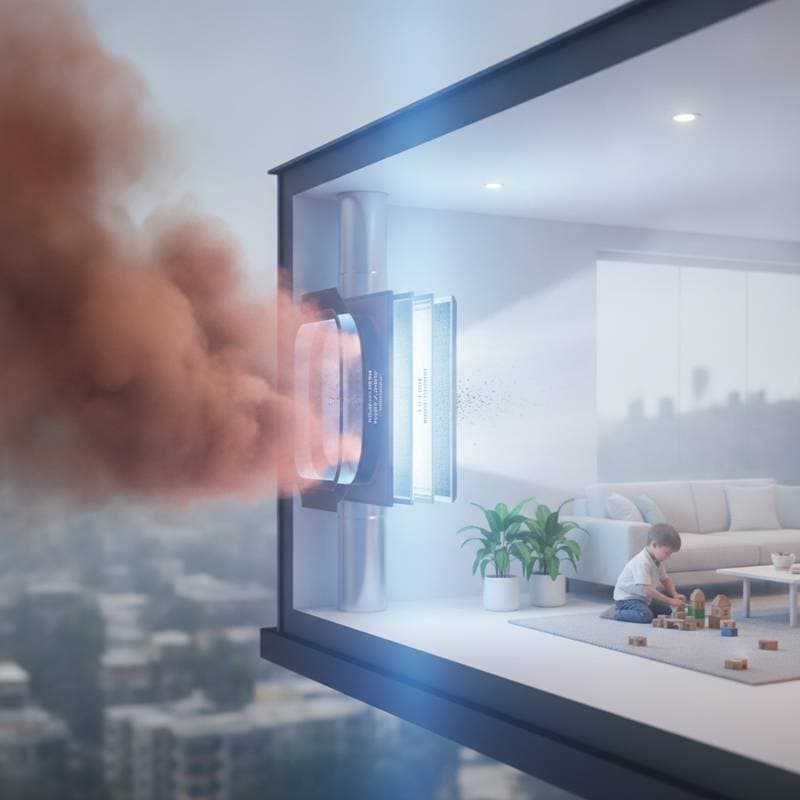
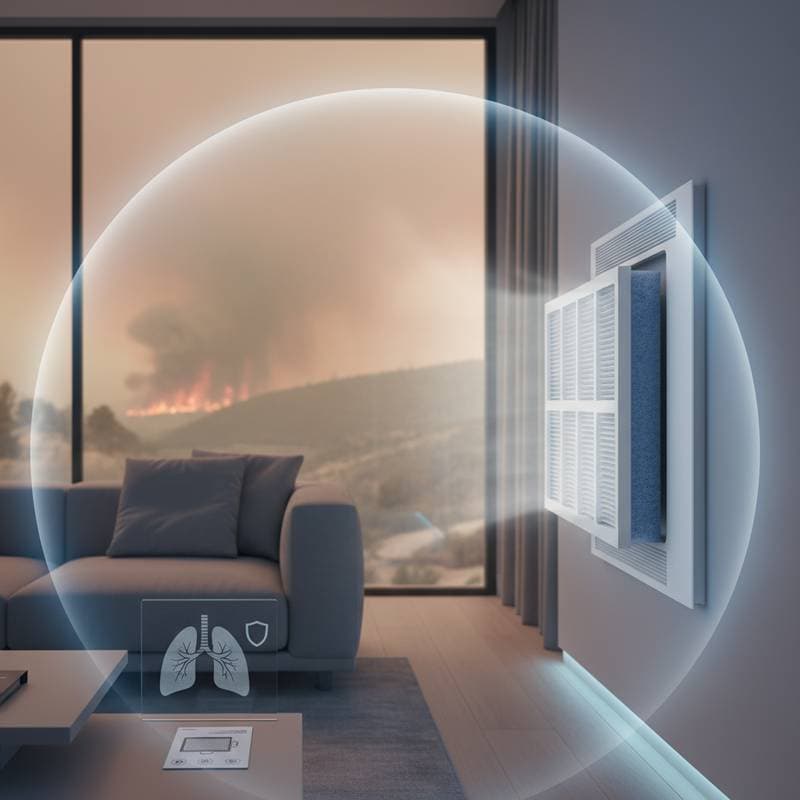
Upgrading to a MERV 13 air filter stands out as one of the most reliable methods to shield your home from wildfire smoke. These filters capture fine particles that basic filters overlook, preventing smoke, ash, and pollutants from circulating through your indoor air. This guide details the functions of MERV 13 filters, their costs, their importance during wildfire periods, and the steps for installation and maintenance to achieve optimal protection.
| Item | Key Information |
|---|---|
| Recommended Filter Rating | MERV 13 |
| Particle Capture Range | 0.3 to 1 micron |
| Average Cost per Filter | $20 - $60 |
| Replacement Frequency | Every 3 to 6 months |
| Best Use | Wildfire smoke, allergens, bacteria, fine dust |
Typical Costs for MERV 13 Filters
Homeowners often find that switching to MERV 13 filters proves more affordable than anticipated. Prices vary based on the size of your HVAC system and the selected brand. Residential-grade filters generally range from $20 to $60 per unit, whereas larger or commercial versions may approach $100.
For systems using standard one-inch filters in central air or furnaces, expect costs at the lower end of the spectrum. Thicker options, like four-inch or five-inch media filters, carry higher prices yet offer extended durability and enhanced particle capture. In most households, annual expenses for MERV 13 filters total $80 to $200, influenced by replacement schedules and local air quality levels.
Factors Influencing MERV 13 Filter Pricing
Multiple elements determine the expense of MERV 13 filters and their replacement intervals. Grasping these aspects enables better budgeting and sustained defense against wildfire smoke.
Filter Dimensions and Depth
Filters with greater dimensions demand more materials during production, resulting in elevated costs. Standard residential models vary from one to five inches in thickness. Deeper filters provide expanded surface areas, which extend usability and support improved airflow. Verify your HVAC system's requirements prior to selecting a thicker model, as compatibility varies.
Construction Materials and Configuration
MERV 13 filters commonly feature pleated synthetic fibers or electrostatically enhanced media. Such components excel at trapping minute particles like smoke and bacteria. Options with denser pleating or stronger electrostatic properties command premium prices, yet they yield better efficiency and longevity.
Suitability with HVAC Systems
Certain aging HVAC units experience challenges with the added resistance from MERV 13 filters. Insufficient blower motor power may lead to diminished airflow and lower operational efficiency. Professionals can evaluate these concerns, potentially recommending system tweaks or alternative filter designs, which could increase total expenses.
Manufacturer and Supply Considerations
Established brands delivering verified filtration efficacy often set higher price points, justified by their reliability and performance consistency. Wildfire seasons spike demand for MERV 13 filters, occasionally driving up costs or limiting stock. Purchasing ahead of peak periods secures supply and stabilizes expenses.
Air Filter Categories for Smoke Defense
Comparing MERV 13 filters to alternatives aids in selecting the ideal solution for your residence. The following outlines primary HVAC filter types, including advantages and limitations.
Fiberglass Filters
- Advantages: Inexpensive and readily accessible.
- Disadvantages: Limited to capturing large dust particles, offering negligible safeguards against smoke or allergens.
Pleated Filters (MERV 8-12)
- Advantages: Effective against dust, pollen, and select finer particles. Cost-effective and compatible with many systems.
- Disadvantages: Inadequate for trapping submicron smoke particles or bacterial contaminants.
MERV 13 Filters
- Advantages: Secure up to 90 percent of 0.3-micron particles, encompassing smoke, bacteria, and fine dust. Optimal for wildfire mitigation and elevating indoor air standards.
- Disadvantages: Introduce moderate airflow resistance, potentially impacting efficiency without diligent upkeep.
HEPA Filters
- Advantages: Achieve 99.97 percent capture of 0.3-micron particles, delivering clinical-level purification.
- Disadvantages: Excessively restrictive for typical home HVAC setups without alterations. More appropriate for standalone air purifiers.
Indicators for Upgrading to MERV 13
Certain symptoms suggest that a MERV 13 filter upgrade would enhance your home's air quality and comfort.
- Lingering smoky odors indoors amid wildfire events
- Heightened allergy responses or breathing discomfort
- Noticeable haze or dust accumulation on surfaces
- Recurrent sneezing, coughing, or ocular irritation
- Extended HVAC operation cycles to sustain desired temperatures
- Reliance on outdated fiberglass filters
These cues signal that existing filtration fails to address fine airborne threats, such as smoke particulates.
Steps for Installing MERV 13 Filters
The installation of a MERV 13 filter involves simple procedures, provided they follow precise guidelines to preserve HVAC efficiency and safety.
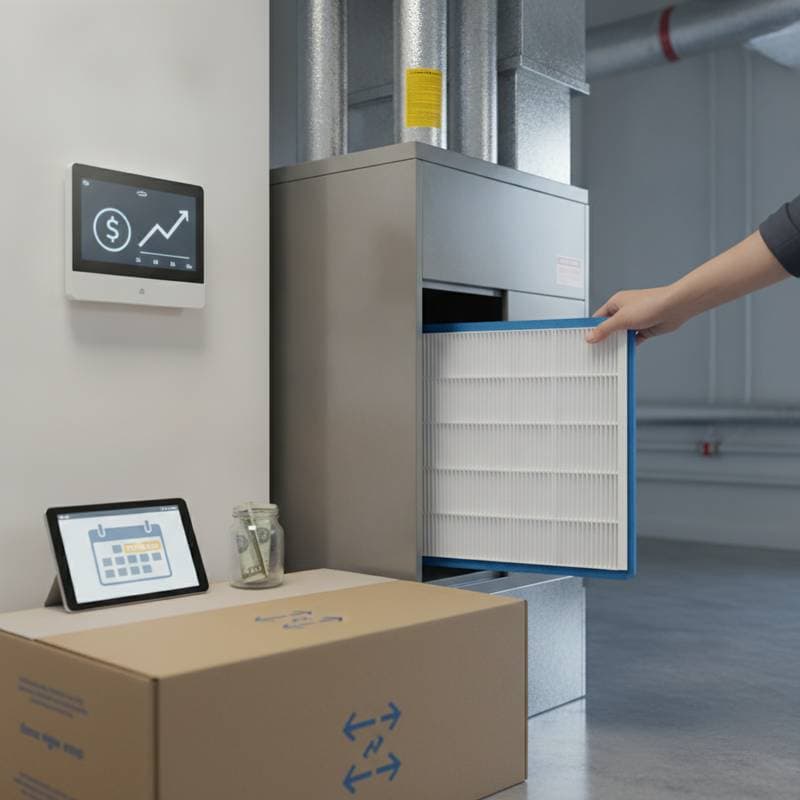
- Power down the HVAC system. Deactivate the unit prior to filter handling to avoid drawing debris into ducts.
- Identify the filter compartment. Locate it adjacent to the return air duct or within the blower assembly.
- Extract the existing filter. Note the directional airflow arrow on its frame for reference.
- Examine for debris accumulation. Wipe the compartment and surrounding areas to eliminate settled dust.
- Position the new MERV 13 filter. Ensure the airflow arrow points in the system's intended direction.
- Reactivate the system. Observe airflow strength and temperature consistency post-installation to verify normal function.
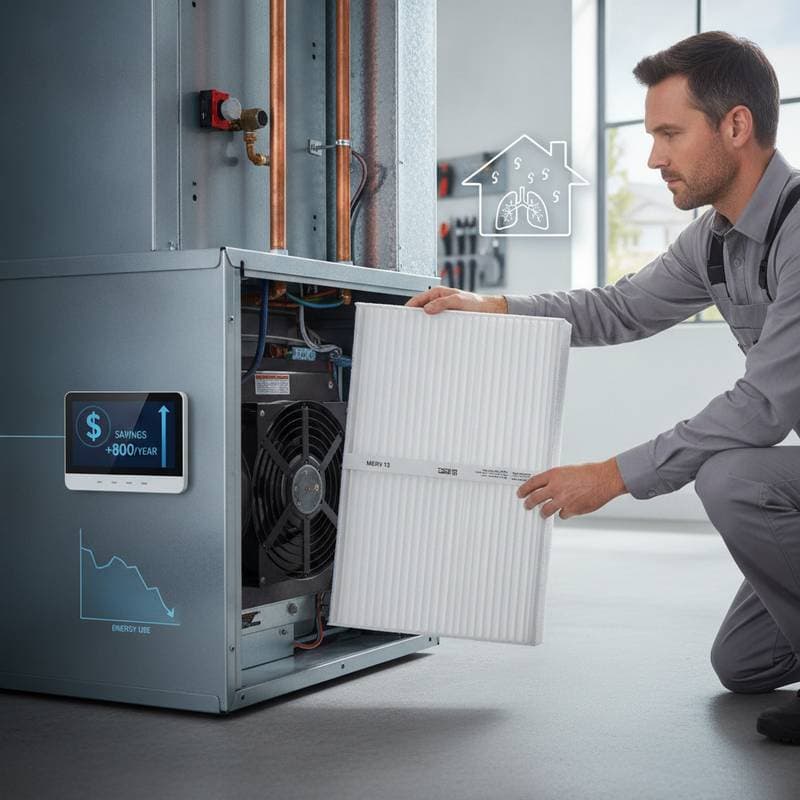
Should doubts arise regarding your system's tolerance for MERV 13 resistance, engage a certified HVAC specialist. They assess blower capacity and affirm suitability.
Professional Costs for MERV 13 Filter Services
Engaging experts for filter replacement or system adaptations to support MERV 13 filters incurs labor fees of $75 to $150. This covers assessment, fitting, and preliminary airflow verification. Additional needs, such as duct sanitation or motor tuning, may elevate costs beyond $200, scaled to system intricacy.
Self-installation appeals to many residents, though expert assistance proves beneficial for non-standard housings or airflow validation.
Common Questions on MERV 13 Filters
What Defines MERV 13?
MERV denotes Minimum Efficiency Reporting Value, a metric evaluating particle capture across size ranges. MERV 13 models secure at least 90 percent of 1- to 3-micron particles and substantial shares of 0.3-micron ones. This capability targets wildfire smoke, fine particulates, and microbial agents effectively.
Does a MERV 13 Filter Impair Airflow?
MERV 13 filters impose minor airflow reductions relative to lower-rated counterparts. Systems in sound condition, with routine maintenance, experience negligible effects. Timely replacements avert progressive restrictions from clogging.
Can MERV 13 Filters Eliminate Wildfire Smoke Odors?
These filters trap particulate matter from smoke yet leave gaseous elements and scents unaddressed. Pair them with activated carbon filters or carbon-equipped portable purifiers to neutralize odors comprehensively.
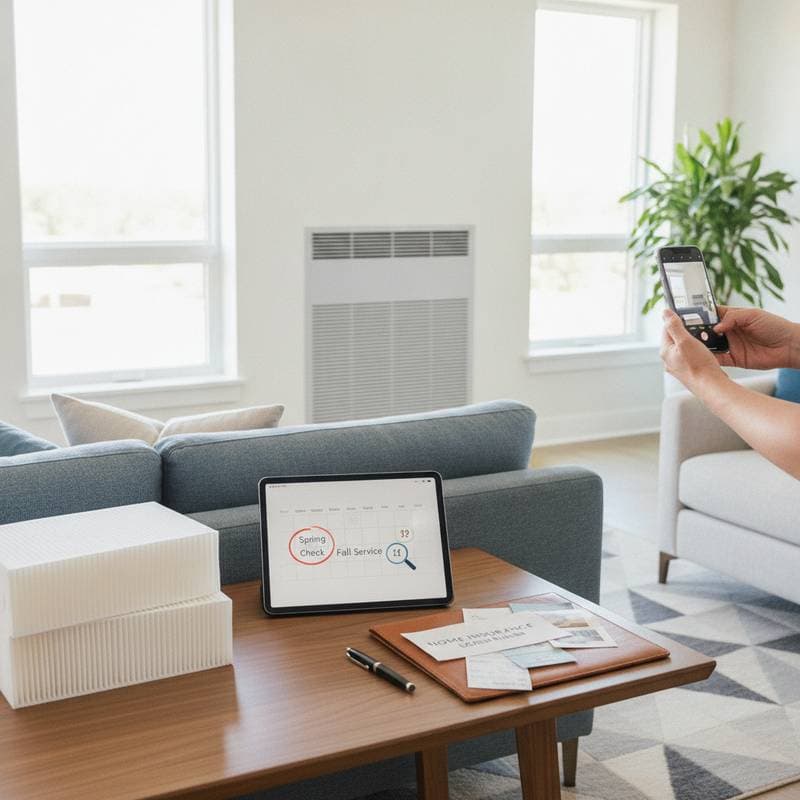
What Is the Ideal Replacement Schedule for MERV 13 Filters?
Standard conditions warrant changes every three to six months. In wildfire-prone or polluted locales, inspect monthly and substitute if discoloration or obstruction appears.
Are MERV 13 Filters Compatible with Every HVAC System?
Contemporary units generally accommodate MERV 13 filters well, though legacy models risk airflow shortfalls. Seek technician advice for uncertainties; they may suggest modifications or lower-resistance media alternatives.
Do MERV 13 Filters Alleviate Allergies?
Affirmative; they proficiently remove pollen, dander, mold, and dust—prevalent allergy inducers.
Is a Portable Air Purifier Beneficial Alongside HVAC Filters?
Yes, combining a portable unit with MERV 13 HVAC filtration amplifies protection. Place purifiers in high-use rooms to target localized pollutants, complementing whole-home coverage for superior air purity.
Steps Toward Enhanced Indoor Air Quality
Wildfire smoke extends beyond exterior threats, infiltrating residences and persisting in atmospheres well after visibility fades. A MERV 13 air filter upgrade establishes a robust barrier against elusive smoke particulates inaccessible to standard options.
For compatibility or setup uncertainties, arrange a consultation with an HVAC expert. Their expertise guarantees efficient operation and the filtration performance essential for your living space.