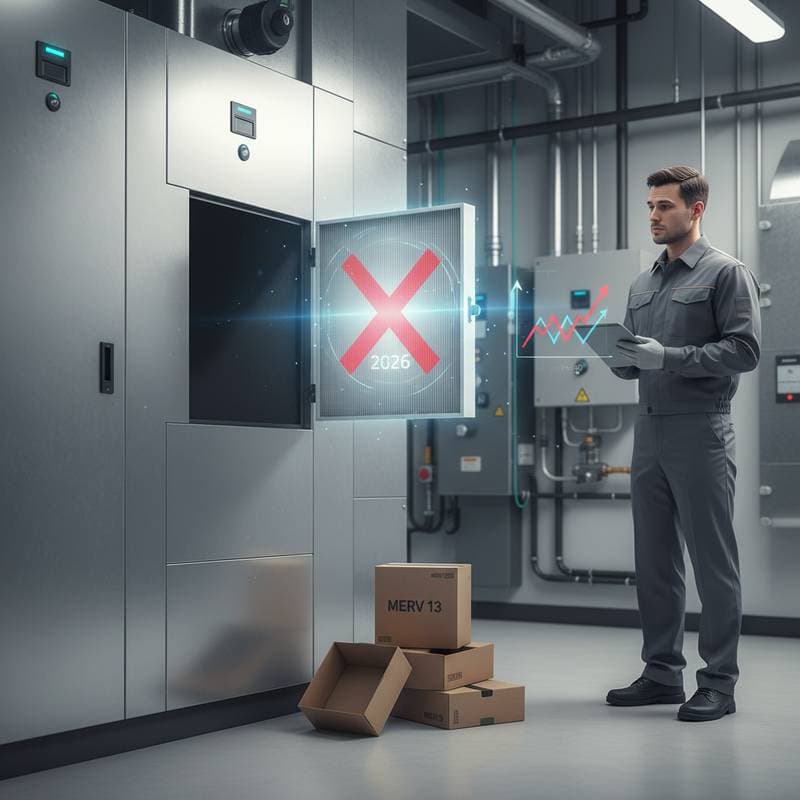
Why MERV 13 Shortages Will Rock Your HVAC in 2026
What Happens When MERV 13 Filters Become Hard to Find?
Homeowners and facility managers rely on MERV 13 filters to sustain superior indoor air quality and comply with efficiency standards. These filters trap fine particles, allergens, and certain airborne pathogens, positioning them as a preferred option for residential and commercial HVAC systems. A MERV 13 shortage, however, promises significant disruptions, including escalating prices, delayed supply chains, and compromised HVAC performance.
This article details why MERV 13 shortages will impact HVAC systems in 2026, the underlying causes, and preparation strategies to implement before shortages intensify. Readers gain insights into cost effects, viable alternatives, maintenance practices, and protective measures for heating and cooling equipment.
Why the MERV 13 Shortage Matters
A MERV 13 filter shortage extends far beyond minor inconveniences. It influences system functionality, indoor comfort levels, and the durability of HVAC components. When filters prove scarce or excessively priced, individuals often postpone replacements or opt for lower-rated options, introducing multiple hazards.
Key consequences of a MERV 13 shortage include:
- Elevated indoor pollution from diminished filtration effectiveness.
- Accelerated HVAC deterioration due to accumulated dust and debris.
- Diminished energy efficiency resulting from restricted airflow.
- Heightened health risks for individuals with allergies or respiratory conditions.
- Surging prices as demand outpaces supply.
Sustaining reliable air quality grows challenging amid unstable supply chains. Proactive planning and knowledge of alternatives emerge as essential responses.
Factors Driving the MERV 13 Shortage
Multiple interconnected elements contribute to the constrained supply of MERV 13 filters. Grasping these dynamics enables homeowners and facility operators to foresee obstacles and select informed strategies.
1. Supply Chain Disruptions
Producing MERV 13 filters demands specialized synthetic media and intricate mesh materials. Global manufacturing limitations or logistics delays can swiftly halt component deliveries. Suppliers favoring major commercial orders often leave smaller distributors and residential buyers with postponed access.
2. Rising Demand for Clean Air
An increasing number of households and businesses emphasize elevated air quality benchmarks. Heightened awareness of airborne contaminants and pathogens prompts upgrades from MERV 8 or MERV 11 filters to MERV 13 equivalents. This demand escalation burdens manufacturers, particularly during peak HVAC service seasons.
3. Increased Building Standards
Certain regions mandate advanced filtration in communal environments like offices, schools, and medical centers. Such regulations redirect substantial commercial demand toward MERV 13 filters, reducing availability for residential applications.
4. Limited Production Capacity
Manufacturers face barriers to rapid expansion. High-efficiency filter production necessitates precise machinery and rigorous quality assurance. Scaling operations requires considerable time and capital, exposing the market to vulnerabilities during sudden demand surges.
Cost Implications of MERV 13 Shortages
Price fluctuations signal the onset of filter shortages. As stockpiles dwindle, distributors adjust rates to allocate scarce inventory and cover elevated production expenses.
| Filter Type | Normal Price Range | Expected Shortage Price Range | Availability |
|---|---|---|---|
| MERV 8 | $5 – $10 | $6 – $12 | High |
| MERV 11 | $10 – $20 | $12 – $25 | Moderate |
| MERV 13 | $20 – $40 | $30 – $60 | Low |
Homeowners encounter potential 20 to 50 percent price hikes, particularly for custom dimensions or bulk purchases. Enterprises managing extensive HVAC networks experience budget pressures as they vie for restricted supplies.
Preparing for the MERV 13 Shortage
Stock Up Early
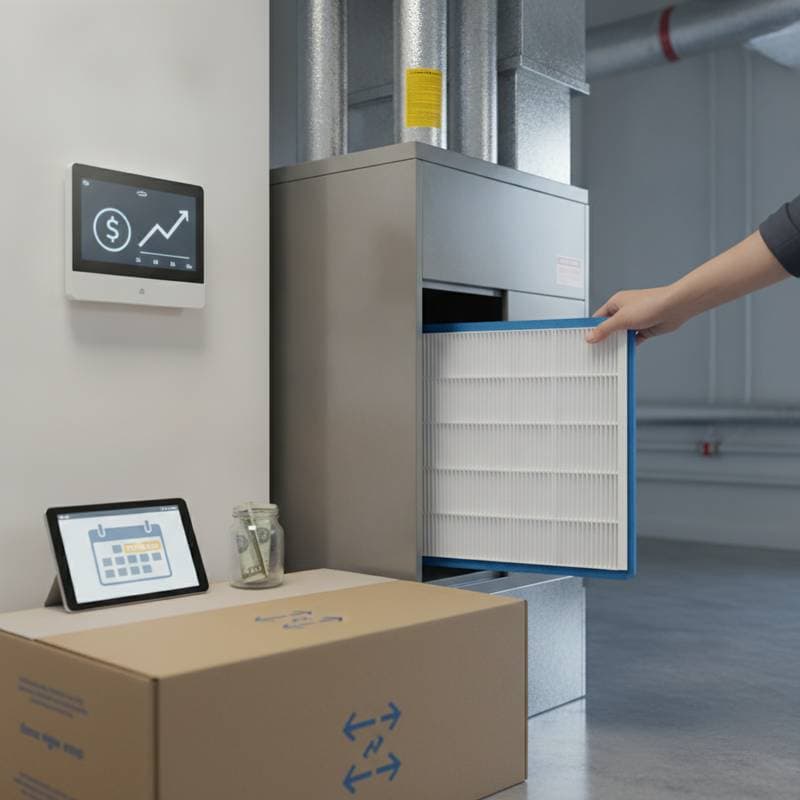
Acquire filters in advance, prioritizing nonstandard sizes for your HVAC unit. Maintaining a reserve of three to six MERV 13 filters guarantees availability during supply constraints.
Maintain Regular Cleaning Schedules
Routine duct and coil cleaning alleviates system stress, prolonging filter longevity. Arrange annual professional inspections to curb dust accumulation and optimize performance.
Explore Alternative Ratings
In cases of MERV 13 unavailability, MERV 11 filters offer a reliable interim solution. While they capture marginally fewer submicron particles, they deliver adequate safeguarding for typical homes without impairing airflow.
Check System Compatibility
Not every HVAC configuration supports MERV 13 filters. Elevated ratings may impede airflow in undersized systems. Engage a technician to verify compatible options before adopting substitutes amid supply shortages.
MERV 13 Shortage FAQs
How long can a MERV 13 filter last?
A MERV 13 filter generally endures three to six months, influenced by usage intensity, ambient air quality, and system demands. Environments with high dust or traffic necessitate more frequent changes. Inspect filter status monthly to ensure peak efficiency.
Can I replace a MERV 13 with a lower-rated filter?
Yes, though compromises arise. Switching to MERV 11 or MERV 8 diminishes particle capture rates, permitting greater circulation of allergens, dust, and microparticles. For short-term use of lower ratings, accelerate replacement intervals and incorporate additional cleanings.
Will a higher MERV rating damage my HVAC system?
It may, should the system lack design for added resistance. Review manufacturer specifications prior to elevating filter ratings. Overly restrictive filters compel the blower motor to strain, elevating energy consumption and component wear.
How can I extend the life of a MERV 13 filter?
Implement pre-filter screens to trap larger debris, reducing load on the primary filter. Monitor static pressure with a manometer to detect early restrictions. Avoid operating the system in extreme humidity, which accelerates media clogging, and ensure vents remain unobstructed for balanced airflow.
Getting Ahead of the Supply Crunch
Questions to Ask Your HVAC Professional
- Which MERV ratings align with my HVAC system's specifications?
- What brands or materials demonstrate proven durability?
- How do I assess my filter's airflow efficiency?
- Which alternatives suit scenarios without MERV 13 availability?
- What measures enhance indoor air quality absent full system overhauls?
- Do maintenance plans encompass filter services?
- Can bulk procurement mitigate future shortages?
- What indicators signal premature filter replacement needs?
Sustaining Optimal Air Quality and System Performance
Anticipated MERV 13 shortages need not undermine comfort or well-being. Through timely stockpiling, diligent upkeep, and expert-guided decisions, HVAC systems maintain reliability amid supply challenges. Prioritize airflow integrity, routine evaluations, and professional consultations to secure enduring efficiency and health benefits.