Understanding Self-Cleaning HVAC Systems: Convenience Without Compromise
Self-cleaning HVAC systems introduce a new level of automation to home heating and cooling. These units employ built-in technologies to manage dust accumulation, prolong filter durability, and sustain optimal performance with minimal homeowner intervention. Although they lessen the frequency of routine servicing, experts emphasize that complete elimination of professional tune-ups remains unwise. This overview covers the mechanics of these systems, ongoing maintenance requirements, and their overall value for residential use.
| Feature | Benefit |
|---|---|
| Automated Coil and Filter Cleaning | Minimizes dirt accumulation and ensures steady airflow |
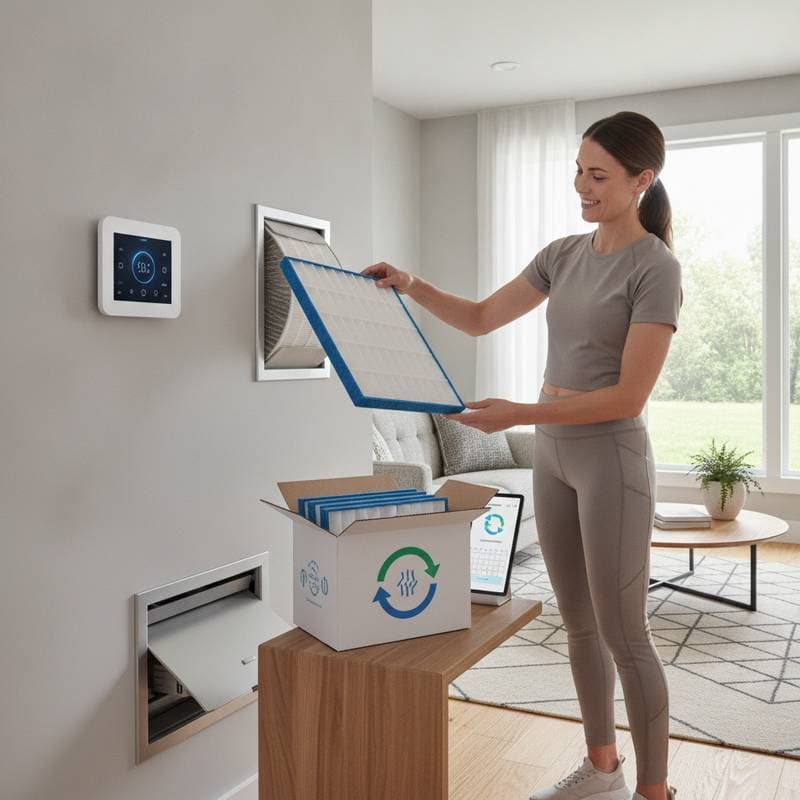
| Extended Filter Replacement Intervals | Decreases the need for frequent manual changes |
| Enhanced Energy Efficiency | Preserves operational effectiveness without constant servicing |
| Typical Installation Cost Range | $6,000 to $12,000 |
| Potential Maintenance Reduction | Up to 30 percent fewer professional visits |
Mechanics of Self-Cleaning HVAC Systems
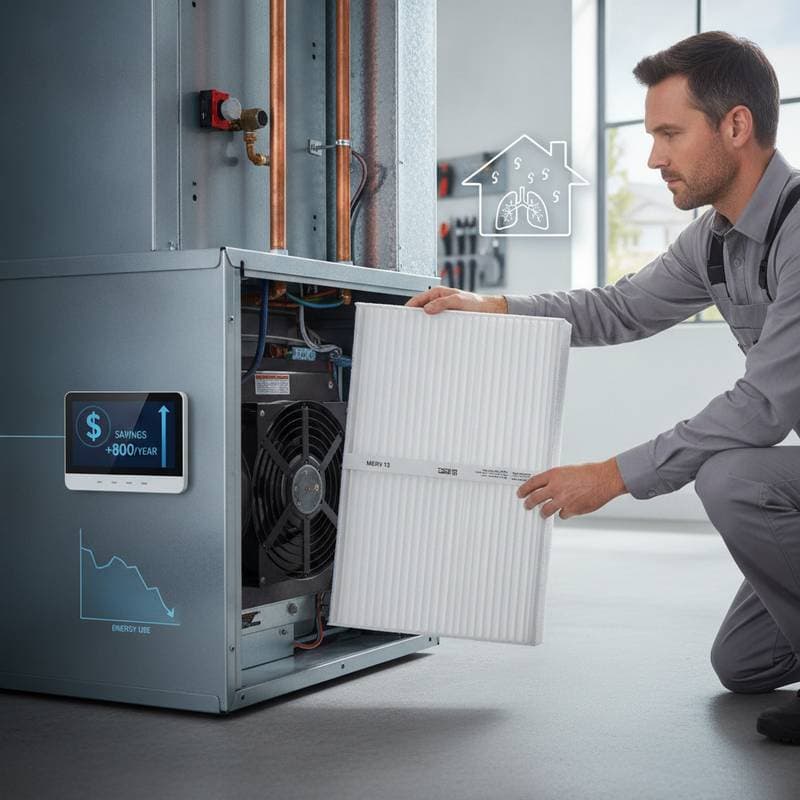
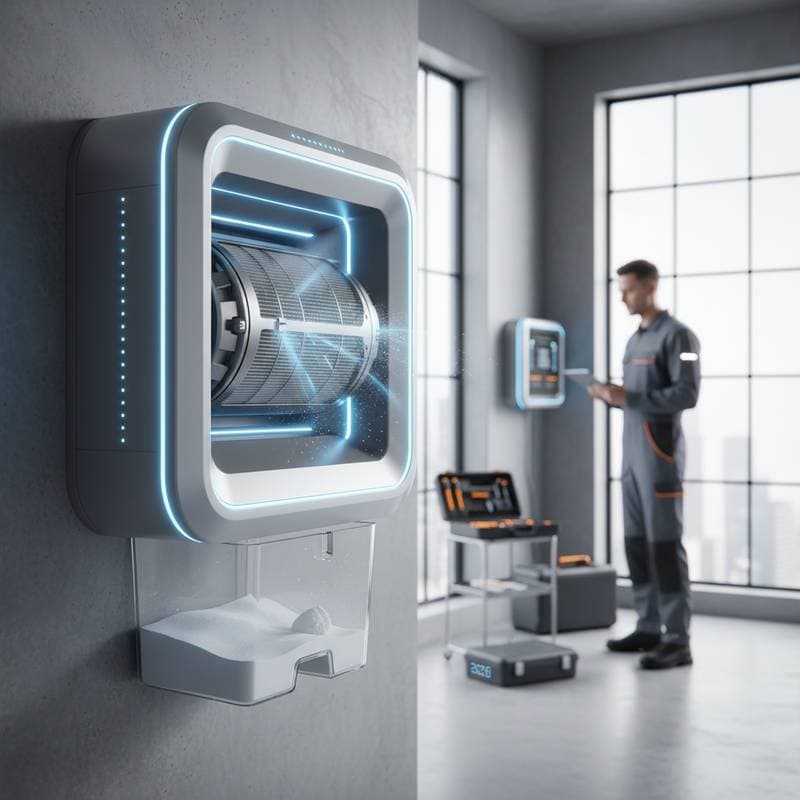
Self-cleaning HVAC systems integrate automated processes to eliminate dust and debris from essential components like coils, filters, and internal pathways. Certain models utilize electrostatic charges to capture fine particles, while others employ water condensation to rinse coils or ultraviolet lights to neutralize microbial growth. These methods promote unobstructed airflow and mitigate the efficiency losses common in conventional systems due to contamination.
Automation handles many daily cleaning duties, yet it cannot address all aspects of system health. Components such as sensors, fans, and motors experience natural wear over time. Refrigerant levels require regular verification to ensure safe operation and prevent breakdowns. Professional oversight identifies these issues early, safeguarding long-term reliability.
Pricing Overview for Self-Cleaning HVAC Systems
A new self-cleaning HVAC system generally costs between $6,000 and $12,000, encompassing full installation. Factors influencing this range include the unit's dimensions, efficiency specifications, and supplementary options like intelligent controls or advanced air filtration.
Influences on System Pricing
Capacity and Scale
Homes of greater size demand units with higher capacity, featuring robust compressors and fans. Capacity, often measured in tonnage for cooling power, impacts both initial expenses and ongoing energy consumption. Selecting the appropriate size prevents overworking the system and optimizes cost-effectiveness.
Integrated Technologies
Systems equipped with features such as ultraviolet disinfection, electronic coil self-cleaning, or remote monitoring applications command higher prices. These enhancements demand greater upfront investment but yield savings through reduced maintenance demands and improved performance.
Installation Demands
Properties lacking compatible ductwork or featuring outdated electrical infrastructure often necessitate modifications. Such adaptations elevate labor expenses, as technicians adapt the setup to meet modern standards and ensure seamless integration.
Manufacturer and Coverage Options
Premium brands incorporate cutting-edge innovations and offer extended warranties, elevating the base price. These choices provide assurance through superior durability and support, translating to better value over the system's lifespan.
Advantages of Adopting Self-Cleaning HVAC Technology
Self-cleaning systems deliver multiple practical benefits for homeowners seeking reliable comfort.
- Streamlined Upkeep: Built-in cleaning for filters and coils reduces hands-on tasks significantly.
- Stable Performance: Unimpeded components support consistent airflow and precise temperature regulation.
- Improved Indoor Environment: Limited contaminant retention enhances overall air purity within the home.
- Lower Energy Demands: Less resistance from debris allows the system to operate with reduced effort, cutting utility costs.
These advantages make self-cleaning models particularly appealing in regions prone to high dust levels or humidity, where traditional systems struggle.
Essential Reasons for Continued Professional Tune-Ups
Despite their automated features, self-cleaning HVAC systems benefit from annual professional inspections. Automation targets visible debris but overlooks subtle wear in electrical connections, belt tensions, or lubricant levels. Neglecting these can lead to inefficient operation, higher energy bills, or premature component failure.
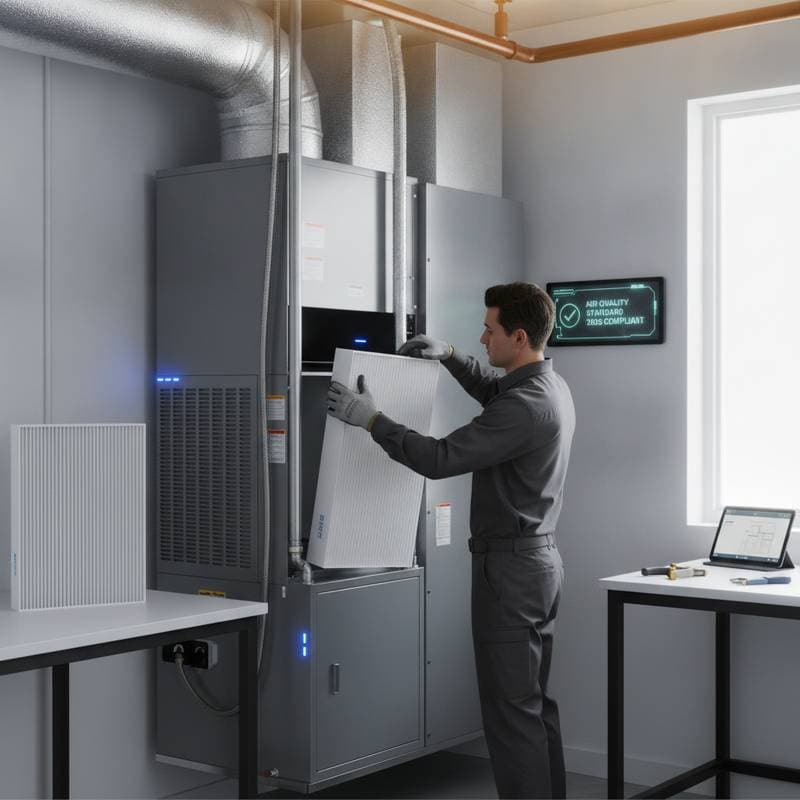
Technicians during tune-ups perform comprehensive diagnostics, including refrigerant pressure checks, electrical system reviews, and calibration of self-cleaning mechanisms. Such proactive care extends the system's lifespan, often by several years, and maintains warranty validity. Homeowners who skip these visits risk voiding coverage and facing unexpected repair expenses that exceed routine service fees.
Installation Process for Self-Cleaning HVAC Systems
Installing a self-cleaning HVAC system involves several coordinated steps to ensure proper functionality.
- Home Evaluation: Technicians assess the property's dimensions, existing duct configuration, and insulation quality to recommend suitable options.
- Unit Selection: Homeowners select a model aligned with their spatial needs, financial parameters, and desired features.
- Removal and Placement: The previous system undergoes removal, followed by precise installation of new elements and sensor alignment.
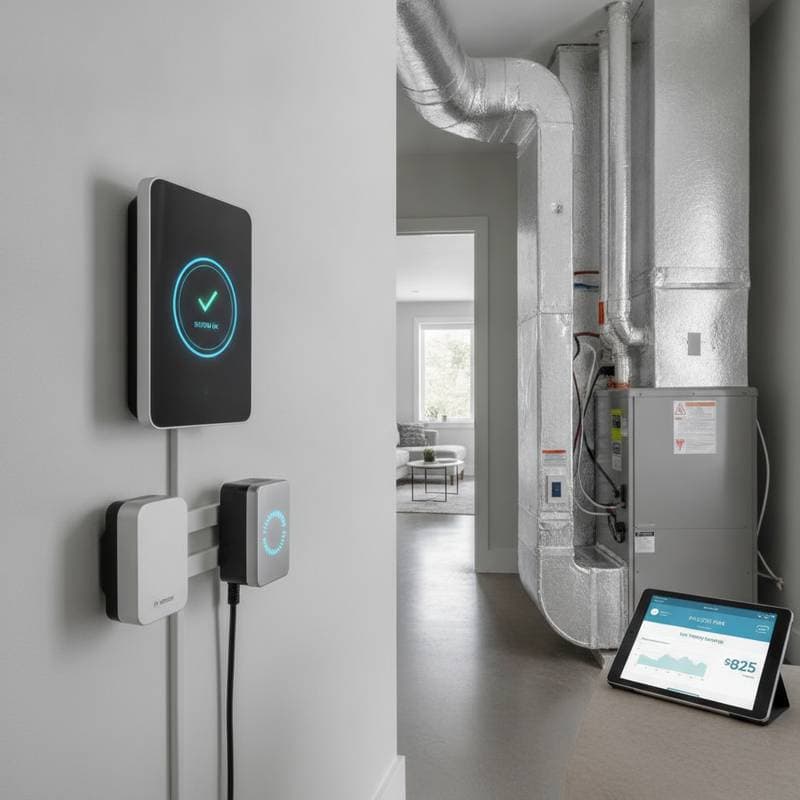
- Digital Integration: For connected models, setup includes linking to home Wi-Fi networks for real-time oversight.
- Final Testing: Comprehensive verification confirms airflow efficiency, temperature accuracy, and activation of cleaning protocols.
This process typically spans one to three days, depending on home complexity, and includes post-installation guidance for optimal use.
Common Questions on Self-Cleaning HVAC Systems
Do These Systems Truly Handle All Cleaning Independently?
Self-cleaning mechanisms address coils and filters effectively, yet they do not service every element. Mechanical parts and refrigerant circuits necessitate expert attention to maintain full integrity.
Will Installation Lower Energy Expenses?
Affirmative. Maintained cleanliness in coils and filters enables more efficient cycling, resulting in measurable reductions in electricity or gas usage annually.
What Is the Recommended Maintenance Schedule?
Manufacturers advise one professional tune-up yearly. This interval allows thorough examination of automation limits and preventive adjustments.
Does the Premium Price Justify the Upgrade?
For numerous households, the ease and performance improvements offset the cost, particularly in challenging climates. Long-term savings on energy and repairs often recoup the investment within five to seven years.
Is Retrofitting Possible for Existing Units?
Generally, no. Self-cleaning capabilities integrate into complete system designs. Transitioning requires full replacement for compatibility and effectiveness.
Optimizing Home Comfort Through Informed HVAC Choices
Self-cleaning HVAC systems offer a practical evolution in residential climate control, easing daily responsibilities while upholding efficiency standards. They diminish but do not erase the role of skilled maintenance in preserving system health. Homeowners evaluating an upgrade should obtain detailed assessments from licensed professionals to align selections with specific needs and secure enduring benefits.