Enhancing Indoor Air: UV-C LED HVAC Neutralizes 99 Percent of Pathogens by 2026
Homeowners increasingly prioritize indoor air quality to maintain healthier living environments free from germs and allergens. UV-C LED HVAC technology addresses these concerns by transforming air purification methods. This advancement neutralizes up to 99 percent of airborne pathogens, fosters safer indoor spaces, and improves HVAC efficiency. The following sections explain the functionality of UV-C LEDs, their advantages, and the reasons this technology may establish itself as the standard for residential air purification by 2026.
Understanding UV-C LED HVAC Technology
A UV-C LED HVAC system employs ultraviolet light within the UV-C spectrum to eliminate microorganisms such as bacteria, viruses, and mold spores as air circulates through heating and cooling equipment. In contrast to conventional mercury-based UV lamps, UV-C LEDs offer a compact design, superior energy efficiency, and the absence of hazardous substances.
The UV-C light disrupts the DNA or RNA structure of microorganisms, thereby inhibiting reproduction. Positioned within the HVAC system, these LEDs provide ongoing disinfection for the air distributed throughout the residence. Consequently, occupants experience reduced risks of airborne illnesses and allergic reactions.
The Mechanism of Air Purification with UV-C LEDs
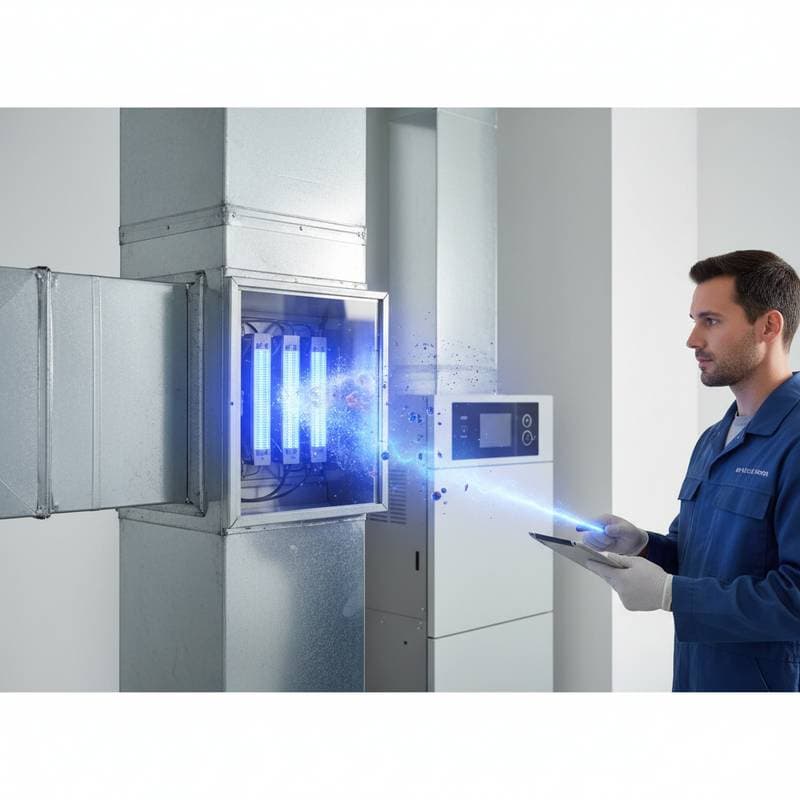
Air entering the HVAC system often contains microscopic particles and organic contaminants, including pathogens. UV-C LED systems address this issue by targeting contaminated air within the ductwork or adjacent to the evaporator coil, where moisture promotes mold development.
The process unfolds as follows:
- Air enters the HVAC system via the return vent.
- UV-C LEDs generate germicidal light that infiltrates microorganisms.
- Pathogens undergo neutralization through DNA degradation.
- Purified air returns to the living areas.
This continuous operation, activated during system use, sustains fresh and healthful air circulation.
Indicators That Suggest the Need for Enhanced Air Purification
Homeowners may question the necessity of UV-C LED HVAC technology. Consider these common indicators:
- Accumulation of dust persists despite routine cleaning efforts.
- Vents emit musty or stagnant odors.
- Indoor allergy or asthma symptoms recur frequently.
- Mold appears visibly on the HVAC coil or within ductwork.
- Illnesses spread repeatedly among household members.
Such symptoms typically signal contaminants circulating via the air system. Implementing UV-C LED technology often yields significant improvements in air quality and overall comfort.
Elements Influencing the Cost of UV-C LED HVAC Systems
Installation expenses for a UV-C LED HVAC purifier vary based on multiple considerations. Although an initial investment, the long-term benefits in health and maintenance often justify the expenditure. Key factors include:
- System Scale: Residences with expansive layouts or multiple air handlers demand additional LED modules for comprehensive coverage.
- Placement During Installation: Positioning LEDs within ductwork or proximate to coils impacts labor costs due to varying accessibility.
- LED Specifications and Manufacturer: Premium LEDs with high output and extended durability minimize future upkeep, despite higher upfront costs.
- Compatibility with Current HVAC Setup: Seamless integration occurs with modern systems, whereas older configurations may require supplementary parts or modifications.
- Technician Expertise: Engaging certified HVAC professionals guarantees proper setup and secure electrical connections. Fees differ by geographic area and specialist proficiency.
Typical costs range from several hundred to more than one thousand dollars, contingent upon complexity and tailored features.
Configurations of UV-C LED HVAC Systems
UV-C LED technology integrates into HVAC setups through diverse configurations. Each approach focuses on specific system components to ensure air and surface cleanliness.
In-Duct UV-C LED Configurations
These units mount within primary air ducts. They process air during transit, neutralizing airborne pathogens prior to distribution into occupied areas. This configuration suits comprehensive whole-home treatment.
Evaporator Coil UV-C LED Systems
Positioned adjacent to the evaporator coil, these LEDs inhibit mold and biofilm accumulation on damp internal surfaces. Beyond enhancing air quality, they preserve operational efficiency by averting airflow obstructions.
Combined UV-C LED Systems
Advanced variants merge in-duct and coil-focused elements for holistic safeguarding. These provide optimal purification by addressing both airborne circulation and internal HVAC elements.
Comparing UV-C LED HVAC to Conventional UV Lamp Systems
Conventional UV lamps have long served to sanitize air and surfaces in HVAC environments. UV-C LEDs surpass them in several critical aspects, positioning them as a superior upgrade option.
- Energy Conservation: LEDs consume less power and generate negligible heat.
- Extended Durability: UV-C LEDs endure multiple times longer than standard bulbs.
- Absence of Mercury: LEDs eliminate toxic substances present in legacy lamps.
- Streamlined Form Factor: Their reduced dimensions facilitate installation in confined areas.
- Immediate Activation: LEDs achieve peak germicidal performance without warmup periods required by traditional bulbs.
These attributes render UV-C LEDs safer, more efficient, and simpler to service, contributing to their projected prevalence in the HVAC purification sector.
Evaluating Self-Installation Against Professional Services
Although some residents contemplate self-installing UV-C LEDs, experts advise against it in favor of professional intervention. The rationale includes:
Tasks Suitable for Homeowners
- Investigate systems compatible with the existing HVAC unit.
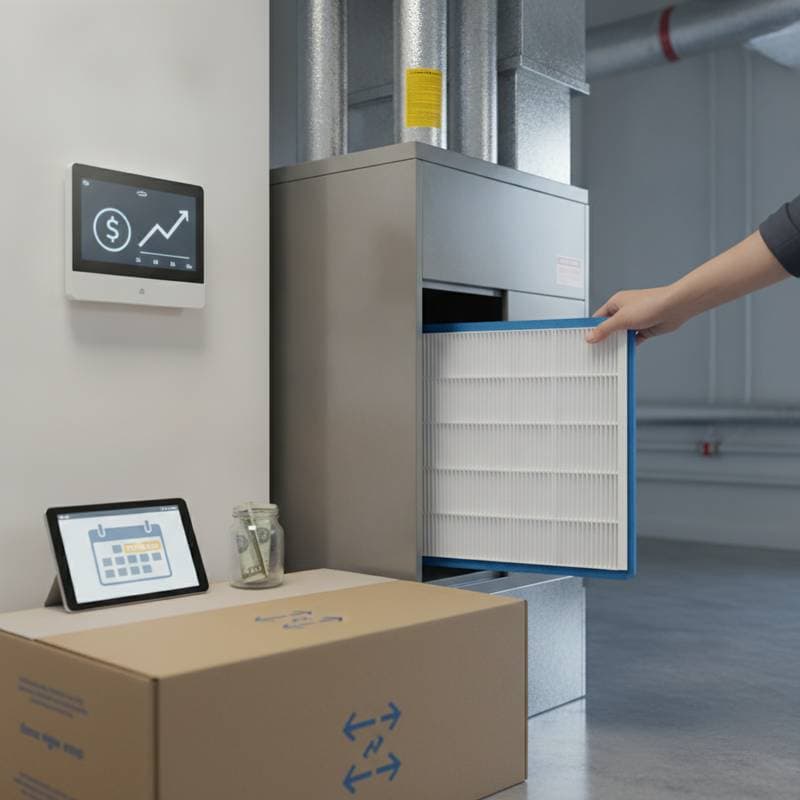
- Perform filter replacements and vent cleaning to bolster air quality.
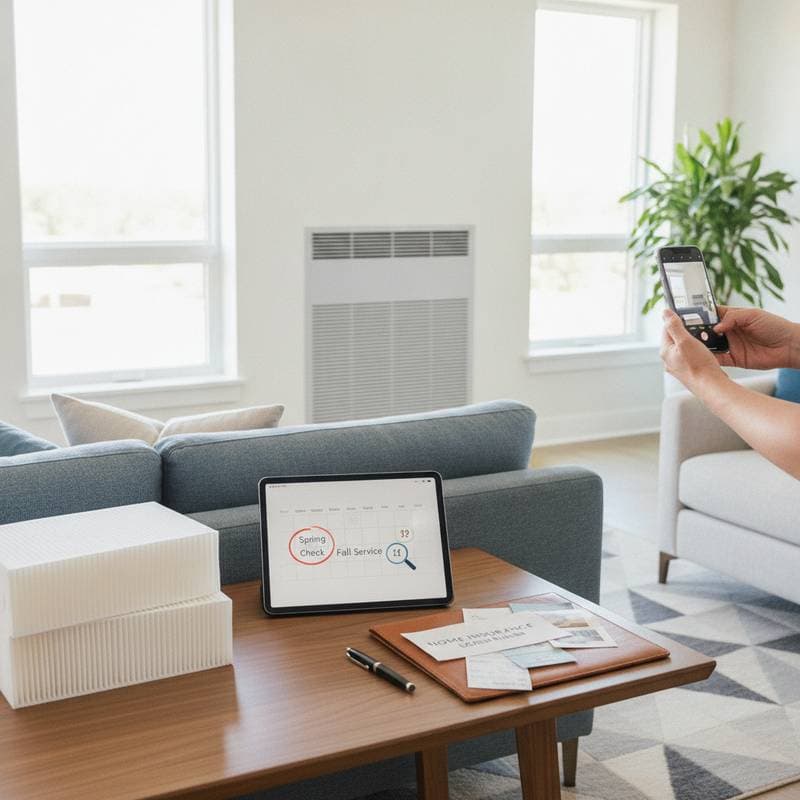
- Arrange periodic evaluations to monitor performance.
Responsibilities for Professionals
- Securely affix UV-C LEDs within the HVAC framework.
- Manage electrical wiring and power integration.
- Optimize light positioning to maximize pathogen exposure.
- Conduct operational tests to affirm safety and efficacy.
Step-by-Step UV-C LED HVAC Installation Procedure
- Initial Evaluation: The technician assesses the existing HVAC configuration and determines optimal placement sites.
- System Selection: Choose among in-duct, coil-specific, or integrated options aligned with specific requirements.
- Site Preparation: Power sources deactivate, and relevant ductwork or handler sections access.
- Component Mounting: LEDs affix firmly and link to the power supply.
- Performance Verification: Post-installation testing confirms light output, coverage extent, and operational safety.
- Ongoing Care Instructions: Guidance provided on cleaning schedules and component replacement intervals.
Common Inquiries About UV-C LED HVAC Systems
What Level of Effectiveness Do UV-C LED HVAC Systems Achieve in Eliminating Germs?
UV-C LEDs neutralize up to 99 percent of bacteria, viruses, and mold spores passing through the system. Performance hinges on light intensity, exposure duration, and installation precision.
Do UV-C LEDs Function Continuously or Solely During HVAC Operation?
Most UV-C LEDs activate with the HVAC fan. Certain models support uninterrupted operation. Consultation with a professional aids in selecting the appropriate configuration.
Do UV-C LED Systems Present Risks to Humans or Animals?
Properly installed within the HVAC unit, UV-C LEDs present no hazards to occupants or pets. The light remains confined and does not enter living spaces.
What Is the Expected Lifespan of UV-C LEDs?
Quality UV-C LEDs endure for several years prior to replacement. Duration varies with usage frequency and producer guidelines.
Can UV-C LED Systems Eliminate Dust and Allergens?
These systems target biological contaminants exclusively. For superior results against dust and particulates, combine with high-efficiency filtration.
Achieving Superior Indoor Air Quality
Adopting a UV-C LED HVAC system enhances home freshness, alleviates allergy concerns, and curbs airborne disease transmission. Professional setup and routine upkeep maximize outcomes. To secure these advantages for your household, consult an HVAC specialist regarding UV-C LED integration.