How UV-C Purifiers Neutralize 89% of Viruses and Fuel the Air Purification Surge
The Rising Need for UV-C Air Purifiers
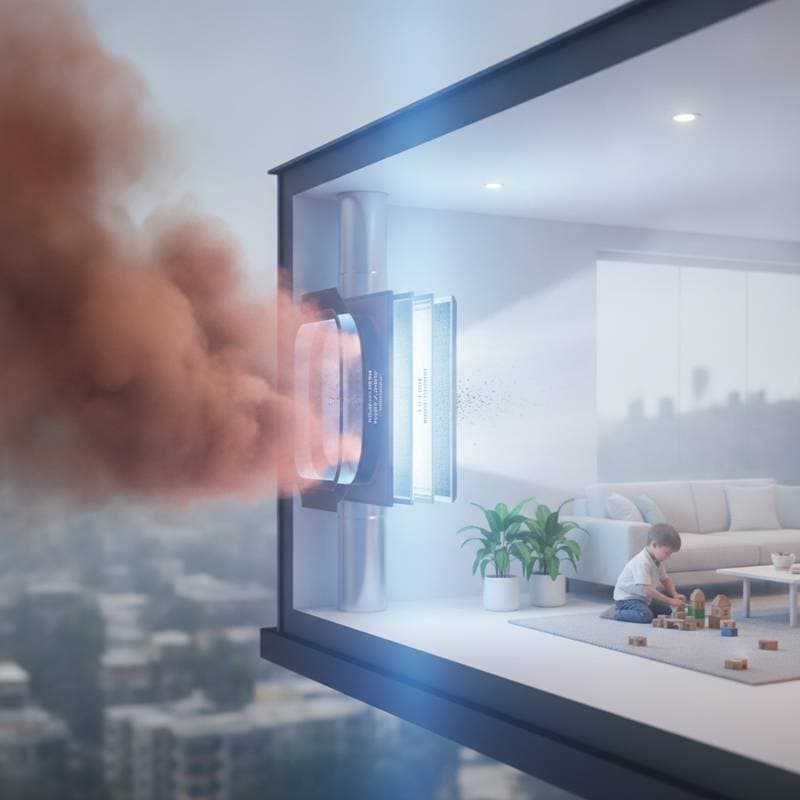
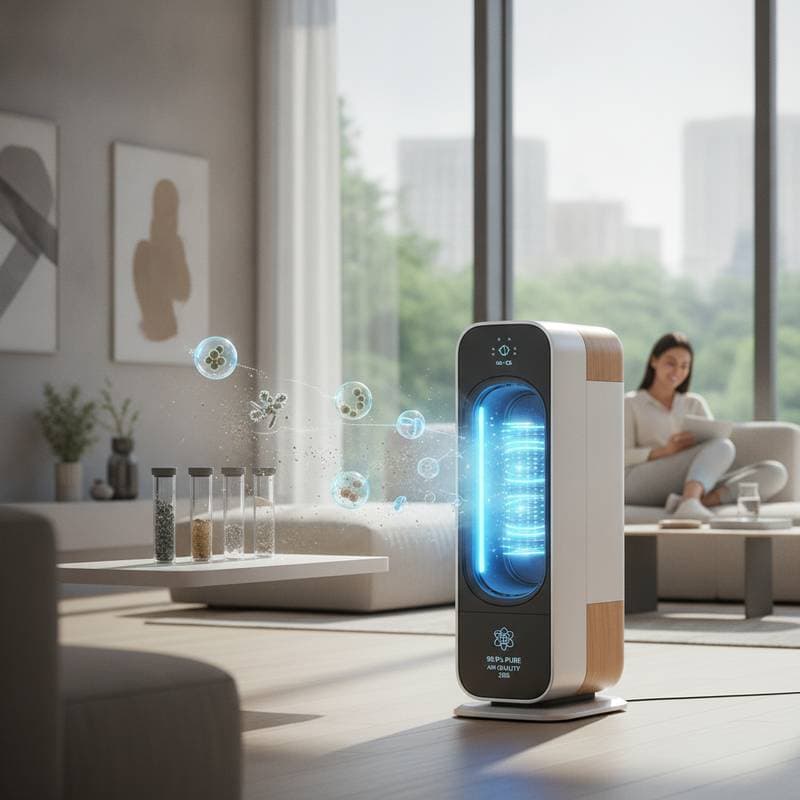
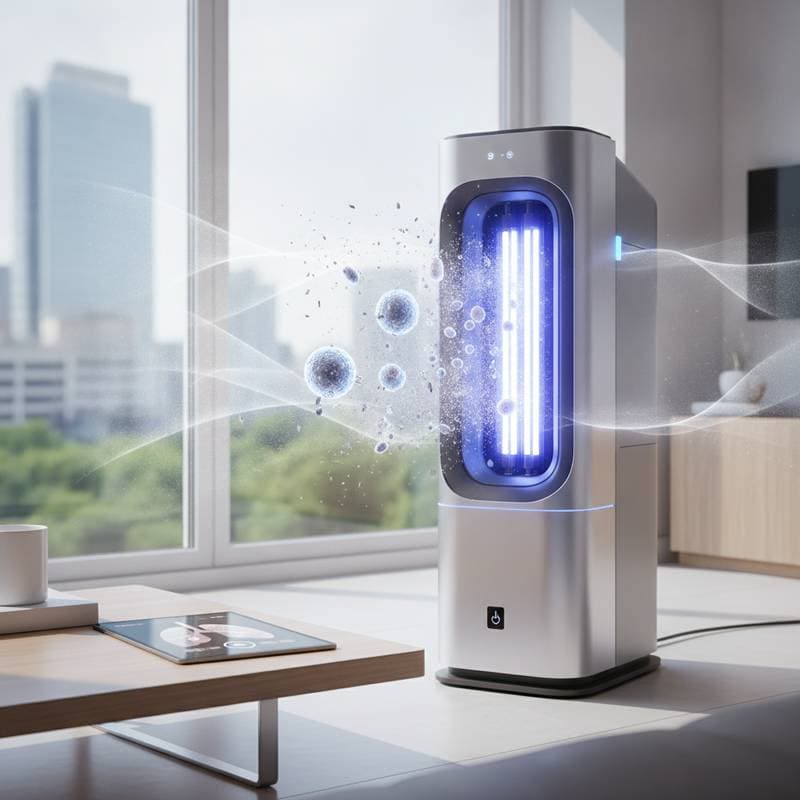
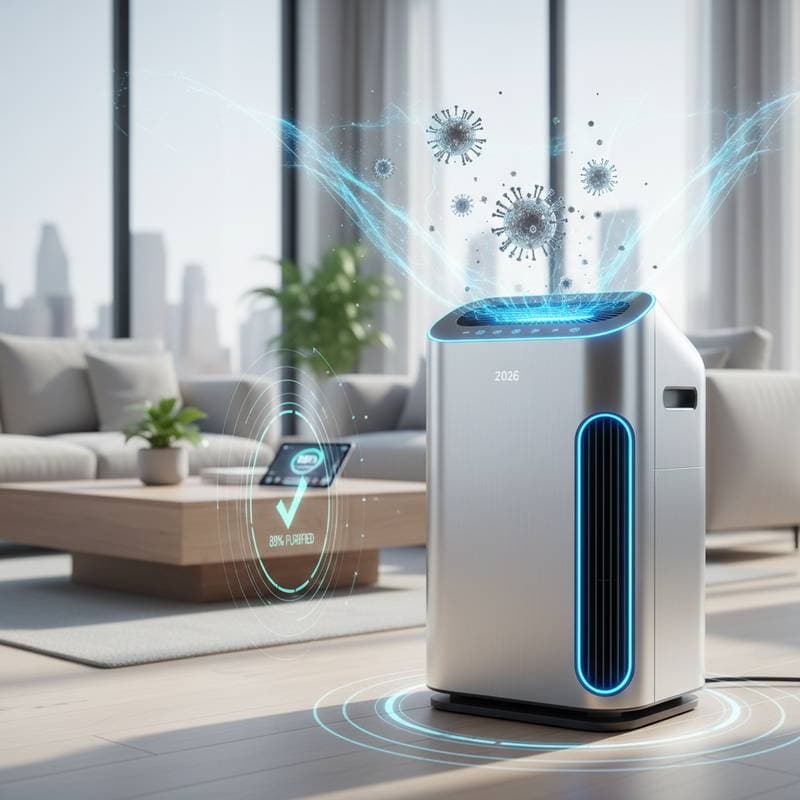
Homeowners and businesses increasingly prioritize indoor air quality amid concerns over airborne pathogens, allergens, and pollutants. UV-C air purifiers stand out as a leading solution, harnessing ultraviolet light in the C-band spectrum to inactivate viruses, bacteria, and mold spores. Select models achieve an 89% or greater inactivation rate against viruses, positioning them as essential tools for fostering healthier indoor spaces.
This guide details the mechanics of UV-C purifiers, their pricing structure, elements that impact efficacy, and strategies for selection. It also provides guidance on installation, upkeep, and essential inquiries for professionals to facilitate informed choices.
Costs Associated with UV-C Air Purifier Installation
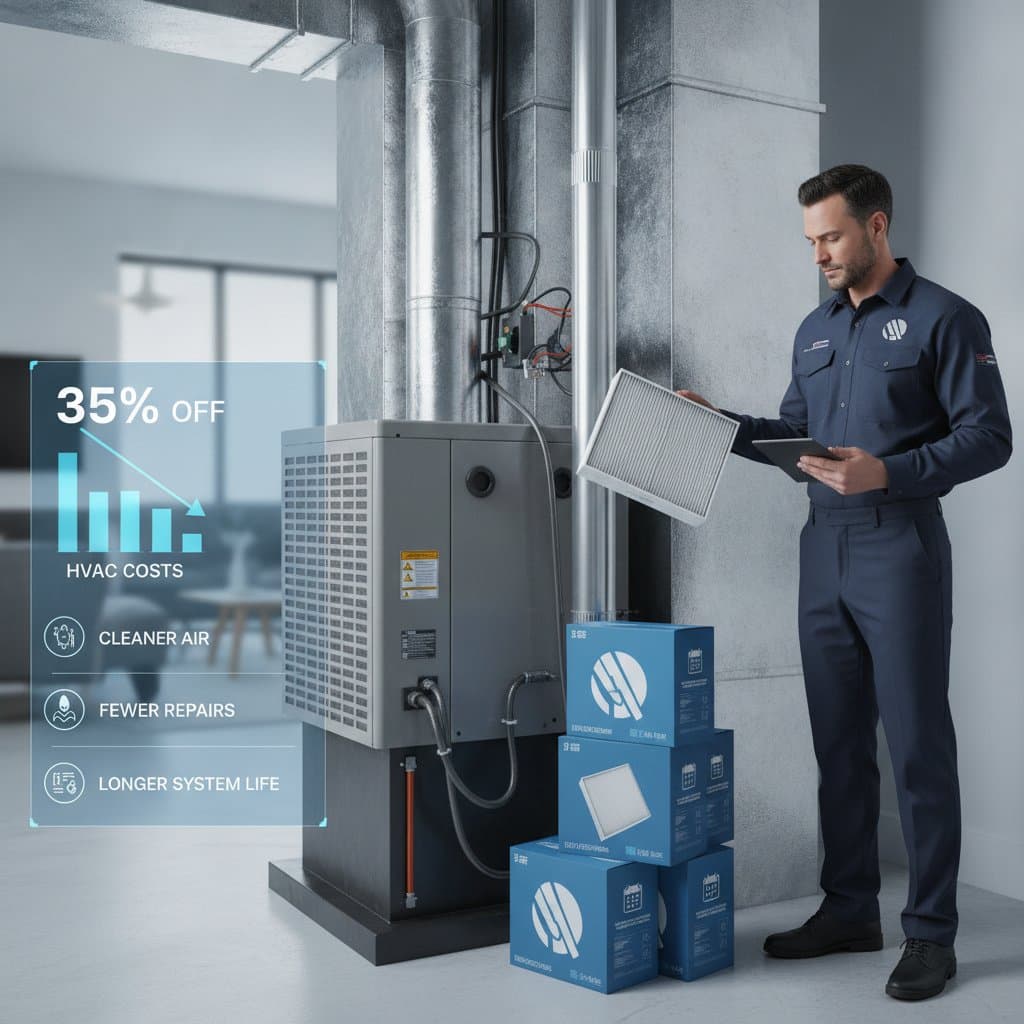
Experts recommend professional installation for UV-C systems integrated into HVAC setups. Installation expenses typically span $150 to $500, varying by system intricacy and site accessibility. Portable models demand only basic setup without specialized labor.
| Installation Type | Estimated Cost | Description |
|---|---|---|
| DIY (Portable Unit) | $0 | Simple plug-in and assembly process |
| HVAC Duct Installation | $150 – $350 | Securing the UV lamp inside the air handler or ducts |
| Full-System Integration | $350 – $500 | Encompassing wiring, safety mechanisms, and calibration by specialists |
Qualified HVAC professionals position the unit optimally within ducts to optimize air exposure while safeguarding components from UV degradation.
Key Factors Influencing UV-C Purifier Costs and Effectiveness
Multiple variables shape the expense and performance of UV-C air purifiers. Grasping these enables buyers to select options that align with their needs and budget.
1. System Capacity and Coverage
Homes of greater size necessitate robust units. Portable variants handle several hundred square feet, while whole-home integrations treat thousands of cubic feet via ductwork.
2. UV Lamp Power and Air Exposure Duration
The intensity of the UV-C emission and the duration of air contact dictate inactivation levels. Units featuring potent lamps or extended exposure zones yield superior pathogen control.
3. Construction Materials
Superior models incorporate quartz lamps and durable metal enclosures that withstand thermal stress and sustain UV output. Inferior plastic elements deteriorate quickly, demanding earlier replacements.
4. Installation Demands
Inaccessible ducts or multi-zone HVAC configurations elevate labor expenses. A professional evaluation guarantees precise positioning for optimal germicidal action.
5. Upkeep and Lamp Renewal
UV-C lamps generally require annual substitution. Neglecting this diminishes performance, though costs stay reasonable with routine care.
6. Supplementary Capabilities
Certain purifiers feature air quality sensors, programmable timers, or combined filtration. These enhancements boost usability and purification but elevate upfront investment.
7. Power Usage
Efficient designs draw little electricity, whereas high-intensity or legacy models may marginally raise utility expenses. Reviewing wattage specifications aids in projecting ongoing costs.
Frequently Asked Questions About UV-C Air Purifiers
How Long Do UV-C Bulbs Remain Effective?
UV-C bulbs maintain strong performance for 9,000 to 12,000 hours until output wanes. Visible illumination persists, yet germicidal efficacy fades gradually. Annual replacement preserves reliable disinfection.
Do UV-C Air Purifiers Pose Safety Risks?
Proper installation renders them safe. Enclosures within the purifier or HVAC prevent human or pet exposure to UV-C rays. Avoid direct viewing of exposed lamps or handling energized units.
Can UV-C Purifiers Capture Dust or Pollen?
UV-C targets microbes rather than capturing particulates. Pairing with HEPA filters achieves microbial inactivation alongside particle removal for thorough air treatment.
Do UV-C Lights Neutralize Odors?
They address odors from microbial sources like mold or bacteria. Chemical or smoke odors persist without additional filters, such as activated carbon, for broader control.
What Is the Recommended Service Frequency for UV-C Systems?
Annual servicing suffices, involving bulb exchange, enclosure cleaning, and electrical checks. This regimen upholds efficiency and averts HVAC damage.
Will a UV-C Purifier Raise Energy Expenses?
Power draw mirrors that of a standard light bulb, resulting in negligible impact on bills. Continuous operation in whole-home setups incurs minimal additional costs.
Are UV-C Systems Effective Against All Viruses?
UV-C inactivates most prevalent airborne viruses and bacteria, though complete elimination varies. Integrating with ventilation and filtration maximizes protective outcomes.
Evaluating UV-C Purifier Types
Various UV-C configurations address specific requirements. The following table outlines primary types, their applications, advantages, and constraints.
| System Type | Ideal Application | Key Advantages | Potential Drawbacks |
|---|---|---|---|
| Portable UV-C Purifier | Compact rooms or offices | Straightforward setup and lower price | Restricted area coverage |
| In-Duct UV-C Lamp | Complete home HVAC | Ongoing air treatment | Demands expert installation |
| Coil Sterilization Lamp | HVAC coil mold prevention | Inhibits biofilm formation | Limited to stationary purification |
| Hybrid UV-C + HEPA Unit | Homes with allergies | Merges particle capture and microbial kill | Elevated purchase price |
Choice hinges on property dimensions, purification objectives, and compatibility with current infrastructure.
Health and Environmental Benefits of UV-C Purification
UV-C technology promotes sustainability by avoiding chemicals and generating no residues. Unlike ozone-producing devices that may irritate respiratory systems, enclosed UV-C operates without such risks. It mitigates airborne triggers for asthma, allergies, and breathing issues.
Those committed to eco-friendly practices value how UV-C prolongs HVAC longevity. Cleaner coils and ducts enhance operational efficiency, yielding energy savings over years.
Securing Quotes for UV-C Air Purifiers
Essential Questions for Installers
Prior to commitment, pose these queries to contractors for assurance on fit, safety, and value.
- Which UV-C configuration suits my current HVAC?
- What placement maximizes the lamp's impact?
- Does it incorporate exposure safeguards like interlocks?
- What upkeep routine do you suggest?
- How frequently must bulbs change, and at what expense?
- Are rebates or efficiency incentives accessible?
- Does installation influence my HVAC warranty?
- What qualifications does your team hold for UV-C?
- How much time does the process require?
- What warranties apply to equipment and work?
Soliciting several estimates clarifies variations in costs, protections, and expertise.
Sustaining UV-C Purifier Performance
Post-installation, UV-C units need little intervention beyond scheduled cleanings and bulb swaps. Systems with sensors allow ongoing air quality tracking via smart interfaces. For HVAC-integrated models, align inspections with seasonal HVAC tune-ups to ensure seamless function.
Complementing UV-C with consistent filter replacements and ventilation practices yields sustained clean air. As knowledge of airborne risks expands, UV-C purifiers prove indispensable for secure, healthful environments in residences and commercial settings.