UV-C Purifiers: Essential for Mold-Free Indoor Air in 2026
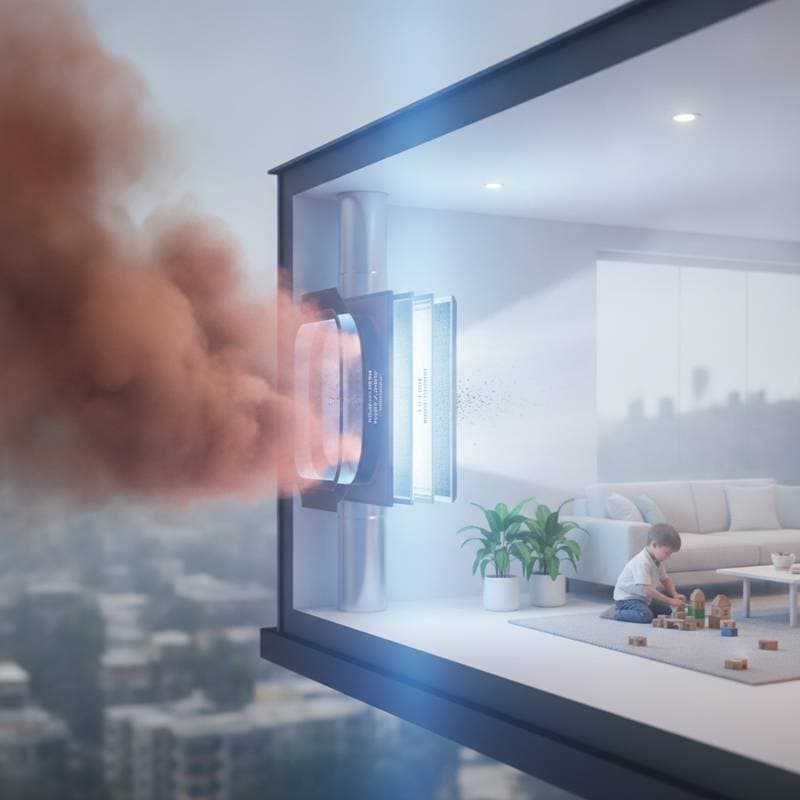
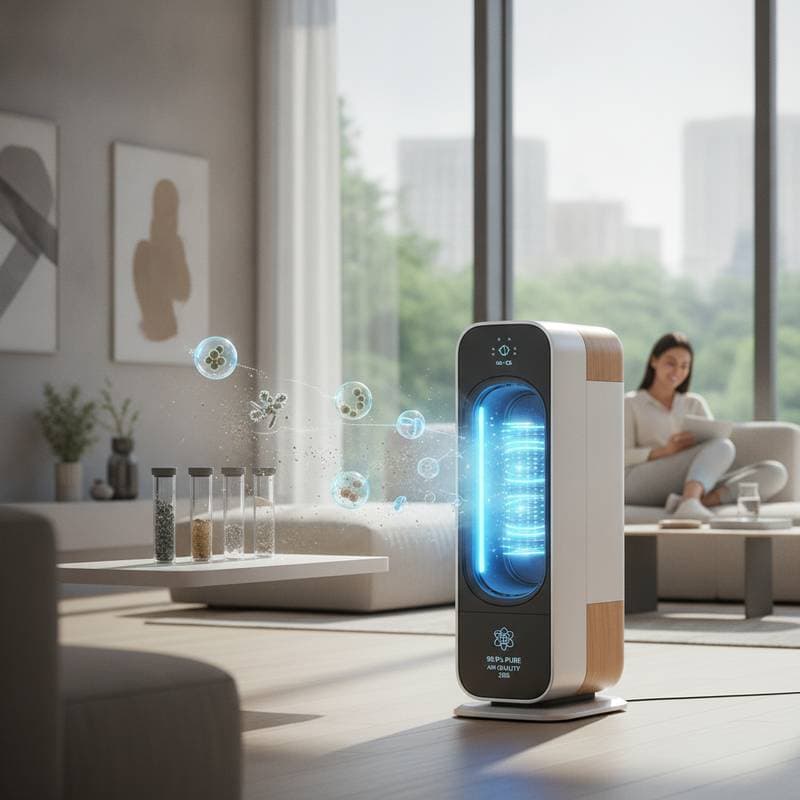
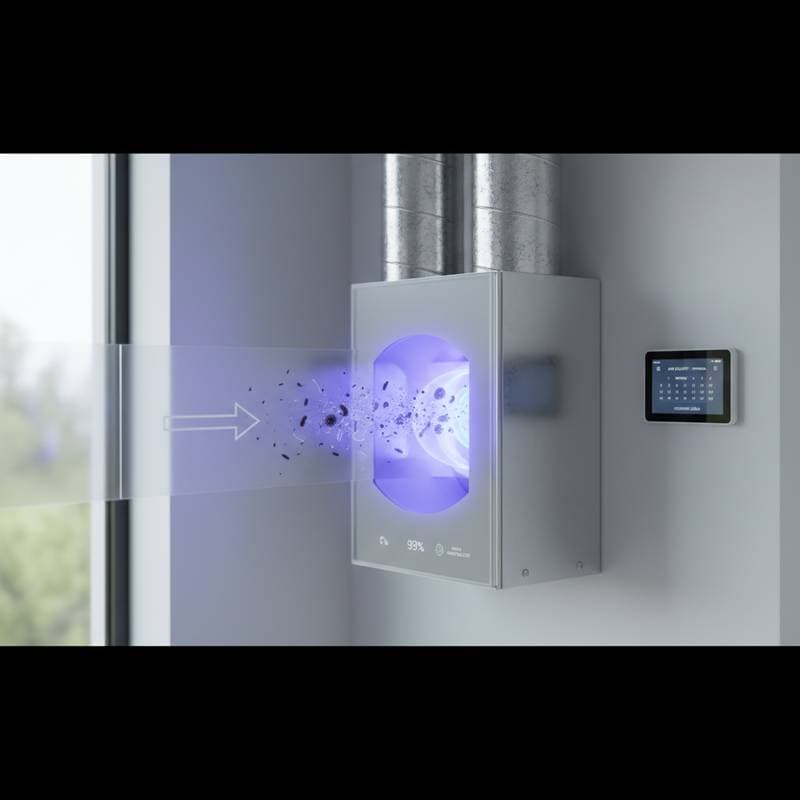
Homeowners seeking superior indoor air quality and robust defense against mold proliferation find UV-C air purifiers among the top solutions. These devices employ ultraviolet light to deactivate mold spores, bacteria, and viruses prior to their distribution throughout living spaces. This guide details the mechanics of UV-C purifiers, associated costs, performance influencers, and their growing importance for maintaining healthy home environments.
| Item | Key Information |
|---|---|
| Average Installed Cost | $400 - $1,000 |
| Typical Price Range | $500 - $900 |
| Maintenance Cost | $100 - $200 per year |
| Mold Removal Efficiency | Up to 99% of airborne spores |
| Ideal Use | Integrated with HVAC systems for whole-home protection |
Understanding UV-C Air Purifier Costs
Most homeowners allocate between $500 and $900 for the installation of a UV-C air purifier. This figure varies based on the configuration and integration method, such as incorporation into an existing HVAC setup or deployment as an independent unit.
- In-duct UV-C systems: Range from $400 to $1,000, encompassing professional installation.
- Standalone UV-C units: Span $250 to $700, influenced by capacity and manufacturer.
- Commercial-grade UV-C systems: Start at $1,200, suited for expansive properties.
Although an initial expenditure is required, UV-C purifiers frequently lower ongoing expenses by maintaining cleaner HVAC coils and inhibiting mold accumulation within ductwork.
Factors Influencing UV-C Purifier Pricing
Multiple elements determine the total expense of a UV-C purification installation. Grasping these components enables informed budgeting and selection of an appropriate system for residential needs.
System Type and Capacity
Properties with greater square footage or multi-zone HVAC arrangements demand stronger UV-C components or additional lamps to address all airflow routes. A basic single-lamp unit often meets the requirements of compact systems, whereas expansive residences gain from dual-lamp configurations or distributed units.
Bulb Quality and Durability
UV-C lamps differ in construction and longevity. Superior models endure up to two years of service, compared to standard variants that necessitate yearly substitution. Investing in premium bulbs elevates initial costs yet minimizes replacement intervals and operational interruptions.
Installation Demands
Older HVAC infrastructures or those with restricted duct access can prolong setup time and elevate labor charges. Residences equipped with modern, readily accessible systems generally incur lower installation fees.
Manufacturer and Warranty Options
Reputable HVAC producers offering prolonged warranties or seamless system integration command higher prices at outset. Opting for established brands ensures enhanced dependability over time and safeguards against early malfunctions.
Configurations of UV-C Air Purification Systems
UV-C purifiers manifest in diverse forms, each tailored to particular domestic applications.
-
In-Duct UV-C Systems
-
Pros: Processes all incoming air, conceals within infrastructure, generates negligible sound.
-
Cons: Demands expert setup, involves routine bulb exchanges.
-
Coil Sterilization UV-C Lights
-
Pros: Inhibits mold on evaporator coils, elevates HVAC performance, requires minimal upkeep.
-
Cons: Focuses solely on coil safeguarding, bypasses direct room air treatment.
-
Standalone UV-C Air Purifiers
-
Pros: Mobile design, straightforward placement, optimal for isolated room applications.
-
Cons: Restricted scope, lacks central HVAC integration.
-
Hybrid UV-C and HEPA Systems
-
Pros: Merges physical filtration with UV-C disinfection for comprehensive purification.
-
Cons: Involves elevated pricing, demands more regular filter servicing.
Indicators for Installing a UV-C Air Purifier
Mold development and suboptimal air conditions often progress undetected, yet distinct signals suggest the value of a UV-C purifier.
- Lingering musty smells emanating from rooms or ventilation outlets.
- Observable mold near air vents or inside duct interiors.
- Recurrent indoor allergy or asthma episodes.
- Accelerated dust accumulation on furnishings despite diligent housekeeping.
- Moisture or condensation near HVAC elements.
Presence of these cues implies potential mold or bacterial presence within the air system. A UV-C purifier halts dissemination and averts future occurrences.
Steps in UV-C Purifier Installation
Expert installation guarantees secure and optimal functionality. The process unfolds as follows:
- System Evaluation: Technicians assess the HVAC framework to pinpoint ideal lamp positioning.
- Lamp Installation: Secure the lamp adjacent to the evaporator coil or within the return duct for peak exposure.
- Power Integration: Connect the device to the HVAC electrical network for coordinated activation.
- Verification and Adjustment: Conduct tests to validate UV output and air circulation efficacy.
- Upkeep Instructions: Receive details on bulb renewal schedules and maintenance routines.
Accurate placement directs UV-C illumination toward vulnerable zones prone to spore growth.
Labor Expenses for UV-C Purifiers
Installation labor generally falls between $100 and $300, contingent on complexity and access ease.
- Basic in-duct systems: Approximately $150.
- Multi-lamp or coil-focused systems: Reach $300.
- Standalone units: Frequently self-contained, eliminating labor needs.
Engaging a licensed HVAC professional assures compliance, precise connections, and effective positioning, all of which enhance purification outcomes.
Frequently Asked Questions About UV-C Air Purifiers
How does UV-C light eliminate mold and bacteria?
UV-C radiation damages the genetic material of microbes, halting reproduction. As air traverses the purifier, the light swiftly deactivates mold spores, bacteria, and viruses, resulting in purified circulation throughout the residence.
Are UV-C purifiers safe for occupants and pets?
Yes, provided proper installation within the HVAC confines. The UV-C emission stays enclosed in ducts, preventing exposure to humans or animals.
How frequently must UV-C bulbs be replaced?
Bulbs typically endure one to two years, varying with operation intensity and construction. Timely substitution preserves full germicidal potency.
Can UV-C purifiers capture dust or pet dander?
No, UV-C addresses biological threats exclusively. For particle removal, integrate with advanced filters or HEPA units to intercept allergens.
Do UV-C systems perform in humid environments?
Yes, UV-C effectively combats microbes irrespective of humidity levels, as it directly neutralizes pathogens. Pairing with humidity control measures amplifies overall efficacy in moist settings.
Is a UV-C purifier a worthwhile investment?
Indeed, considering health improvements, HVAC efficiency gains, and diminished long-term repair costs. The upfront cost yields substantial returns through cleaner air and preventive maintenance.
Optimizing Long-Term UV-C Purifier Performance
To maximize the lifespan and effectiveness of your UV-C system, adhere to a structured maintenance plan. Annually inspect bulbs for degradation and replace them as recommended by the manufacturer to sustain optimal UV output. Clean surrounding HVAC components quarterly to prevent dust interference with light exposure. Monitor system performance through air quality tests, and consult professionals for any detected irregularities. These practices ensure continuous protection, energy savings, and a healthier living environment for years ahead.