UV-C Purification: The Emerging Standard for HVAC Systems
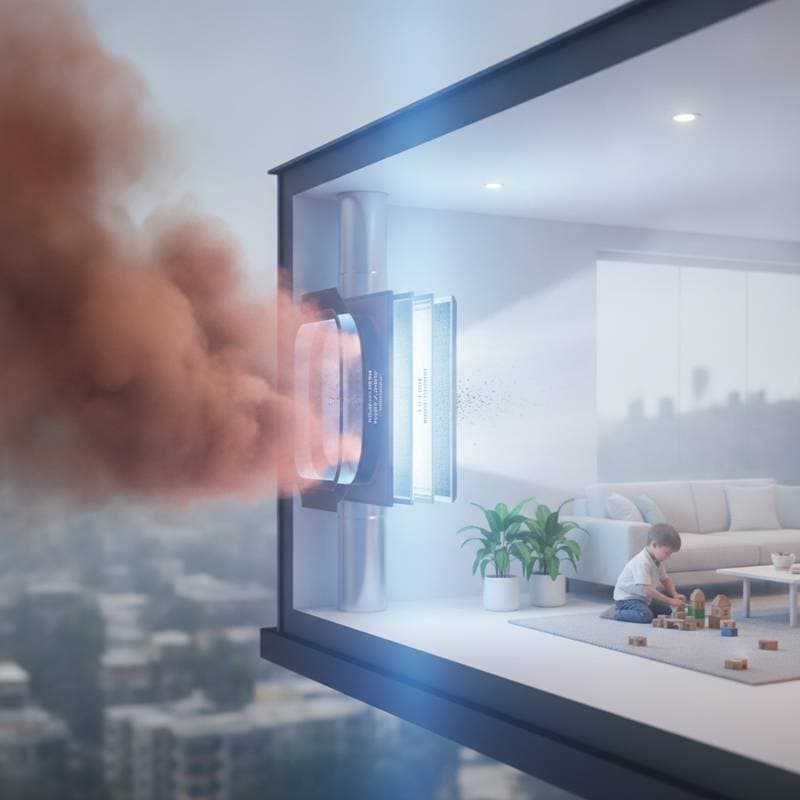
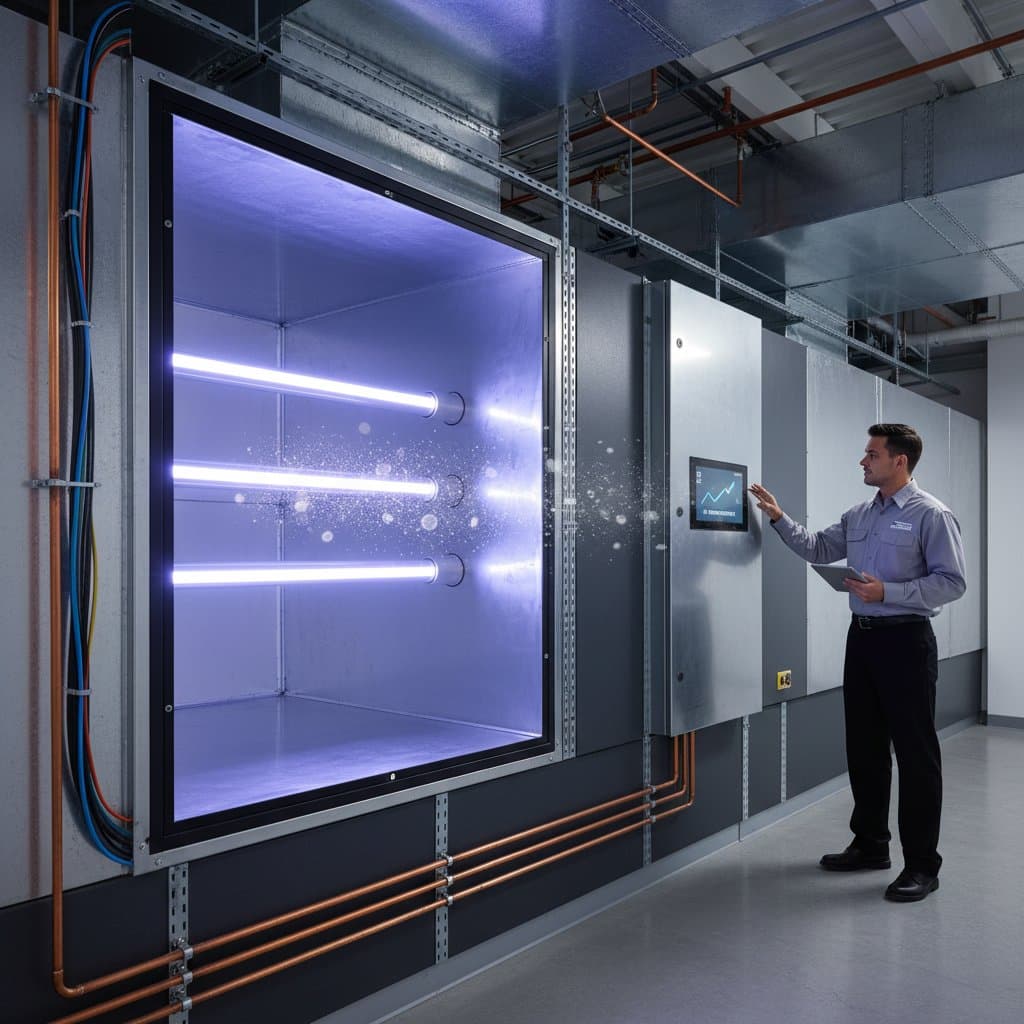
UV-C purification emerges as the leading method for sanitizing indoor air within contemporary HVAC systems. This technology employs short-wave ultraviolet light to deactivate airborne pathogens, mold spores, and bacteria at the source, whether in ductwork or the air handler. Homeowners increasingly adopt UV-C solutions for their ability to deliver purer air, alleviate allergens, and optimize system performance. The following sections detail the mechanics of UV-C purification, associated expenses, and reasons it will likely integrate as a standard component in upcoming HVAC designs.
| Feature | Average Range |
|---|---|
| UV-C Light Installation Cost | $400 - $900 |
| Maintenance Cost (Annual) | $100 - $200 |
| Expected Bulb Lifespan | 9,000 - 12,000 hours |
| Energy Usage | Minimal (similar to a standard light bulb) |
| Key Benefit | Kills up to 99% of airborne microbes |
Typical Costs for UV-C Purification Systems
Installation expenses for a UV-C purification system vary based on type, system scale, and positioning within the HVAC setup.
Coil UV lights generally cost between $400 and $700 once installed. These units target the evaporator coil to prevent mold and biofilm accumulation.
Air purifier UV lights fall in the $600 to $900 range for installation. Such systems process air moving through ducts, diminishing viruses, bacteria, and allergens.
Dual system configurations, which merge coil and air treatment for comprehensive protection, range from $900 to $1,400.
Ongoing maintenance proves economical, primarily involving bulb replacement every one to two years alongside inspections during annual HVAC servicing.
Elements Influencing UV-C Purification Expenses
Multiple variables determine the final price of a UV-C purification system. Grasping these elements enables better budgeting.
System Type and Coverage Area
Larger residences or commercial spaces demand robust bulbs and additional mounting sites. These requirements elevate both material and labor expenditures.
Brand and Quality
Established brands incorporate premium quartz glass and durable ballasts to prolong bulb longevity. Initial investments in superior products yield greater dependability over time.
Installation Access
Restricted access to the air handler or coil extends labor duration. Potential duct modifications further increment the overall expense modestly.
Energy Efficiency
UV-C bulbs draw negligible power, yet models optimized for nonstop use carry a higher starting price. These selections offset costs through reduced energy bills in the long term.
Varieties of UV-C Purification Systems
Several UV-C system options suit different homeowner needs, each offering distinct advantages.
-
Coil Sterilization Lights
-
Pros: Inhibits mold and microbial deposits on coils, thereby boosting system efficiency.
-
Cons: Restricts action to coil surfaces, omitting broader air treatment.
-
Air Sterilization Lights
-
Pros: Purifies air across the entire duct network, curbing airborne contaminants.
-
Cons: Demands accurate positioning to achieve peak performance.
-
Portable UV-C Purifiers
-
Pros: Simplifies setup, ideal for individual rooms or compact areas.
-
Cons: Lacks integration with central HVAC circulation.
-
Hybrid Systems
-
Pros: Merges coil and air functions for thorough sanitization.
-
Cons: Involves elevated upfront costs.
Indicators That Suggest UV-C Purification Necessity
Consider installing UV-C purification if these issues persist:
- Allergy symptoms endure despite consistent filter replacements.
- Musty or damp smells emanate from vents.
- Mold appears visibly on the HVAC coil or drain pan.
- Recurrent illnesses or breathing discomfort affect household members.
- Dust accumulates on furnishings post-cleaning.
Steps in the UV-C Installation Procedure
Professional installation follows a structured sequence to ensure reliability.
- Assessment: Technicians inspect duct configuration and coil placement.
- System Selection: They select the suitable UV-C lamp model and dimensions matched to the HVAC setup.
- Installation: The device secures near the coil or within ducts, connected to electrical supply.
- Testing: Functionality and safety protocols undergo verification.
- Maintenance Guidance: Instructions cover performance monitoring and bulb replacement timing.
Labor for UV-C installation typically adds $200 to $500 to the total, depending on complexity and location. This covers assessment, mounting, wiring, and testing by certified technicians.
Common Questions on UV-C Purification
Does UV-C light eliminate air odors?
UV-C systems neutralize odors stemming from microbial proliferation in ducts or coils. Pairing with activated carbon filters enhances outcomes for intense smells.
Can UV-C harm HVAC parts?
Proper professional installation prevents damage to components. Bulbs position to shield sensitive plastics from direct light.
How frequently must UV-C bulbs replace?
Bulbs endure 9,000 to 12,000 hours, translating to one or two years of steady operation. Replacements occur during standard service appointments.
Is UV-C safe around family and pets?
The system confines light inside the HVAC, avoiding exposure to occupants or animals.
Does UV-C enhance HVAC efficiency?
Clean coils free of biofilm promote better airflow and heat exchange, modestly lowering energy use.
Steps to Secure Cleaner Indoor Air
Evaluate your current HVAC performance against the signs outlined earlier. Consult a qualified technician to assess UV-C compatibility and obtain a personalized quote. Implementing this technology not only elevates air quality but also extends system lifespan, fostering a healthier home environment.