Introduction to UV-C Air Purification
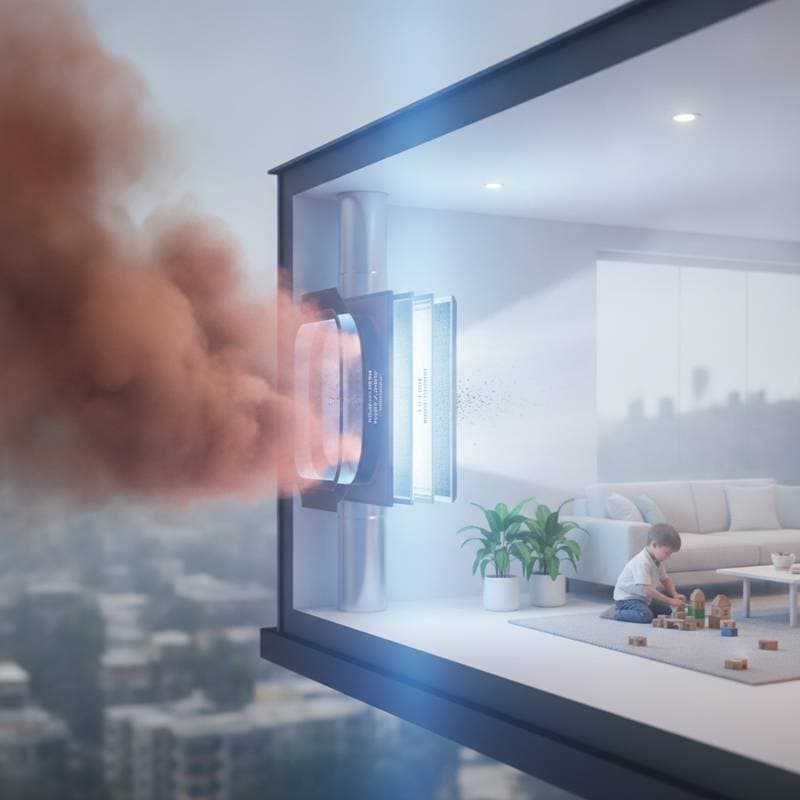
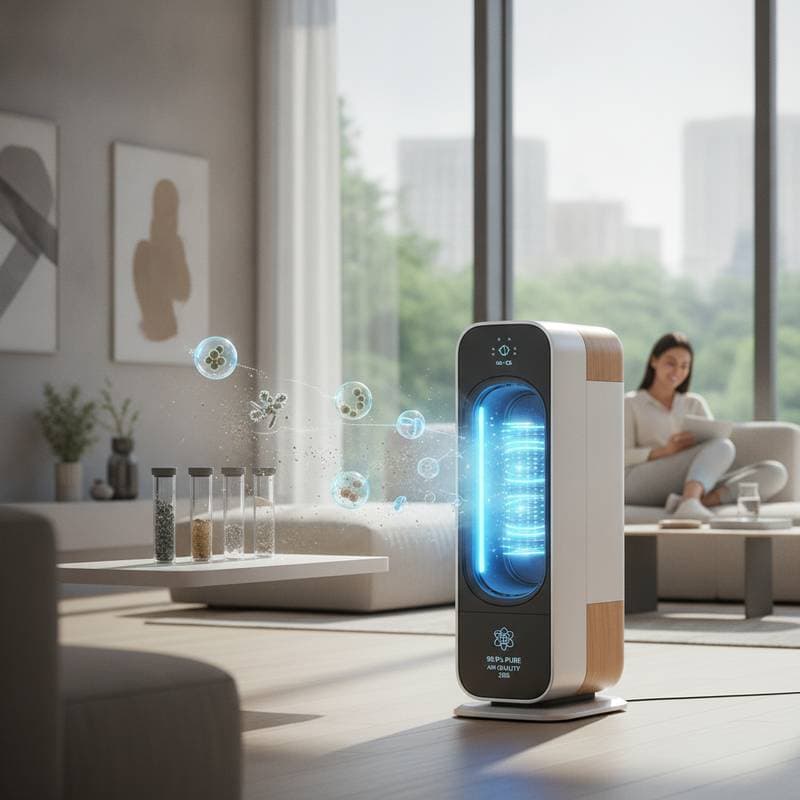
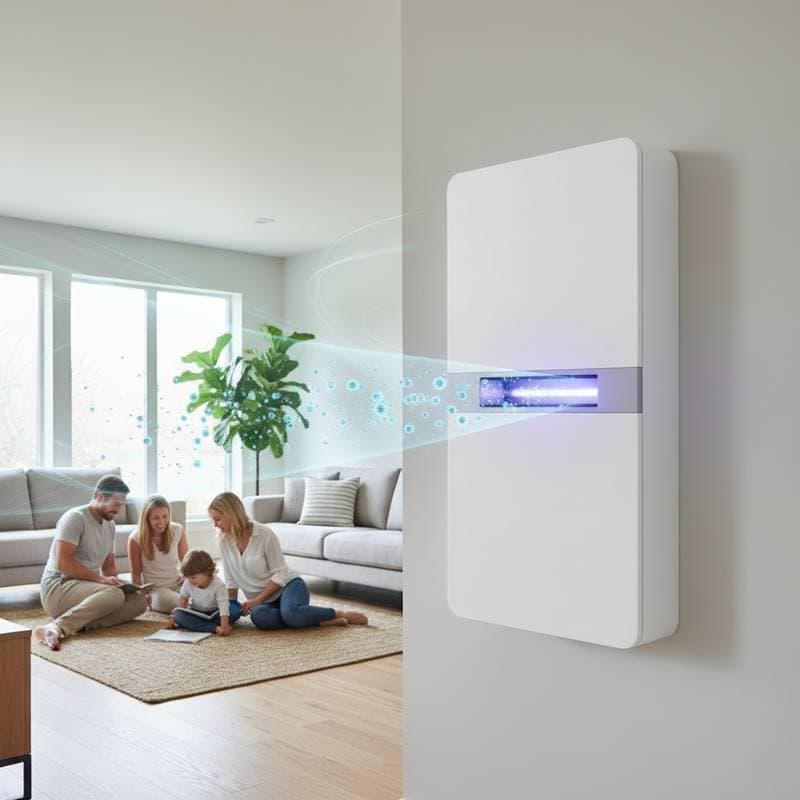
Indoor air quality affects health and comfort daily. Traditional filters capture larger particles like dust and pollen, yet they often fail to address microscopic threats such as viruses, bacteria, and mold spores. UV-C light emerges as a targeted solution, directly inactivating these pathogens without depending on physical barriers.
This technology gains traction amid rising awareness of airborne contaminants. Homeowners seek reliable methods to safeguard families, particularly in enclosed spaces. UV-C systems integrate seamlessly into existing HVAC setups, offering continuous disinfection as air circulates.
How UV-C Technology Functions
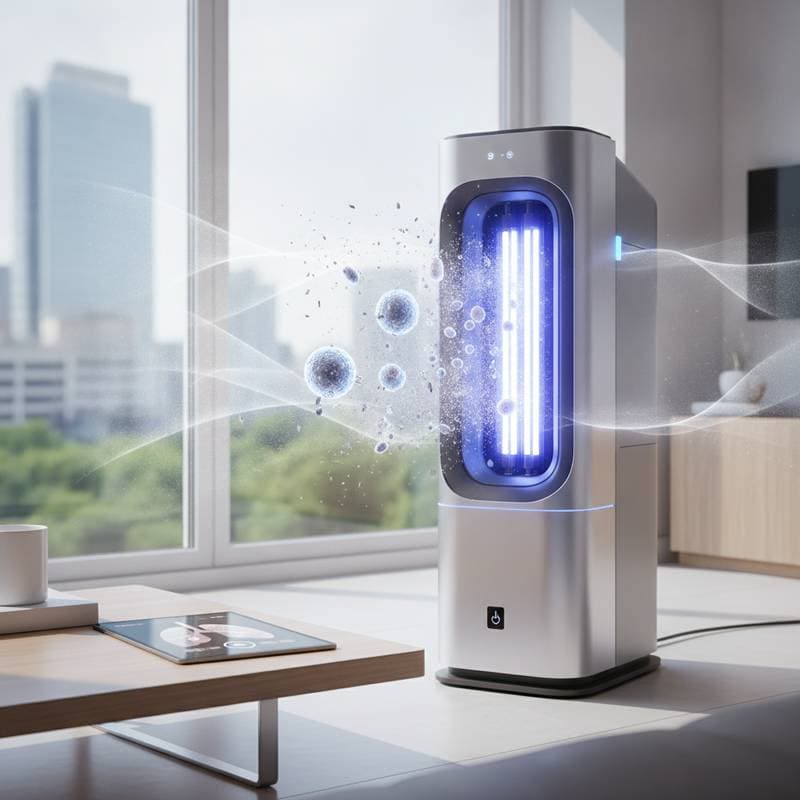
UV-C light operates at wavelengths between 200 and 280 nanometers, disrupting the DNA and RNA of microorganisms. Exposure renders pathogens unable to reproduce, effectively neutralizing them mid-air. Unlike chemical treatments, this process leaves no residues, maintaining air purity without additional byproducts.
In residential applications, UV-C lamps position within HVAC ducts or air handlers. As the blower fan activates, air passes over the light source, ensuring broad exposure. Systems activate automatically with airflow, providing consistent protection during heating, cooling, or ventilation cycles.
Advanced models incorporate sensors to monitor intensity and alert users to maintenance needs. This ensures sustained efficacy, as bulb output diminishes gradually over time. Integration with smart home platforms allows remote monitoring, further simplifying upkeep.
Key Benefits for Homeowners
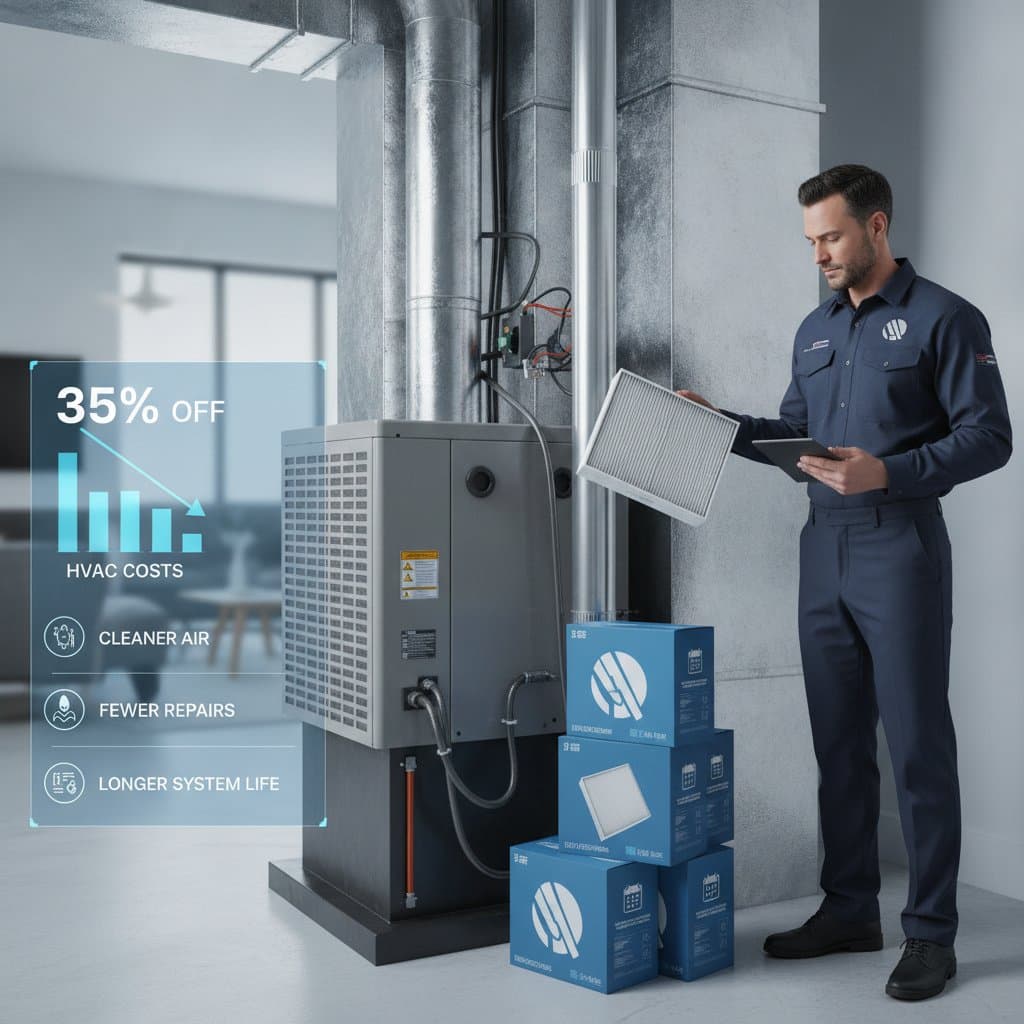
UV-C purifiers extend beyond basic filtration by tackling invisible hazards. They reduce the spread of illnesses, minimize mold growth on coils, and extend HVAC component life by preventing microbial buildup. Cleaner coils improve system efficiency, potentially lowering energy bills.
Health advantages include fewer respiratory issues and allergy flare-ups. Families with vulnerable members, such as children or elderly individuals, benefit most from this proactive defense. The technology supports overall wellness by creating a fresher, safer living space.
Market growth reflects these merits, with the UV-C sector projected to expand significantly. Homeowners report noticeable improvements in air quality, underscoring the value of this investment for long-term comfort.
Understanding Installation Costs
Budgeting for a UV-C system involves several factors. Initial expenses cover equipment, labor, and potential modifications. Prices range from $300 for basic units to over $1,500 for advanced whole-home installations, depending on home size and complexity.
-
Unit Purchase: Entry-level models start at $200, while high-output systems reach $800. Select based on square footage; larger homes require stronger lamps for adequate coverage.
-
Bulb and Accessories: Initial bulbs cost $50 to $150, with replacements needed annually. Safety enclosures and mounting kits add $100 to $300.
-
System Modifications: Duct adaptations or coil access panels may incur $200 to $500 if your HVAC requires updates.
-
Permits and Inspections: Local regulations might demand fees of $50 to $200, ensuring compliance with electrical and safety codes.
-
Professional Labor: Hiring a certified HVAC technician ensures the system is installed correctly and safely. Labor fees typically range from $300 to $800, varying by location and job duration.
Always obtain a professional assessment before selecting a model. Prices differ by region and contractor, so compare multiple estimates and inquire about warranty terms, which often span 5 to 10 years for components.
UV-C Purifiers Compared to Other Air Cleaning Technologies
Air purification options vary in approach and effectiveness. Evaluating UV-C against alternatives clarifies the ideal setup for specific needs.
HEPA Filters
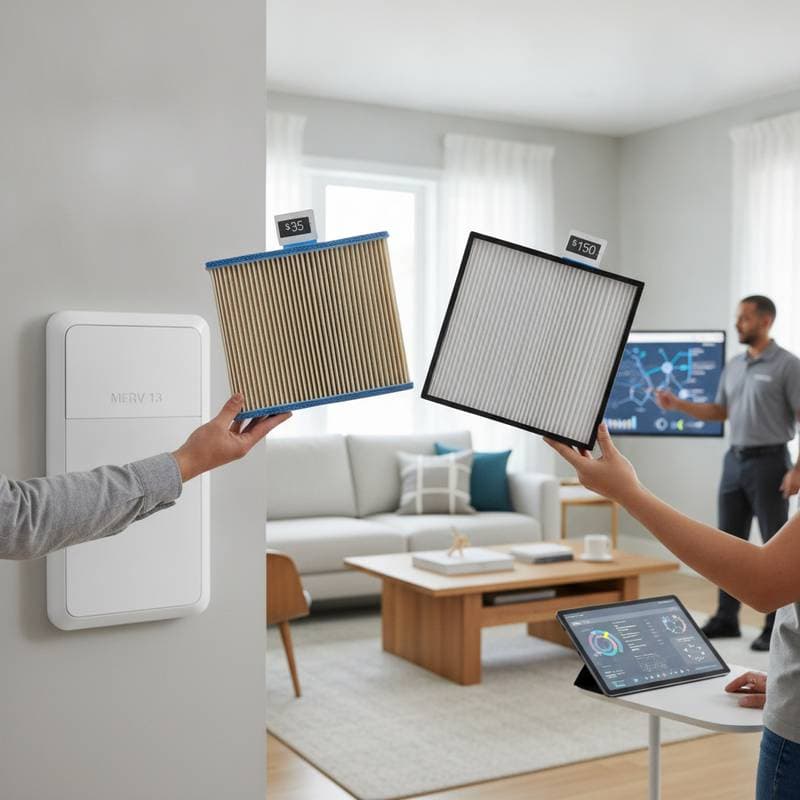
HEPA filters trap particles as small as 0.3 microns, excelling at removing dust, pollen, and pet dander. They physically capture contaminants but do not eliminate live germs, requiring regular replacement to avoid re-release. Pairing HEPA with UV-C creates a robust barrier, where filters collect debris and light disinfects what passes through.
Ionizers
Ionizers release charged ions that bind to pollutants, causing them to settle or stick to surfaces. Certain designs generate ozone, a potential irritant that demands careful selection of low-ozone models. UV-C outperforms ionizers in microbial control, avoiding secondary pollutants while directly destroying pathogens.
Activated Carbon Filters
These filters adsorb odors, volatile organic compounds, and gases through a porous structure. They handle chemical vapors effectively but overlook biological agents like bacteria. Combining activated carbon with UV-C addresses a wider spectrum, neutralizing both smells and microbes for comprehensive purification.
UV-C focuses on disinfection, complementing capture-based methods. A hybrid system delivers layered protection against diverse indoor threats.
DIY Installation Versus Professional Service
Marketing for some UV-C units emphasizes simplicity, yet risks accompany self-installation. Incorrect positioning or electrical connections compromise performance and introduce hazards. UV-C exposure irritates skin and eyes, necessitating secure enclosure to prevent leaks.
Tasks Suitable for Homeowners
- Evaluate HVAC compatibility and select an appropriately sized unit.
- Schedule bulb replacements per manufacturer guidelines, typically every 9,000 hours of operation.
- Wipe external surfaces and follow cleaning protocols to maintain airflow.
Tasks Requiring Expert Handling
- Positioning lamps within ducts or adjacent to evaporator coils.
- Integrating wiring with HVAC power sources and controls.
- Testing sensors for proper activation and ensuring no light escapes during operation.
Engaging a licensed technician safeguards efficiency and compliance, averting damage or health risks.
Steps in Professional Installation
Collaborating with experts streamlines the process and maximizes results. Expect a structured approach tailored to your home.
-
Initial Inspection: The technician examines your HVAC layout, assessing space for optimal UV-C placement and airflow patterns.
-
Model Recommendation: Based on system capacity and home size, they propose suitable options, considering features like adjustable intensity.
-
Secure Mounting and Wiring: The lamp installs firmly, with connections tied to the fan circuit for synchronized operation.
-
Performance Verification: Tests confirm light activation, pathogen exposure duration, and unobstructed air paths.
-
Ongoing Care Instructions: Guidance covers bulb swaps, cleaning routines, and signs of reduced output, empowering routine maintenance.
This methodical installation upholds design standards, protecting occupants while optimizing air quality.
Frequently Asked Questions
How Frequently Does a UV-C Lamp Require Replacement?
Bulbs endure 9,000 to 18,000 hours of use, equating to one or two years in typical homes. Output wanes even if visible light persists, so adhere to replacement schedules for peak germicidal action.
Does UV-C Handle Dust or Pet Hair?
UV-C targets microbes exclusively, inactivating them without capturing solids. Rely on filters or vacuums for particulate removal to complement the system's strengths.
Is UV-C Safe Around Family Members?
Proper duct installation contains the light fully, eliminating exposure risks. Avoid direct viewing or skin contact, a precaution reinforced by professional setup.
Will UV-C Fit Every HVAC Configuration?
Contemporary systems generally support integration, though older units may need adaptations. An expert evaluation determines feasibility and recommends adjustments.
Does UV-C Consumption Affect Energy Bills?
Draw is low, akin to a 15-watt bulb, adding negligible cost. Enhanced HVAC efficiency from reduced fouling often offsets this minor increase.
Integrating UV-C for Optimal Home Air Quality
Incorporating UV-C elevates your home's air management framework. Pair it with diligent filter maintenance and seasonal HVAC tune-ups for peak performance. This combination fosters an environment that supports vitality, curbs allergens, and preserves system longevity, yielding enduring health and comfort benefits.