UV-C Systems Eliminate 99% of Airborne Viruses
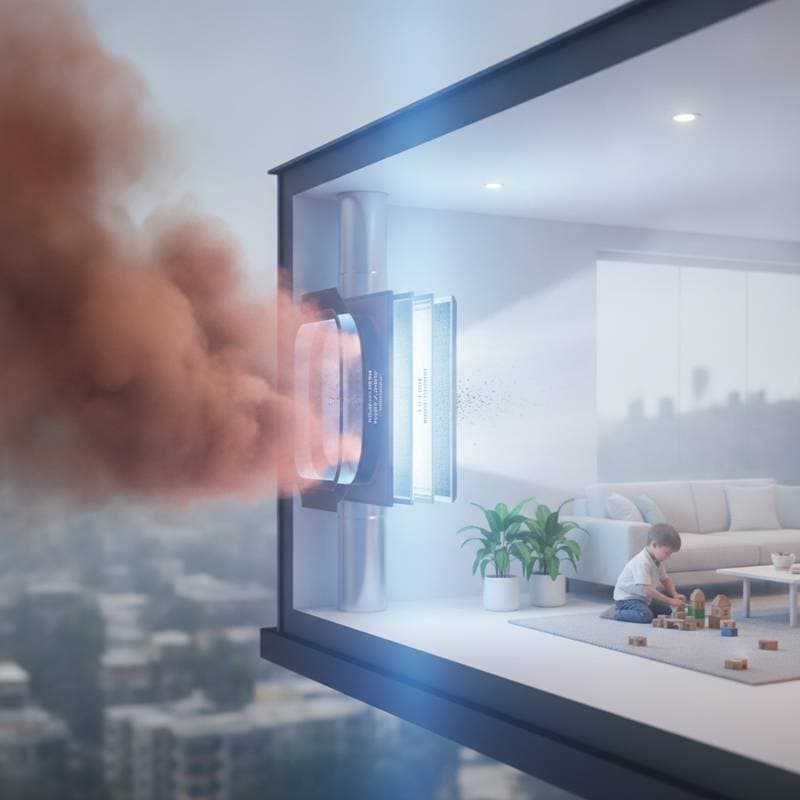
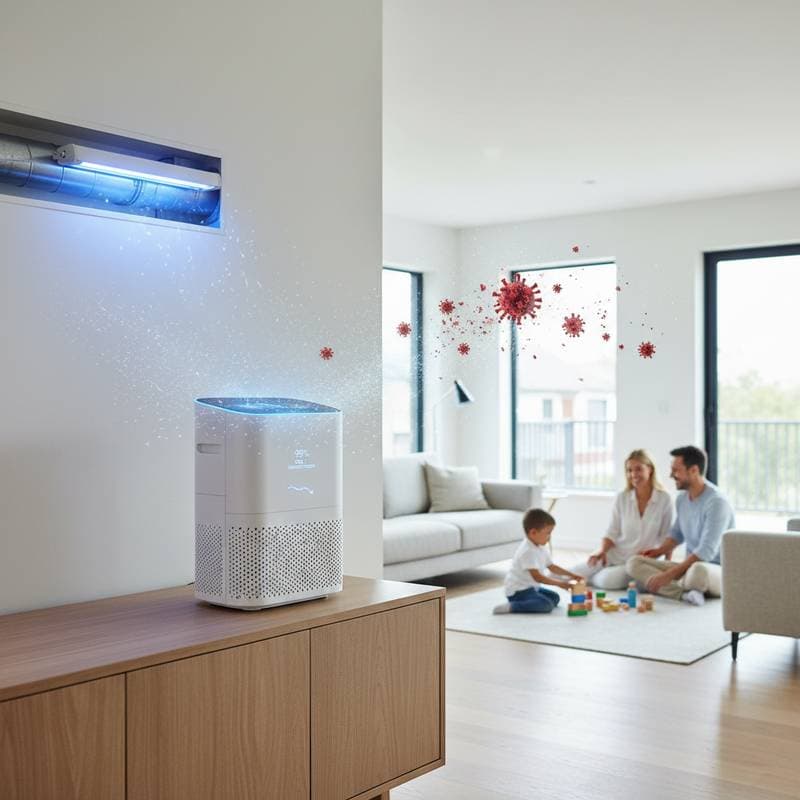
UV-C air purification systems eliminate up to 99% of airborne viruses, positioning them as essential tools for superior indoor air quality. Integrated directly into HVAC systems, these units provide nonstop disinfection for air circulating throughout the home. This guide details the mechanics of UV-C technology, associated costs, anticipated benefits, and strategies to maximize the value of such an investment.
| Item | Key Information |
|---|---|
| Virus Removal Efficiency | Up to 99% |
| Typical Installation Cost | $400 to $1,000 |
| Maintenance Requirement | Annual bulb replacement |
| Ideal For | Homes with allergies, pets, or health concerns |
| Lifespan of Bulbs | 9 to 12 months |
Average Cost of UV-C Air Purification Systems
The average cost for installing a UV-C air purification system into an existing HVAC setup falls between $400 and $1,000, encompassing professional labor charges. Portable UV-C units present a more budget-friendly option, with prices ranging from $150 to $500, though they focus disinfection efforts on individual rooms.
Whole-home UV-C systems position within ductwork or adjacent to the evaporator coil, treating every portion of air that flows through the HVAC infrastructure. Although the initial expenditure exceeds that of portable models, these installations guarantee persistent protection across all living spaces.
Factors Influencing UV-C System Pricing
Multiple elements determine the final price of a UV-C air purification system. Gaining insight into these components enables informed decisions that align with air quality objectives and financial constraints.
Unit Type and Coverage Area
Whole-home UV-C systems command higher prices than portable counterparts due to the necessity of HVAC integration. Portable units suit confined areas effectively, whereas comprehensive systems maintain uniform purification levels property-wide.
Brand and Technology Quality
Reputable brands incorporate robust UV-C bulbs paired with advanced reflectors to elevate disinfection efficacy. Economy models often rely on less potent bulbs, which may not achieve comparable virus elimination rates.
Installation Complexity
Spatial limitations near coils or within ducts can complicate the setup process, thereby increasing labor expenses. An experienced HVAC technician assesses optimal positioning to optimize performance.
Maintenance Requirements
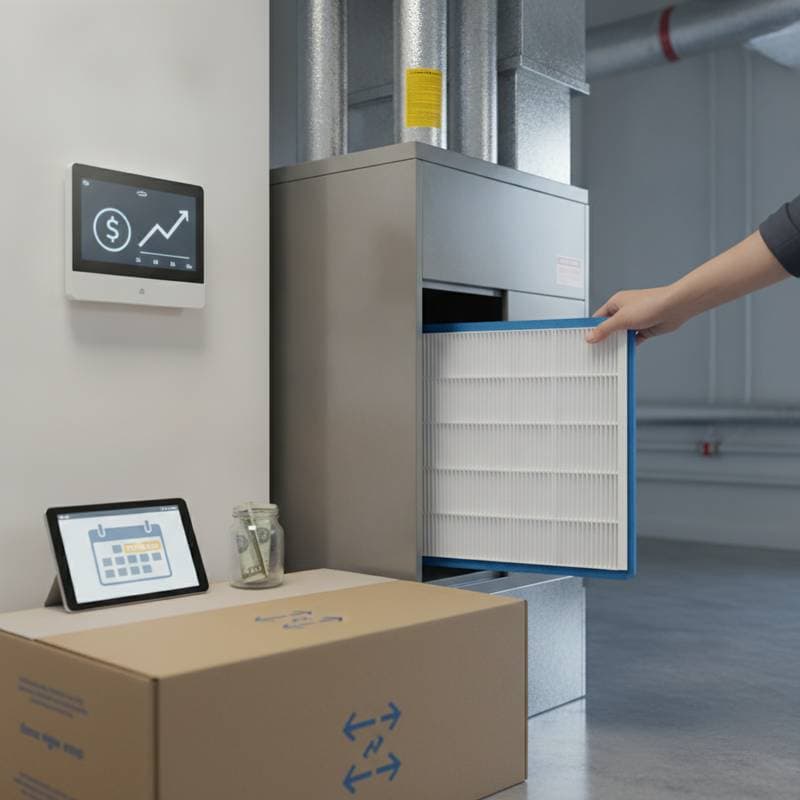
UV-C bulbs diminish in strength over time, necessitating replacement every 9 to 12 months. Substitute bulbs range from $50 to $150 in cost, varying by brand and specifications.
Types of UV-C Air Purification Systems
Various UV-C system configurations exist, each tailored to specific uses and property dimensions.
Coil Sterilization Units
Positioned near the evaporator coil, these units inhibit mold and bacterial accumulation.
Pros: Operates continuously, safeguards HVAC elements, demands minimal upkeep.
Cons: Air disinfection remains confined primarily to the coil vicinity.
Air Sterilization Systems
Mounted within ductwork, these configurations treat air during its passage through the HVAC network.
Pros: Provides coverage for the entire home, targets viruses and allergens effectively.
Cons: Involves elevated upfront costs, mandates professional installation.
Portable UV-C Purifiers
These standalone devices plug into outlets for use in small rooms or offices.
Pros: Cost-effective, mobile, requires no installation.
Cons: Coverage limited to targeted areas, suboptimal for whole-home applications.
Indicators for Installing a UV-C Air Purification System
Consider adopting a UV-C system if the following conditions arise:
- Recurring allergy or asthma flare-ups within indoor environments
- Lingering odors originating from pets, cooking activities, or tobacco use
- Visible mold or mildew near vents or coils
- Frequent respiratory infections among household members
- A goal to elevate general indoor air quality standards
Addressing these concerns with a UV-C system substantially diminishes airborne pathogens and allergens.
The Installation Process for UV-C Systems
Professional HVAC technicians complete UV-C installations efficiently and with precision. The procedure unfolds as follows:
-
System Evaluation: The technician examines the HVAC infrastructure to identify the ideal mounting location for the UV component.
-
Unit Selection: Considering air volume and duct configuration, the appropriate UV-C system receives recommendation.
-
Installation: The UV-C bulb secures placement inside ductwork or proximate to the coil.
-
Testing: Activation occurs, followed by verification of functionality and airflow integrity.
-
Maintenance Guidance: Instructions cover bulb replacement procedures and routine cleaning protocols.
Labor Costs Associated with UV-C Installations
Labor for UV-C system installations typically constitutes 40% to 60% of the total project expense, depending on system complexity and regional rates. Simple integrations into accessible ductwork may incur $200 to $400 in labor fees, while intricate setups involving custom modifications can reach $600 or more. Technicians often provide upfront quotes after an on-site assessment to ensure transparency.
Frequently Asked Questions About UV-C Air Purifiers
How Does UV-C Light Neutralize Viruses and Bacteria?
UV-C light disrupts the DNA and RNA structures within microorganisms, halting their ability to replicate. As air traverses the UV-C exposure zone, viruses and bacteria undergo rapid neutralization.
Are UV-C Systems Safe for Families and Pets?
Affirmative. Enclosed within HVAC components, the UV-C light remains fully contained, presenting no hazard to occupants or animals. These systems function quietly and ceaselessly, devoid of ozone emissions or chemical byproducts.
Do UV-C Systems Address Dust and Allergens?
UV-C light targets biological agents rather than capturing particulate matter such as dust or pollen. For thorough air cleansing, combine UV-C technology with a high-efficiency particulate air filter.
What Is the Replacement Schedule for UV-C Bulbs?
Bulbs maintain effectiveness for 9 to 12 months prior to intensity decline. Annual replacement preserves optimal disinfection capabilities.
Can UV-C Systems Prevent Mold in HVAC Components?
Indeed. UV-C illumination inhibits mold growth on coils and within ducts. This enhancement not only refines indoor air but also boosts HVAC operational efficiency.
What Is the Energy Consumption of UV-C Systems?
Consumption remains low. A standard UV-C bulb draws power equivalent to a typical household light bulb, resulting in negligible ongoing electricity expenses.
Steps to Secure Cleaner Indoor Air
Evaluate your current HVAC setup and air quality challenges to determine the suitable UV-C system type. Consult a certified technician for a personalized assessment and quote. Proceed with installation to initiate immediate improvements in virus reduction and overall home comfort. Regular maintenance ensures sustained performance, protecting your household from airborne threats throughout the seasons.