How UV-C Technology Advances Indoor Air Quality
The Science Behind UV-C's 89 Percent Virus Elimination Rate
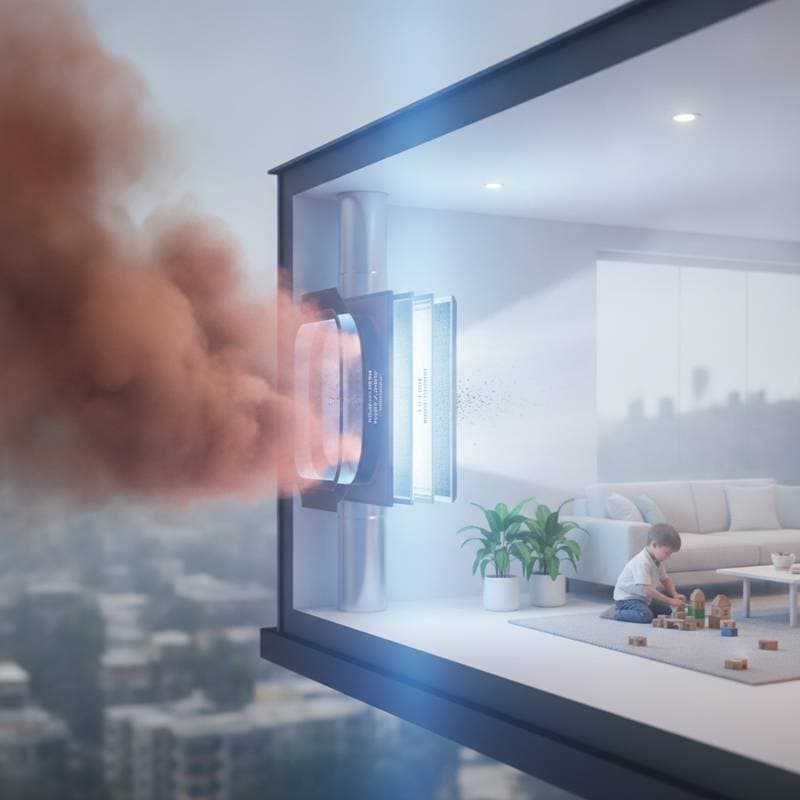
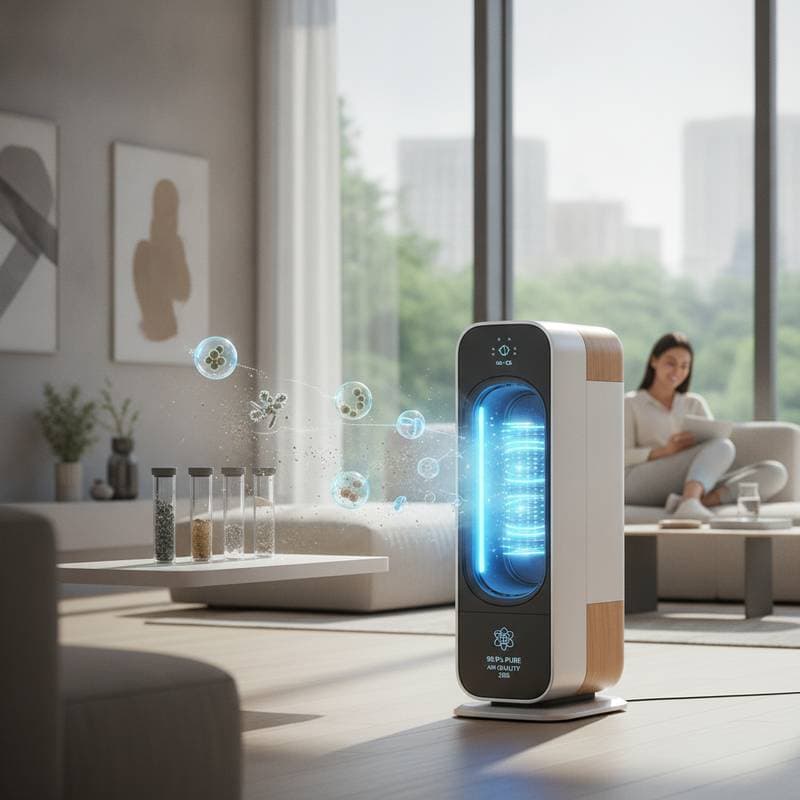
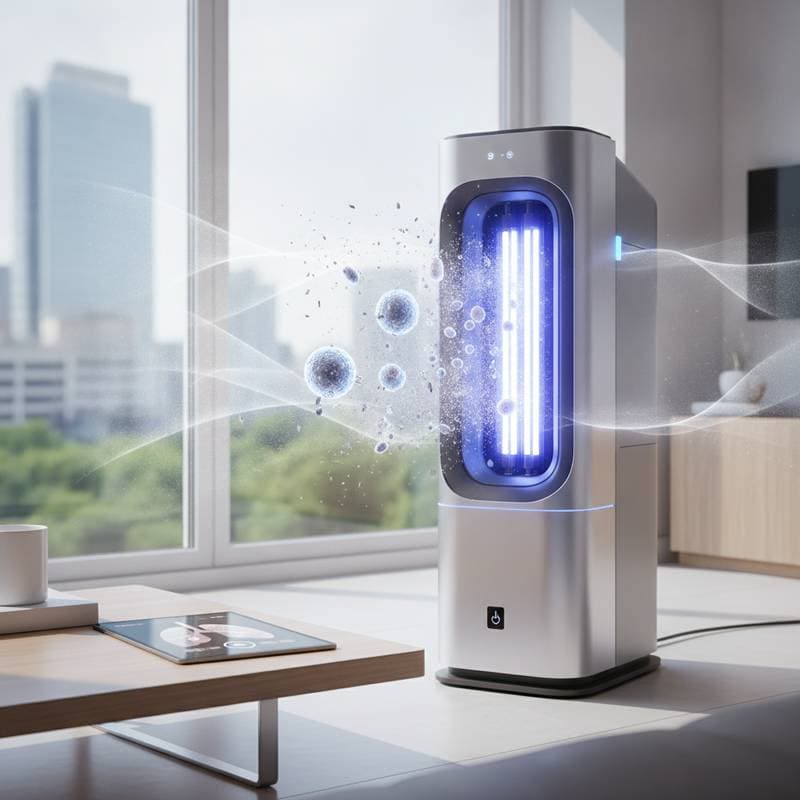
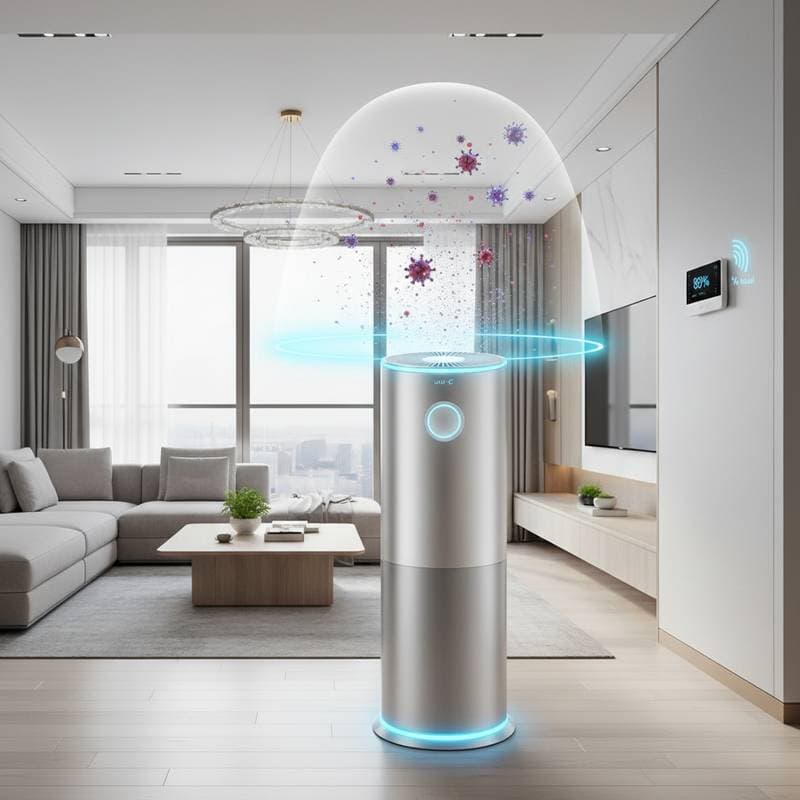
Homeowners and business operators increasingly prioritize indoor air quality amid concerns over airborne viruses, allergens, and pollutants. UV-C air purification systems stand out as a leading solution. Laboratory tests demonstrate that UV-C light eliminates or deactivates up to 89 percent of airborne viruses by disrupting their genetic material, thus preventing replication.
This process occurs as air passes through the UV-C exposure zone, where short-wavelength ultraviolet light targets pathogens effectively. Systems position UV-C lamps strategically within HVAC ducts or enclosed units to maximize contact time without affecting airflow. Such technology provides a reliable defense against viral transmission in everyday environments.
This guide details the mechanics of UV-C air purifiers, factors fueling their popularity, associated costs, and comparisons to alternative systems. It also addresses effectiveness variables, maintenance strategies, and essential questions for potential installers in residential or commercial settings.
Typical Costs for UV-C Air Purification Systems
Installation expenses for UV-C air purification vary based on unit type, coverage area, and integration approach. Homeowners typically budget between $400 and $2,500 for equipment and professional setup.
| Type | Average Cost | Details |
|---|---|---|
| Portable UV-C Air Purifier | $100 – $500 | Suited for individual rooms or compact living spaces |
| HVAC-Integrated UV-C System | $400 – $1,200 | Installed in ductwork to treat entire homes |
| Commercial UV-C Installation | $1,500 – $2,500 | Built for expansive areas with nonstop performance |
| Replacement Bulb | $50 – $150 | Required every 12 to 24 months for sustained efficacy |
These figures encompass the unit and labor. Electricity demands stay modest, with periodic bulb changes representing the primary ongoing expense.
Factors Influencing UV-C System Expenses
Multiple elements shape the purchase and setup costs of UV-C systems. Grasping these allows for precise financial planning.
System Capacity and Scale
Expansive residences or business venues demand robust bulbs and additional components. For instance, HVAC units exceeding five tons often require dual-light configurations to ensure thorough coverage. Portable options prove more affordable yet limit protection to targeted zones.
Setup Demands
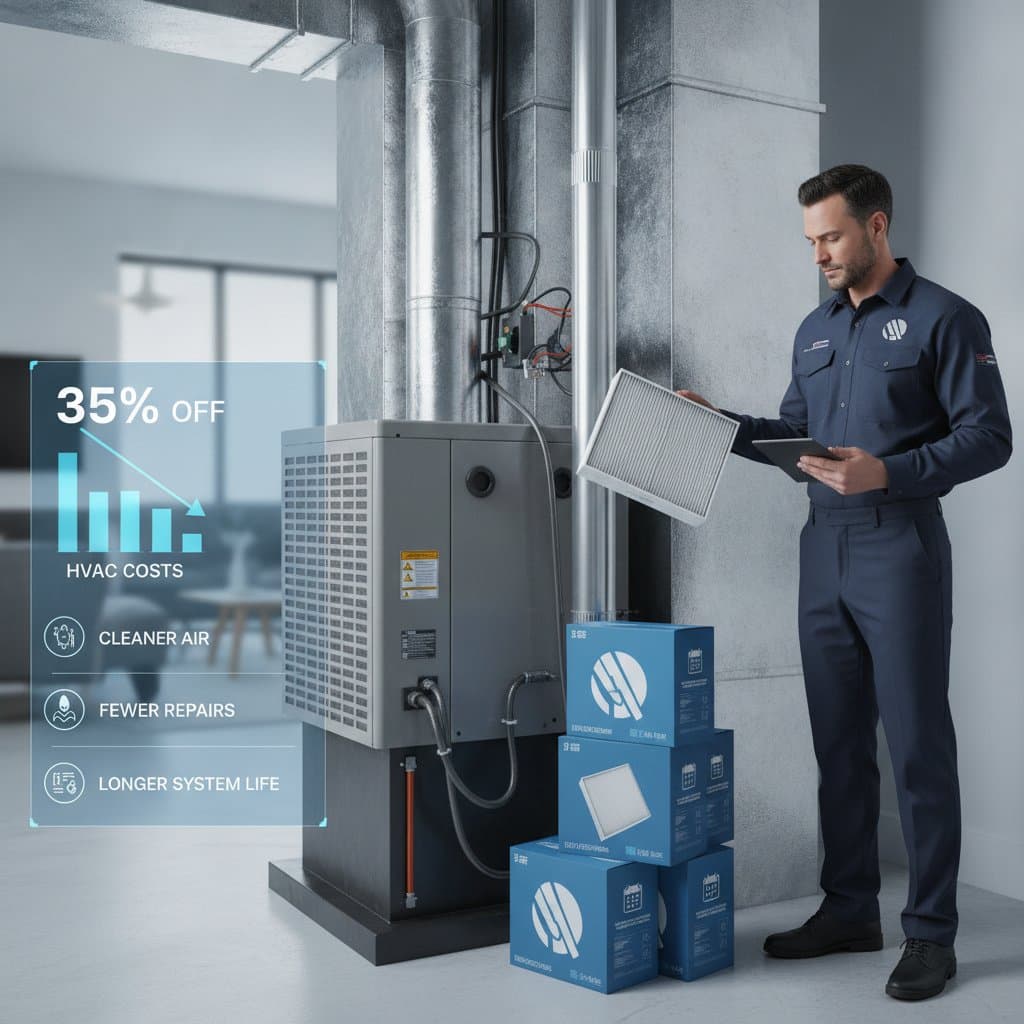
Positioning UV-C components in HVAC setups entails securing lamps adjacent to the evaporator coil or within ducts. Regional labor rates dictate costs, typically spanning $100 to $300 for straightforward jobs. Configurations involving extra bulbs or custom electrical work elevate total outlays.
Performance Enhancements
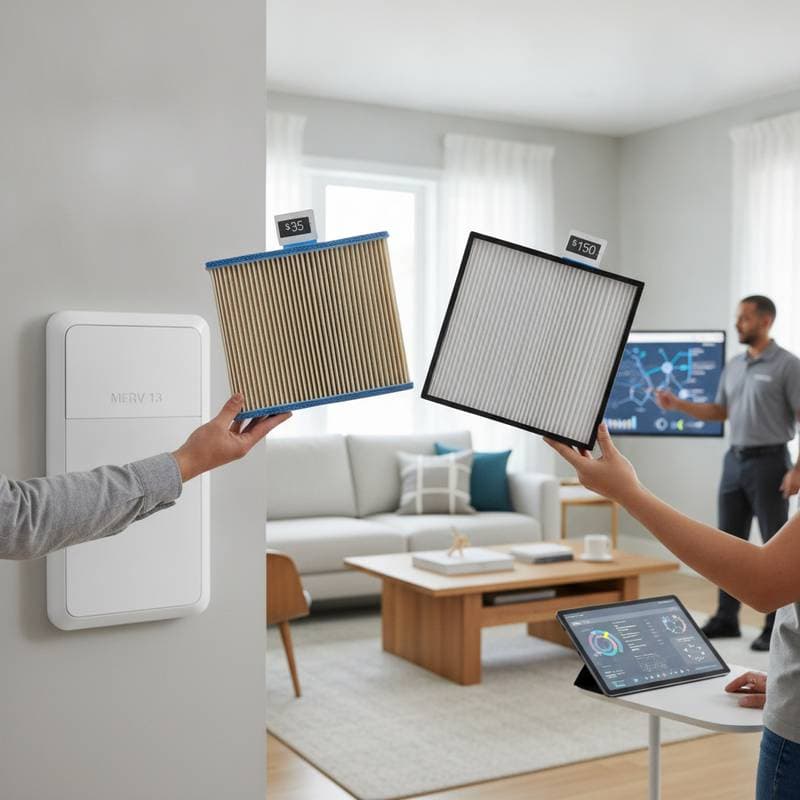
Certain UV-C models incorporate supplementary filters, including HEPA or activated carbon elements. These combined approaches enhance pollutant capture but raise initial investments.
Manufacturer Quality and Features
High-end providers equip systems with safeguards like exposure sensors and fail-safes, alongside potent bulbs. Although pricier at outset, these options yield superior pathogen control and extended durability.
Ongoing Upkeep Expenses
Bulb renewals and sleeve cleanings contribute to future costs. Property owners allocate $50 to $150 biennially for these essentials.
Safety Protocols for UV-C Installations
Correct placement safeguards health during UV-C operation. The light poses risks to skin and vision upon direct contact, prompting designs that confine it to sealed enclosures or duct interiors. Certified installers position components to minimize exposure hazards.
Advanced models integrate motion detectors and auto-shutdown mechanisms for added protection. Verify compliance with standards from organizations like UL or EPA to confirm reliability.
Frequently Asked Questions on UV-C Air Purification
What Makes UV-C Effective Against Viruses?
UV-C light disrupts viral DNA or RNA, inactivating up to 89 percent of airborne threats. Results hinge on dwell time in the light field, beam strength, and circulation speed. Optimal setups markedly lower pathogen concentrations indoors.
Does UV-C Substitute for Traditional Filters?
UV-C augments rather than replaces mechanical filtration. It neutralizes microbes but leaves particulates like dust or allergens intact. Pairing with HEPA or carbon media achieves full-spectrum purification.
What Is the Lifespan of UV-C Bulbs?
Bulbs endure 9,000 to 12,000 hours, equating to one or two years under steady use. Timely swaps preserve disinfection power.
Are UV-C Systems Suitable for Family Homes with Children or Pets?
Affirmative, provided professional installation occurs. Residential designs shield the light in enclosed HVAC paths, averting contact. Servicing demands qualified expertise.
Can UV-C Address Odors Alongside Viruses?
UV-C focuses on microbial elimination, yet it curbs odors by breaking down bacteria and mold sources. For persistent smells, integrate activated carbon filtration.
What Are Yearly Maintenance Costs for UV-C?
Expect $50 to $150 annually, centered on bulb exchanges. Routine checks align with standard HVAC servicing.
Do UV-C Systems Raise Electricity Costs?
Consumption remains low at under 30 watts per bulb, comparable to basic lighting. Continuous runtime adds negligible impact to utility statements.
Strategies for Sustained Indoor Air Quality
UV-C excels in pathogen control, yet comprehensive air management incorporates ventilation practices, timely filter changes, and humidity regulation. Schedule duct cleanings and monitor moisture levels to inhibit mold proliferation.
Integrating UV-C with these measures fosters a supportive atmosphere for health, diminishing respiratory issues and infection chances. As air quality emphasis intensifies, UV-C emerges as a proven, evidence-based ally.
Implementing UV-C for Lasting Protection
Rising UV-C integration signals heightened commitment to interior wellness. Its 89 percent virus elimination, economical upkeep, and HVAC compatibility deliver tangible security.
Property managers benefit from assessing specific needs, engaging skilled installers, and selecting customized solutions. Informed decisions initiate pathways to purified, healthful spaces through advanced UV-C applications.