How a MERV 13 Filter Upgrade Enhances Indoor Air Quality in 2026
Upgrading your home's air filtration to MERV 13 filters significantly reduces airborne allergens and pollutants. These filters capture particles as small as 0.3 microns, including pollen, pet dander, mold spores, bacteria, smoke, and fine dust. Homeowners investing in this upgrade experience cleaner air, fewer allergy symptoms, and improved HVAC performance, with average filter costs ranging from $40 to $120 depending on size and brand.
This guide details the mechanics of MERV 13 filters, their advantages over lower-rated options, installation and replacement expenses, and practical maintenance strategies. It also addresses system compatibility, cost influences, and key questions to pose to HVAC professionals for a seamless upgrade.
What Are MERV 13 Filters and How Do They Work?
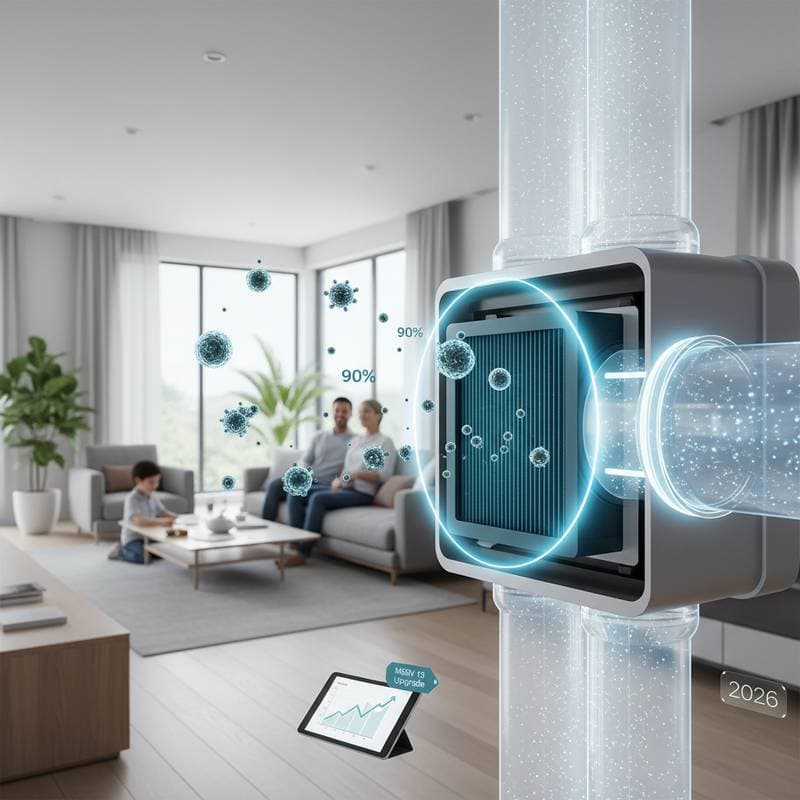
MERV, or Minimum Efficiency Reporting Value, rates a filter's ability to capture particles on a scale from 1 to 16. Higher ratings denote superior filtration of smaller particles. MERV 13 filters excel at trapping up to 90 percent of airborne contaminants in the 0.3- to 1.0-micron range, far surpassing the capabilities of standard MERV 8 filters, which primarily handle larger debris like dust and lint.
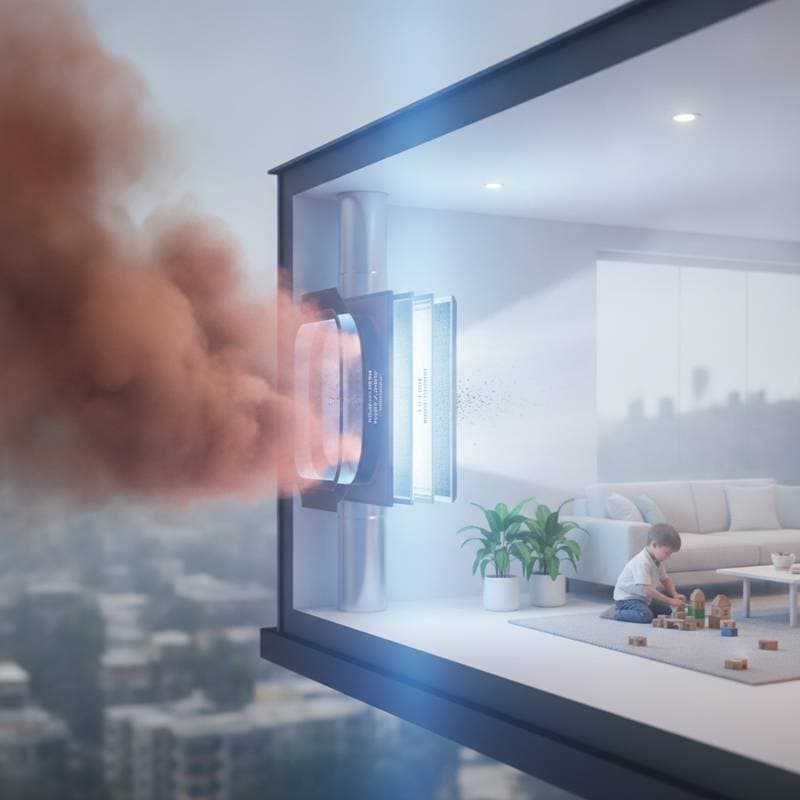
In residential settings, MERV 13 filtration elevates air quality to levels comparable with hospitals or office buildings. This upgrade targets microscopic irritants that exacerbate allergies, asthma, and respiratory conditions, providing a proactive defense against seasonal and year-round pollutants.
Key Advantages of MERV 13 Filters
- Capture up to 90 percent of fine particles, including allergens and pathogens
- Minimize triggers from pet dander, mold, pollen, and outdoor pollutants
- Preserve HVAC components by reducing dust buildup, which boosts overall efficiency
- Deliver steady air purification across all rooms in the home
- Prolong system longevity through regular use and timely replacements
Breaking Down the Costs of a MERV 13 Filter Upgrade
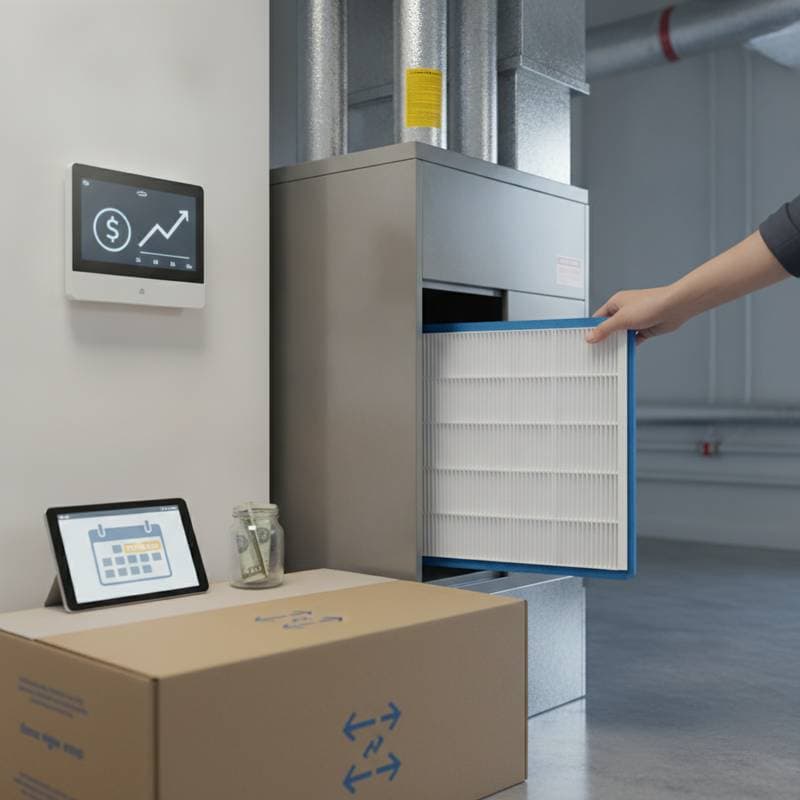
The expense of switching to MERV 13 filters encompasses the filters themselves, potential system adjustments, and labor. Most homeowners allocate $100 to $300 for a full upgrade, covering initial installation and the first set of filters.
| Filter Type | Average Cost | Key Features |
|---|---|---|
| Standard MERV 8 | $10–$25 | Handles basic dust and pet hair |
| MERV 11 | $20–$45 | Adds protection against smoke and sneeze particles |
| MERV 13 | $40–$120 | Targets fine allergens and bacteria |
| HEPA Conversion | $150–$400 | Ultimate filtration; often needs system mods |
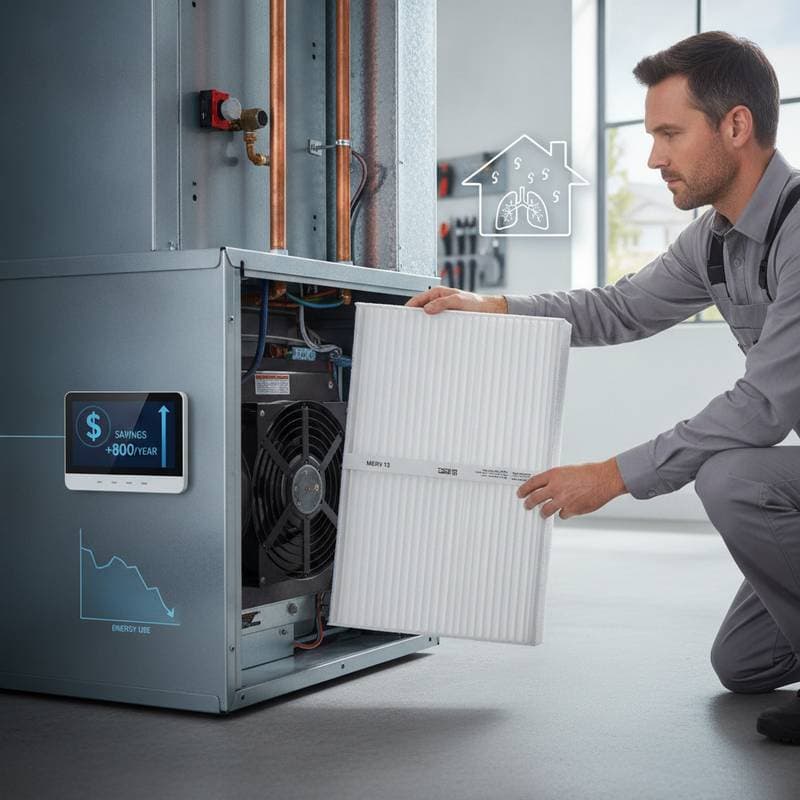
Filter prices vary by dimensions, manufacturer, and construction, such as pleated designs for greater surface area. While some models allow cleaning and reuse, most require replacement every three to six months to maintain peak performance. Consult an HVAC specialist to verify if your setup supports the added airflow resistance.
Factors Affecting MERV 13 Upgrade Expenses
Multiple elements determine the overall investment in MERV 13 filters. Reviewing these allows precise budgeting and identifies opportunities to minimize outlays.
1. HVAC System Compatibility
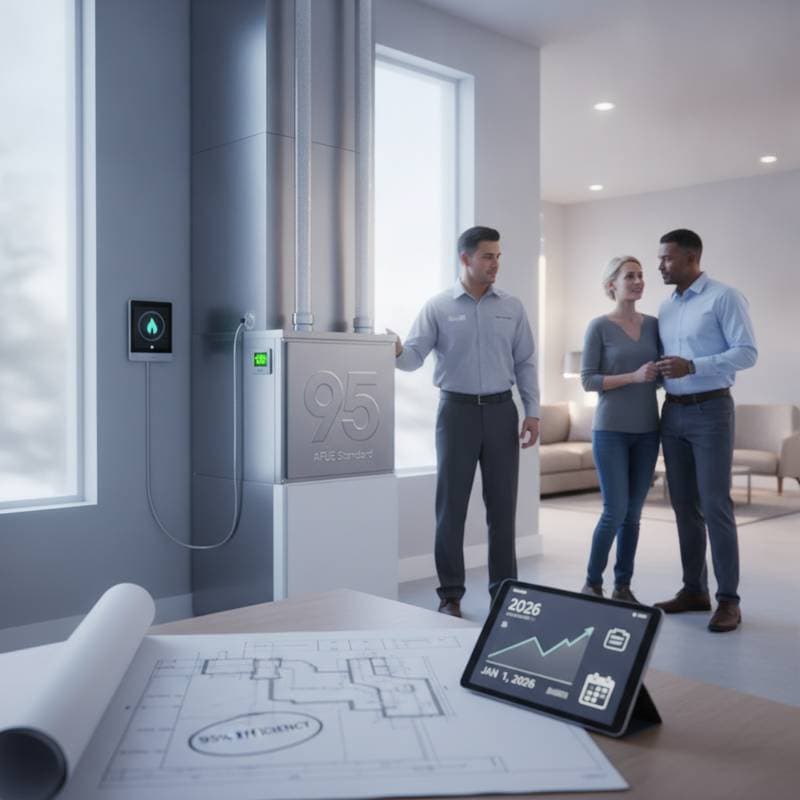
Systems installed before 2000 might lack the power to accommodate high-efficiency filters without reduced airflow. Schedule a professional assessment to check blower capacity; necessary tweaks, like fan motor upgrades, typically add $50 to $150.
2. Filter Dimensions and Design
Non-standard sizes or high-capacity pleated variants increase costs due to custom fabrication. Ensure the air handler has sufficient space for the filter frame to avoid installation hurdles.
3. Replacement Schedule
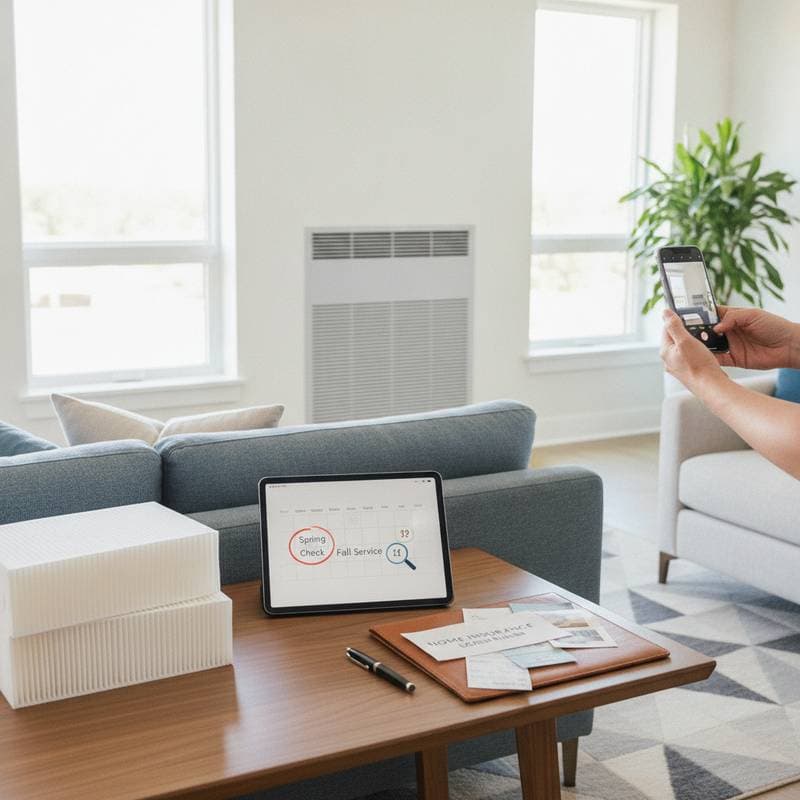
Replace MERV 13 filters every three to six months, adjusting for household factors like pet ownership or proximity to high-pollen zones. Monthly visual inspections help catch clogs early, preventing efficiency drops.
4. Associated Maintenance Services
Technicians often pair upgrades with duct cleaning or full-system tune-ups, priced at $70 to $200. These steps optimize airflow and confirm the upgrade integrates smoothly.
5. Impact on Energy Consumption
MERV 13 filters introduce minor airflow resistance, but clean ducts and prompt replacements counteract any energy hikes. Expect negligible increases in utility bills if maintenance remains consistent.
Frequently Asked Questions About MERV 13 Filters
How Often Do MERV 13 Filters Need Replacement?
Replace them every three to six months for optimal results. In homes with pets, severe allergies, or high pollution exposure, inspect monthly and swap when visibly soiled to sustain filtration efficacy.
Are MERV 13 Filters Suitable for Every HVAC System?
High-efficiency filters demand adequate airflow, so undersized or aging systems risk motor strain. Engage a technician for a compatibility evaluation to prevent performance issues or premature wear.
Can MERV 13 Filters Eliminate Household Odors?
They effectively capture odor-carrying particles from smoke or dust but fall short against volatile compounds from cooking. Pair them with activated carbon add-ons for comprehensive odor management.
Which Allergens Do MERV 13 Filters Target?
These filters remove up to 90 percent of common triggers, such as pollen grains, pet dander, mold spores, dust mites, and bacteria. They also reduce fine particulate matter from outdoor sources like vehicle exhaust.
Securing Quotes for Your MERV 13 Filter Upgrade
Essential Questions for HVAC Professionals
- Does my existing HVAC system support MERV 13 filters without modifications?
- What specific filter size and style fits my unit?
- What is the recommended replacement interval based on my home's conditions?
- How might this change impact my energy consumption?
- Can you evaluate the ducts and blower for airflow restrictions?
- Do you provide ongoing maintenance subscriptions for filters?
- Which MERV 13 brands offer the best reliability and value?
- What is the timeline for installation?
Steps to Achieve Cleaner Air with MERV 13 Filters
Start by inspecting your current filter and noting its MERV rating to gauge the upgrade potential. Contact certified HVAC providers for on-site evaluations, prioritizing those with experience in air quality enhancements. Once installed, track air quality improvements through reduced symptoms and cleaner surfaces, reinforcing the value of this accessible health investment.