Understanding the Cost of UV-C Air Purifiers for Home Allergy Relief
UV-C air purification systems neutralize airborne particles, bacteria, and allergens directly in HVAC setups, making allergy relief more accessible for homeowners. The average cost for professional installation stands at approximately $800, with prices ranging from $500 to $1,200 based on brand, home size, and setup complexity.
This overview details the elements that influence UV-C air purifier expenses, explains system functionality, and outlines expectations for integration into residential HVAC systems. It also addresses maintenance requirements, effectiveness, and strategies to maximize value.
Pricing Based on Home Size
Homes vary in HVAC demands, so UV-C setups scale accordingly. Larger properties typically require robust configurations for comprehensive coverage.
| Home Size | Recommended Configuration | Average Cost |
|---|---|---|
| Small (under 1,500 sq. ft.) | Single coil sterilization light | $500 – $750 |
| Medium (1,500–2,500 sq. ft.) | Air sterilization light | $700 – $1,000 |
| Large (2,500+ sq. ft.) | Dual bulb or full-duct system | $1,000 – $1,400 |
Compact homes often suffice with a basic coil unit, whereas expansive layouts benefit from duct-wide treatment to achieve uniform air disinfection.
Key Factors Influencing UV-C Air Purifier Costs
Multiple components determine the total investment in a UV-C system. Homeowners gain budgeting clarity by evaluating these aspects and selecting configurations suited to their needs.
1. System Type
Coil sterilization lights focus on preventing mold and bacterial growth on evaporator coils, offering a straightforward, budget-friendly option. Air sterilization systems deploy multiple bulbs to treat airflow across ducts, necessitating additional electrical integration. Hybrid models merge both capabilities for thorough protection, though they command premium pricing.
2. Installation Labor
Expect labor fees of $150 to $300 for expert setup, which encompasses wiring, secure mounting, and operational testing within the HVAC framework. Costs fluctuate with local rates and the technician's specialization in air quality enhancements.
3. Bulb Intensity and Durability
Bulb efficacy measures in microwatts per square centimeter; stronger outputs expedite pathogen elimination but elevate upfront costs. Opt for extended-life bulbs to minimize replacement intervals, despite the initial premium.
4. HVAC Compatibility
Legacy systems might demand custom wiring, adapters, or modified access points, extending labor by up to two hours. Challenging duct layouts or restricted entry can incur $100 to $200 in supplementary charges.
5. Ongoing Maintenance and Bulb Replacements
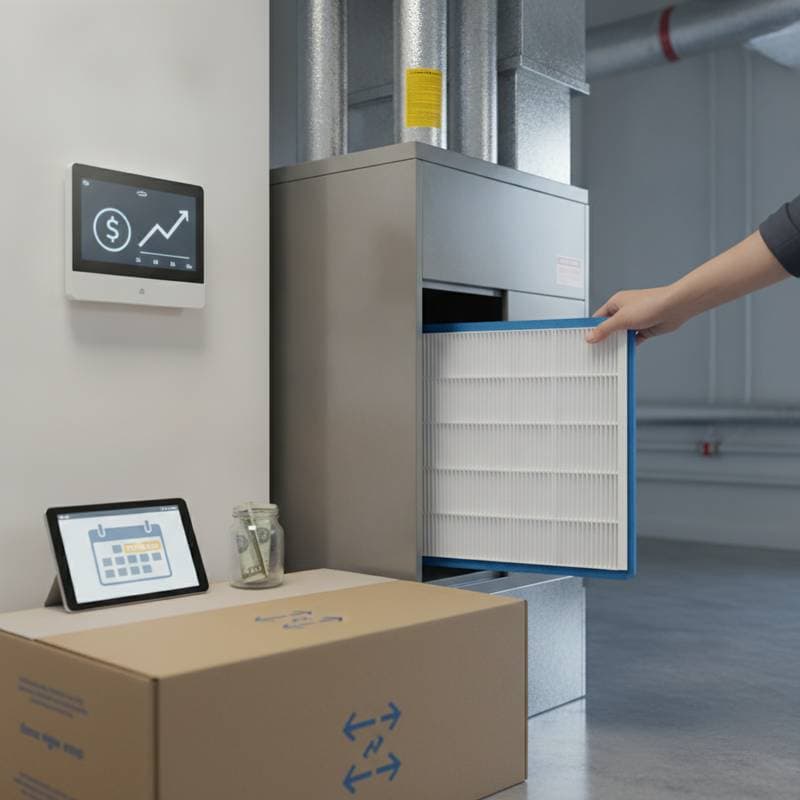
Annual bulb swaps run $80 to $150, preserving optimal germicidal output. Integrated indicators alert users to necessary changes, streamlining upkeep routines.
6. Enhanced Capabilities
Premium units incorporate activated carbon filtration for particle capture, ionization for charged-particle neutralization, or digital sensors for real-time air monitoring. These upgrades amplify purification while adjusting the total expense.
7. Location-Based Variations
Equipment and service pricing shifts by geography. Metropolitan regions with elevated HVAC service demand reflect marginally higher fees than suburban or rural alternatives.
System Longevity and Upkeep Practices
UV-C bulbs maintain peak performance for 9,000 to 12,000 hours, equivalent to about one year of continuous operation. Annual replacements safeguard against declining disinfection rates.
Routine cleaning of bulb enclosures and adjacent coils every three to six months sustains efficiency. HVAC professionals inspect these components during routine servicing to verify safe and effective function.
Frequently Asked Questions About UV-C Air Purifiers
How Do UV-C Air Purifiers Function?
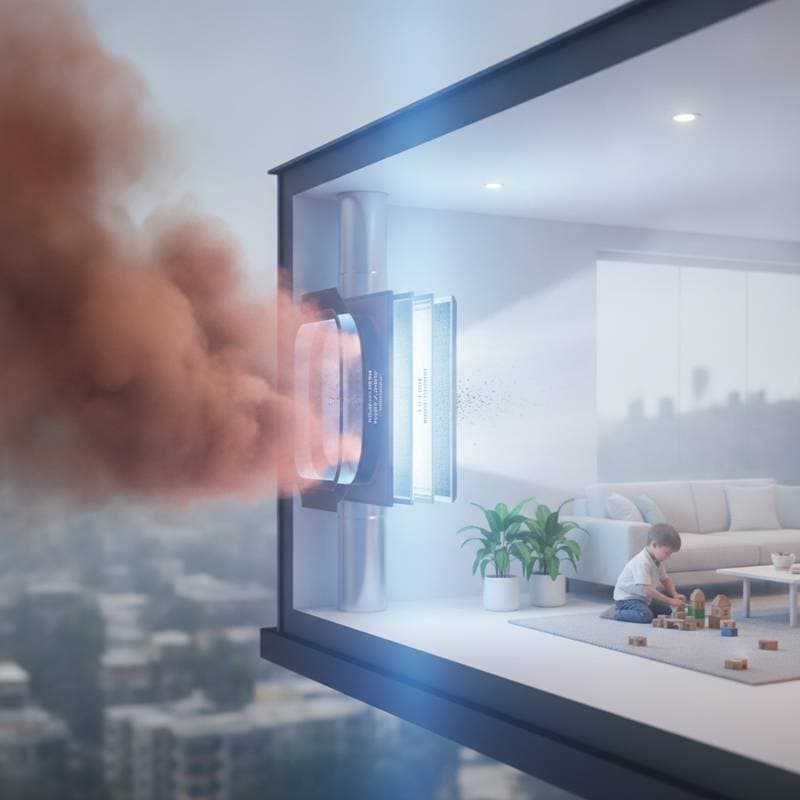
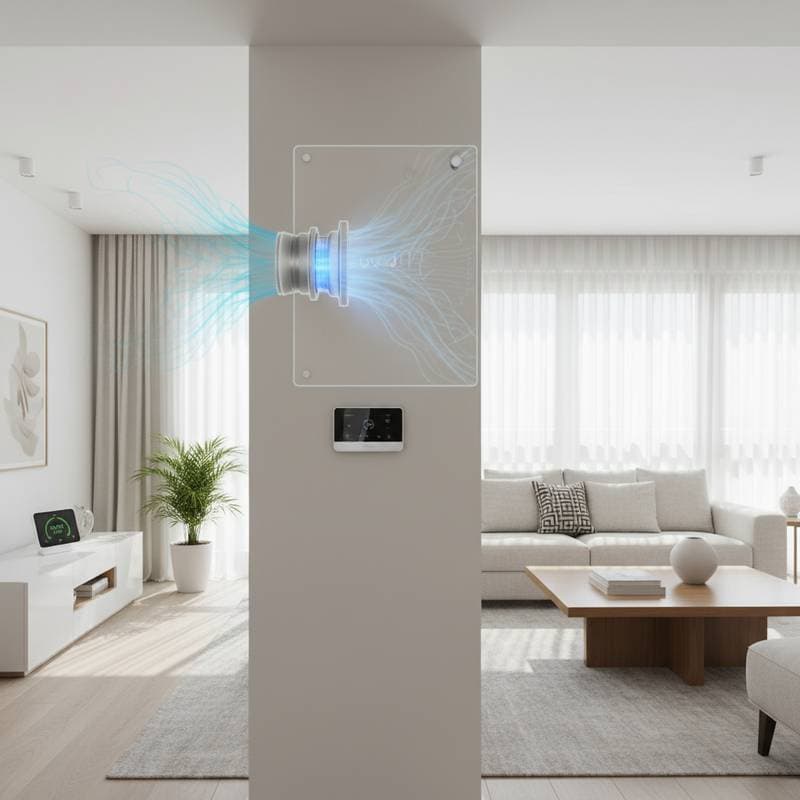
These devices project ultraviolet light at 254 nanometers, which damages the genetic material of microbes. Positioned in the HVAC air handler or ducts, they expose passing air to this light, eradicating bacteria, viruses, and mold without chemical agents.
Are UV-C Systems Safe for Residential Use?
Properly installed units contain the light within enclosed HVAC components, eliminating exposure risks to household members. During servicing, avoid direct bulb contact to prevent temporary eye or skin discomfort.
To What Extent Do They Alleviate Allergy Symptoms?
UV-C technology excels at dismantling biological triggers such as mold and bacterial byproducts. It complements particulate filters like HEPA to curb dust and pollen impacts, yielding noticeable symptom relief through cleaner air.
What Is the Recommended Bulb Replacement Schedule?
Plan for yearly exchanges, regardless of visible illumination. Fading intensity compromises disinfection, so timely updates ensure reliable pathogen control.
Can These Systems Address Household Odors?
Standard UV-C focuses on microbial threats; however, models with photocatalytic elements oxidize odor molecules from sources like cooking or pets. Verify feature inclusion for targeted scent mitigation.
Do UV-C Purifiers Raise Electricity Bills?
Consumption mirrors a compact bulb at under 40 watts, adding pennies to monthly usage. Benefits to HVAC efficiency often offset this minor draw.
What Duration Does Installation Require?
Most procedures complete in one to two hours, involving unit placement, electrical linkage, and performance validation. Extended access challenges may prolong the process slightly.
How Durable Is the Overall UV-C Installation?
Housing and fixtures endure 10 years or more under regular care, with bulbs as the sole recurring component. This durability supports enduring air quality gains.
Securing Quotes for UV-C Air Purifier Installation
Engage certified HVAC specialists to guarantee secure, efficient system deployment. Solicit detailed breakdowns covering hardware, labor, and support provisions when evaluating proposals.
Essential Inquiries for Prospective Installers
- Which UV-C brands align best with my existing HVAC configuration?
- Does the estimate encompass all materials and setup fees?
- What protocols ensure containment and safety during integration?
- Are maintenance contracts or bulb service packages available?
- What warranties apply to the unit and its components?
- Is compatibility possible with supplementary purification tools?
- Will this modification impact my HVAC manufacturer's coverage?
- What indicators signal impending bulb degradation?
- Do you conduct air quality assessments after completion?
- Are incentives or rebates accessible for such improvements?
Gathering several bids facilitates comparison of pricing, expertise, and assurances. Experts can advise on optimal choices, from coil-focused to comprehensive duct systems, tailored to your setup.
Optimizing Performance for Sustained Air Quality Benefits
Integrating a UV-C air purifier elevates home environments by targeting invisible threats that exacerbate allergies. With strategic selection and diligent care, homeowners realize cleaner air, fewer health disruptions, and enhanced HVAC longevity. Consult professionals to align this upgrade with your specific needs, securing a healthier indoor space year-round.