Why HVAC Professionals Recommend UV-C Upgrades by 2026
Homeowners increasingly encounter recommendations for UV-C light systems as essential HVAC enhancements. Technicians emphasize installing these systems before 2026 to achieve superior indoor air quality, greater operational efficiency, and enduring safeguards against microbial accumulation. The typical installation expense for a UV-C air purifier falls between $400 and $1,200, varying by system scale and setup.
This piece details the mechanics of UV-C technology, its advantages for air purity and equipment performance, elements affecting costs, and the rationale for timely upgrades.
Key Reasons for UV-C Adoption Before 2026
HVAC technicians promote UV-C systems for upgrades prior to 2026 due to benefits in health, performance, and cost savings over time.
Enhanced Indoor Air Quality
Indoor environments often harbor pollutants at levels far exceeding those outdoors. Dust particles, pet dander, and tiny pathogens gather on ducts and coils. UV-C lights deliver ongoing sterilization to these areas, thereby decreasing contact with irritants suspended in the air. Such measures prove particularly beneficial in residences occupied by individuals prone to allergies or breathing difficulties.
Optimized HVAC Performance
Growth of microbes on coils impedes airflow and diminishes heat exchange capabilities. UV-C illumination eradicates this accumulation, allowing the system to operate with heightened efficiency. Components free of residue demand reduced energy input to sustain desired temperatures, resulting in decreased utility bills across extended periods.
Minimized Maintenance Requirements
Conventional cleaning approaches fail to access all interior surfaces of HVAC units. UV-C installations furnish persistent disinfection in hard-to-reach zones. Consequently, the need for frequent coil cleanings diminishes, as does reliance on chemical interventions.
Extended Equipment Durability
UV-C lights shield vital parts from mold proliferation and corrosive damage. Reduced contaminant presence eases the burden on motors and blowers. This preservation enables the HVAC system to function reliably over many years.
Rising Standards in Health and Safety
Greater public focus on indoor air purity and pathogen transmission prompts HVAC specialists to advocate UV-C solutions. Early adoption positions homeowners to align with evolving industry benchmarks for air sanitation.
Factors Influencing UV-C Installation Costs
Although the standard UV-C setup expense remains below $1,200, multiple variables determine the precise amount.
Capacity and Configuration
Expansive HVAC arrays or homes with multiple zones necessitate extra or more robust UV-C components. Units designed for coil treatment generally cost less than those for broader air sanitation, owing to simpler lamp arrangements.
Installation Labor
Regional differences and technician expertise affect labor charges. Proper UV-C placement demands precise electrical connections and alignment for optimal coverage and compliance with safety protocols. Thus, engaging qualified installers proves essential.
Electrical Integration
Systems with readily available power outlets simplify the process. Older installations might require supplemental wiring or isolated circuits from an electrician, elevating the total outlay.
Lamp Durability and Manufacturer
Superior UV-C bulbs endure longer while delivering potent germicidal effects. Budget alternatives may need annual substitutions, whereas premium variants sustain performance across multiple years.
Ongoing Upkeep Expenses
Periodic bulb exchanges preserve system efficacy. Fresh bulbs cost between $60 and $120 each, scaled to power rating and producer.
Frequently Asked Questions About UV-C Air Purifiers
What Germ-Killing Power Do UV-C Lights Provide in HVAC Systems?
Properly positioned and serviced UV-C lights neutralize up to 99 percent of prevalent airborne microbes. Results hinge on bulb intensity, strategic location, and dwell time for pathogens. Routine replacements secure sustained high-level operation.
Do UV-C Systems Pose Risks for Residential Applications?
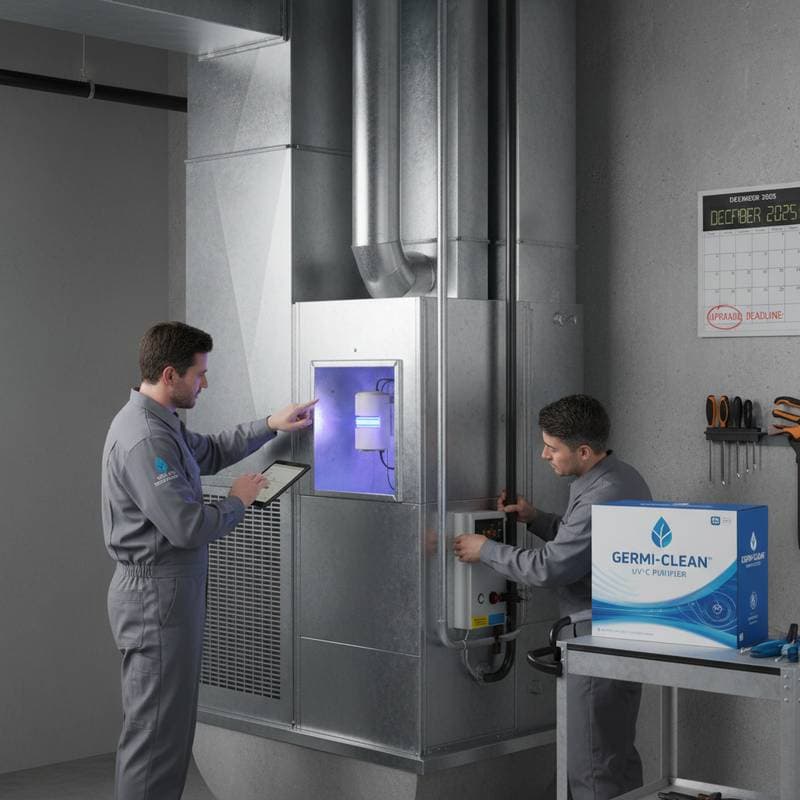
These systems integrate safely into homes. Enclosures within the HVAC framework block direct UV exposure. Certified installers adhere to protocols, incorporating safeguards like maintenance-mode shutoffs.
What Is the Service Life of UV-C Bulbs?
Bulbs typically operate for 9,000 to 12,000 hours nonstop. Annual swaps or integration with routine HVAC servicing maintain purification reliability.
Can UV-C Technology Address Home Odors?
UV-C neutralizes odor-causing bacteria and volatile organics. It also curbs the damp scents arising from coil-based microbial development, fostering fresher ambient air.
Does Adding UV-C Impact HVAC Warranties?
Generally, such additions do not invalidate coverage. Leading manufacturers endorse UV-C when professionals handle installation. Verification with the equipment maker ensures seamless integration.
Securing Quotes for Your UV-C HVAC Upgrade
Obtain estimates from several accredited HVAC providers prior to committing to a UV-C purchase. Evaluate costs, supplier options, and coverage details.
Essential Inquiries for Your Technician
- Which UV-C variant suits my residence's dimensions and current HVAC configuration?
- What replacement schedule applies to the bulbs?
- Does the setup demand extra care routines?
- How might the UV-C influence my existing warranty?
- Is the quoted price inclusive or tied to labor hours?
- Which manufacturers or units offer superior longevity?
- What power draw does the UV-C component involve?
- Is compatibility possible with supplementary filters or purifiers?
- Do service packages encompass bulb changes?
- What timeline applies to the installation?
Sustaining Your UV-C System for Lasting Benefits
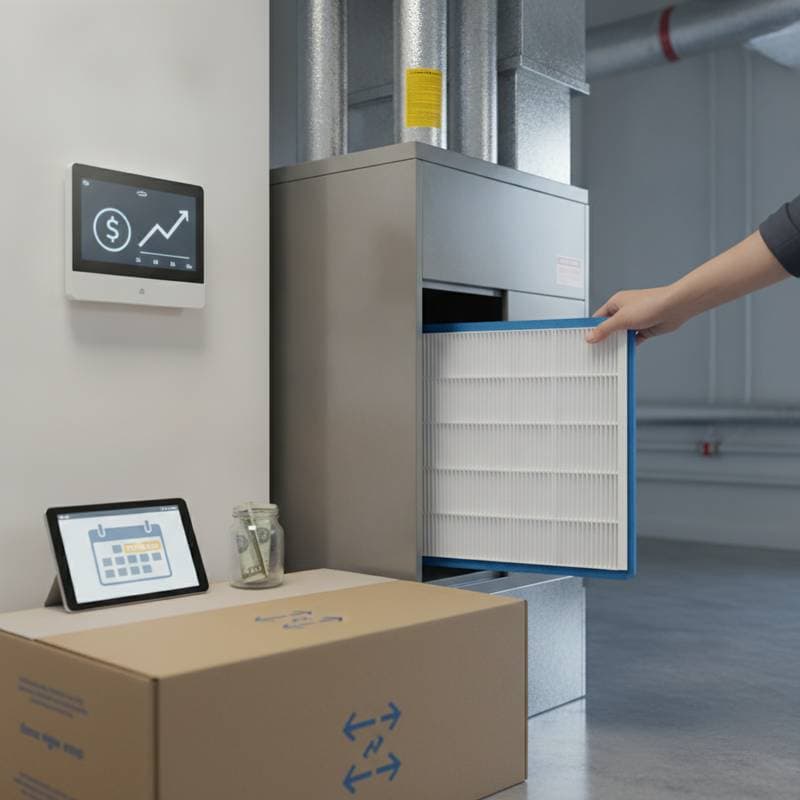
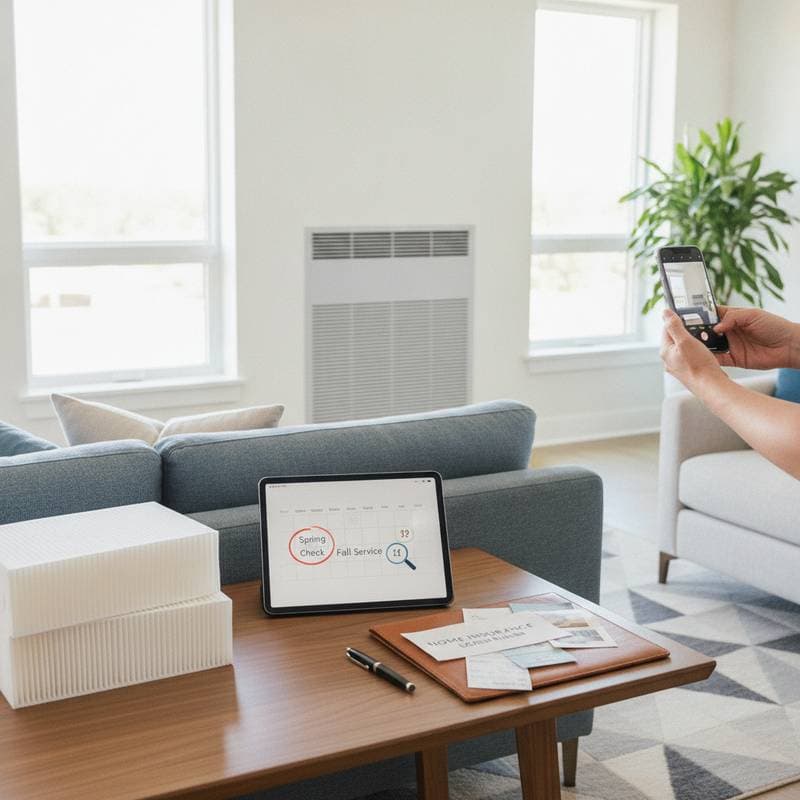
Post-installation, UV-C units need little attention aside from bulb renewals and customary HVAC inspections. Regularly refresh air filters, arrange seasonal checks, and confirm lamp functionality.
Upgrading to UV-C by 2026 equips homeowners with superior air quality, fortified equipment protection, and enduring wellness advantages in their living spaces.