Electrostatic Filters Capture 99% of Allergens Without Relying on HEPA
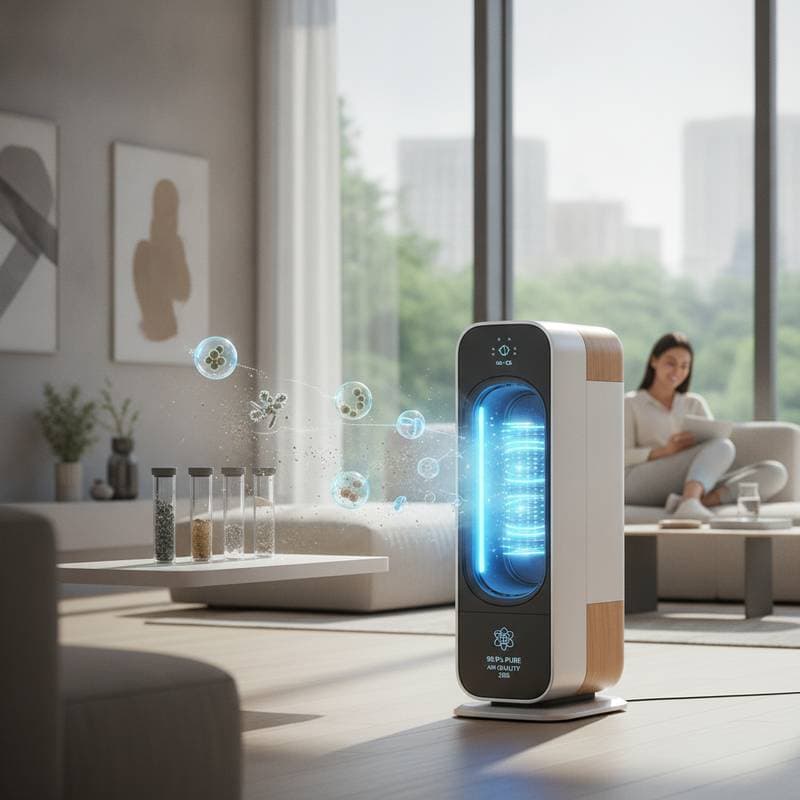
Indoor air quality influences every breath in the home. Homeowners often turn to HEPA filters for purification, yet electrostatic air filters present a compelling alternative. These filters trap up to 99% of common allergens and feature a washable, reusable design. The following sections outline their operation, benefits, and implementation strategies for HVAC systems.
Understanding Electrostatic Air Filters
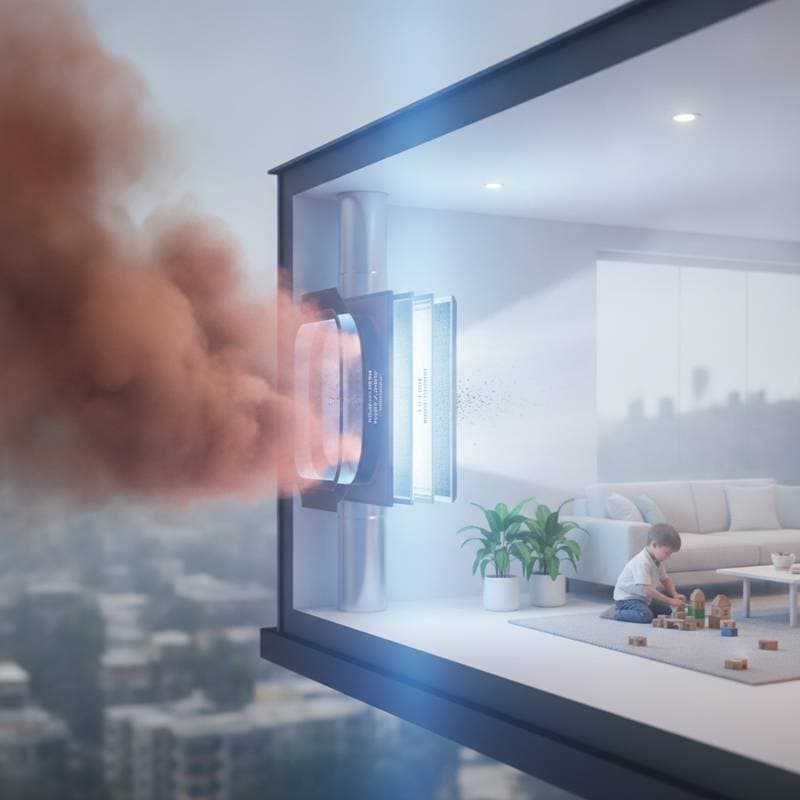
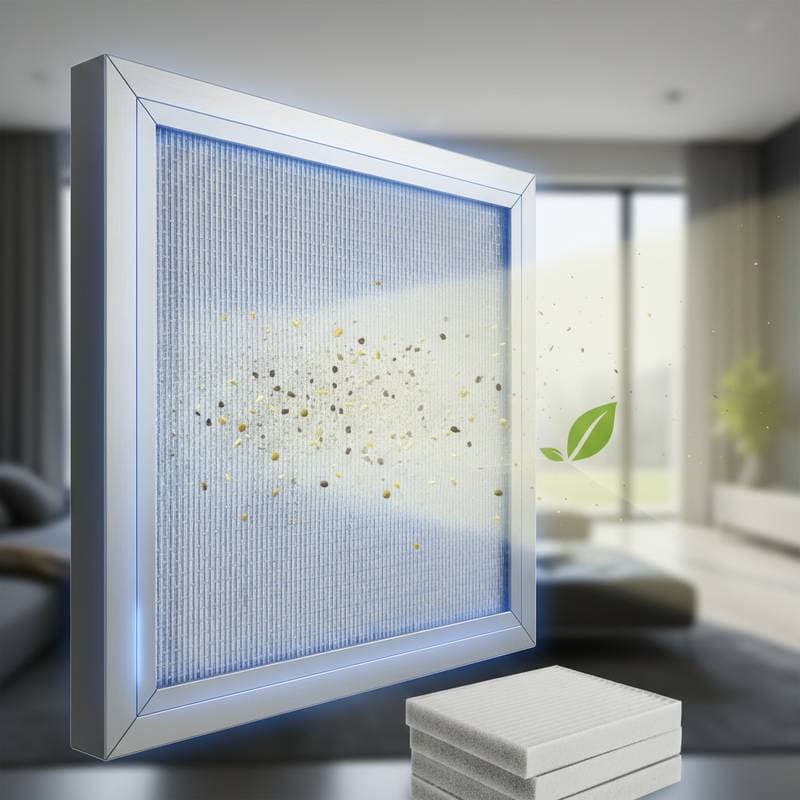
An electrostatic air filter serves as a durable option that employs an electric charge to seize airborne particles. Airflow through the filter generates friction, producing a static charge that draws in dust, pollen, pet dander, and similar irritants. Particles adhere to the filter's charged plates, preventing their distribution throughout the living space.
In contrast to disposable filters with thick fiber matrices, electrostatic models integrate charged metal or synthetic components. This approach mirrors the attraction observed when a rubbed balloon adheres to a wall. Homeowners benefit from years of service through periodic washing, promoting sustainability and economic efficiency in air purification efforts.
Indicators That Warrant an Air Filter Upgrade
Persistent issues with current HVAC filters signal the need for improvement. Frequent indoor allergy reactions, such as sneezing, eye irritation, or nasal congestion, indicate inadequate filtration. Rapid dust accumulation on surfaces and vents, along with stale or musty odors, further highlight deficiencies.
Extended HVAC operation cycles or diminished efficiency also point to filter limitations. Even regular replacements fail to resolve poor air quality in such cases. Transitioning to an electrostatic filter addresses these concerns by enhancing allergen capture and reducing irritant circulation.
The Mechanism of Electrostatic Filters
Electrostatic air filters operate through a straightforward, efficient sequence.
- Air flows into the filter, where particles encounter multiple layers of material.
- Friction from this contact produces a static electrical charge.
- The charge attracts and secures particles like dust and pollen to the filter surfaces.
- Purified air proceeds through the HVAC system for distribution.
This cycle activates with each system activation, ensuring ongoing purification without reliance on single-use components.
Comparing Electrostatic and HEPA Filters
HEPA and electrostatic filters both purify air, though their methods differ significantly. These distinctions guide selection for residential applications.
HEPA Filters
HEPA filters, or High Efficiency Particulate Air filters, employ dense fibers to ensnare microscopic particles. They excel in removing fine dust and allergens. However, potential airflow restrictions compromise HVAC efficiency, and their non-washable nature necessitates frequent, expensive replacements.
Electrostatic Filters
Electrostatic filters suit daily household demands with distinct strengths.
- They secure up to 99% of allergens and dust.
- Airflow remains unrestricted, supporting HVAC optimization.
- Washable construction cuts waste and expenses.
- Extended lifespan aligns with environmental priorities.
For typical residences, electrostatic filters deliver robust filtration alongside simplicity and savings.
Elements Influencing Electrostatic Filter Effectiveness
Multiple factors determine the performance of an electrostatic air filter.
- Airflow Compatibility: Select a filter aligned with the HVAC system's velocity to avoid strain.
- Material Quality: Premium synthetic or metallic layers enhance charge generation and particle retention.
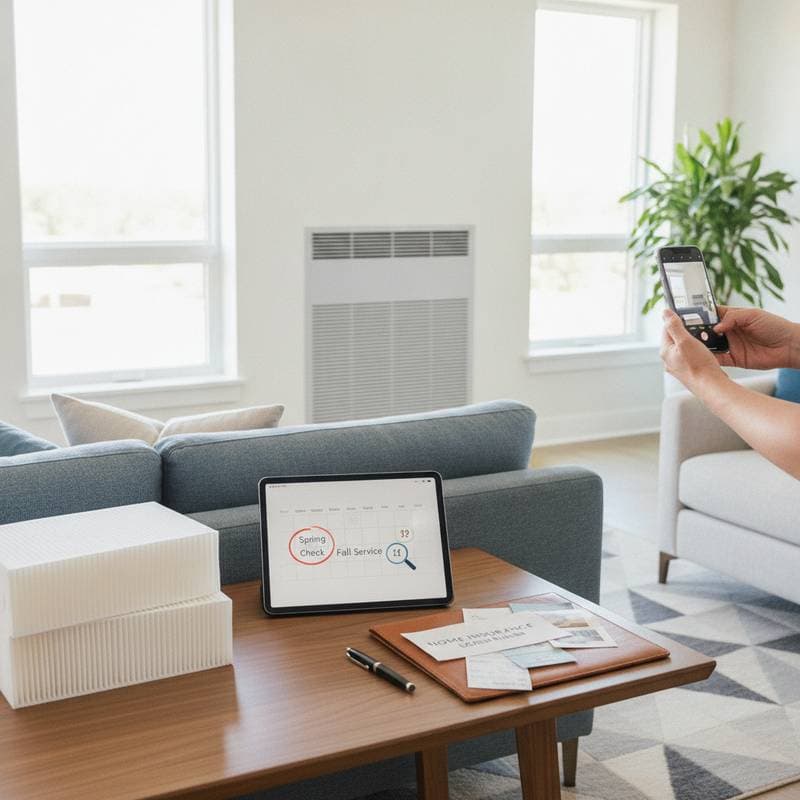
- Cleaning Schedule: Routine maintenance sustains filtration capacity.
- Humidity Control: Balanced indoor moisture prevents charge dissipation; levels above 60% may impair function.
- Secure Installation: A tight seal blocks unfiltered air from entering ducts.
Prioritize appropriate sizing and consistent upkeep to achieve dependable results.
Procedures for Cleaning and Upkeep
The washable nature of electrostatic filters simplifies maintenance and controls costs. Follow these steps for safe handling.
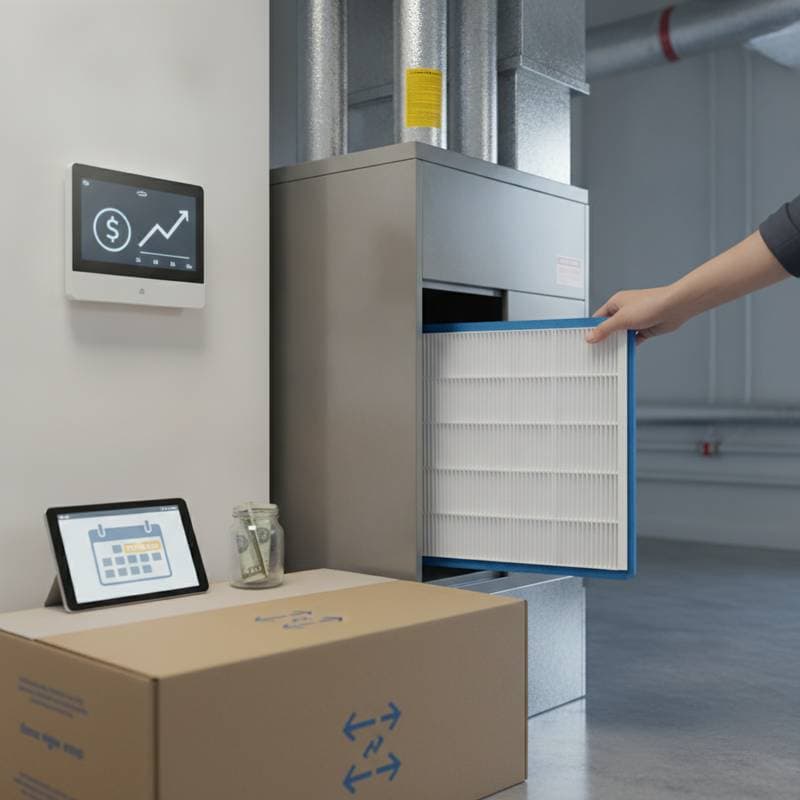
- Deactivate the HVAC system prior to filter removal.
- Extract the filter with care to minimize particle dislodgement.
- Rinse both sides using warm water from a hose or sprayer, applying low pressure to preserve integrity.
- Incorporate mild dish soap for stubborn residues.
- Allow complete air drying to avert mold development.
- Reinsert the filter and reactivate the system.
Conduct this process every one to three months, adjusting based on usage and air conditions.
Self-Maintenance Versus Professional Assistance
Homeowners manage basic electrostatic filter care independently, though experts address complex needs.
Self-Maintenance Tasks
- Rinse and dry the filter thoroughly.
- Inspect for structural damage like cracks.
- Ensure proper reinstallation for airtight performance.
These actions maintain system cleanliness with minimal effort.
Scenarios Requiring Professional Intervention
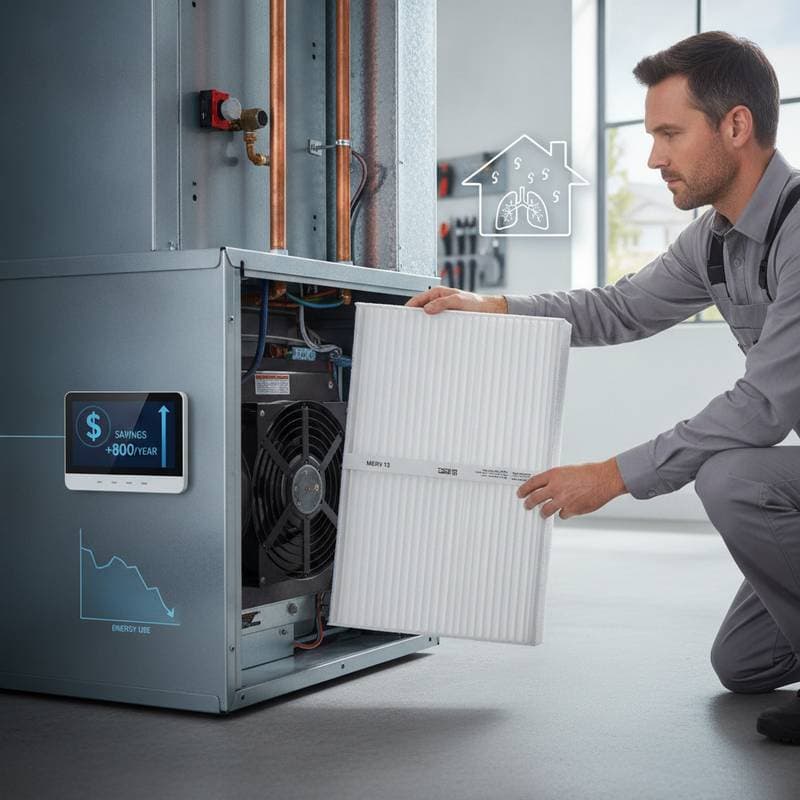
Seek technician support if the filter exhibits warping or tears. Sudden airflow reductions post-cleaning, atypical sounds, or persistent odors warrant attention. Suspected internal mold also demands expert evaluation.
Professionals examine the full HVAC assembly, cleanse components, and confirm filter efficacy, safeguarding equipment and air health.
Frequently Asked Questions
Do electrostatic filters capture 99% of allergens?
High-quality models achieve up to 99% capture of prevalent allergens including dust, pollen, and pet dander. Effectiveness hinges on design, maintenance, and installation accuracy.
What is the recommended cleaning frequency for electrostatic filters?
Clean every one to three months, tailored to air quality and system demands. Monthly intervals benefit homes with pets or allergy sufferers to uphold airflow and control.
Are electrostatic filters compatible with all HVAC systems?
Compatibility exists when size and airflow ratings align with system specifications. Review manufacturer recommendations and consult professionals for verification.
Is it possible to substitute a HEPA filter with an electrostatic one?
Most residential systems accommodate this change, as electrostatic filters fit standard slots. Verify dimensions and airflow suitability prior to installation.
Do electrostatic filters eliminate odors?
They target particles effectively but lag in odor neutralization compared to carbon-based options. Hybrid models integrating both functions offer comprehensive results.
Implementing Effective Air Purification
Enhancing home air quality requires more than disposable filters and recurring expenses. Electrostatic air filters provide enduring defense against allergens and particulates while optimizing HVAC function.
Opt for this washable solution to achieve cleaner air, reduced upkeep, and sustainable practices. Regular cleaning and periodic professional inspections ensure a comfortable, healthful environment year-round.