Understanding the FDA's Response to UV-C Air Purifier Claims
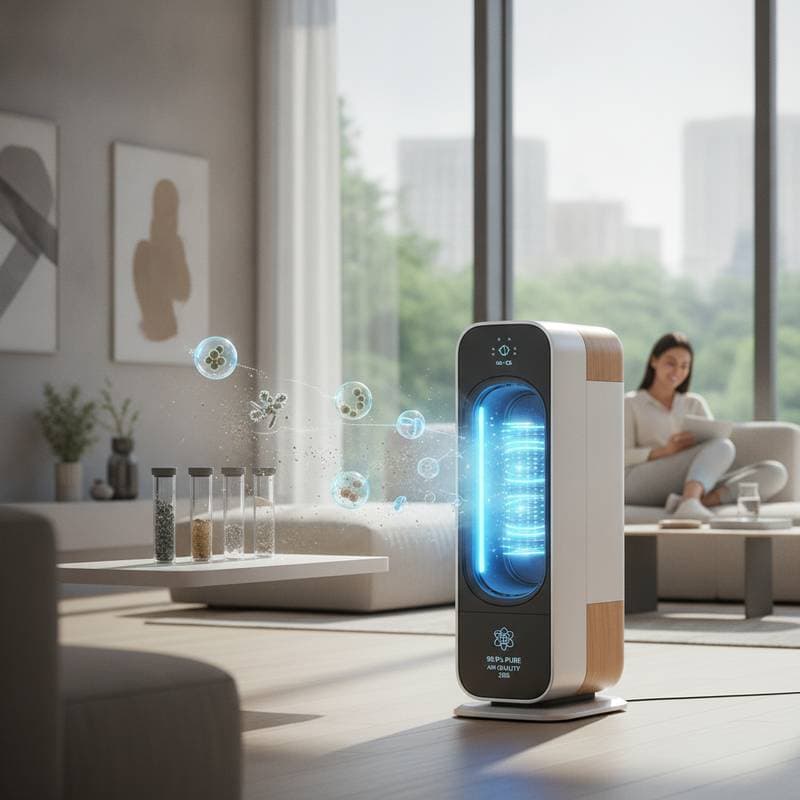
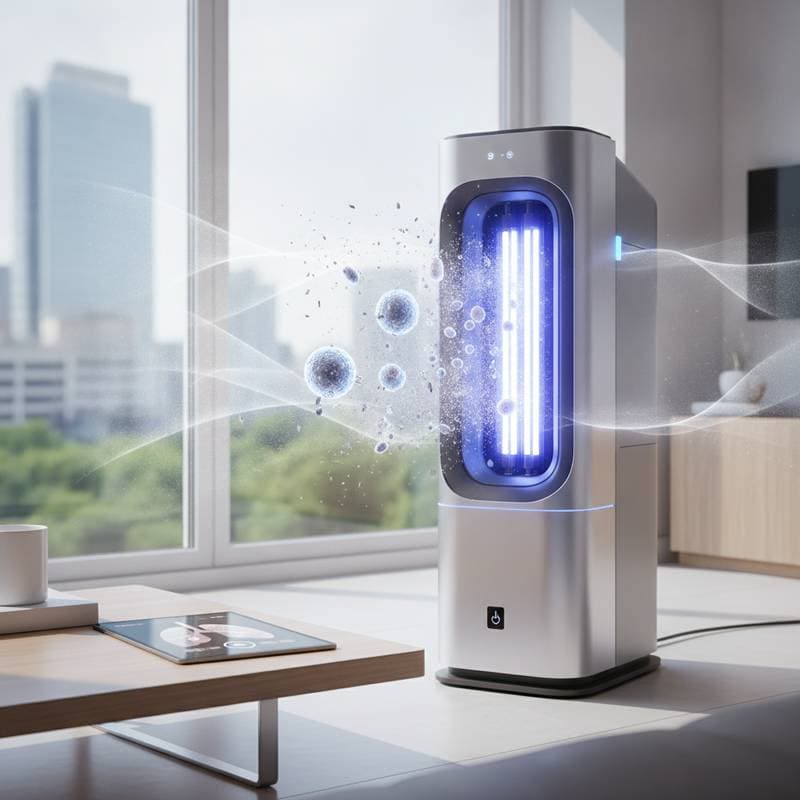
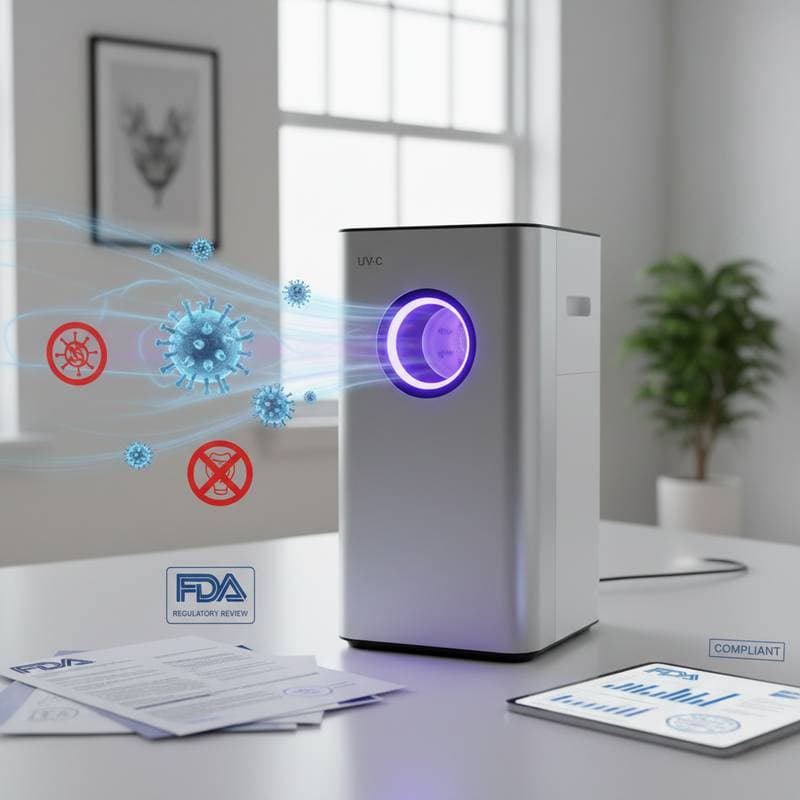
Rising worries about indoor air quality prompt many homeowners and businesses to invest in UV-C air purifiers. These devices purport to eliminate viruses, bacteria, and mold spores through ultraviolet light exposure. However, certain manufacturers promote them as medical-grade solutions capable of eradicating nearly all airborne pathogens, leading the FDA to intervene against such unsubstantiated assertions.
This piece details the nature of UV-C purifiers, their operational principles, the specific claims under examination, and the ramifications of recent regulations for producers and buyers. It further provides strategies to confirm product safety, grasp FDA jurisdiction, and select dependable air purification solutions for residential or commercial settings.
Reasons Behind the FDA's Intervention in UV-C Purifier Claims
The FDA's efforts concentrate on exaggerated or baseless assertions from select UV-C purifier producers. Numerous products receive promotion as validated killers or neutralizers of particular pathogens, such as respiratory illness viruses, absent adequate testing or regulatory approval.
Core Issues Driving the Concern
UV-C purifiers vary widely in design and capability. Certain models employ underpowered lamps or inadequate casings that prevent sufficient ultraviolet exposure. Additional units feature airflow velocities too rapid for meaningful microorganism-light interaction, resulting in performance well below promotional levels.
FDA Regulation and Compliance Measures
The FDA categorizes medical devices according to associated health risks. Products asserting disease prevention or treatment qualify as medical devices, necessitating pre-market clearance or approval. Several UV-C purifier makers issue health-related statements without FDA submission, thereby breaching federal regulations.
The agency dispatches warning letters to firms employing deceptive terminology or distributing non-conforming items via e-commerce sites. These notifications mandate advertising corrections, claim substantiation, or distribution halts pending regulatory adherence.
Prevalent Misleading Statements in UV-C Purifier Promotions
UV-C purifier ads frequently incorporate technical jargon that confuses buyers. Recent FDA scrutiny highlights repeated unsupported declarations, including:
- Assertions of total airborne virus removal
- Mentions of hospital-level sterilization lacking certification
- Declarations of FDA approval where none exists
- Guarantees of immediate disinfection irrespective of space dimensions or air circulation
- Inaccurate portrayals of ozone-free functionality despite potential ozone generation
Such statements sway purchasing choices yet often diverge from genuine capabilities. Verification of independent testing or FDA clearance remains essential for every product claim.
Implications of FDA Enforcement for Producers
FDA measures compel manufacturers to reassess marketing content, validation methods, and safety records. Entities formerly touting virus-killing prowess now face requirements to furnish empirical evidence or eliminate those declarations.
Essential Proof and Validation Requirements
Producers must establish:
- Lab validations confirming action against targeted microbes
- Harmless UV-C intensities that spare humans and animals
- Precise labeling reflecting true capabilities
- Detailed protocols for upkeep and lamp substitution
Non-compliance invites device confiscation, monetary penalties, and enforced withdrawals.
Effects on the Marketplace
This regulatory push transforms the UV-C purifier sector. Established firms with corroborated information gain enhanced credibility, whereas unproven items encounter delisting from digital and physical outlets. The change promotes superior production practices and forthright promotions.
Selecting a Secure and Efficient Air Purifier
Buyers pursuing improved indoor air encounter diverse alternatives to standalone UV-C units. Optimal strategies integrate varied technologies addressing distinct contaminants.
Key Attributes to Seek
- True HEPA filtration: Captures minuscule particles like dust, pollen, and smoke.
- Activated carbon filtration: Traps odors and volatile organic compounds.
- Supplementary UV-C component: Incorporated solely if securely enclosed and validated.
- AHAM or ENERGY STAR endorsement: Confirms performance reliability.
Incorporate UV-C as an enhancement to filtration, not a substitute.
Factors Influencing UV-C Purifier Expenses and Upkeep
Costs fluctuate, yet vigilance against inexpensive units lacking validation proves wise. The following table outlines typical pricing and care elements.
| Type | Average Cost | Description |
|---|---|---|
| Portable UV-C purifier | $100 - $400 | Compact devices for individual rooms with constrained UV contact |
| Whole-home UV-C system | $500 - $1500 | HVAC-integrated installations demanding expert assembly |
| Replacement UV bulbs | $30 - $100 | Exchanged every 6 to 12 months per guidelines |
Upkeep entails bulb and reflector cleansing, filter renewals, and verification of sealed UV compartments to avoid light escape.
Frequently Asked Questions About UV-C Purifiers
Are UV-C air purifiers suitable for residential use?
Affirmative, provided designs and installations prioritize safety. Reliable models confine UV light inside the device enclosure, shielding occupants and animals from exposure. Confirmation of independent safety evaluations and ozone levels below thresholds remains crucial.
Do UV-C air purifiers eliminate viruses?
These devices deactivate select viruses under controlled parameters, yet outcomes hinge on duration, strength, and circulation factors. No unit assures comprehensive airborne pathogen removal. Skepticism toward total disinfection pledges prevails without supporting lab evidence.
What is the replacement interval for UV-C bulbs?
Bulbs diminish efficacy prior to visible failure. Manufacturers advise changes every 6 to 12 months based on usage. Consistent servicing upholds performance and security.
Can UV-C purifiers supplant conventional filters?
Negative. UV-C addresses microbes, whereas HEPA and carbon elements handle particulates and vapors. Comprehensive systems blend mechanical filtration with UV-C for wider contaminant coverage.
Which bodies regulate air purifier safety beyond the FDA?
The Environmental Protection Agency (EPA) and Occupational Safety and Health Administration (OSHA) additionally oversee ozone output and occupational hazards. Compliance with standards from various authorities benefits consumers.
Sourcing Dependable Information on Air Purifiers
With heightened FDA supervision, buyers prioritize authenticated facts over promotional rhetoric. Credible producers disclose test outcomes, safety validations, and care directives. Examination of manuals, pursuit of external validations, and HVAC expert consultations facilitate secure deployment.
Essential Inquiries Prior to UV-C Purifier Purchase
- Does the FDA register or clear this product?
- Does it satisfy EPA and OSHA criteria?
- Can the producer supply lab validation reports?
- What upkeep routine optimizes function?
- Does it emit ozone, and at what concentration?
- Is the UV-C illumination entirely internalized?
- What filtration accompanies the UV-C element?
- Are spare components readily obtainable?
- Who manages installation and servicing for duct systems?
- What assurances or refund options apply for subpar results?
Advancing Healthier Indoor Environments Through Informed Selections
The FDA's pursuit of UV-C purifier claim accuracy underscores the need for candor and empirical support within air purification. Homeowners benefit by emphasizing products with transparent documentation, assured safety, and attainable outcomes, thereby securing genuine air quality improvements.