Why Whole-Home Humidity Systems Revolutionize Indoor Comfort
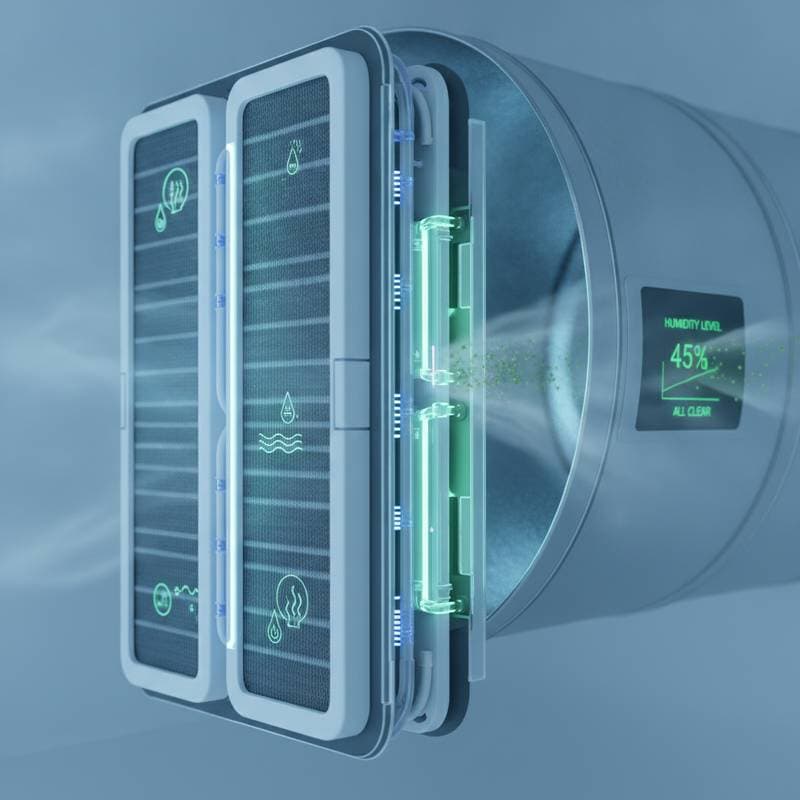
Whole-home humidity control systems maintain optimal moisture levels across every room, creating a consistently comfortable and healthy environment. These systems integrate seamlessly with existing HVAC setups, providing uniform coverage that portable devices cannot match. Homeowners gain protection against mold, structural damage, and excess energy use, all while enjoying improved air quality.
The initial investment for a whole-home dehumidifier typically falls between $1,500 and $3,500, including professional installation. This upfront cost exceeds that of standalone units, yet the savings in maintenance, energy bills, and repairs quickly offset it. Below, explore how these systems function, their key benefits, and essential considerations for implementation.
Understanding Average Costs for Whole-Home Dehumidifiers
Costs vary based on system capacity, features, and home specifics. The following table outlines typical installed prices:
| System Type | Average Cost (Installed) | Description |
|---|---|---|
| Basic Central Dehumidifier | $1,500 – $2,000 | Suited for smaller homes with moderate humidity challenges; basic integration with HVAC. |
| Mid-Range Whole-Home System | $2,000 – $3,000 | Features automatic sensors and smart controls for precise moisture regulation. |
| High-Capacity or Smart System | $3,000 – $3,500+ | Ideal for larger properties; supports zoning, smart thermostat compatibility, and advanced monitoring. |
These figures account for standard installation and duct connections. Additional expenses may arise in homes with intricate layouts or outdated HVAC infrastructure, such as custom duct modifications or electrical enhancements.
Key Factors Influencing Whole-Home Humidity Control
Effective humidity management depends on several elements that affect both performance and expense.
1. Home Size and Layout
Larger residences demand systems with greater capacity to distribute dehumidified air evenly. In homes with open layouts, strategic airflow design prevents pockets of high humidity, ensuring balanced conditions throughout.
2. HVAC System Compatibility
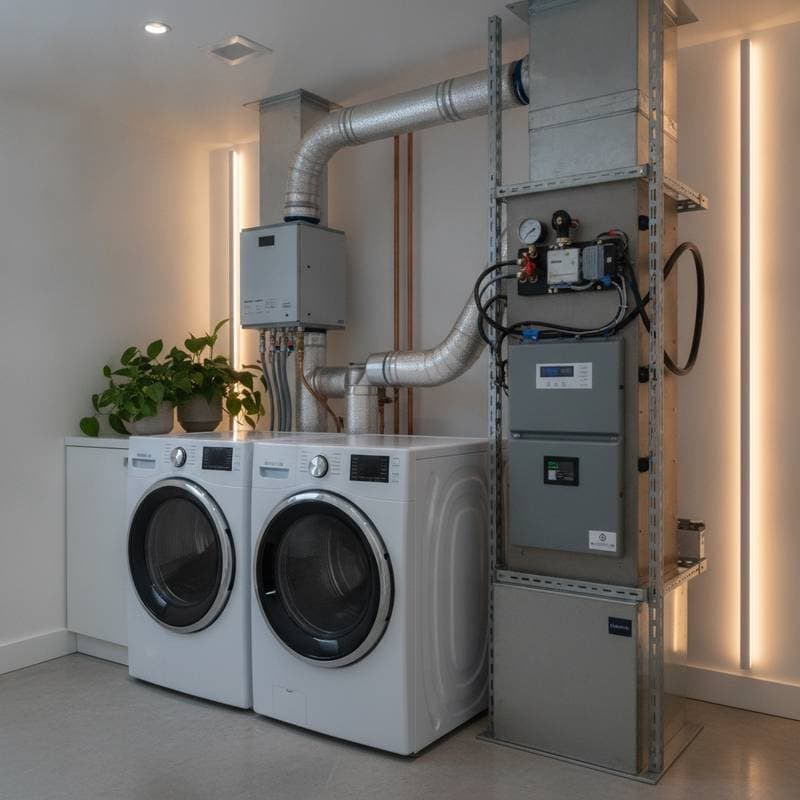
Contemporary HVAC units pair effortlessly with humidity controls through direct integration. Older systems often require supplementary parts, like adapters or power upgrades, to achieve seamless operation and avoid inefficiencies.
3. Local Climate Demands
Properties in high-humidity areas, such as coastal regions, see the greatest advantages from dehumidification. In arid zones, humidifiers become essential; versatile systems that switch between dehumidifying and humidifying modes provide year-round stability.
4. Advanced Control Options
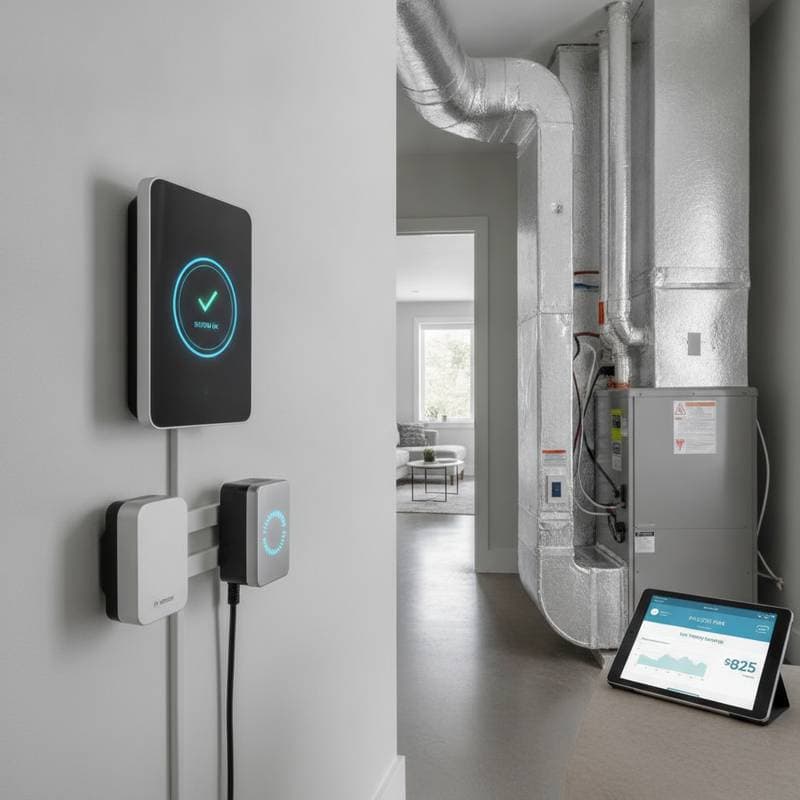
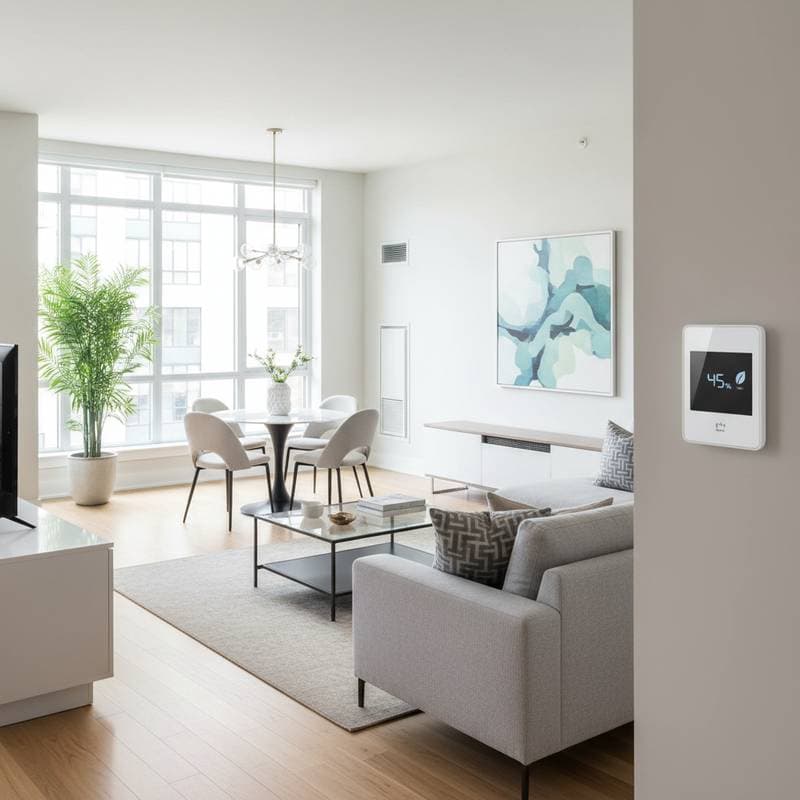
Humidity sensors and programmable thermostats enable fine-tuned settings for specific needs. Remote access via Wi-Fi apps allows adjustments from anywhere, optimizing energy use and responding promptly to environmental shifts.
5. Professional Installation Requirements
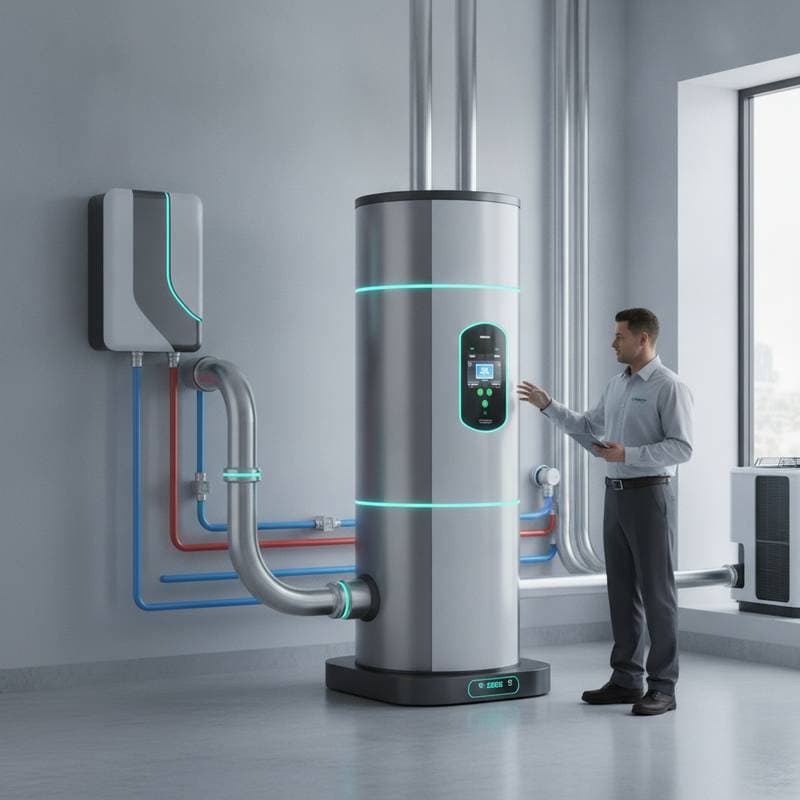
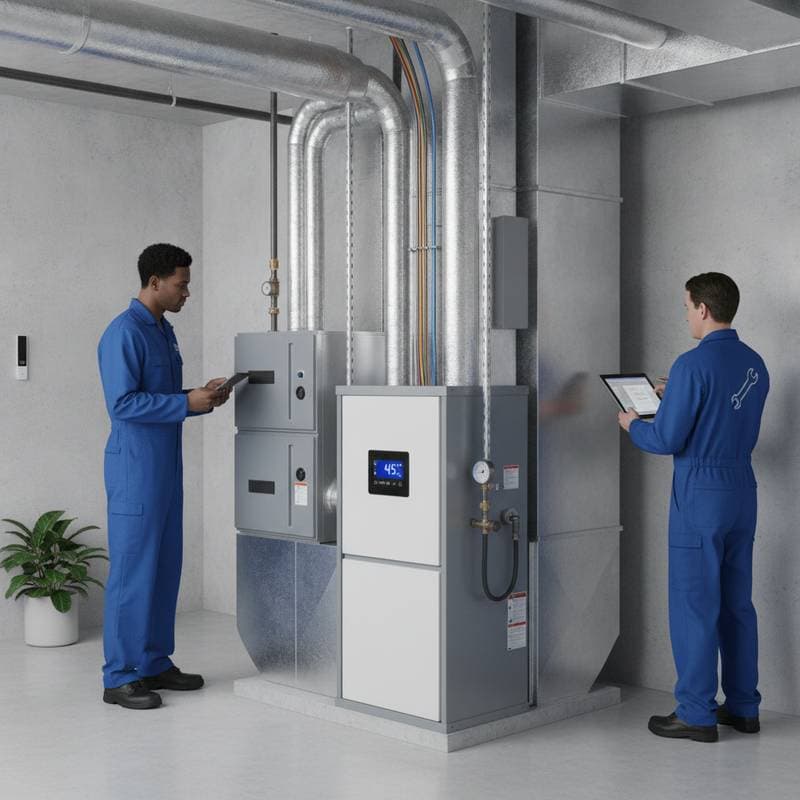
Skilled technicians calibrate airflow, secure drainage lines, and test integration during setup. Regional labor rates influence costs, but thorough installation minimizes risks like leaks or uneven performance over time.
Steps to Install Whole-Home Humidity Control
Selecting the right professional ensures a smooth process and reliable results.
Essential Questions for HVAC Contractors
Prepare these inquiries to evaluate expertise and fit:
- What capacity and model best match my home's size and humidity profile?
- How does this system connect to my existing HVAC without disrupting operations?
- Will you provide ongoing maintenance services post-installation?
- What warranty coverage and service options come standard?
- Are rebates available for energy-efficient models in my area?
- What is the expected timeline for complete installation?
- How often should filters and drains receive attention?
- Is integration with a smart thermostat feasible?
- What target humidity range supports peak comfort and health?
- What tools or apps facilitate daily monitoring and tweaks?
A certified technician handles calibration to prevent common pitfalls, such as moisture buildup or system overloads. This step-by-step approach guarantees longevity and efficiency from day one.
Sustaining Performance for Enduring Benefits
After installation, routine inspections preserve the system's effectiveness. Annual professional tune-ups address wear, clean components, and verify sensor accuracy, extending operational life.
Stable humidity levels shield furnishings from warping, electronics from corrosion, and respiratory health from allergens. Homeowners report fewer HVAC repairs and lower utility expenses, underscoring the value of this upgrade. Embrace whole-home humidity control to foster a resilient, inviting living space that endures seasonal demands.