Why 2026 Codes Demand Smarter HVAC Humidity Control
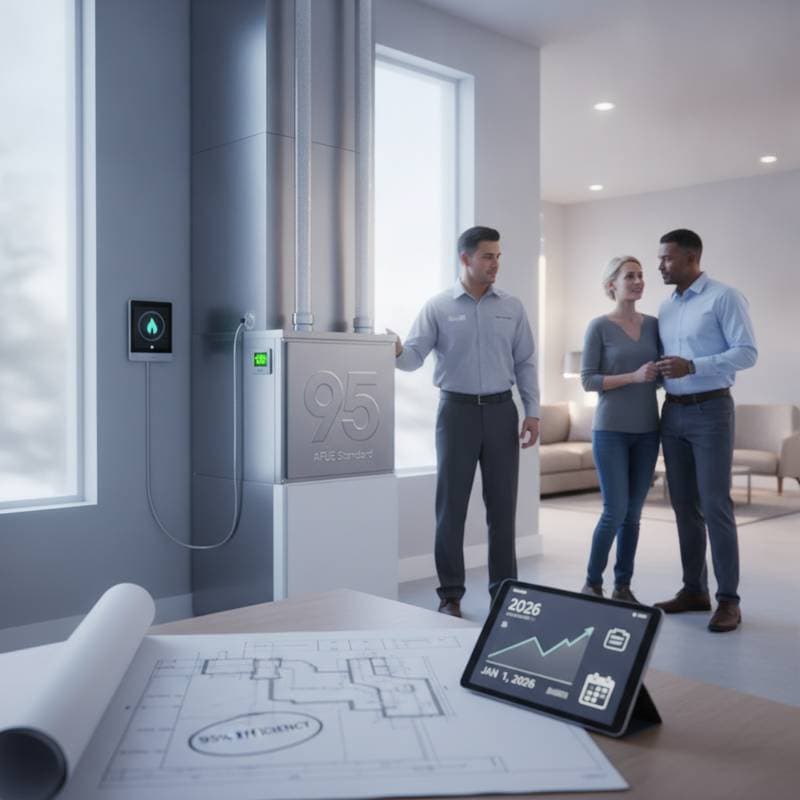
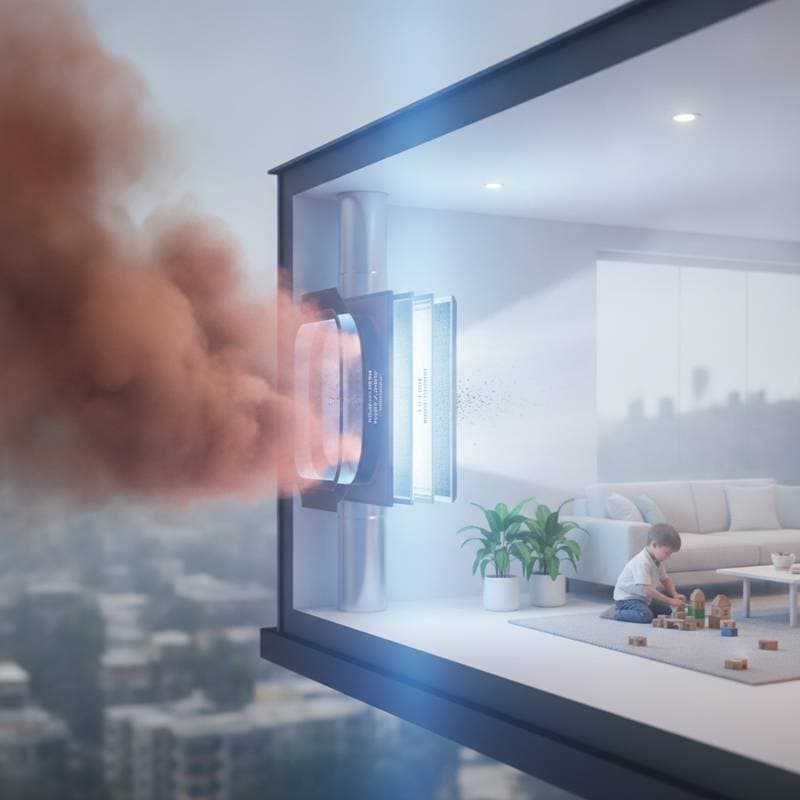
The upcoming building codes establish stricter humidity control requirements for all new HVAC installations. These regulations aim to enhance indoor air quality, minimize energy consumption, and safeguard building materials against moisture-related deterioration. HVAC systems must now incorporate precise measurement, management, and maintenance of indoor humidity levels to achieve compliance. This article details the implications of these standards, their significance, and preparation strategies for homes and businesses ahead of implementation.
| Key Point | Summary |
|---|---|
| Purpose of New Codes | Enhanced indoor air quality and energy efficiency |
| Main Requirement | Advanced humidity monitoring and control |
| Affected Systems | All new HVAC installations and major retrofits |
| Typical Humidity Range | 30% to 60% relative humidity |
| Recommended Action | Upgrade to variable-speed or smart HVAC systems |
Average Costs for Smarter Humidity Control
Compliance with the new humidity standards frequently requires installing additional sensors, advanced thermostats, or variable-speed HVAC systems. Costs fluctuate based on system type and property size.
| Upgrade Type | Average Cost Range |
|---|---|
| Smart Thermostat with Humidity Control | $250 - $600 |
| Whole-Home Dehumidifier | $1,500 - $3,000 |
| HVAC System with Variable-Speed Compressor | $7,000 - $14,000 |
| Integrated Building Automation System | $3,500 - $10,000 |
These investments raise initial expenses but yield sustained benefits, including greater comfort, reduced energy demands, and decreased repairs from excess moisture.
Key Factors That Affect Humidity Control Costs
Multiple elements determine the expense of achieving humidity control compliance. Awareness of these factors enables informed planning for system enhancements.
HVAC System Type
Central systems, ductless mini-splits, and heat pumps process moisture in unique ways. Central air units often necessitate supplementary dehumidifiers, whereas mini-splits commonly include integrated humidity sensors. Heat pumps equipped with variable-speed compressors provide optimal comfort and efficiency through superior moisture handling.
Home Size and Layout
Properties with greater square footage or multiple zones demand extra sensors and control modules to sustain uniform humidity. Intricate designs, such as those with elevated ceilings or expansive open areas, require enhanced airflow strategies to distribute conditioned air effectively.
Equipment Efficiency
Units boasting higher SEER2 or AFUE ratings excel at moisture management due to prolonged operation at reduced speeds. This approach stabilizes humidity without abrupt temperature fluctuations, promoting consistent indoor conditions.
Installation Complexity
Modifying older structures for humidity controls may entail new duct installation, electrical modifications, or smart thermostat incorporation. Such tasks extend labor duration and elevate overall expenses.
Local Climate Conditions
Regions with high humidity levels call for robust moisture extraction capabilities, while arid areas might benefit from systems that introduce humidity in colder seasons. Climate specifics guide the selection of appropriate equipment to address regional challenges.
Types of HVAC Systems with Advanced Humidity Control
Evolving codes emphasize intelligent moisture oversight, prompting adoption of specialized HVAC technologies with unique strengths.
Central Air Conditioning Systems
Pros
- Integrates seamlessly with whole-home dehumidifiers
- Suited for expansive residences
- Pairs effectively with smart thermostats
Cons
- Involves elevated installation expenses
- Demands routine upkeep of ducts and drainage components
Heat Pumps
Pros
- Delivers heating and cooling functions
- Achieves superior efficiency via variable-speed compressors
- Incorporates humidity monitoring capabilities
Cons
- Performance may decline in severe cold
- Entails higher upfront investment than basic alternatives
Ductless Mini-Splits
Pros
- Enables independent humidity and temperature regulation per zone
- Eliminates energy losses from ducts
- Operates quietly with high efficiency
Cons
- Necessitates several indoor units
- Proves less ideal for vast or multi-level properties
Whole-Home Dehumidifiers
Pros
- Complements existing HVAC setups
- Preserves optimal humidity throughout the year
- Mitigates mold risks and elevates comfort
Cons
- Adds to installation expenditures
- Potentially raises energy consumption marginally
Signs You Need Better Humidity Control
Current symptoms may signal the issues these codes seek to resolve. Observe these indicators of inadequate HVAC humidity management:
- Condensation forming on windows
- Persistent musty smells within the property
- Distorted wooden flooring or flaking paint
- Heightened allergy or breathing difficulties
- Air that feels sticky despite comfortable temperatures
- Recurrent mold or mildew in moist areas like bathrooms and basements
Presence of these signs suggests inefficient humidity regulation by the existing system.
The Installation Process for Smarter HVAC Humidity Control
Upgrading for enhanced humidity oversight follows a structured sequence:
-
Assessment and Load Calculation
Professionals inspect property dimensions, insulation quality, and air circulation to specify suitable equipment and target humidity levels. -
Equipment Selection
Contractors propose dehumidifiers, sensors, or advanced HVAC components aligned with code requirements. -
System Integration
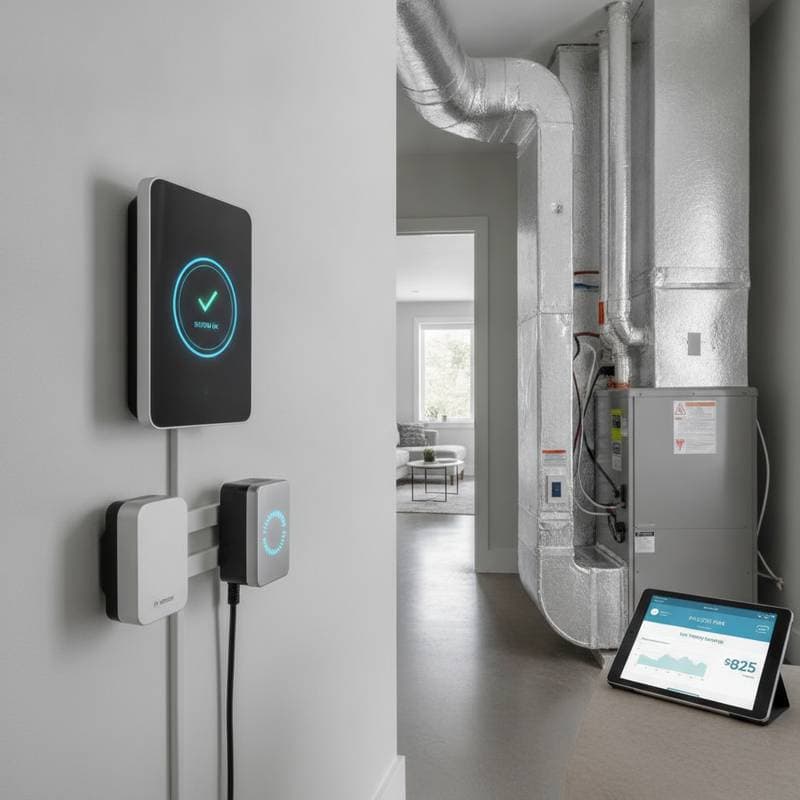
Installers fit smart thermostats and variable-speed elements, linking them for unified operation. -
Calibration and Testing
Specialists verify humidity efficacy and fine-tune configurations to hold levels between 30% and 60%. -
Homeowner Education
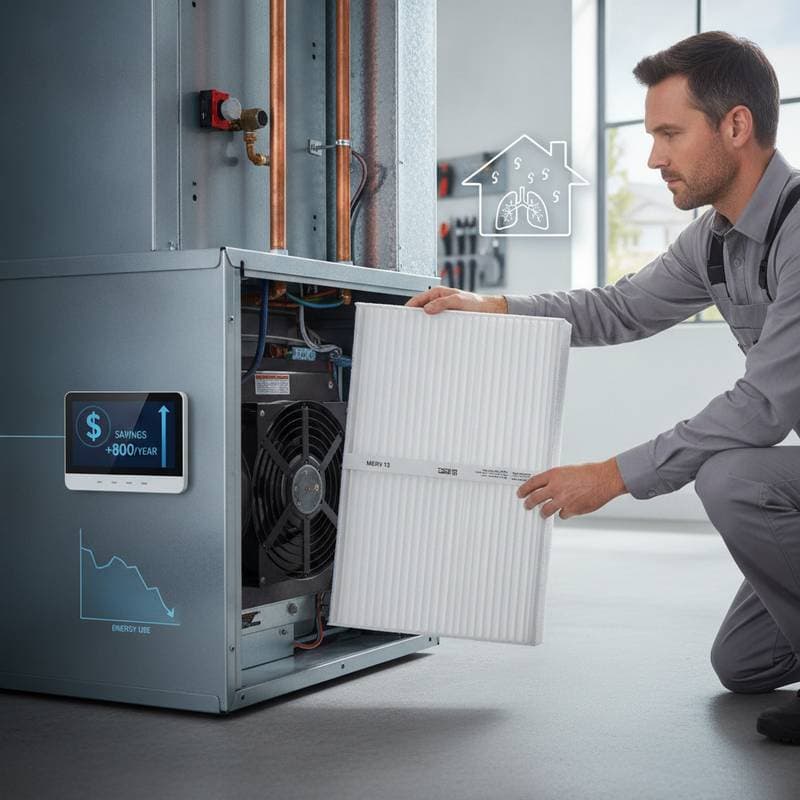
Guidance covers smart control usage, filter maintenance, and humidity tracking via thermostats or apps.
HVAC Labor Costs for Humidity Control Upgrades
Labor accounts for 30% to 50% of total upgrade expenses. Simple tasks, such as installing a smart thermostat, incur $150 to $300 in labor fees. Comprehensive endeavors, like incorporating a whole-home dehumidifier or sensors into ductwork, range from $800 to $2,000 for labor.
Frequently Asked Questions About Humidity Control and New Codes
Why are the new building codes focusing on humidity control?
Excessive humidity fosters mold proliferation, indoor pollutants, and structural harm. These codes underscore humidity management as vital for occupant health, comfort, and operational efficiency.
Will I need to replace my entire HVAC system?
Complete replacement proves unnecessary in many instances. Enhancements via smart thermostats, supplementary sensors, or independent dehumidifiers suffice. Full overhauls apply primarily to aging units approaching obsolescence.
What humidity level should I maintain indoors?
Target 30% to 60% relative humidity. This spectrum discourages mold while ensuring air remains comfortable, avoiding excessive dampness or aridity.
Do smart thermostats help with humidity control?
Affirmative. Contemporary models feature humidity sensors that modulate fan speeds or engage dehumidifiers to sustain equilibrium.
How do humidity upgrades improve energy efficiency?
Precise control diminishes frequent HVAC cycling. Steady performance conserves energy and upholds consistent comfort.
Are these upgrades worth the cost?
Generally, they prove valuable. Enhanced humidity regulation prolongs equipment durability, cuts maintenance expenses, and refines indoor quality. Compliance with regulations adds further assurance.
Can I install humidity controls myself?
Devices like smart thermostats suit DIY installation. However, central system integrations for sensors or dehumidifiers demand professional skills to guarantee accurate setup.
Preparing for Compliance Through Targeted Upgrades
New codes elevate expectations for indoor environments and system performance. Effective humidity control transitions from preference to necessity in contemporary HVAC design. Proactive enhancements avert regulatory hurdles, shield properties from moisture threats, and foster healthier living spaces. Initiate progress with a specialist HVAC evaluation to assess current performance and identify compliant upgrade options.