Why 40% of Homeowners Opt for Monthly HVAC Maintenance Plans
Homeowners increasingly select monthly payments for HVAC services. This preference extends beyond a temporary fad. These maintenance plans, known as HVAC subscription services, enable families to safeguard comfort, prevent system failures, and control expenses effectively. Individuals who have faced abrupt repair costs or concerns over equipment malfunctions during peak seasons may find this method suitable. The following sections explain the reasons for the growing adoption of preventive maintenance plans and their operational details.
Understanding HVAC Subscription Services
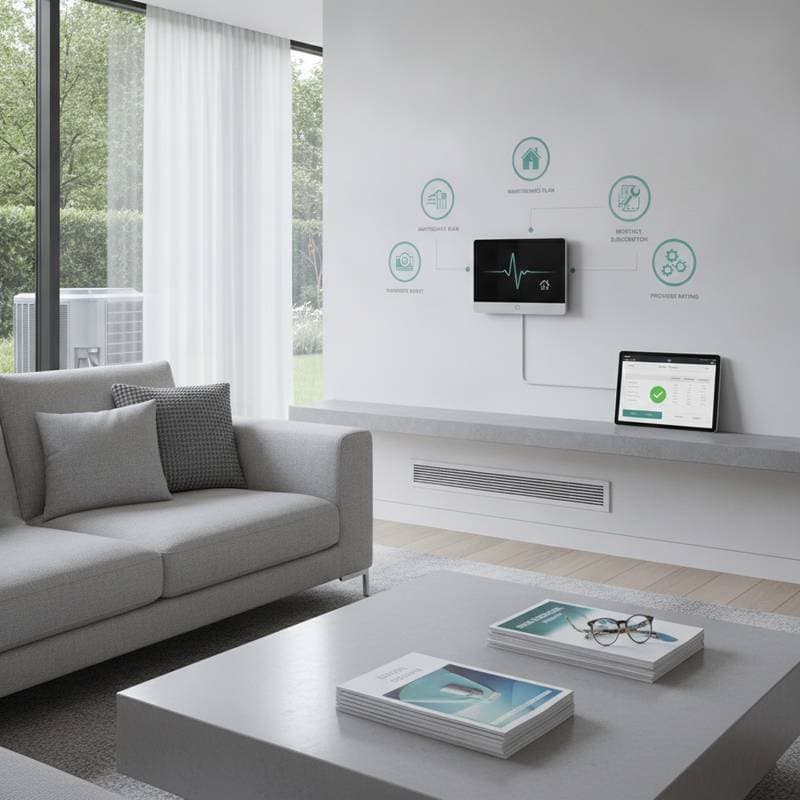
An HVAC subscription service involves a monthly fee that encompasses routine maintenance, inspections, and occasional repairs for heating and cooling systems. Rather than incurring charges for each isolated service, subscribers remit a fixed amount periodically. Providers then arrange seasonal tune-ups, evaluate system performance, and maintain documentation of prior services.
Such plans aim to sustain optimal equipment operation while mitigating expensive emergencies. Numerous homeowners appreciate the ease of automated appointments and steady payments, which surpass the challenges of independent maintenance management.
Reasons Homeowners Select Monthly HVAC Plans
Several factors explain why close to 40% of homeowners favor monthly HVAC care over reactive repairs.
Consistent Costs and Simplified Budgeting
Sudden HVAC repairs often prove costly. Monthly plans distribute these expenses across the year. This arrangement facilitates straightforward budgeting for household upkeep without the anxiety of unforeseen charges.
Reduced Failures and Extended Equipment Durability
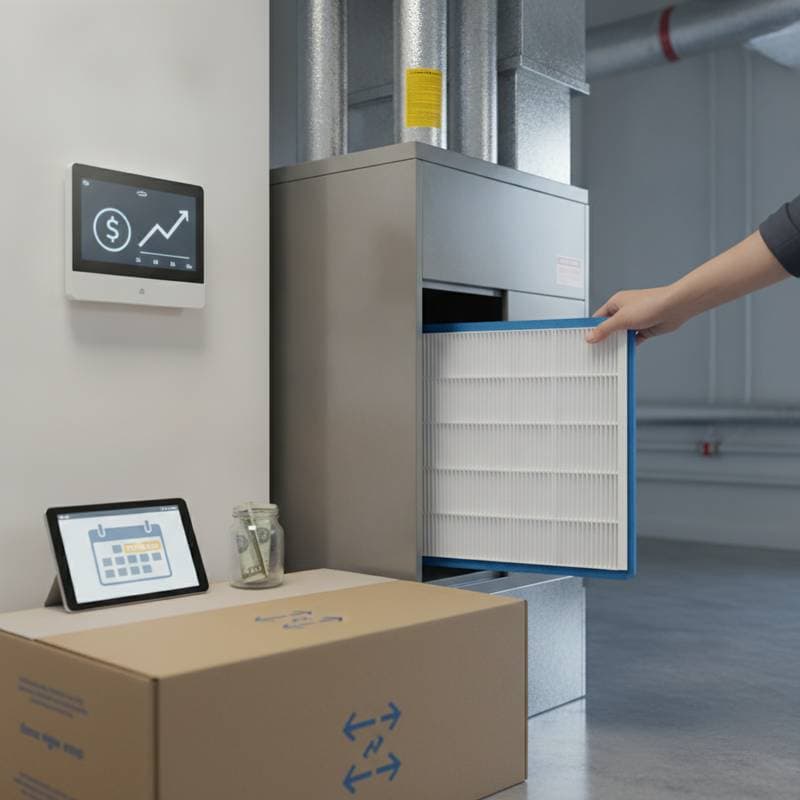
Regular checks identify minor issues early, preventing escalation. Tasks such as filter cleaning, part lubrication, and refrigerant calibration minimize system strain. With ongoing care, equipment longevity increases, and dependability improves over time.
Enhanced Energy Performance
Accumulated dust and debris diminish HVAC efficiency. A thoroughly maintained unit consumes less power, potentially decreasing utility expenses. Homeowners frequently observe quieter operation and more uniform temperature control following tune-ups.
Expedited Service and Cost Reductions
HVAC subscriptions typically offer priority access during high-demand periods and reduced fees for repairs or components. In instances of severe weather, members receive prompt attention compared to those requesting service on short notice.
Assurance and Reliability
Professional oversight of the system instills confidence in year-round home comfort. Subscribers avoid the need to track service schedules or fret over potential breakdowns during inconvenient moments.
Components of a Standard HVAC Maintenance Plan
Providers vary in offerings, yet most monthly plans include essential elements.
- Two annual tune-ups, one dedicated to heating and one to cooling
- Air filter cleaning and replacement
- Refrigerant level verification and electrical connection assessments
- Safety control and thermostat inspections
- Lubrication of mechanical components
- Airflow and temperature differential evaluations
Premium options might incorporate indoor air quality assessments, small part substitutions, or prolonged warranties for comprehensive protection.
Comparing Monthly Subscriptions to Per-Service Payments
When evaluating subscriptions against individual service fees, consider these aspects.
Scenarios Favoring Monthly Plans
- Preference for steady expenses and hands-off scheduling
- Newer HVAC systems requiring upkeep to uphold warranties
- Desire for expert monitoring of maintenance history and performance
Situations Suited to Per-Service Approaches
- Availability of alternative heating or cooling sources with tolerance for sporadic repairs
- Aging systems approaching replacement
Each method supports system health, though subscriptions frequently lower cumulative repair expenses via proactive measures.
Influences on HVAC Plan Pricing
Subscription costs fluctuate due to multiple variables.
- System Scale and Configuration Larger units or multi-zone setups demand more thorough servicing.
- Inspection Cadence Basic plans feature biannual visits, whereas advanced ones provide quarterly reviews.
- Additional Perks Coverage for parts or expedited service elevates premiums.
- Regional and Provider Variations Local wage standards and technician expertise impact rates.
Homeowners generally encounter fees ranging from $15 to $50 monthly, contingent on the package. Request an itemized breakdown prior to commitment.
Frequently Asked Questions
Do HVAC Maintenance Plans Generate Savings?
Yes. Proactive care diminishes the likelihood of significant repairs and optimizes energy use. Accumulating reductions in utility costs and emergency responses often exceed subscription fees over time.
Is Self-Performed HVAC Maintenance Feasible?
Basic actions like filter replacement suit capable individuals. However, comprehensive inspections involve technical skills and safety protocols best handled by certified professionals to avoid risks or inefficiencies.
What Occurs Upon Subscription Cancellation?
Most providers permit cancellation with notice, though some impose early termination fees or require payment for recent services. Review contract terms to understand obligations and potential refunds.
Do Subscriptions Benefit Older Systems?
Absolutely, provided the equipment remains viable. Routine maintenance can prolong functionality and avert failures, but assess the unit's condition first; severely worn systems may warrant replacement over subscription investment.
Selecting and Implementing Your HVAC Maintenance Strategy
Evaluate your home's needs and budget to identify an appropriate plan. Contact reputable providers for quotes and coverage details. Initiate service promptly to secure immediate benefits in efficiency and reliability, ensuring sustained comfort without disruption.