2026 45dB Limits: Heat Pumps Quiet Down in 18 States
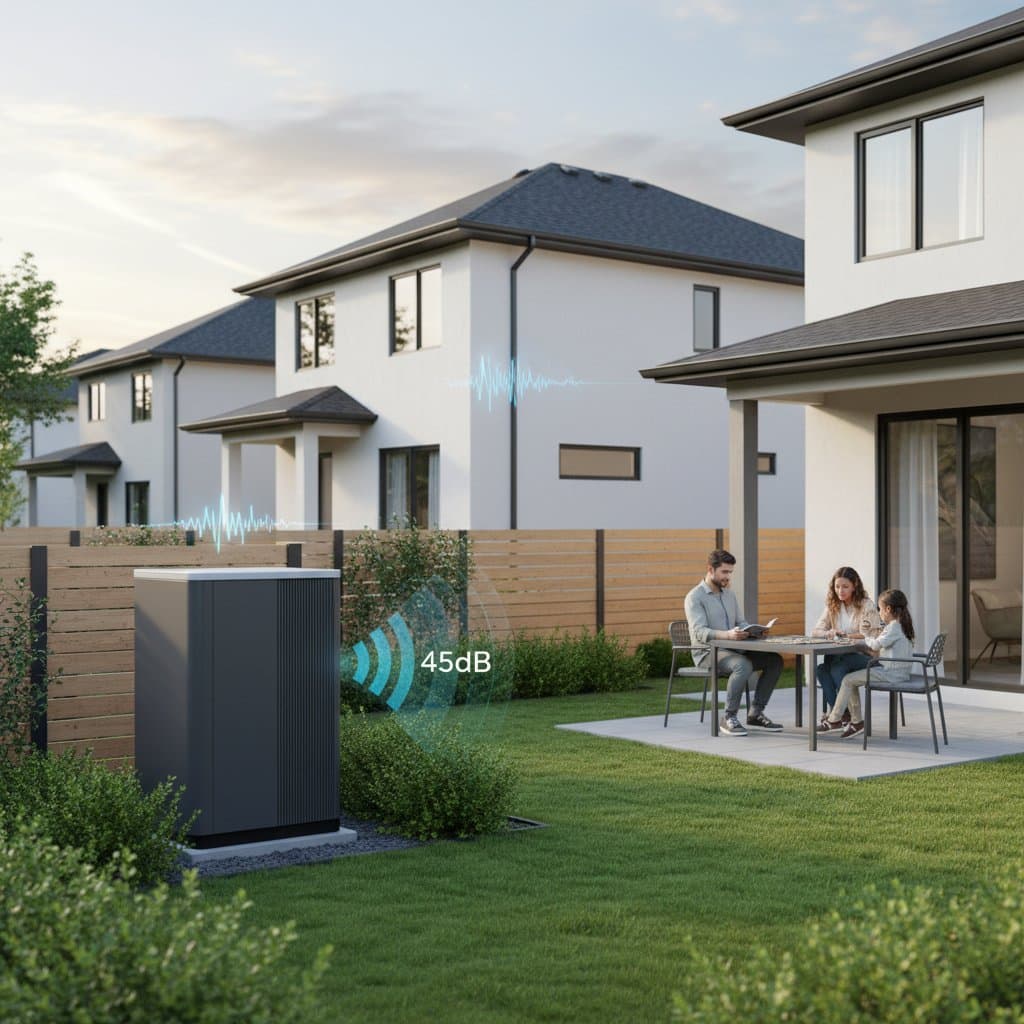
New residential noise regulations establish a 45-decibel limit for outdoor heat pumps in 18 states. By 2026, all new installations must adhere to these quieter operating standards to address neighborhood noise complaints. Manufacturers respond by developing more efficient, low-sound systems that maintain home comfort without disrupting the surrounding environment. This guide details the 45dB rule, its implications for homeowners, and strategies for selecting compliant heat pumps.
| Key Detail | Summary |
|---|---|
| New Noise Limit | 45 decibels for outdoor operation |
| Affected Areas | 18 states implementing residential sound restrictions |
| Primary Goal | Minimize outdoor noise pollution from HVAC equipment |
| Homeowner Impact | Necessitates selection of updated, quieter heat pump models |
| Compliance Date | Mandatory for new installations following regulation enforcement |
Average Heat Pump Noise Levels
Current residential heat pumps typically produce sounds between 50 and 75 decibels, comparable to a normal conversation or a dishwasher in operation. The 45dB limit marks a significant advancement in noise reduction technology. Consider these equivalents for context:
- 45 dB: Comparable to a quiet library environment
- 55 dB: Similar to a standard indoor conversation
- 65 dB: Akin to a typical outdoor air conditioning unit
Advanced features such as variable-speed compressors and insulated enclosures enable many high-end models to approach this threshold. For those upgrading from older units, compliance guarantees a substantially quieter outdoor setting.
Key Factors That Affect Heat Pump Noise
Multiple elements determine the noise output of a heat pump. Knowledge of these components aids in selecting a system that meets regulatory standards.
Compressor Type
The compressor serves as the core component of any heat pump. Traditional single-speed compressors activate at maximum capacity, generating increased vibration and audible hum. In contrast, variable-speed compressors modulate their operation to match demand, delivering consistent comfort with reduced noise levels.
Fan Blade Design
Efficient fan blades, often larger and aerodynamically curved, promote smooth airflow and minimize turbulence. Manufacturers enhance quietness further through specialized fan housings and low-vibration motors. These design choices collectively lower the overall sound profile of the unit.
Unit Placement
The location of the outdoor unit significantly influences perceived noise. Proximity to bedrooms or shared property boundaries amplifies disturbances. Optimal placement involves a stable, isolated pad positioned away from windows and neighboring structures to dampen sound transmission.
Sound Insulation
High-quality heat pumps incorporate sound-absorbing blankets and enclosed compressor compartments. These features capture vibrations and attenuate mechanical noises before they propagate outward. Selection of models with robust insulation ensures compliance and enhances neighborhood harmony.
Types of Heat Pumps and Their Noise Profiles
Various heat pump configurations exhibit distinct noise characteristics. Review these common types to identify the best fit for specific needs.
Air-Source Heat Pumps
Air-source systems extract heat from ambient outdoor air for indoor distribution. They offer affordability and compatibility with existing ductwork. However, outdoor noise remains moderate, and efficiency may decline in severe winter conditions.
Ductless Mini-Split Heat Pumps
Ductless mini-splits employ compact indoor handlers linked to a single outdoor unit. Indoor operation proves exceptionally quiet, with flexible zoning for targeted heating and cooling. Initial costs run higher, and larger homes may require additional indoor components.
Geothermal Heat Pumps
Geothermal units leverage underground loops for stable heat exchange with the earth. Outdoor noise approaches silence due to the buried components, paired with superior energy efficiency. Installation demands significant upfront investment and available yard space.
Hybrid Heat Pumps
Hybrid models integrate electric heat pumps with gas furnaces for versatile performance across climates. They balance efficiency and reliability effectively. Noise levels exceed those of geothermal systems slightly, with equipment costs reflecting the dual setup.
Why Noise Standards Are Tightening
Communities increasingly prioritize relief from outdoor noise pollution, prompting the 45dB limit. As heat pumps proliferate in place of conventional HVAC units, concurrent operation in close quarters elevates ambient sound. Authorities impose these measures to safeguard residential tranquility while spurring advancements in equipment engineering.
Innovations include refined fan assemblies, vibration-dampening mounts, and soundproof enclosures. Homeowners gain from diminished noise alongside enhanced energy performance, as these modifications often streamline operation and cut consumption.
Signs Your Heat Pump May Be Too Loud
Existing systems that surpass emerging limits or inconvenience occupants display clear indicators. Persistent humming or rattling emanates from the outdoor unit during cycles. Vibrations transmit through structures, and neighbors report disruptions, particularly at night. Volume escalation over time signals component wear or suboptimal installation.
The Heat Pump Replacement Process
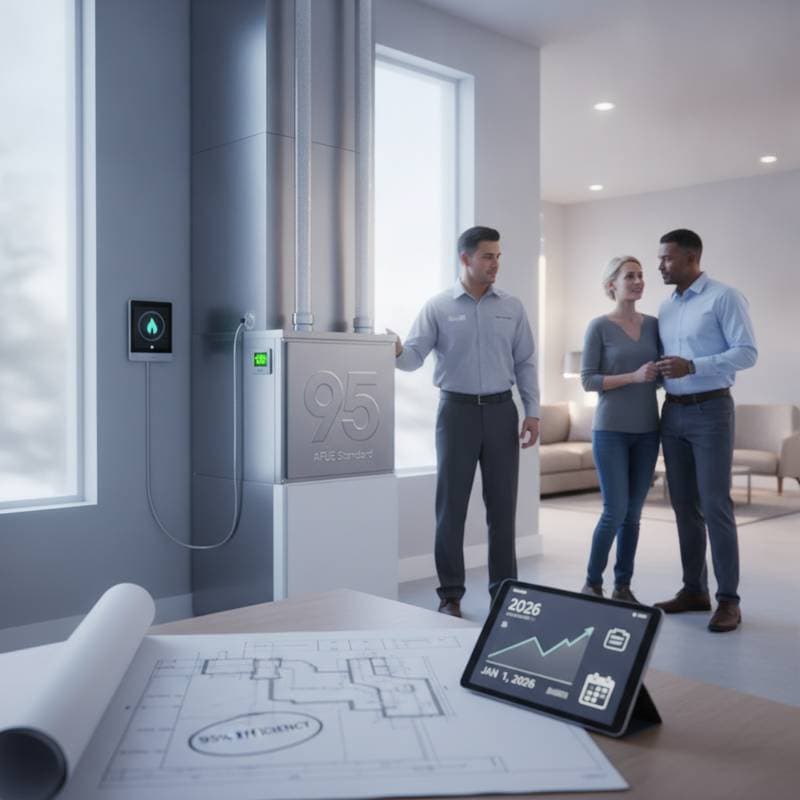
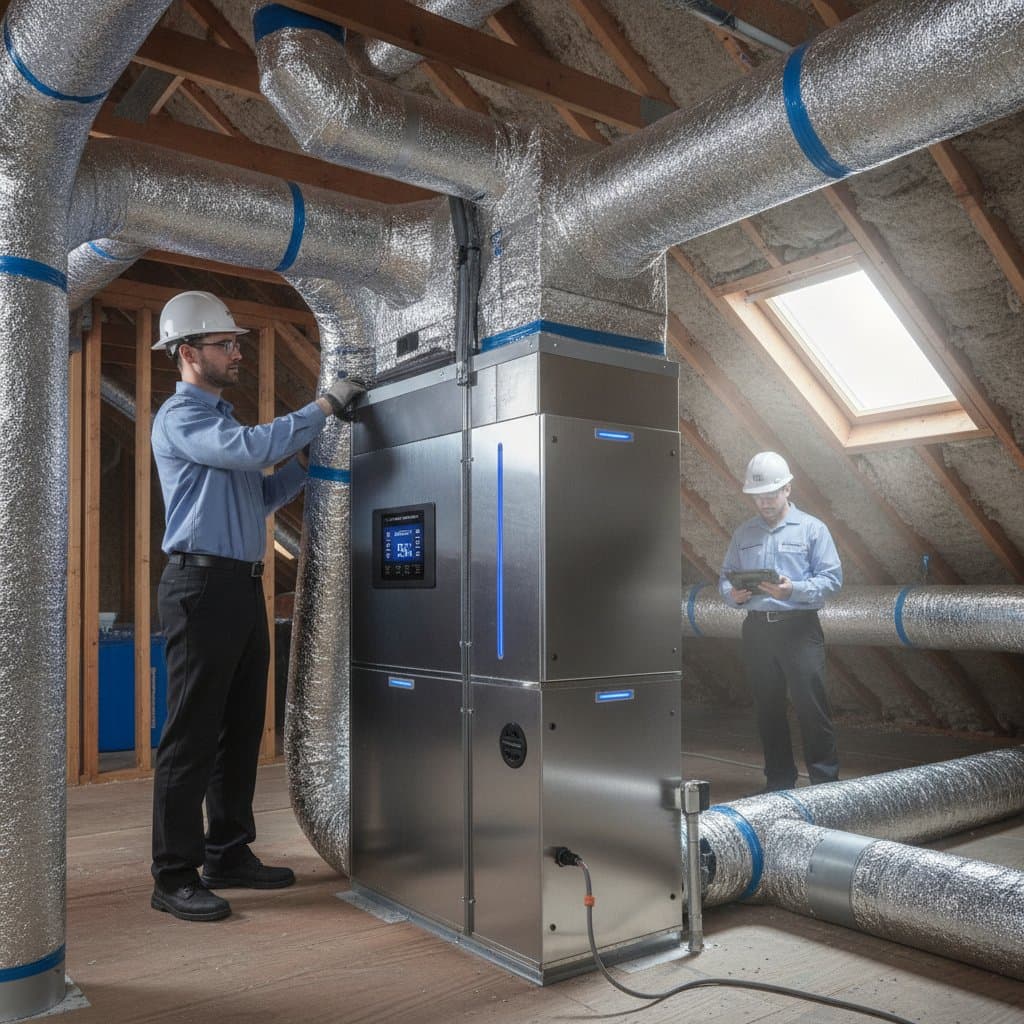
Replacement aligns aging systems with noise regulations through a structured approach. Begin with a professional assessment of current capacity, duct configuration, and baseline noise. Proceed to select a model certified below 45dB, verified via technical specifications.
Prepare the site by installing a vibration-isolating pad. During installation, connect and calibrate the unit for peak efficiency. Conclude with on-site sound measurement to affirm regulatory adherence. The entire procedure spans one to two days, varying by project scale.
Labor Costs for Heat Pump Installation
Professional labor constitutes a substantial element of HVAC expenses. Expect $1,500 to $3,500 for standard installations, covering removal and setup. Projects requiring duct alterations, electrical enhancements, or multi-zone configurations incur additional fees.
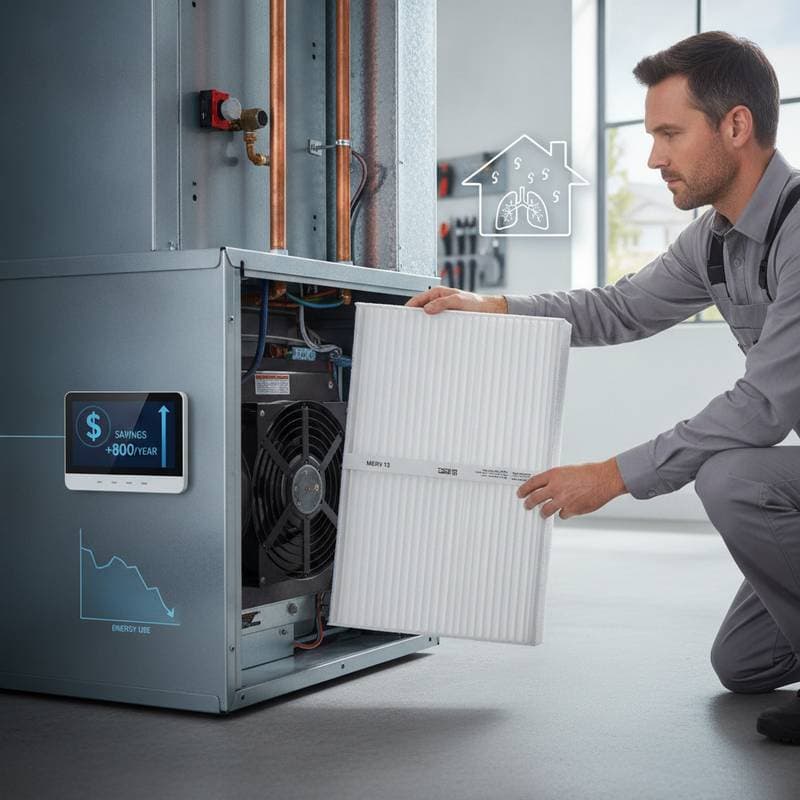
Engage certified technicians to mitigate noise risks from misalignment or resonance. Many professionals deploy sound measurement devices post-installation to validate the 45dB compliance.
Frequently Asked Questions About the 45dB Heat Pump Limit
What does 45dB really sound like?
A 45dB level mirrors a hushed home conversation. Background noise remains unobtrusive, allowing normal dialogue without elevation.
Will my current heat pump be illegal?
Existing installations receive grandfathering protections. Regulations target only new units post-enforcement, permitting continued use of legacy systems until natural replacement.
Do quieter units cost more?
Premium quiet models command higher initial prices due to sophisticated compressors and insulating layers. Long-term savings arise from elevated efficiency and avoidance of potential disputes.
Can I make my current system quieter?
Modifications prove effective. Apply sound blankets, reposition the unit, or erect barriers to contain noise. Technicians inspect for loose elements or degraded fans to restore optimal quietness.
How do I find a heat pump that meets the 45dB limit?
Consult manufacturer specifications and Energy Star ratings for noise data. Reputable HVAC dealers provide models tested to 45dB or below. Request demonstrations or third-party certifications during selection.
Will quieter systems affect performance?
Advanced quiet designs maintain or exceed output capabilities. Variable-speed technology ensures reliable heating and cooling without compromise, often improving overall system responsiveness.
Preparing for Compliant Heat Pump Upgrades
Anticipate regulatory shifts by evaluating your current setup against 45dB benchmarks. Schedule consultations with local experts to explore options tailored to your home and climate. Investing in compliant technology secures comfort, efficiency, and community goodwill well into the future.