Why Homeowners Switch to Dual-Fuel Heating Mid-Season
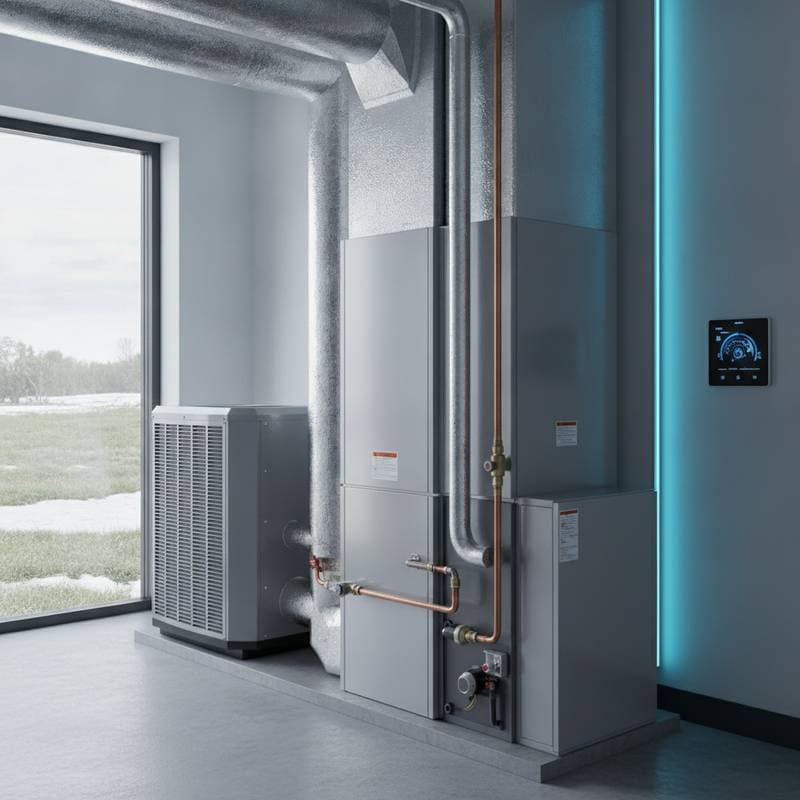
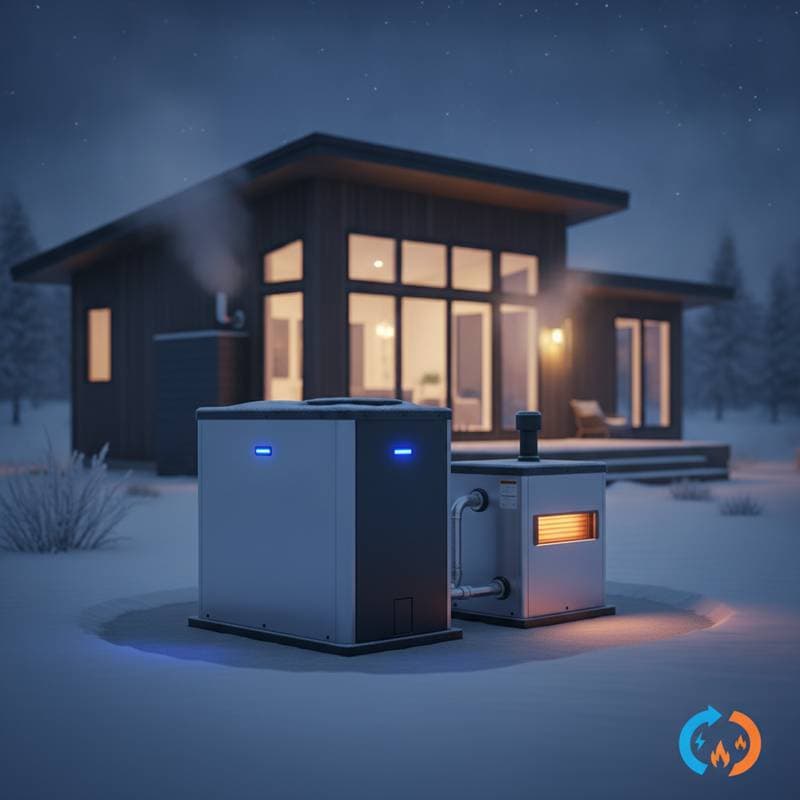
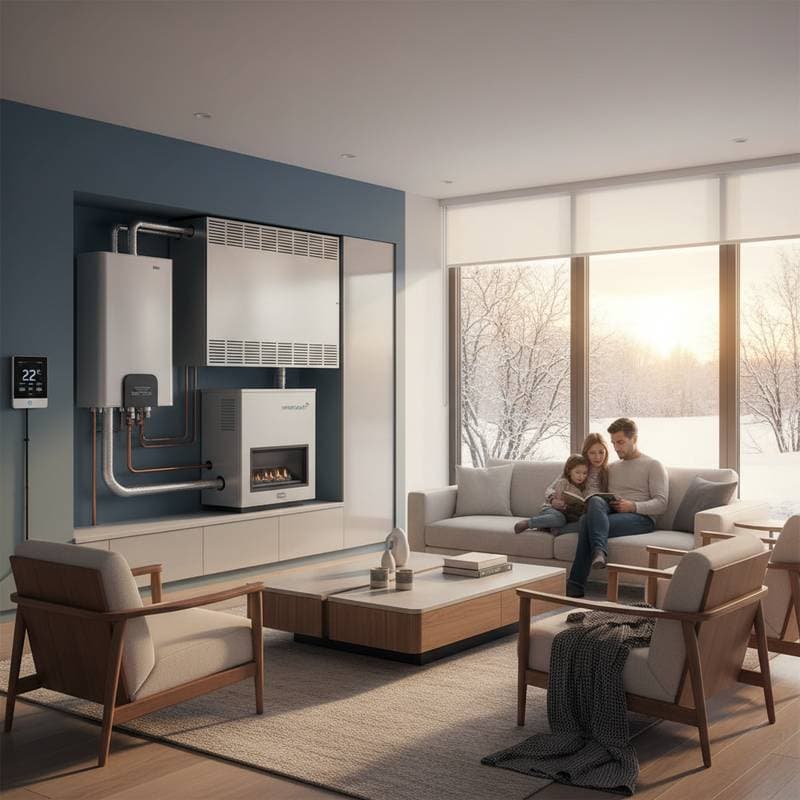
Many homeowners face challenges when heating systems falter during dropping temperatures. A dual-fuel heating system addresses these issues by combining an electric heat pump with a gas furnace, offering a hybrid solution that enhances efficiency and reliability. The average cost for such a conversion ranges from $6,000 to $12,000, influenced by home size and existing infrastructure. This investment typically yields lower energy bills and improved indoor comfort amid unpredictable weather patterns.
This guide covers the essentials of dual-fuel heating, including reasons for mid-season switches, pricing factors, and the installation procedure.
Quick Answer Box
| Item | Average Cost |
|---|---|
| National Average Cost | $8,000 - $10,000 |
| Typical Price Range | $6,000 - $12,000 |
| Extreme High-End | $14,000+ |
| Low-End (Partial Conversion) | $4,500 |
Key Factors That Affect Dual-Fuel System Price
Equipment Size and Capacity
Heating system capacity appears in tons for cooling and BTUs for heating. Homes with greater square footage demand larger units, which elevate equipment expenses and labor requirements. Select a properly sized system to avoid energy waste and maintain even temperatures throughout the living spaces.
Brand and Efficiency Rating
Efficiency varies across dual-fuel models, with SEER2 ratings indicating cooling performance and HSPF2 ratings showing heating effectiveness. Opt for units from reputable brands featuring variable-speed compressors and integrated smart thermostats, which refine control but increase initial outlay. Higher ratings translate to reduced operational costs over time.
Fuel Type and Availability
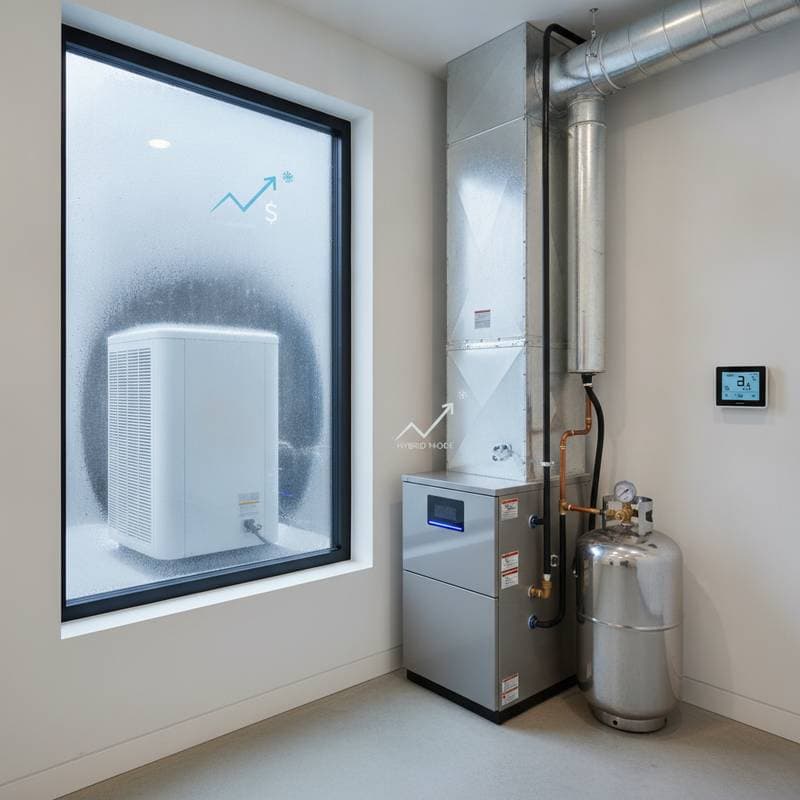
Natural gas setups generally prove more economical than propane alternatives, which necessitate tanks and periodic refills. Evaluate local fuel accessibility and pricing to project both setup fees and ongoing expenses accurately. This choice impacts the system's overall viability in your region.
Installation Complexity
Properties with intact ductwork and suitable furnaces encounter fewer hurdles than those requiring extensive modifications. Outdated HVAC components may demand electrical enhancements or duct revisions, thereby inflating the project budget. A professional assessment early on clarifies these potential add-ons.
Climate Conditions
Dual-fuel systems excel in areas experiencing temperature fluctuations, such as mild winters punctuated by freezes. Residents in these zones often realize substantial savings, unlike those in uniformly temperate or severely harsh climates. Tailor the system to local weather patterns for optimal performance.
Why Homeowners Switch Mid-Season
Homeowners pursue dual-fuel upgrades mid-season primarily for enhanced comfort, financial relief, and system dependability. Initial reliance on conventional setups frequently reveals shortcomings during intense cold or variability.
Common triggers for these transitions include:
- Rising utility bills: Electric heat pumps alone may consume excessive power in frigid conditions.
- Uneven heating: Aging furnaces or singular fuel sources lead to temperature disparities across rooms.
- System failure: Breakdowns during peak use favor full replacements over temporary fixes.
- Energy flexibility needs: These systems leverage electricity during off-peak rates and gas for peak efficiency.
- Sustainability aims: Lower fuel usage contributes to decreased carbon emissions and better environmental profiles.
The Dual-Fuel Installation Process
The installation of a dual-fuel system proceeds through deliberate steps to limit interruptions and guarantee functionality.
1. System Evaluation
A licensed HVAC specialist inspects existing equipment, ducts, and electrical capacity to identify needs for sizing and integration.
2. System Selection
Collaborate with the technician to choose a heat pump and furnace pairing suited to your home's dimensions, consumption patterns, and available fuels.
3. Preparation and Removal
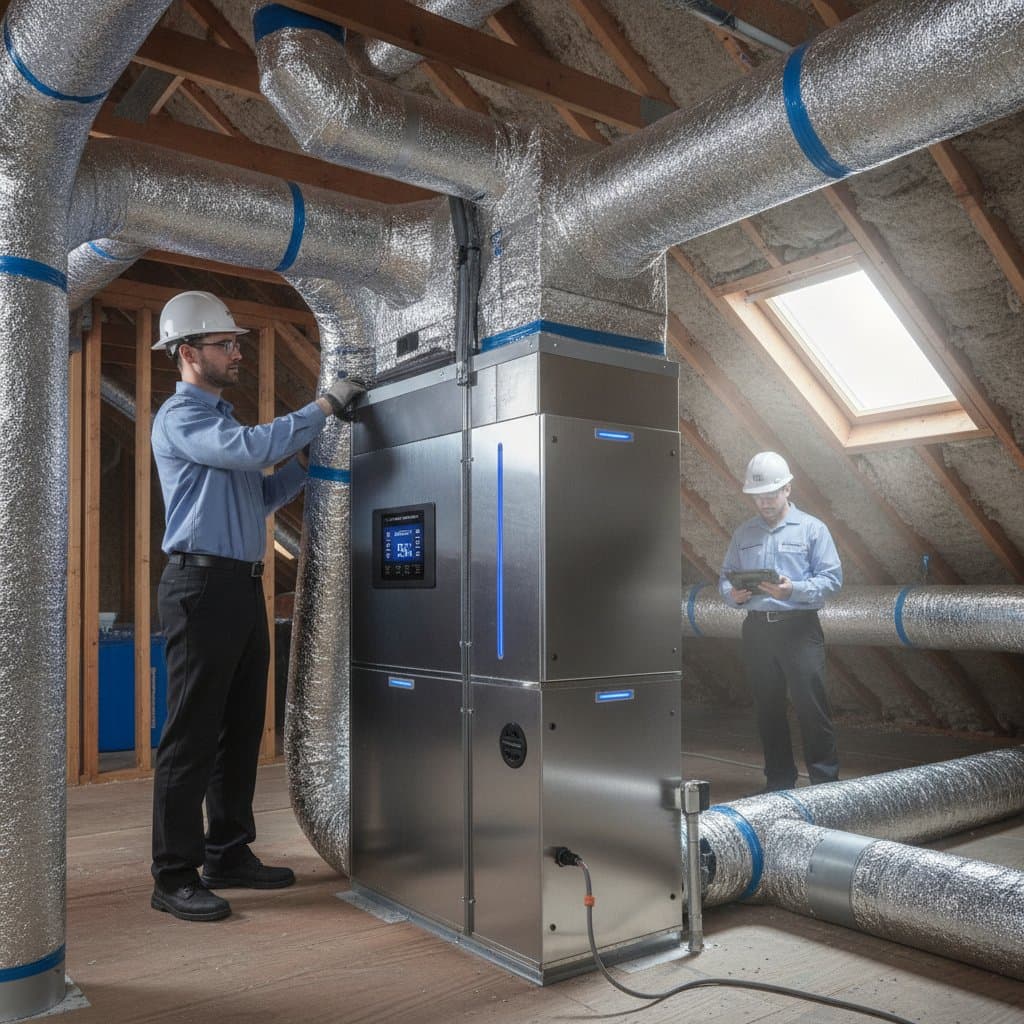
Technicians dismantle outdated units and clear the installation site for seamless integration of new components.
4. Installation
Install the heat pump and furnace, linking them to ducts and configuring with a thermostat designed for dual-fuel operation.
5. System Integration
Configure the control board to enable automatic fuel transitions based on external temperature readings.
6. Testing and Calibration
Conduct thorough checks on airflow, thermostat precision, and switch mechanisms to confirm peak efficiency.
7. Final Walkthrough
Receive hands-on instruction on system operation, thermostat usage, and essential upkeep schedules.
Frequently Asked Questions About Dual-Fuel Heating
Is a dual-fuel system worth the cost?
Affirmative, particularly in locales with chilly, inconsistent winters. Initial expenses recoup through energy reductions and superior comfort within several seasons.
How does a dual-fuel system decide when to switch fuels?
An integrated thermostat or control module tracks outdoor temperatures. Upon reaching a designated low point, it shifts from the heat pump to the gas furnace for optimal heating.
Can I retrofit my existing furnace with a heat pump?
Frequently, this proves feasible. Recent furnaces compatible with dual controls allow addition of a heat pump and advanced thermostat to form a hybrid configuration.
Will a dual-fuel system lower my energy bills?
Homeowners typically observe reductions. The heat pump manages temperate conditions cost-effectively, while the furnace activates in severe cold to prevent escalated electric usage.
How long does installation take?
Most replacements span one to two days, varying with existing system intricacies and necessary adjustments to ducts or wiring.
Is maintenance more complicated for dual-fuel systems?
Routine care mirrors that of standard HVAC units. Arrange biannual professional inspections, aligned with seasonal changes, to sustain performance of all elements.
Steps to Upgrade Your Heating for Year-Round Efficiency
A mid-season shift to dual-fuel heating represents a strategic move toward immediate relief and enduring advantages. This combination harnesses the heat pump's precision with the furnace's robustness, empowering precise energy management and stable indoor environments.
Should your present setup deliver inconsistent heat or surprise charges, consult a certified HVAC expert for a tailored assessment. Solicit several estimates and scrutinize efficiency metrics to select an ideal match for your residence and finances. Such a system ensures reliable comfort, diminished expenses, and assurance against weather uncertainties.