How Do Cold Climate Heat Pumps Conquer -22°F Extremes?
Cold climate heat pumps transform heating for homeowners in frigid areas. These systems deliver efficient performance down to -22°F, providing steady warmth without heavy dependence on auxiliary heating. This guide details their inner workings, pricing structures, selection criteria, and maintenance strategies to help you achieve optimal winter comfort.
Can Heat Pumps Really Handle -22°F?
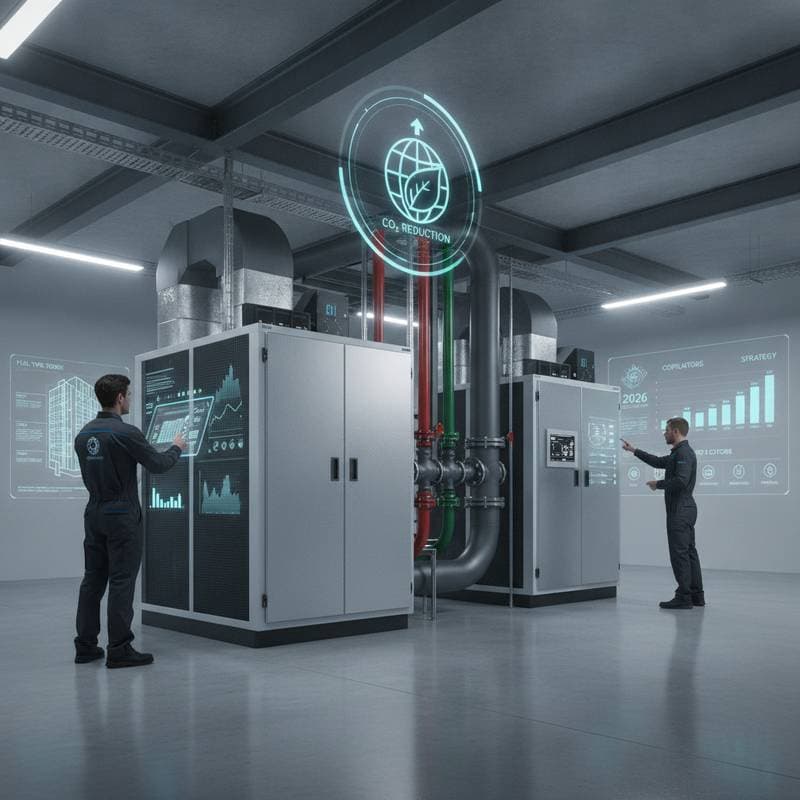
Engineered for severe weather, cold climate heat pumps maintain effectiveness where standard models falter. Advanced compressors adjust output dynamically, while specialized refrigerants extract heat from subzero air. Variable-speed fans and enhanced coils ensure consistent indoor temperatures, often achieving up to 100 percent efficiency even in arctic conditions.
Cold Climate Heat Pump Cost
Expect to invest between $6,500 and $13,500 for a cold climate heat pump, including professional installation. Factors such as unit capacity, manufacturer, and configuration influence the final price. Opt for models certified for low-temperature operation to maximize value in harsh winters.
| System Type | Average Installed Cost | Performance Details |
|---|---|---|
| Ductless Mini-Split | $4,500 – $9,000 | Suited for targeted heating in specific rooms or smaller residences |
| Ducted Air-Source | $7,500 – $13,500 | Integrates seamlessly with existing central air systems |
| Ground-Source (Geothermal) | $12,000 – $25,000 | Delivers superior efficiency through stable ground temperatures |
Cost by Efficiency Rating
Evaluate options using the Heating Seasonal Performance Factor (HSPF) and Seasonal Energy Efficiency Ratio (SEER), where higher values indicate greater savings over time. Balance initial expense with long-term reductions in utility bills.
| Efficiency Level | Typical HSPF | Estimated Price Range | Notes |
|---|---|---|---|
| Standard | 8 – 9 | $6,000 – $8,500 | Adequate for moderate cold snaps |
| High Efficiency | 9.5 – 11 | $8,500 – $11,000 | Strong performance in sustained freezes |
| Premium | 11+ | $11,000 – $14,000 | Excels in prolonged subzero exposure |
Cost by Brand
Leading manufacturers offer robust warranties and innovative features tailored for extreme cold. Compare based on local availability and service support.
| Brand | Average Cost Installed | Warranty Coverage |
|---|---|---|
| Mitsubishi | $8,000 – $13,000 | Up to 12 years on key components |
| Daikin | $7,500 – $12,500 | Up to 12 years with registered installation |
| LG | $7,000 – $11,500 | Up to 10 years on compressor |
| Trane | $8,500 – $13,500 | Up to 10 years labor-inclusive |
Cold Climate Heat Pump Cost Factors
Multiple elements determine both upfront and ongoing expenses for systems designed for subzero reliability.
Equipment Size and Capacity
Match the unit to your home's square footage and insulation quality through a Manual J load calculation. This precise assessment prevents inefficiency from undersized equipment or wasted energy from oversized units. Consult a certified technician to perform this evaluation during the planning phase.
Installation Complexity
Ductless options simplify retrofits by avoiding duct modifications, reducing disruption. Ducted installations may involve sealing leaks or upgrading electrical panels, contributing 30 to 40 percent of total costs. Factor in site-specific challenges like accessibility or zoning requirements.
Energy Rebates and Incentives
Federal programs like the Inflation Reduction Act provide tax credits up to $2,000, while local utilities offer additional rebates. Verify eligibility through ENERGY STAR certification and apply before purchase to offset 10 to 30 percent of expenses. Track regional incentives via government energy websites.
Backup Heat Source
Hybrid configurations pair the heat pump with electric strips or gas furnaces for temperatures below -15°F. This addition costs $1,500 to $3,000 but ensures uninterrupted heating during polar vortices. Select automatic controls to switch seamlessly based on outdoor conditions.
Maintenance and Longevity
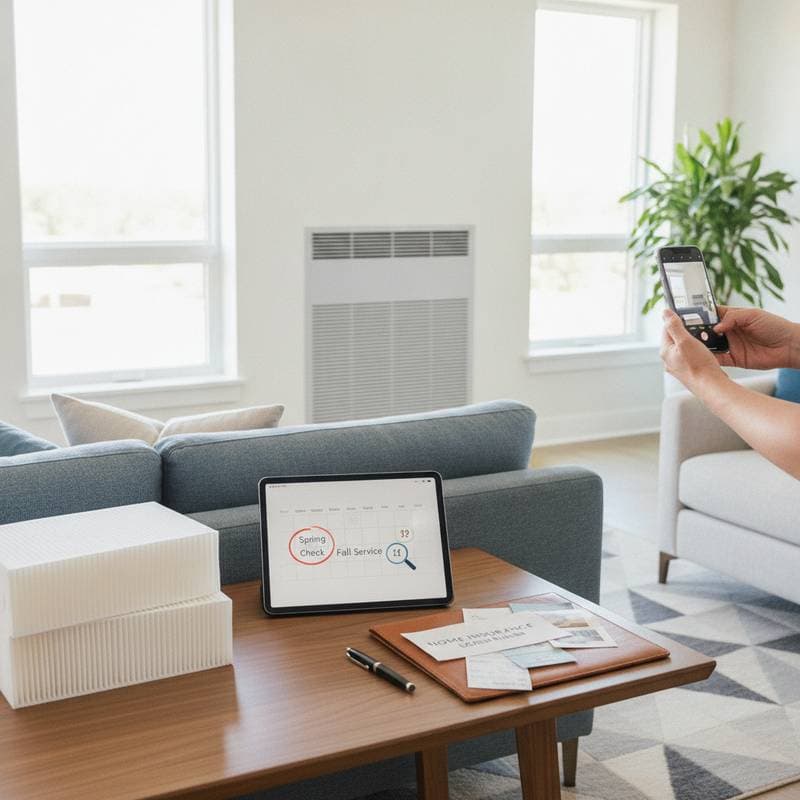
Annual professional servicing, priced at $150 to $300, cleans coils and checks refrigerant levels to sustain peak operation. Expect 15 to 20 years of service life with diligent care, far outlasting traditional systems in cold climates. Schedule inspections before winter to address potential issues early.
How Cold Climate Heat Pumps Work in Extreme Weather
Inverter compressors modulate speed to match real-time demands, avoiding energy spikes from start-stop cycles. Low-global-warming-potential refrigerants, such as R-32 or CO2 blends, facilitate heat absorption from air as cold as -22°F. Defrost mechanisms use sensors to melt ice buildup efficiently, minimizing downtime.
Electronic expansion valves fine-tune refrigerant flow for optimal heat exchange, while corrosion-resistant fins withstand snow and ice. Indoor units distribute even warmth through multi-stage filtration, improving air quality alongside heating. These innovations enable operation at full capacity down to specified lows, reducing reliance on fossil fuels.
Cold Climate Heat Pump FAQs
How effective are heat pumps below zero?
These units generate substantial heat at -22°F, with capacity retention often exceeding 70 percent of rated output. Advanced thermodynamics ensure steady performance, though supplemental heat may activate briefly in severe drops. Real-world tests confirm they outperform older models by delivering consistent comfort.
Do I need a backup furnace?
In regions with frequent deep freezes, integrate a backup for absolute reliability. Dual-fuel setups monitor temperatures and transition automatically, preserving efficiency. Assess your local climate data to decide if this enhancement justifies the added cost.
How long does installation take?
Ductless systems install in one day for straightforward setups, while ducted ones span two to three days. Electrical upgrades or custom ductwork extend timelines. Coordinate with your contractor to minimize household disruption during the process.
What is the life span of a cold climate heat pump?
Durable construction yields 15 to 20 years of service under regular maintenance. Harsh environments accelerate wear on unprotected components, so prioritize models with extended warranties. Track performance annually to extend usability beyond averages.
Are cold climate heat pumps noisy?
Quiet operation defines modern designs, with outdoor units at 40 to 50 decibels, comparable to a quiet conversation. Inverter technology eliminates abrupt noise from cycling. Indoor blowers run at whisper levels, enhancing livability in bedrooms or offices.
Getting Cold Climate Heat Pump Quotes
Secure multiple bids from NATE-certified contractors to identify the best fit for your property. In-home audits reveal customized needs, ensuring quotes reflect accurate sizing and features.
Questions to Ask Your Contractor
- Which models excel in temperatures below -15°F based on independent testing?
- What method will you use for load calculations to size the system correctly?
- Does the quote cover all materials, labor, and post-installation testing?
- Can you assist with rebate applications for my location?
- Is a backup system recommended, and how does it integrate?
- What maintenance schedule do you suggest for peak reliability?
- What specific warranty terms apply to parts, labor, and compressor?
- How much can I expect to save on energy bills versus my existing setup?
- What is the timeline from quote to full operation?
- Do you provide ongoing service contracts for seasonal checks?
Maintaining Your Investment
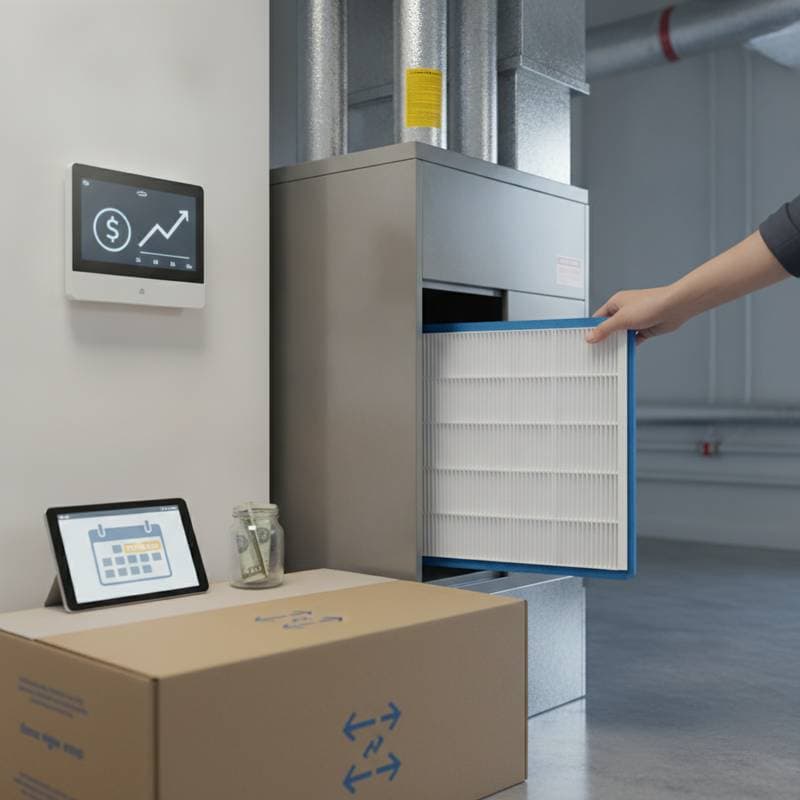
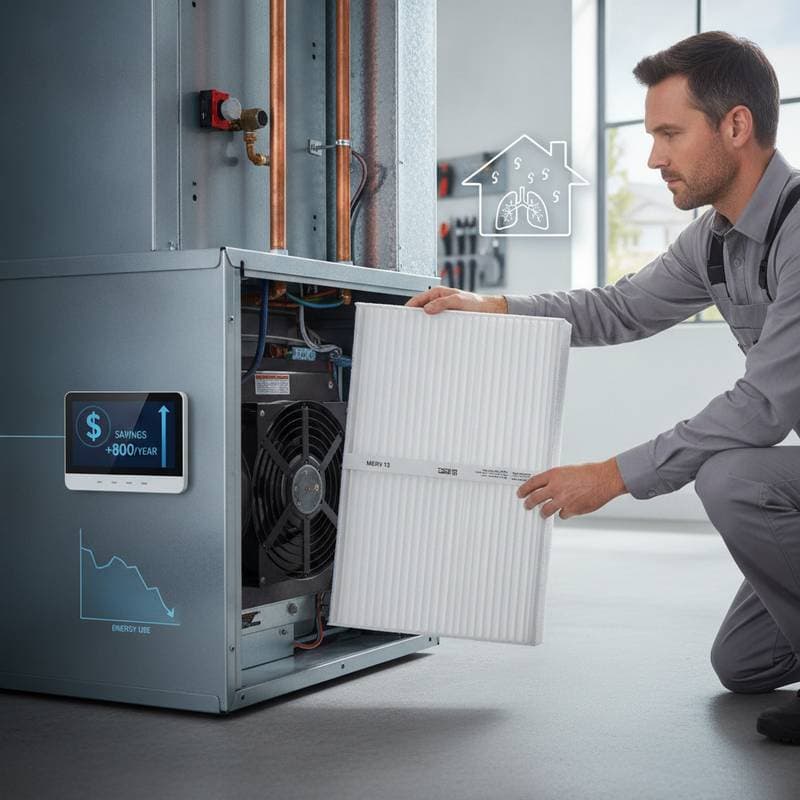
Preserve efficiency by changing filters quarterly and clearing snow from outdoor coils before storms. Professional tune-ups verify refrigerant charge and electrical integrity, preventing breakdowns during peak demand. These practices not only extend lifespan but also qualify you for extended warranties.
Cold climate heat pumps deliver resilient heating through -22°F winters, combining innovation with cost savings. Select wisely, install professionally, and maintain diligently to secure years of efficient, comfortable warmth in the toughest conditions.