Why Over 8 Million Homes Opt for Monthly HVAC Maintenance Plans
Over eight million homeowners have transitioned from occasional HVAC repairs to structured monthly maintenance plans. These subscriptions provide consistent care that minimizes unexpected expenses, prolongs equipment durability, and maintains optimal performance throughout the seasons. This guide explores the drivers behind this shift, details plan components, and outlines strategies for selecting an appropriate option to safeguard your home comfort.
| Benefit | What It Means for You |
|---|---|
| Average Monthly Cost | $15 - $40 per month |
| Typical Annual Savings | $150 - $500 in avoided repairs |
| Average Lifespan Extension | 3 - 5 additional years for major HVAC units |
| Common Services Included | Tune-ups, filter changes, priority scheduling, discounts |
Understanding Monthly HVAC Plan Costs
Monthly HVAC maintenance plans generally range from $15 to $40 per month, influenced by system specifications, geographic location, and coverage extent. Premium options with comprehensive parts replacement may climb to $60, whereas fundamental inspection plans start at $10. These investments pale in comparison to isolated repair costs, which frequently surpass $400.
Detailed Cost Structure
- Basic Preventive Plan: Approximately $180 to $240 annually. This level encompasses seasonal tune-ups and essential system evaluations.
- Mid-Tier Maintenance Plan: Roughly $300 to $480 per year. Coverage extends to thorough cleaning, filter replacements, and small component substitutions.
- Full-Coverage Plan: About $600 yearly. Benefits include expedited service, eliminated travel charges, and reductions on substantial repairs.
Such structured pricing enables budgeting without the volatility of ad-hoc services.
Elements Influencing HVAC Plan Pricing
Multiple variables shape the expense of an HVAC subscription. Grasping these elements empowers informed decisions tailored to your residence.
Equipment Type and Scale
Expansive systems or properties with several units demand extended servicing and resources. For instance, a central air setup incurs higher fees than a solitary ductless mini-split owing to intricate mechanics and component volume.
Scope of Services
Packages incorporating component warranties, rapid repairs, or scheduled filter shipments command premiums over inspection-centric alternatives. Greater safeguards correlate with elevated fees.
Service Cadence
Certain plans feature biannual tune-ups, while others incorporate quarterly assessments. Increased frequency enhances dependability yet raises the periodic charge.
Local Market Dynamics
Service expenses fluctuate by locale. Metropolitan zones with elevated labor costs adjust plan rates accordingly, whereas rural areas deliver comparable protections at reduced levels.
Provider Credentials
Reputable firms offering assured timelines or credentialed specialists may impose modest surcharges. Homeowners often deem this premium justified for reliability and superior execution.
Categories of HVAC Maintenance Subscriptions
Diverse monthly HVAC plans cater to varied requirements, from foundational upkeep to extensive safeguards.
-
Preventive Maintenance Plans: Emphasize routine tune-ups, examinations, and decontamination to avert malfunctions.
Advantages: Economical and straightforward.
Drawbacks: Typically excludes components or urgent interventions. -
Comprehensive Protection Plans: Encompass upkeep alongside repair assurances.
Advantages: Stabilized expenditures and diminished unforeseen outlays.
Drawbacks: Augmented monthly obligation. -
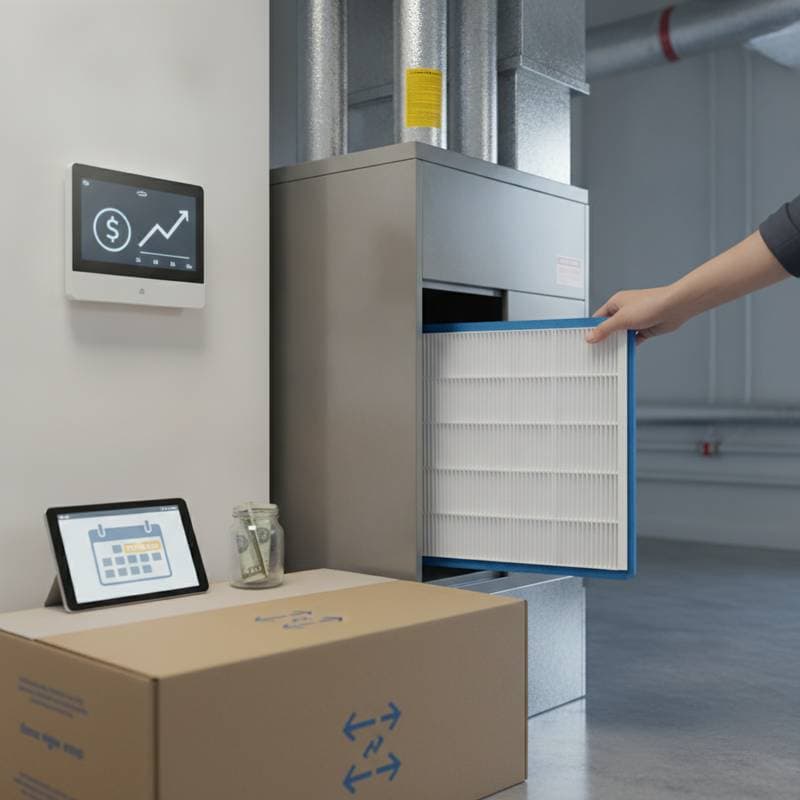
Filter Replacement Subscriptions: Supply filters directly to your doorstep at predetermined intervals.
Advantages: Sustains superior air purity and operational efficiency.
Drawbacks: Lacks on-site technical support. -
Priority Service Memberships: Grant preferential access, waived dispatch costs, and prolonged guarantees.
Advantages: Ideal for demanding schedules or aging infrastructure.
Drawbacks: Marginally increased dues.
Selection hinges on apparatus vintage, financial parameters, and desired reliability. Contemporary units suffice with preventive measures, whereas veteran systems thrive under total protection.
Indicators for Adopting an HVAC Maintenance Plan
Persistent failures or escalating utility charges signal the value of a maintenance subscription. Consider these markers:
- Repairs exceed two instances annually.
- Utility statements rise despite unchanged consumption.
- Temperature inconsistencies appear across rooms.
- Seasonal servicing slips from your routine.
- Equipment age surpasses several years.
- Aversion to abrupt repair expenditures prevails.
A subscription fosters proactive care, supplanting reactive dilemmas.
Inside the HVAC Maintenance Routine
Curiosity surrounds the specifics of a service appointment. Standard protocols unfold as follows:
- Appointment Confirmation: Receive notification via phone, message, or email to verify timing.
- Comprehensive Evaluation: Technician inspects motors, refrigerant quantities, wiring, and controls.
- Decontamination Procedures: Evaporator and condenser coils, fans, and drainage lines receive thorough cleansing for unobstructed circulation.
- Filtration Update: Existing filters undergo replacement or refreshment.
- Efficiency Verification: System activation tests output temperatures and performance metrics.
- Guidance Delivery: Obtain documented findings and proactive enhancement proposals.
Sessions conclude within an hour, preempting prevalent issues.
Labor Economics in Monthly HVAC Plans
Technician fees constitute a significant portion of upkeep expenses. Subscriptions secure discounted rates and eliminate surprise levies. Comparative figures include:
- Routine Visit Without Plan: $100 to $150.
- Urgent Repair Without Plan: $150 to $300.
- Under Subscription: Integrated or reduced by 20 to 50 percent.
Annual labor economies often offset or surpass plan investments.
Common Inquiries on Monthly HVAC Plans
In What Ways Do These Plans Generate Savings?
Early detection averts major disruptions. Sustained efficiency trims energy demands and utility payments. Exemption from rush fees further bolsters financial predictability.
Is Cancellation Flexible?
Providers commonly permit termination with brief advance notice. Certain arrangements mandate annual fulfillment if promotional services were utilized.
Do New Systems Warrant Such Plans?
Affirmative. Upkeep upholds warranty integrity, as producers often stipulate documented yearly professional attention.
Response to Failures Under Plan Coverage?
Priority queuing and labor waivers apply, varying by tier. Parts may receive partial or full reimbursement thresholds.
Optimal Servicing Frequency?
Biannually minimum, aligning with cooling and heating preparations. This regimen promotes safety and peak operation.
Impact on Air Quality?
Positive. Decontaminated elements curb allergens and regulate moisture, yielding cleaner atmospheres.
Lifespan Prolongation Potential?
Decidedly. Methodical care alleviates wear, yielding 3 to 5 extra service years.
Securing Consistent Home Comfort
Monthly HVAC subscriptions convert erratic fixes into reliable oversight. Modest periodic commitments yield protected environments, reduced operational costs, and eliminated crisis anxieties. This trend underscores maintenance's pivotal role; consult certified experts to evaluate offerings and initiate seamless year-round assurance.