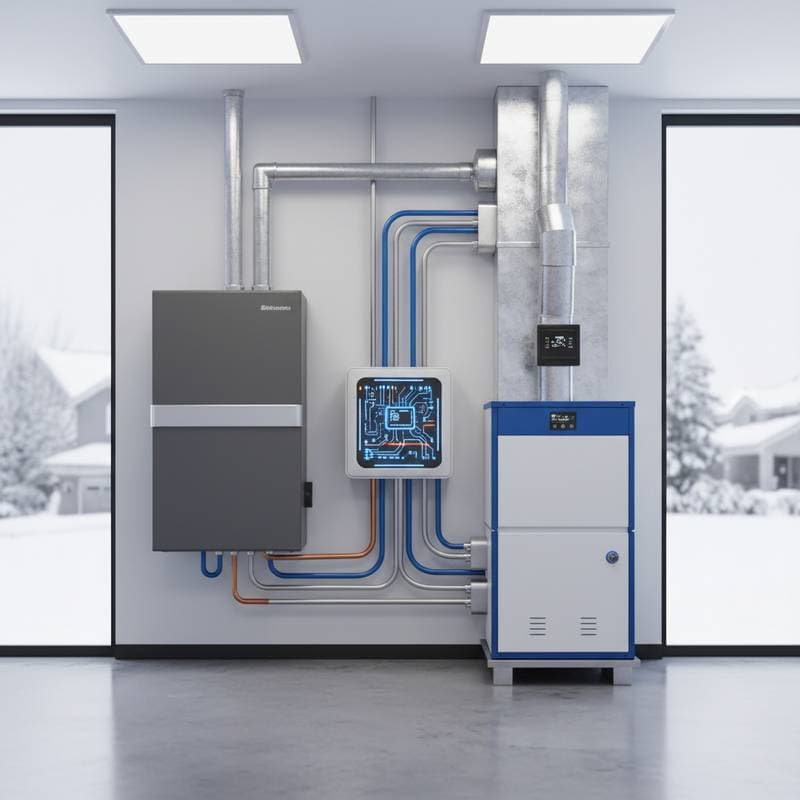
Dual Fuel Systems: Cut Your Winter Heating Bills by 38%
Heating bills often rise sharply as temperatures drop. Homeowners frequently struggle to balance warmth and affordability during cold months. Dual fuel heating systems address this issue effectively. These hybrid setups lower winter energy expenses by up to 38 percent while maintaining home comfort. The following sections explain the mechanics, advantages, and implementation of these systems.
What Is a Dual Fuel Heating System?
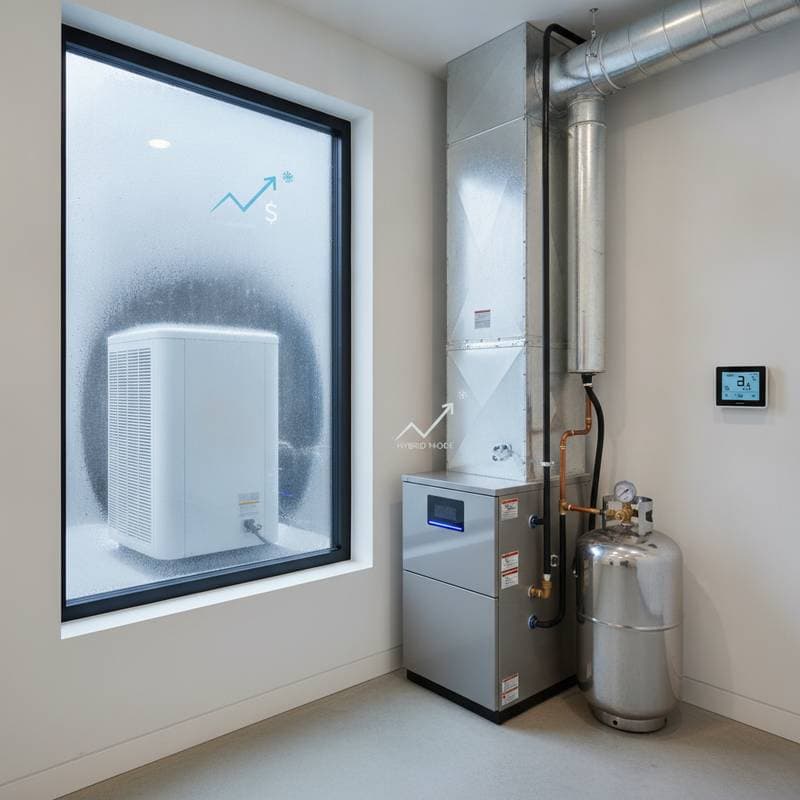
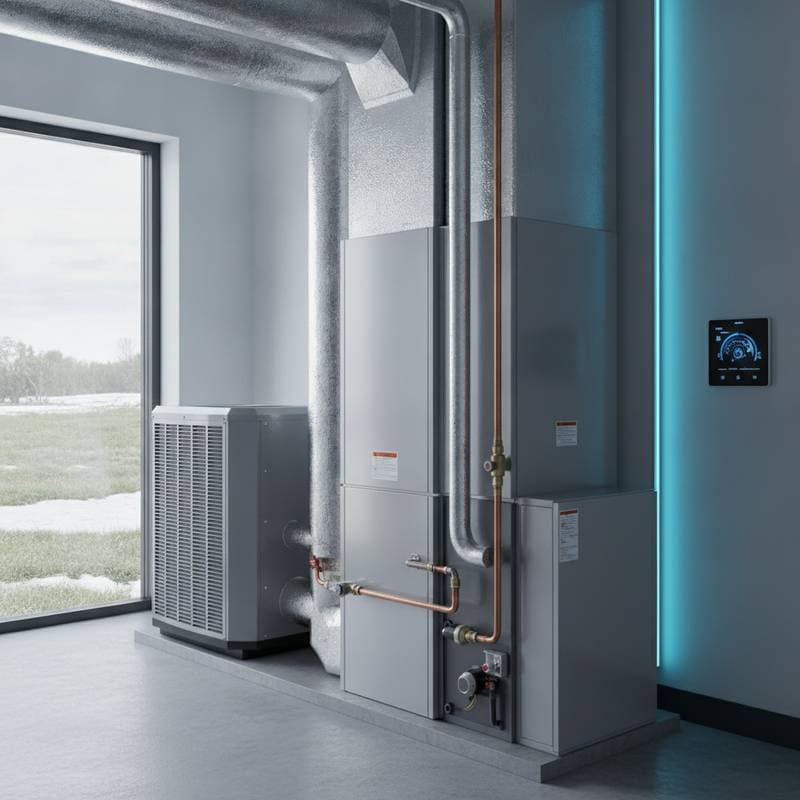
A dual fuel system merges two heating technologies for optimal performance. It pairs an electric heat pump, which handles both heating and cooling efficiently, with a gas or propane furnace for intense cold. The setup monitors outdoor conditions and shifts between sources seamlessly.
In milder weather, the heat pump operates by moving heat from outside to inside, consuming less electricity than traditional methods require. When temperatures fall below an efficient operating range, typically around 30 degrees Fahrenheit, the furnace activates to provide robust heat. This integration delivers the efficiency of electricity with the power of combustion.
How Dual Fuel Systems Reduce Costs
Dual fuel systems optimize energy use by selecting the most economical source based on weather. Sensors track temperatures continuously, ensuring the heat pump runs during suitable conditions and the furnace engages only when necessary. This strategy yields substantial savings.
Heat pumps produce up to three units of heat for every unit of electricity used in moderate climates, far surpassing the output of standalone furnaces. The automatic transition prevents reliance on less efficient electric heating in severe cold. Fuel consumption decreases because the furnace operates infrequently. Equipment longevity improves as each component experiences reduced runtime.
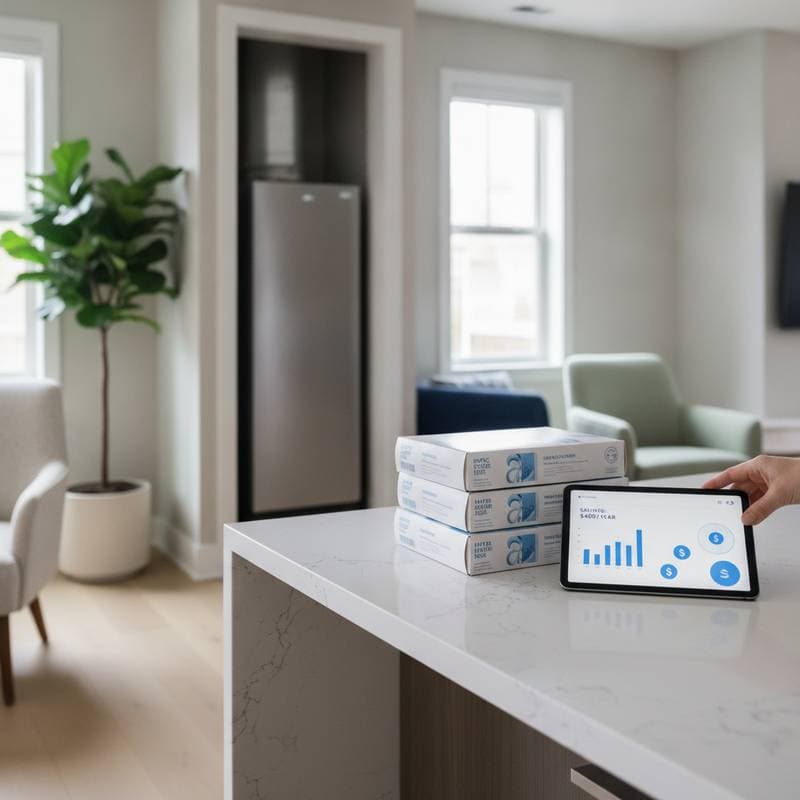
Proper installation can achieve savings of 38 percent on heating bills, influenced by regional utility rates and weather patterns. Homeowners in areas with variable winters benefit most from this approach.
Indicators That a Dual Fuel System Suits Your Home
Certain conditions signal the potential value of a dual fuel upgrade. High heating expenses during peak winter months indicate inefficiency in current setups. Regions with temperatures that fluctuate between mild and freezing amplify the advantages of hybrid technology.
Owners of aging gas furnaces seeking greater efficiency may find dual fuel ideal. Systems over ten years old often warrant replacement, and integration with a heat pump enhances performance. Individuals aiming to manage energy consumption and environmental impact also gain from this solution.
Hybrid systems excel in climates with intermittent freezes rather than prolonged subzero periods.
Factors Influencing Dual Fuel System Expenses
Installation costs for dual fuel systems vary based on home specifics and choices. Larger residences demand higher-capacity units, elevating the price. Selecting models with superior efficiency ratings involves higher initial outlay but accelerates payback through reduced operating costs.
Existing ductwork and electrical systems affect modifications needed. Natural gas options typically prove cheaper to run than propane equivalents. Labor intensifies with complex placements for the outdoor heat pump unit and indoor furnace.
Premium brands provide extended warranties and durable parts, justifying added expense. Energy rebates from utilities often shorten the recovery period, making the investment worthwhile amid rising fuel prices.
Comparing Dual Fuel to Conventional Heating Options
Standalone Electric Heat Pump
Electric heat pumps perform reliably in temperate zones but falter below freezing, where efficiency plummets. Dual fuel addresses this limitation by incorporating a furnace for backup, ensuring consistent output regardless of extremes.
Standalone Gas Furnace
Gas furnaces deliver dependable heat yet incur high seasonal costs from constant operation. Dual fuel mitigates this by delegating milder periods to the heat pump, conserving gas while preserving warmth.
Oil or Propane Systems
Exclusive use of oil or propane leads to volatile expenses tied to market fluctuations. Transitioning to dual fuel minimizes combustion fuel needs, as the heat pump manages most heating demands, with the existing system serving as reserve.
Installation Process Overview
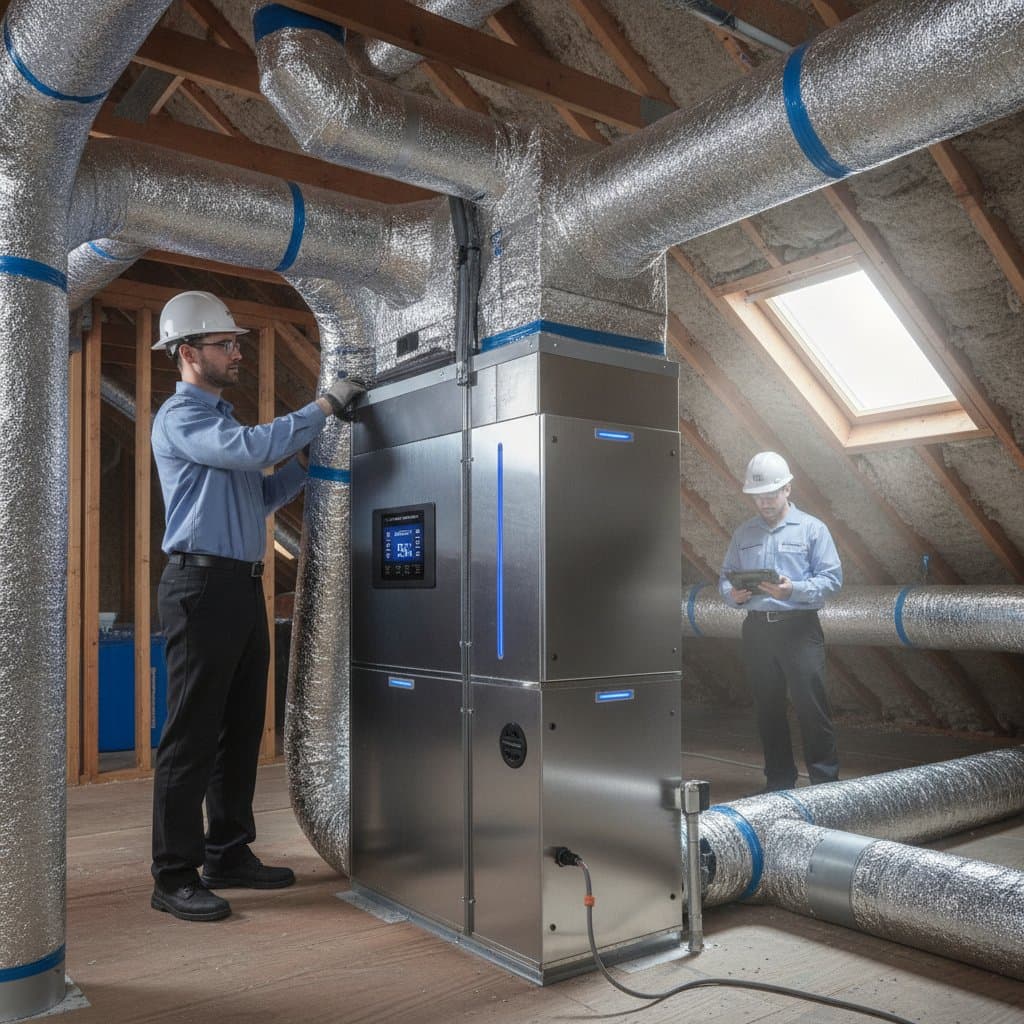
Professional installation ensures dual fuel systems function optimally. Technicians begin with a thorough assessment of current HVAC infrastructure, including ducts and wiring. They then design a configuration tailored to home size and layout.
Components such as the outdoor heat pump, indoor furnace, and compatible thermostat receive precise placement and connection. Programming establishes the switch threshold, often set between 25 and 35 degrees Fahrenheit for balance. Final testing verifies seamless operation and calibration.
Contractors provide guidance on usage and upkeep during handover. Engage certified experts familiar with hybrids to avoid efficiency losses from improper setup.
Maintenance: DIY Versus Professional Services
Routine care sustains dual fuel system performance, but expertise distinguishes basic from advanced tasks. Homeowners contribute through simple actions that prevent common issues.
DIY Maintenance Options
- Clean or replace air filters every one to three months to maintain airflow.
- Clear debris from the outdoor heat pump unit to avoid overheating.
- Verify thermostat functionality and battery levels seasonally.
- Ensure vents remain unobstructed for even heat distribution.
Professional Responsibilities
Experts handle refrigerant checks and electrical inspections to uphold safety. They examine the furnace heat exchanger for carbon monoxide risks. Adjustments to switch points require technical knowledge. Annual tune-ups confirm efficiency and compliance with warranties.
Frequently Asked Questions
How Does a Dual Fuel System Determine Switching Points?
The integrated thermostat tracks outdoor air temperature via sensors. It activates the furnace when conditions exceed the heat pump's efficient range, usually below 30 degrees Fahrenheit. Technicians customize this threshold to align with local climate and utility costs.
Is Upgrading an Existing Furnace to Dual Fuel Feasible?
Many configurations allow this upgrade. Replacing the air conditioner with a heat pump integrates well with current furnaces. Compatibility hinges on equipment age and setup; a professional evaluation confirms viability.
Do Dual Fuel Systems Necessitate Specialized Thermostats?
Advanced thermostats control both components effectively. These devices automate switching and optimize runtime for savings. Standard models lack the precision required for hybrid operation.
How Frequently Should a Dual Fuel System Receive Servicing?
Annual professional inspections suffice for most systems, ideally before heating season. This schedule detects wear early and sustains efficiency. DIY tasks supplement between visits.
Are Dual Fuel Systems Beneficial for the Environment?
These systems promote sustainability by prioritizing electric heat pumps, which generate fewer emissions than constant furnace use. Reduced fuel consumption lowers overall carbon output. Pairing with renewable electricity sources enhances green credentials further.
Optimizing Performance for Lasting Savings
Maximize dual fuel benefits through informed habits and timely actions. Monitor energy usage patterns via smart thermostat apps to refine settings. Schedule upgrades for high-efficiency filters that boost airflow without strain.
Integrate zoning controls if possible, directing heat where needed most. Explore utility incentives for further reductions. Consistent maintenance ensures the system delivers 38 percent savings year after year, providing reliable comfort with minimal environmental impact.