Essential Spring HVAC Maintenance: 7 Steps to Prevent Summer Breakdowns
As temperatures climb, the air conditioning unit in your home takes center stage for maintaining comfort. Preparation during spring helps avoid expensive repairs and unexpected failures when the heat intensifies. The following seven steps provide a straightforward plan to ensure your HVAC system operates efficiently and reliably throughout the summer.
1. Replace or Clean Air Filters
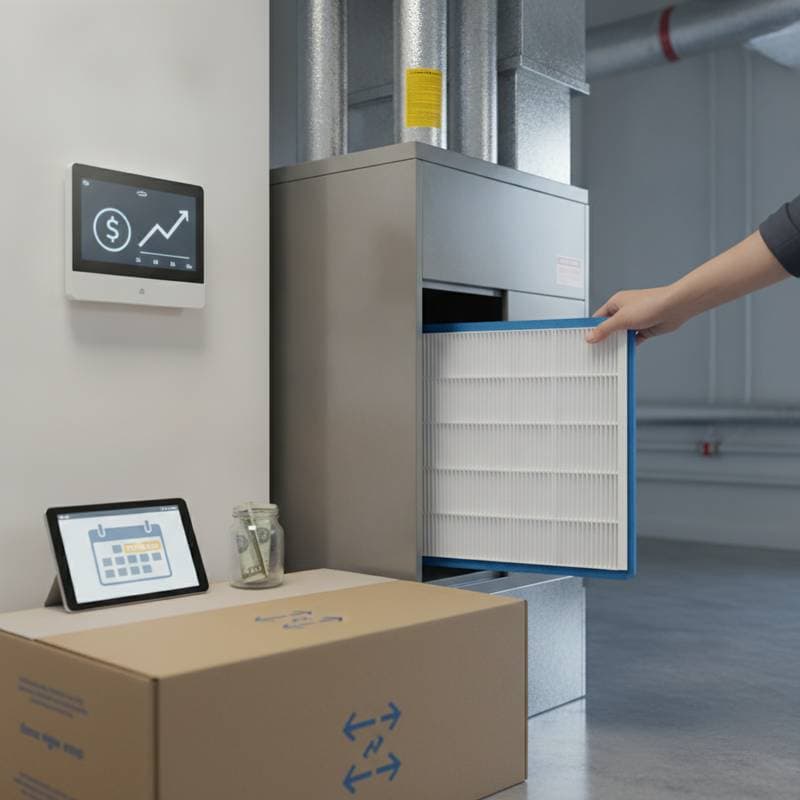
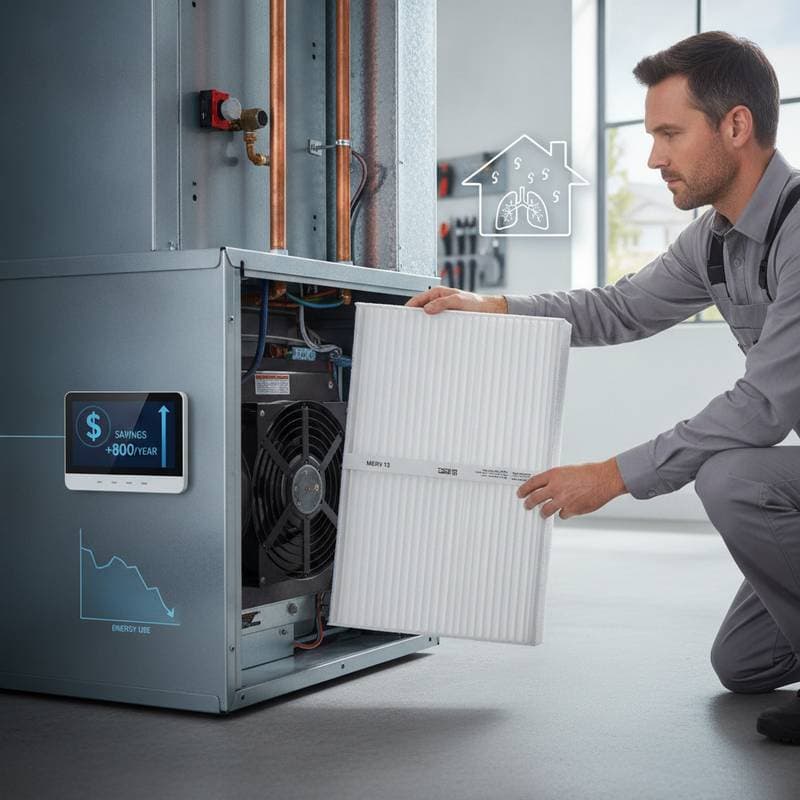
A clean air filter stands as the most straightforward measure to sustain HVAC performance. Dirty filters impede airflow, compelling the system to strain and consume excess energy. This strain gradually diminishes the unit's longevity and results in inconsistent cooling.
Examine the filter monthly during periods of intense operation. Swap out disposable filters or wash reusable ones upon noticing dirt accumulation. Select filters with high efficiency ratings that match your system's requirements.
Clean filters promote better airflow and elevate indoor air quality, offering particular benefits during allergy-prone seasons.
2. Clear Debris from the Outdoor Unit
The outdoor condenser unit expels heat from your home, a vital function for effective cooling. Obstructions such as leaves, grass clippings, or dirt hinder this process and reduce overall efficiency.
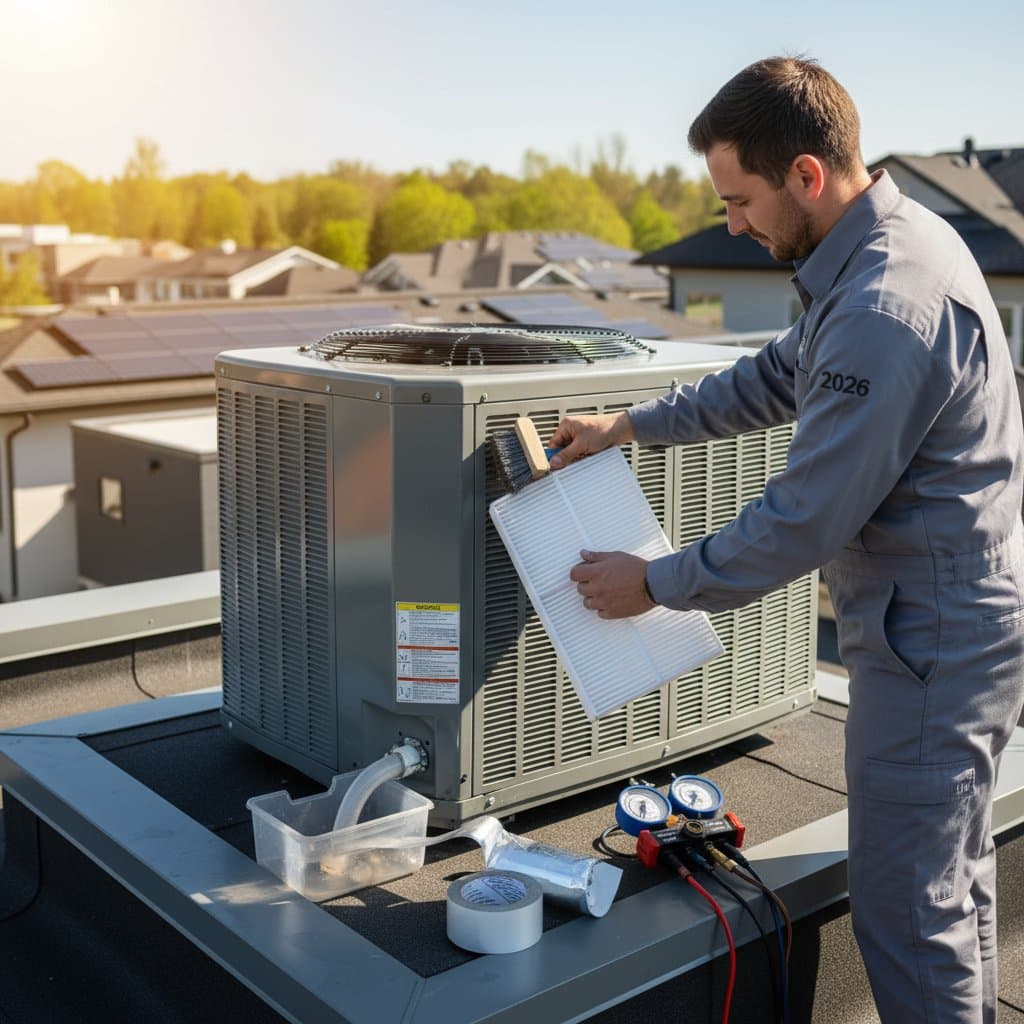
Maintain a clearance of at least two feet around the unit by trimming nearby vegetation. Clear away sticks, soil, and foliage from the top and sides. Examine the coil fins for bends, damage, or grime accumulation.
Professionals possess the tools to straighten bent fins and perform thorough cleanings without risk. Unobstructed airflow around the unit enhances operation and guards against overheating.
3. Inspect and Clean Vents and Registers
Obstructed or dust-laden vents compromise the even distribution of cooled air. Dedicate time to inspect all vents and registers throughout the home.
Use a vacuum to remove dust and pet hair from vents and grilles. Ensure that furniture, curtains, or rugs do not block access. Wipe surfaces with a damp cloth to eliminate residue.
Well-maintained vents minimize allergens, eliminate odors, and prevent hot spots in living spaces.
4. Test the Thermostat
The thermostat serves as the control hub for your HVAC system. Accurate calibration leads to improved comfort and reduced energy use.
Switch the thermostat to cooling mode and decrease the temperature setting to verify responsiveness. Install fresh batteries if the display appears faint or the device fails to react. Evaluate programmable or smart thermostats for enhanced automation.
A functional thermostat regulates system cycles precisely, upholding consistent temperatures without unnecessary energy expenditure.
5. Check Drain Lines and Condensate Pans
Air conditioners extract humidity from indoor air, directing it through a condensate line for drainage. Clogs in this line permit water to accumulate, potentially damaging components or fostering mold.
Identify the drain line near the indoor unit. Look for blockages or pooled water in the pan. Employ a wet-dry vacuum or a diluted vinegar mixture to address minor obstructions.
Persistent leaks or unusual smells warrant a professional's attention. Technicians flush lines thoroughly and diagnose underlying problems to prevent escalation.
6. Schedule a Professional Tune-Up
A comprehensive inspection by a certified technician uncovers minor issues before they escalate into major failures. This service represents a prudent investment for long-term reliability.
Technicians perform the following during a tune-up:
- Verify refrigerant levels and system pressure.
- Examine electrical connections and safety mechanisms.
- Clean evaporator and condenser coils along with blower parts.
- Measure airflow and temperature differentials.
- Apply lubrication to moving components to minimize friction.
Regular tune-ups sustain peak efficiency, dependability, and safety for summer use.
7. Seal Leaks and Inspect Ductwork
Leaks in ductwork allow conditioned air to escape, forcing the system to overwork and increasing energy demands. In typical homes, as much as 25 percent of air may leak through unsealed joints or cracks.
Review visible ducts in attics, basements, or crawl spaces. Detect leaks by feeling for escaping air or spotting gaps at connections. Seal minor breaches with foil tape or mastic designed for HVAC applications.
Uneven cooling across rooms or suspected hidden leaks require professional assessment via pressure tests. Proper sealing boosts efficiency and ensures uniform cooling distribution.
Frequently Asked Questions
How Often Should HVAC Maintenance Occur?
Professional servicing twice annually proves ideal for most systems: spring preparation for cooling and fall readiness for heating. This schedule sustains efficiency and averts unexpected disruptions.
Is Cleaning Condenser Coils a DIY Task?
Surface cleaning around the unit poses no significant risk, but thorough coil maintenance demands professional expertise. Specialists use appropriate tools and solutions to protect delicate fins and electrical elements.
Why Does the AC Run Without Effective Cooling?
Issues often stem from soiled filters, insufficient refrigerant, or restricted outdoor airflow. Start by installing a new filter and removing debris. Persistent problems necessitate a technician to evaluate refrigerant and system performance.
Do Smart Thermostats Justify the Cost?
Smart models optimize energy management by adapting to routines, enabling remote adjustments, and automating settings. These features deliver savings on bills while preserving comfort levels.
What Thermostat Setting Works Best for Summer?
Aim for 74 to 78 degrees Fahrenheit when occupied, raising it by 4 to 7 degrees during absences. This approach balances comfort with lower electricity usage.
Steps to Sustain Summer Comfort
Spring maintenance fortifies your HVAC system against summer demands, safeguarding both comfort and finances. Addressing filters, debris, drains, and professional inspections equips the unit for optimal performance.
Consult a qualified technician for any uncertainties, unusual sounds, inconsistent cooling, or escalating bills. Expert guidance ensures reliable operation and peace of mind through the season.