Cool Your Home While Harvesting Water from Humidity
Homeowners can now achieve efficient cooling and collect clean water simultaneously. Dehumidifying heat pumps and atmospheric water generation systems extract moisture from indoor air, converting it into usable water while regulating temperature. These innovations lower energy expenses, minimize environmental impact, and supply a renewable water source for daily needs.
| Function | Benefit |
|---|---|
| Cooling Efficiency | Achieves lower energy consumption via advanced heat pump mechanisms |
| Water Generation | Yields clean, filtered water drawn from ambient humidity |
| Indoor Air Quality | Mitigates mold, allergens, and surplus moisture |
| Sustainability | Leverages atmospheric moisture for cooling and hydration purposes |
How Dehumidifying Heat Pumps Work
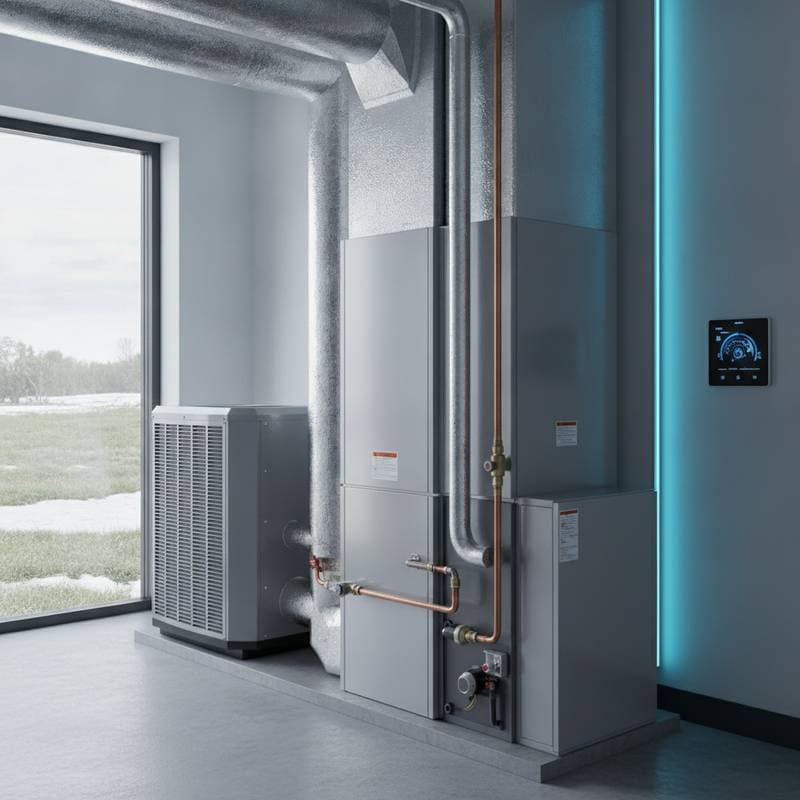
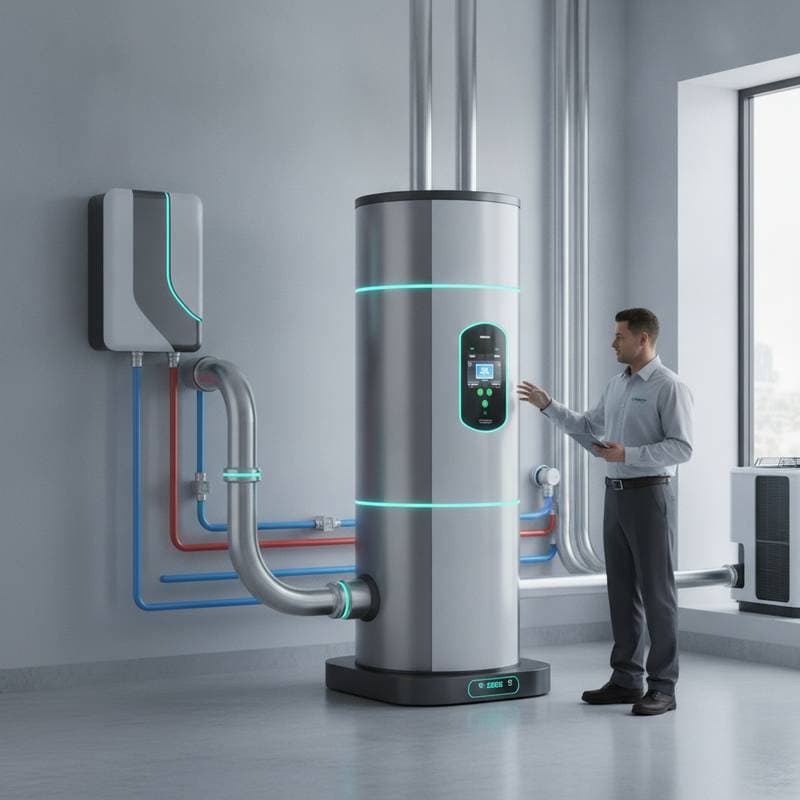
Dehumidifying heat pumps represent sophisticated HVAC solutions that address temperature and humidity control. These units draw in warm, humid air, chill it to induce condensation, capture the resulting water, and recirculate the cooled, drier air throughout the home. The harvested water undergoes filtration, rendering it suitable for tasks such as surface cleaning, plant irrigation, or potable use after additional treatment.
Traditional air conditioners expel condensed moisture as waste, but dehumidifying heat pumps repurpose it effectively. This integrated approach conserves energy and water resources, delivering enhanced comfort at reduced operational costs.
The Science of Atmospheric Water Generation
Atmospheric water generation systems prioritize moisture extraction from the air through cooling-induced condensation, followed by purification for household application. When integrated with heat pumps, these systems elevate standard HVAC setups into multifunctional units for climate management and water production.
The extraction sequence proceeds as follows:
- Intake of humid air via initial filtration
- Cooling to facilitate moisture condensation
- Accumulation and purification of the condensate
- Distribution of dehumidified, cooled air into the space
This ongoing process operates discreetly, supporting seamless home integration.
Benefits of Cooling While Harvesting Water
Merging cooling with water harvesting yields tangible gains in efficiency, conservation, and well-being.
Energy Efficiency
These heat pumps employ refrigerant cycles that surpass conventional air conditioners in performance. By relocating heat rather than producing cold air anew, they require less electricity, translating to measurable reductions in monthly utility statements.
Water Conservation
Condensate collection offsets reliance on municipal water supplies. In regions with elevated humidity, residential systems may yield multiple gallons daily, enabling effortless decreases in overall water usage.
Improved Indoor Air Quality
Excess humidity removal curbs mold proliferation, dust mite activity, and discomfort. Optimal humidity balance safeguards wooden elements like furniture and floors against distortion or damage.
Sustainability
Utilizing naturally occurring atmospheric moisture alleviates pressure on energy grids and water utilities. This method fosters eco-conscious living without demanding lifestyle alterations.
Key Factors That Influence System Performance
Several elements determine the effectiveness of these dual-purpose systems.
Indoor Humidity Levels
Elevated home humidity correlates with increased water output. Homes in tropical or coastal areas benefit from amplified production rates.
System Size and Capacity
Select units scaled to your living area for balanced cooling and moisture extraction. Undersized systems strain performance, while oversized ones lead to inefficiency.
Filtration and Purification
Robust multi-stage filtration, including UV treatment, ensures water purity. Evaluate system specifications to confirm compliance with health guidelines for intended applications.
Installation Conditions
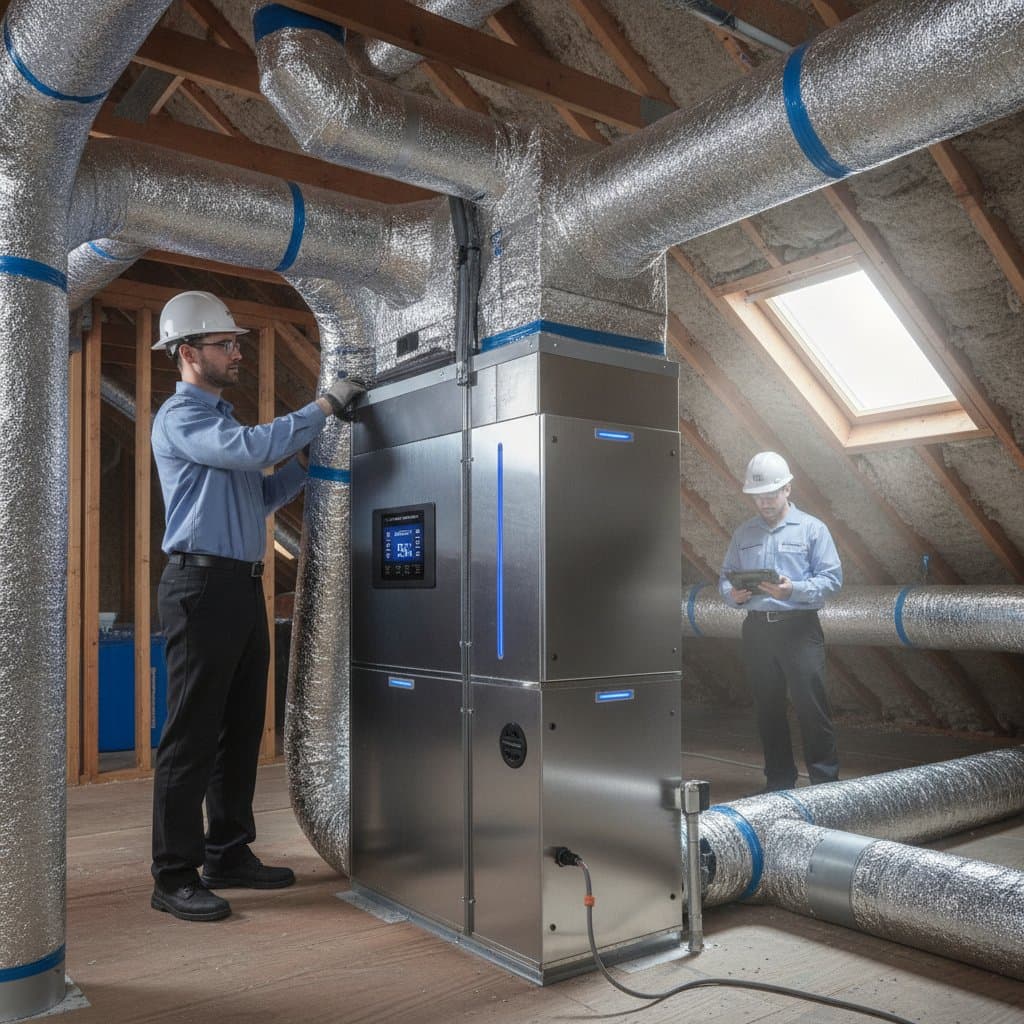
Strategic placement enhances airflow and insulation integration. Professional assessment during setup optimizes humidity capture and energy transfer.
Integrating Atmospheric Water Generation with HVAC
AWG integration shares HVAC components like compressors, streamlining design and reducing upkeep expenses. Smart sensors detect humidity fluctuations, automating adjustments for peak efficiency and water yield.
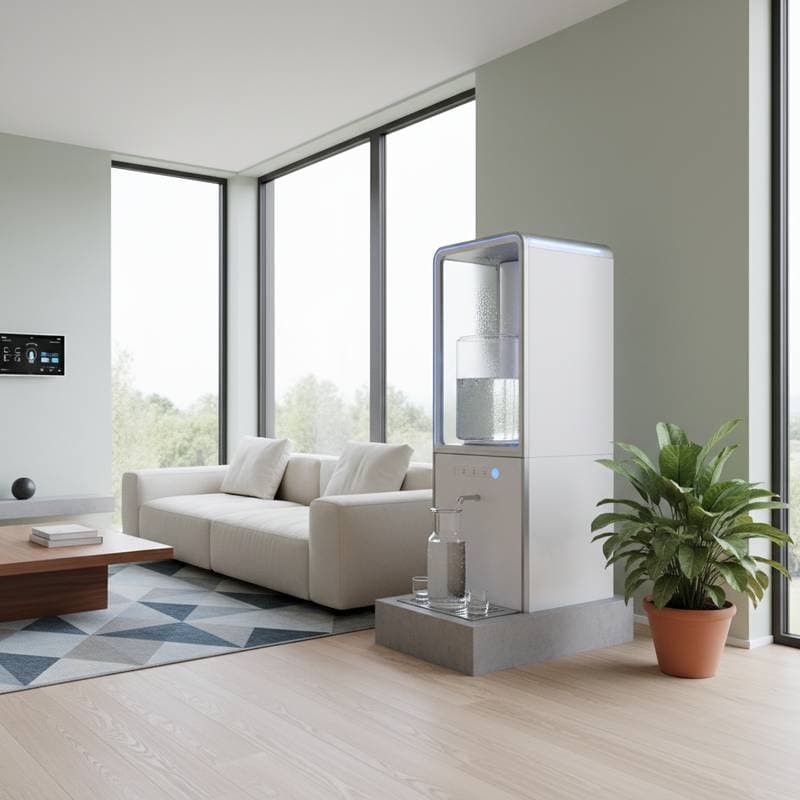
Collected water routes to dedicated storage tanks, facilitating uses from landscaping to sanitation. This configuration maximizes resource utilization from ambient air.
Common Applications at Home
- Indoor Cooling: Maintains pleasant temperatures without excessive aridity.
- Water Collection: Supplies moisture for gardening, pet care, or household chores.
- Air Dehumidification: Sustains ideal humidity to deter microbial growth.
- Energy Savings: Outperforms standalone cooling and dehumidification by consolidating functions.
Maintenance and Longevity
Regular upkeep preserves system reliability. Replace filters on schedule, inspect tanks for deposits, and arrange annual technician reviews to address wear.
Frequently Asked Questions About Cooling and Water Harvesting Systems
How much water can a system produce daily?
Output depends on ambient humidity and unit specifications. Moderate conditions might generate 2 to 5 gallons per day, with higher yields in saturated environments.
Is the collected water safe to drink?
Properly equipped systems employ filtration and UV processes to eliminate contaminants. Confirm your model's certification against regional safety benchmarks before consumption.
Can I retrofit my existing HVAC system for water harvesting?
Add-on modules often accommodate upgrades. Consult a qualified technician to assess compatibility and determine if modification or full replacement suits your infrastructure.
Does this technology work in dry climates?
Performance favors humid settings, yet cooling benefits persist. Water generation diminishes in arid conditions, potentially requiring supplementary sources.
What is the energy cost compared to a standard air conditioner?
Heat pumps typically draw 20 to 30 percent less power through heat transfer efficiency. Though upfront costs exceed basics, savings accrue over time.
Does the system require plumbing connections?
Tank-based models function autonomously, while plumbed variants link to home lines for convenience. Installation experts tailor setups to your preferences.
Steps to Upgrade Your Home System
Evaluate your current HVAC and humidity profile with a professional consultation. Select a system matched to your space and needs, prioritizing integrated AWG features. This investment enhances comfort, cuts costs, and advances sustainability through innovative air utilization.