Understanding Hybrid Heat Pumps
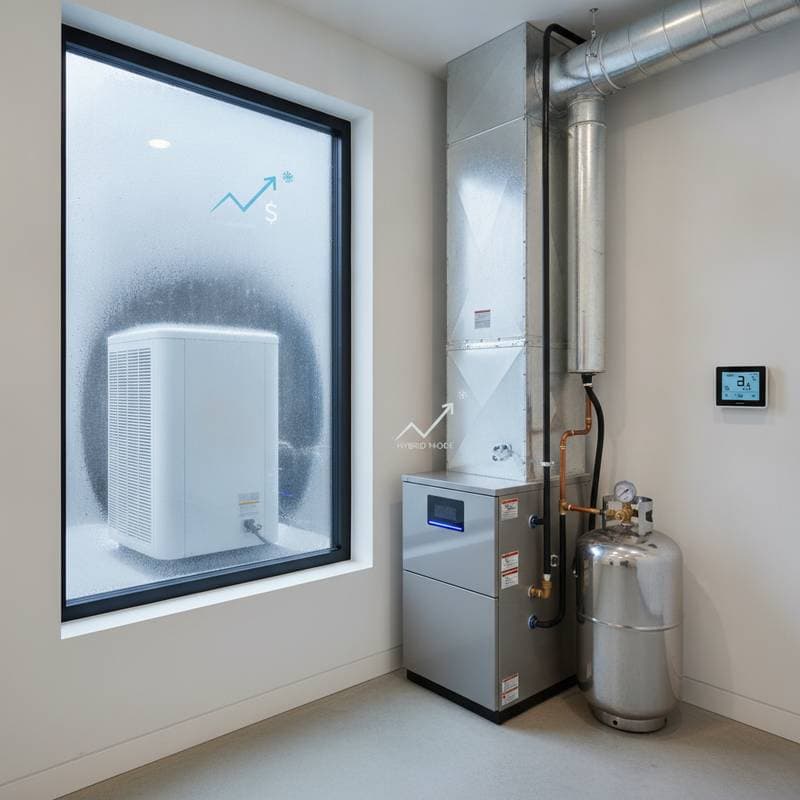
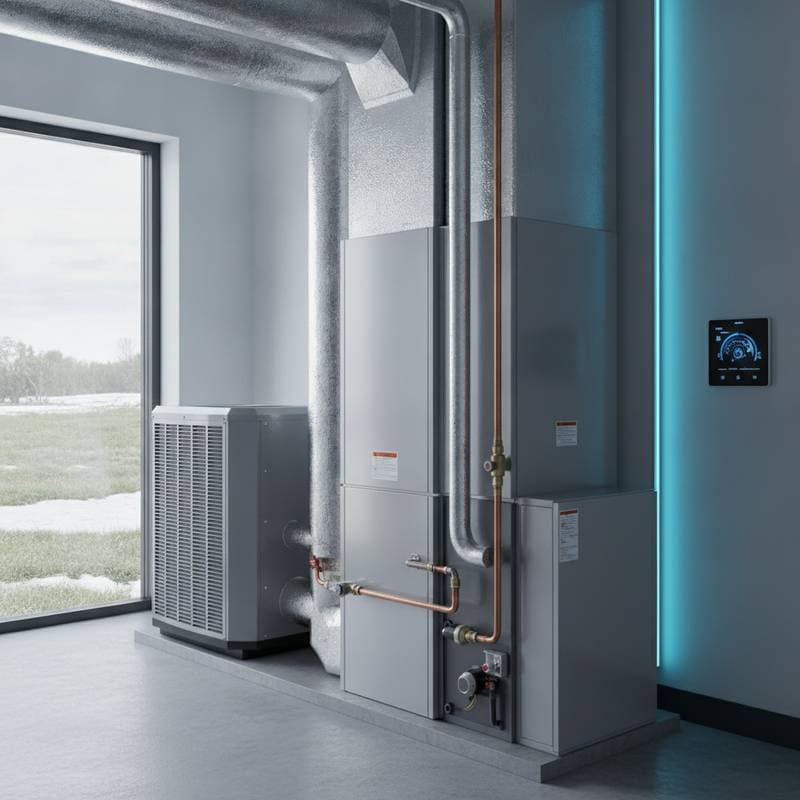
Hybrid heat pumps represent an innovative heating solution that merges the strengths of electric heat pumps with gas furnaces. These systems automatically switch between electric operation for mild conditions and gas backup for extreme cold, ensuring consistent comfort while optimizing energy use. Homeowners benefit from reduced reliance on a single fuel source, which enhances reliability and lowers overall costs.
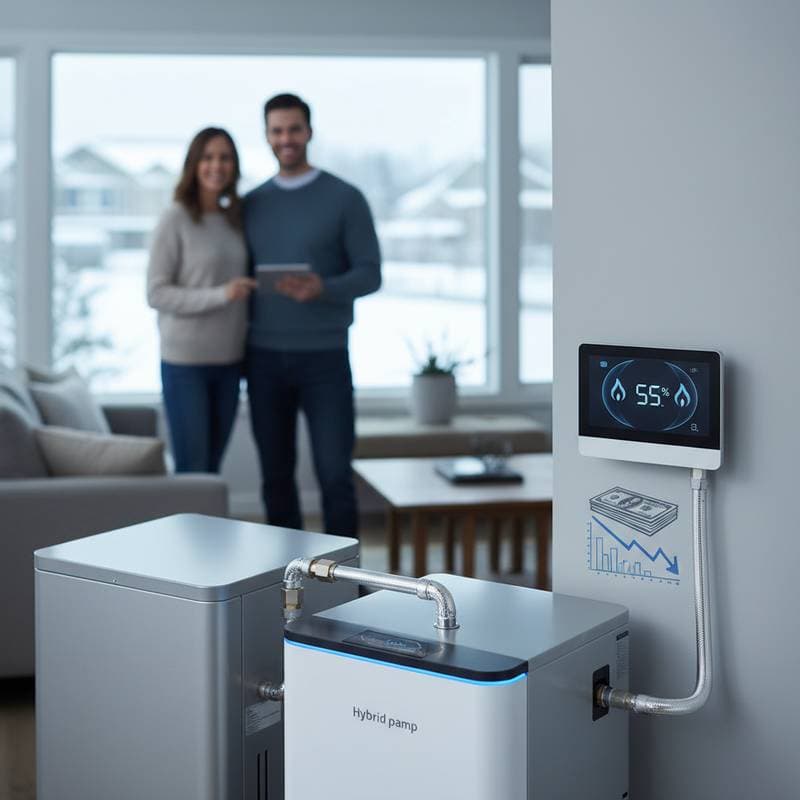
The primary advantage lies in efficiency. Electric heat pumps extract heat from outdoor air, even in cooler temperatures, using less energy than gas furnaces that generate heat through combustion. When integrated in a hybrid setup, the system prioritizes the heat pump until outdoor temperatures fall below a set threshold, typically around 30 degrees Fahrenheit, at which point the gas furnace engages. This intelligent operation can cut winter heating bills by up to 55 percent compared to standalone gas furnaces, according to performance data from energy efficiency studies.
Beyond cost savings, hybrid systems contribute to environmental goals by reducing carbon emissions. They align with modern sustainability efforts, as heat pumps produce no direct emissions during operation. For homeowners in regions with variable climates, this technology provides a balanced approach to heating that adapts to seasonal demands without compromising performance.
Key Benefits of Hybrid Heat Pumps
One standout feature is the dual-fuel flexibility, which prevents overdependence on fluctuating gas prices. In areas where electricity rates remain stable or lower, the system maximizes electric usage, amplifying savings. Additionally, these systems handle both heating and cooling needs, eliminating the requirement for separate air conditioning units during summer months.
Long-term value emerges from the equipment's durability and low operational demands. With proper care, hybrid heat pumps maintain peak performance over extended periods, often outlasting traditional furnaces. Homeowners also qualify for various incentives, including federal tax credits under energy efficiency programs, which can offset initial investments significantly.
Installation Costs and Influencing Factors
The upfront cost for installing a hybrid heat pump system typically falls between $5,500 and $12,000, depending on several variables. This range accounts for equipment selection, labor, and any necessary modifications to existing infrastructure. While the investment appears substantial, payback periods often range from five to ten years through reduced utility bills and incentives.
Several factors influence the final price:
- System size: Larger residences demand higher-capacity units to distribute heat evenly, which elevates installation expenses.
- Efficiency rating: Units with superior SEER (Seasonal Energy Efficiency Ratio) and HSPF (Heating Seasonal Performance Factor) ratings command higher prices but yield greater long-term savings on energy bills.
- Climate considerations: In regions with harsh winters, the gas component activates more frequently, which may temper overall savings compared to milder areas.
- Local energy prices: Variations in electricity and natural gas rates determine the optimal fuel mix and affect cost-effectiveness.
- Available rebates and incentives: Many utility companies provide financial support for efficient installations, potentially reducing out-of-pocket costs by thousands of dollars.
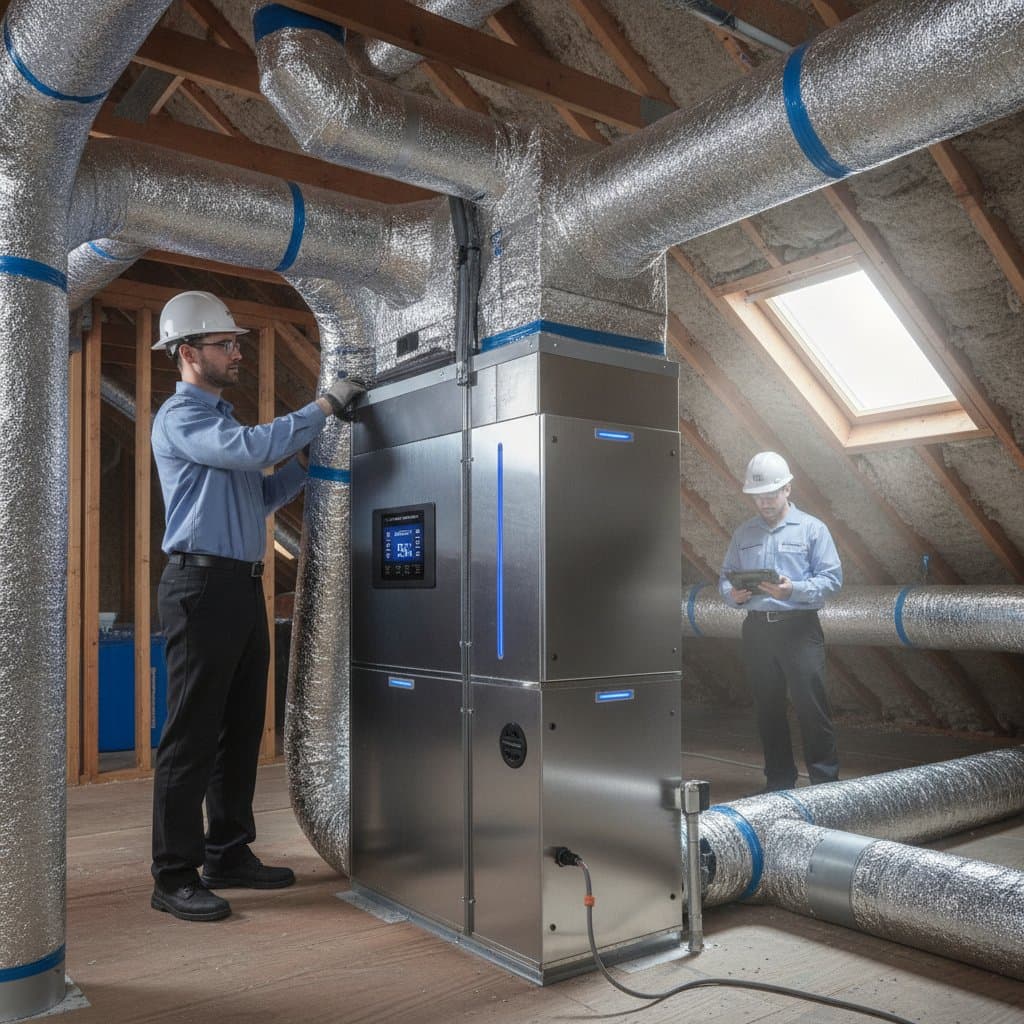
- Installation quality: Expert configuration ensures seamless fuel switching and prevents efficiency losses, justifying professional services.
Homeowners should consult local contractors to assess these elements and obtain precise estimates tailored to their property.
Maintenance and Longevity
Hybrid heat pumps demonstrate robust longevity, with most systems operating effectively for 15 to 20 years under regular maintenance. Routine inspections prevent minor issues from escalating, preserving efficiency and extending service life. Annual professional servicing covers both the heat pump and furnace components, including cleaning coils, checking refrigerant levels, and verifying thermostat functionality.
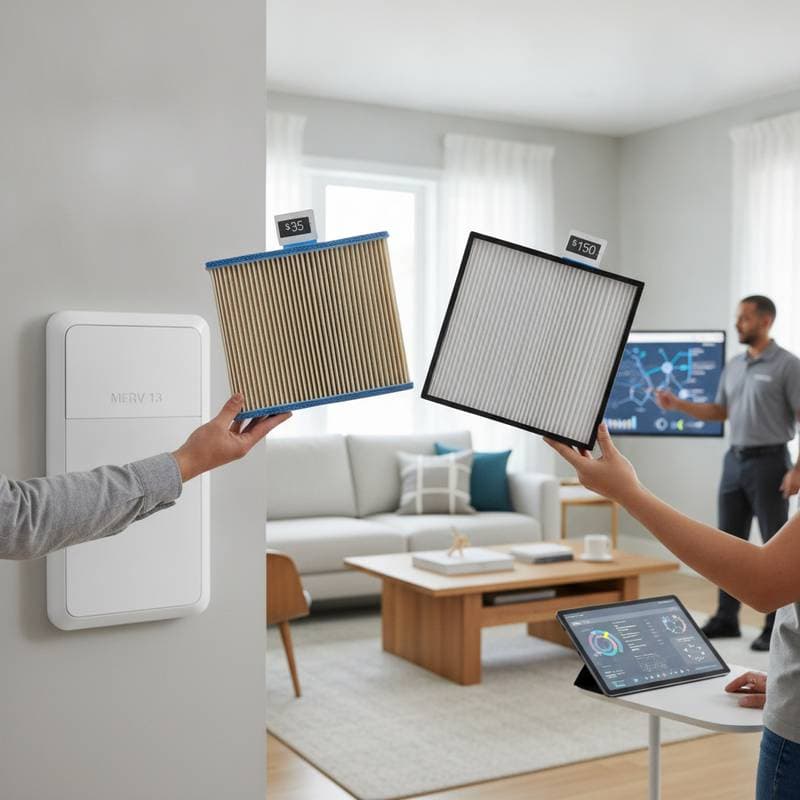
Homeowners can support system health through simple practices, such as replacing air filters every three months and keeping outdoor units free of debris. These steps minimize energy waste and reduce repair frequency. In the event of unusual noises or inconsistent heating, prompt attention from a certified technician avoids costly downtime during peak seasons.
Investing time in maintenance not only safeguards the system's performance but also maintains eligibility for warranty protections, which often span 10 years or more on key parts like the compressor.
Hybrid Heat Pump FAQs
How Does a Hybrid Heat Pump Work?
A hybrid heat pump employs an electric heat pump as the main source for heating and cooling. The system monitors outdoor temperatures and switches to the gas furnace when conditions become too cold for the heat pump to function efficiently, usually below 30 degrees Fahrenheit. This automatic transition optimizes energy consumption while delivering reliable indoor comfort year-round.
Are Hybrid Heat Pumps Suitable for Cold Climates?
Yes, hybrid heat pumps excel in cold climates due to their built-in gas furnace backup. The electric component handles moderate winter days effectively, while the furnace ensures warmth during deep freezes. This combination outperforms standard heat pumps in frigid areas and surpasses gas-only systems in efficiency during transitional weather.
What Is the Lifespan of a Hybrid Heat Pump?
With consistent maintenance, a hybrid heat pump lasts 15 to 20 years. The heat pump portion may endure slightly less if exposed to extreme conditions, but the overall system benefits from the furnace's durability. Regular servicing extends this timeframe and upholds performance standards.
Can a Hybrid System Cool My Home as Well?
Absolutely, hybrid systems provide robust cooling capabilities through the electric heat pump. They reverse the heating process to extract indoor heat and expel it outdoors, functioning like a central air conditioner. This versatility makes them ideal for all-season climate control without additional equipment.
Obtaining Quotes for Hybrid Heat Pump Installation
Securing multiple quotes helps homeowners compare options and identify the best value. Reputable contractors provide detailed breakdowns of costs, timelines, and expected performance. Engaging professionals early allows for thorough site evaluations, ensuring the system fits the home's specific needs.
Essential Questions to Ask Contractors
- Which hybrid models do you recommend based on my local climate and home size?
- How do projected energy savings stack up against my existing furnace?
- What rebates, tax credits, or incentives apply to this installation?
- What warranty terms cover the compressor, furnace, and other major components?
- How long does the installation process take, and what home preparations are necessary?
- Is my current ductwork compatible with a hybrid setup, or are modifications required?
- What maintenance routine do you suggest to keep the system running optimally?
- How does the thermostat control fuel switching for maximum efficiency?
- What are the estimated operating costs across various outdoor temperatures?
By posing these questions, homeowners gain clarity on the investment and can make informed decisions.
Steps to Maximize Savings with Your Hybrid System
To fully realize the potential of a hybrid heat pump, integrate smart practices from day one. Program the thermostat for energy-saving setbacks when the home is unoccupied, and consider zoning options to heat only occupied areas. Pairing the system with improved insulation further enhances efficiency, accelerating the return on investment.
Monitoring utility bills post-installation reveals actual savings and highlights opportunities for fine-tuning. Over time, these systems not only trim expenses but also elevate home comfort and value. For energy-conscious individuals, adopting a hybrid heat pump marks a strategic move toward sustainable living and financial prudence.