Cut 38 Percent of HVAC Energy Waste with Zoning Systems in 2026
Energy bills rise while comfort remains inconsistent in many homes. A properly designed HVAC zoning system addresses this issue by reducing heating and cooling energy waste by up to 38 percent. The system achieves this efficiency through precise control of airflow to occupied areas only. This guide details the mechanics of zoning, associated costs, and reasons it represents a strategic upgrade for enhanced comfort and reduced consumption.
| Item | Key Facts |
|---|---|
| Average Energy Savings | Up to 38 percent |
| Typical Installation Cost | $2,000 to $4,500 |
| Average Payback Period | 2 to 4 years |
| Ideal For | Multi-story homes, uneven temperatures, or large spaces |
| Compatible With | Central HVAC, ducted heat pumps, and smart thermostats |
Average Costs for HVAC Zoning Systems
The cost to install an HVAC zoning system generally ranges from $2,000 to $4,500. This figure covers equipment such as dampers and controls, along with labor. Homes equipped with existing ductwork often incur expenses at the lower end of the spectrum. Complex setups in expansive properties may exceed $5,000.
Integration during a new HVAC installation proves more economical than retrofitting an established system. Ducts and dampers incorporate seamlessly into the initial blueprint in such cases. Pairing zoning with smart thermostats accelerates return on investment through accurate temperature scheduling and usage monitoring.
Factors Influencing Zoning System Expenses
Multiple elements determine the final price of a zoning system. Awareness of these components aids in accurate budgeting.
Number of Zones
Every zone demands its dedicated damper and thermostat. Two-zone configurations suit split-level residences, whereas larger properties require three or more zones. Additional zones elevate both material and installation expenses.
HVAC System Type
Zoning pairs effectively with central air units and ducted heat pumps. Systems featuring variable-speed blowers or modulating furnaces excel, as they modulate airflow seamlessly among zones.
Ductwork Condition
Aged or leaking ducts necessitate sealing or partial replacement prior to damper installation. Balanced airflow remains essential for optimal zone performance.
Integration with Smart Thermostats
Incorporating smart thermostats or sophisticated zone controllers raises initial costs yet enhances overall efficiency. These devices adapt to household patterns, automate adjustments, and generate reports on energy conservation.
Varieties of HVAC Zoning Systems
Several zoning options exist, tailored to specific home configurations and HVAC setups.
-
Traditional Ducted Zoning Systems
Motorized dampers within the ductwork route air to designated zones.
Pros: Compatible with the majority of current HVAC setups; delivers dependable operation.
Cons: Demands duct access and expert installation. -
Ductless Mini-Split Zoning Systems
Individual indoor air handlers function as independent zones for full temperature autonomy.
Pros: Eliminates duct-related losses; achieves superior efficiency; offers placement versatility.
Cons: Involves elevated equipment pricing; features noticeable wall-mounted units. -
Hybrid Zoning Systems
These merge ducted and ductless elements to accommodate diverse home layouts.
Pros: Allows customization for intricate environments.
Cons: Calls for meticulous planning and configuration to maintain airflow equilibrium.
Indicators That Suggest the Need for HVAC Zoning
Zoning resolves prevalent issues related to comfort and energy use. Consider implementation if these scenarios apply:
- Temperature disparities across floors or rooms
- Conditioning of unoccupied areas
- Disputes among household members regarding thermostat preferences
- Elevated utility costs despite recent HVAC replacement
- Persistent hot or cold spots resistant to equalization
Constant HVAC operation to satisfy one region's comfort signals inefficiency. Zoning redirects conditioned air precisely to required locations, alleviating this strain.
Steps in the HVAC Zoning Installation Process
Professional installation of a zoning system proceeds through structured phases:
- Initial AssessmentThe technician evaluates ductwork, HVAC components, and spatial arrangement.
- Zone DesignSpaces group into practical zones according to occupancy and airflow dynamics.
- Damper InstallationMotorized dampers insert into ducts for airflow regulation.
- Thermostat SetupDedicated thermostats or sensors assign to each zone.
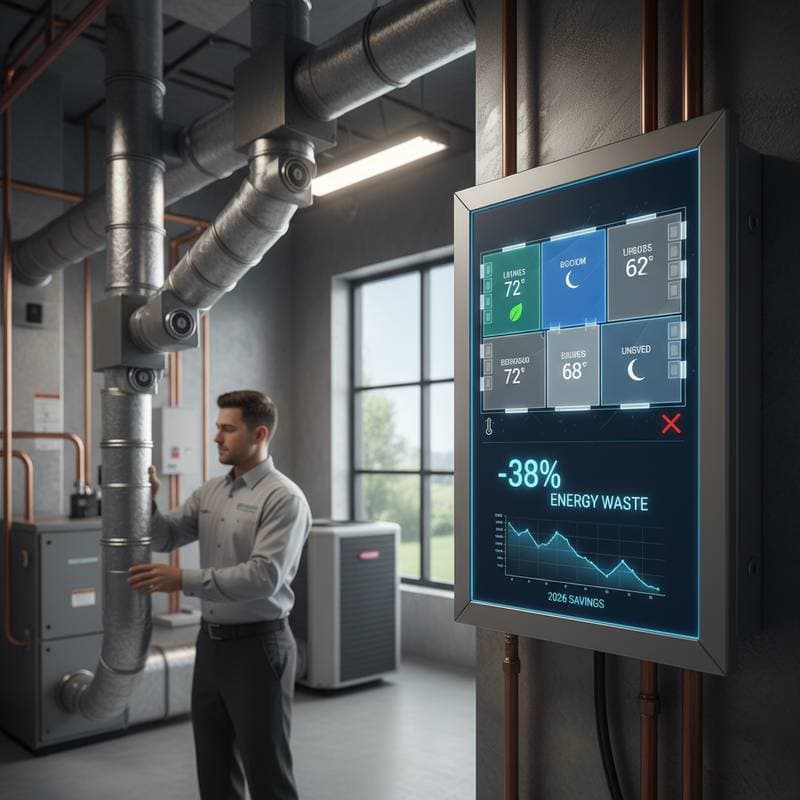
- System IntegrationThe central control panel links all elements to the primary HVAC unit.
- Testing and BalancingAirflow calibrates to guarantee uniform comfort throughout zones.
Completion spans one to three days, contingent on complexity.
Labor Expenses for HVAC Zoning
Hourly labor rates for zoning installations fall between $70 and $150. Basic two-zone projects conclude in several hours, while extensive multi-zone retrofits extend beyond a single day. Labor constitutes 40 to 60 percent of overall expenses. Engaging a certified HVAC specialist safeguards proper damper and control placement, preserving performance and warranty integrity.
Common Questions on HVAC Zoning
How Does HVAC Zoning Conserve Energy?
Zoning conserves energy by targeting heating or cooling to utilized spaces exclusively. Airflow channels to active zones rather than the whole residence, shortening equipment runtime and minimizing waste.
Is Zoning Compatible with Existing HVAC Systems?
Most central HVAC systems accommodate retrofitting with zoning controls. A technician examines ductwork to confirm damper feasibility or identify required alterations.
Steps to Implement Zoning for Your Home
Evaluate your current HVAC setup and comfort challenges to determine zoning suitability. Consult a certified professional for a site assessment and customized quote. Proceed with installation to realize immediate efficiency gains and sustained savings. This upgrade transforms energy management, ensuring tailored comfort without excess expenditure.