Cut Energy Bills with $1,800 Heat Pump Rebate in 2026
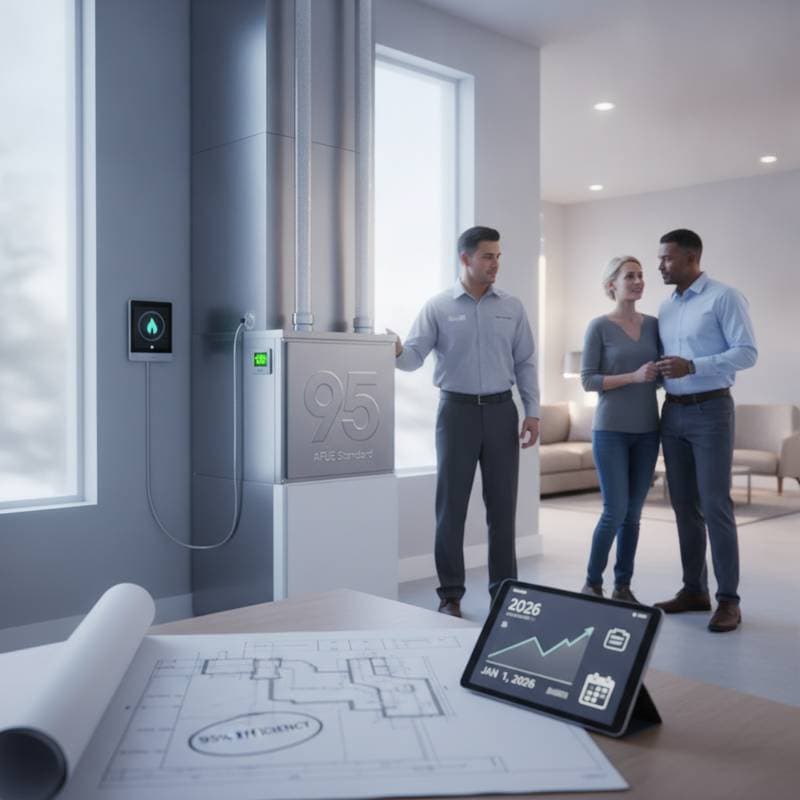
Homeowners seeking to reduce energy expenses and enhance home efficiency now have access to a $1,800 heat pump rebate starting in 2026. This incentive offsets the initial cost of installing high-efficiency heat pumps or heat pump water heaters. The following sections explain how these systems function, their efficiency advantages, and steps to claim the rebate during a home upgrade.
What is a Heat Pump?
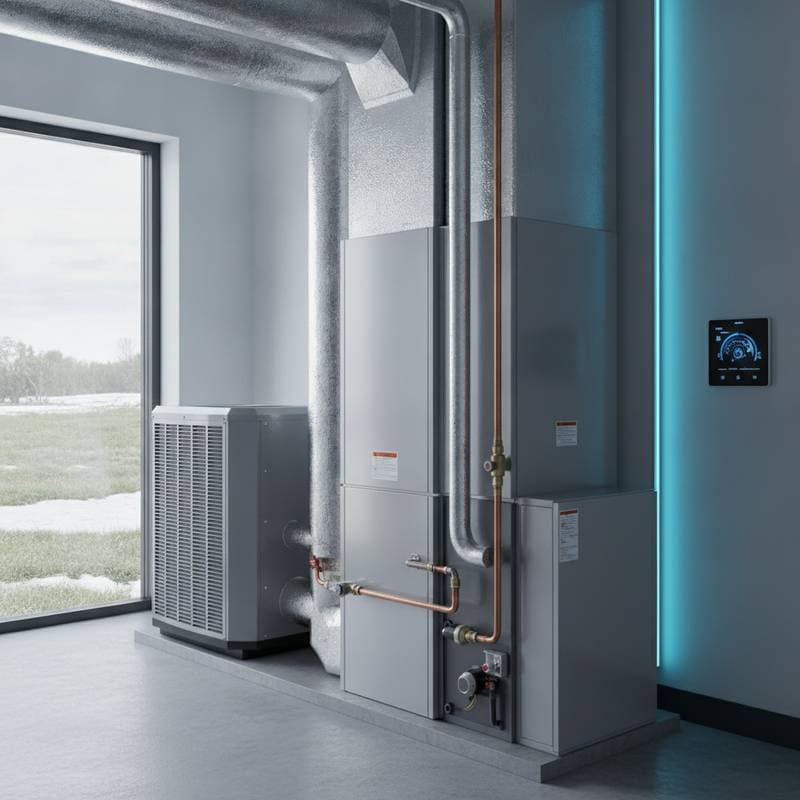
A heat pump transfers heat rather than generating it, achieving high efficiency through this method. During winter months, the system draws warmth from outdoor air and delivers it inside. In summer, it reverses operation to extract indoor heat and release it outside, using minimal electricity compared to systems that burn fuel for heat production.
How a Heat Pump Water Heater Works
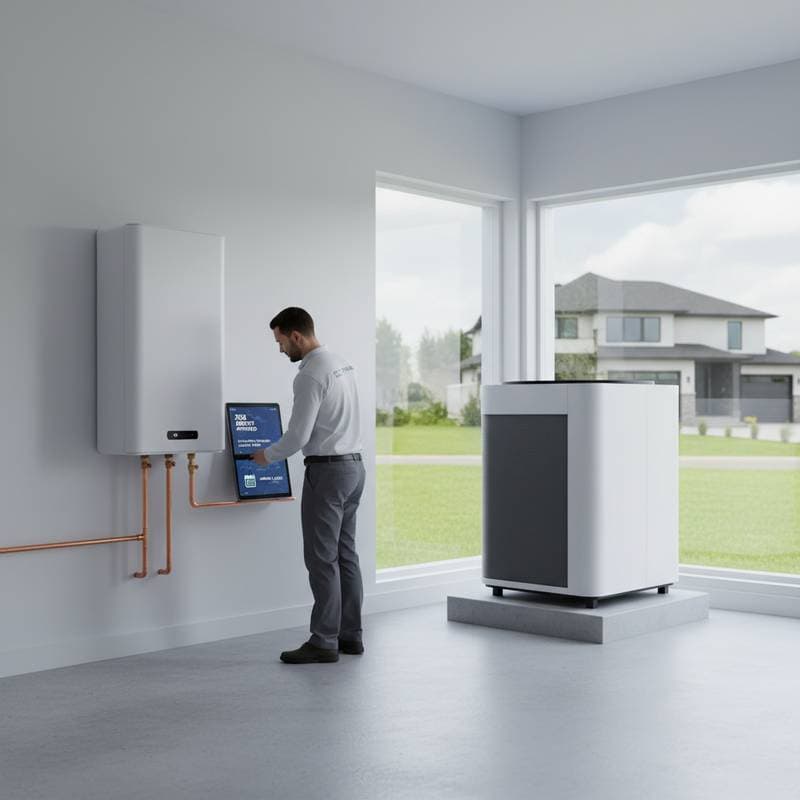
A heat pump water heater applies the same heat transfer principle. It pulls thermal energy from ambient air and moves it to the water storage tank, avoiding direct electrical resistance heating. This approach yields two to three times greater efficiency than conventional electric models, resulting in reduced utility expenses and a lower environmental impact.
Why the $1,800 Heat Pump Rebate Matters
The expense of new heating, ventilation, and air conditioning or water heating systems often deters upgrades, yet rebates like this one promote accessibility to efficient technologies. The $1,800 credit directly lowers upfront costs, enabling more households to adopt systems that deliver monthly energy savings.
This rebate presents several key advantages:
- Immediate financial relief through reduced out-of-pocket expenses.
- Sustained reductions in electricity consumption for lower bills over time.
- Decreased reliance on fossil fuels, which cuts household emissions.
- Enhanced indoor climate control with even temperatures and optimal humidity levels year-round.
Common Signs You Should Upgrade to a Heat Pump System
A struggling heating or cooling setup signals the need for replacement. Consider an upgrade if energy bills rise consistently month after month. Frequent cycling or failure to maintain set temperatures indicates inefficiency.
Uneven room temperatures or persistent hot and cold spots suggest poor distribution. Increasing repair frequency or costs points to impending failure. For water heaters over ten years old showing rust or leaks, a heat pump model offers reliability and savings.
Key Factors Affecting Heat Pump Costs
Installation costs vary by project specifics, though the rebate offsets a substantial share. Larger residences demand bigger units or multiples, elevating material and labor requirements. Air-source heat pumps prove more budget-friendly than ground-source options, with both eligible for incentives.
Higher efficiency ratings, such as elevated Seasonal Energy Efficiency Ratio or Heating Seasonal Performance Factor values, raise initial prices but amplify long-term savings. Outdated ductwork or inadequate electrical service may necessitate additional modifications. Complex setups, including limited access or extra wiring, influence the final quote.
Typical installations range from several thousand dollars upward, depending on these elements, making the rebate a critical aid.
Heat Pump vs. Traditional Systems
Heat pumps differ from standard furnaces or air conditioners in efficiency, expenses, and user experience. They employ electricity solely for heat movement, surpassing fuel-burning methods in energy use. Maintenance demands remain lower without combustion components.
Safety improves by eliminating flames and exhaust gases, removing carbon monoxide risks. One unit handles both heating and cooling duties, simplifying setups. In areas with mild climates, heat pumps meet demands without supplementary equipment.
The Heat Pump Installation Process
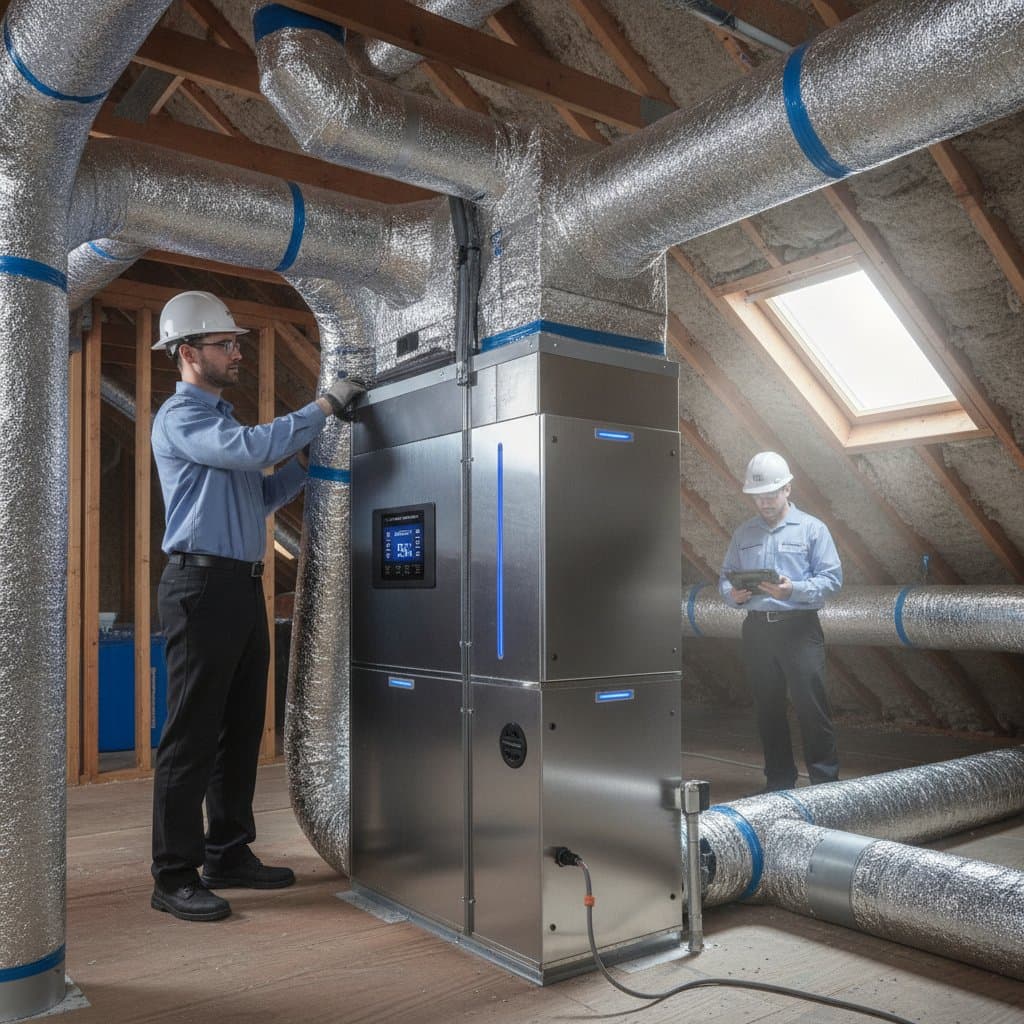
Understanding the installation sequence eases preparation. Professionals begin with a thorough home evaluation, inspecting existing gear, insulation, and ducts to size the system accurately.
They then select a model aligned with efficiency targets and household requirements. Installation follows, removing old components and integrating the new heat pump or water heater with electrical, refrigerant, and control connections.
Final testing ensures smooth operation, proper airflow, and thermostat integration. Technicians clean the site and provide guidance on operation and upkeep to sustain peak performance.
Select certified experts experienced in heat pump installations, as precise execution determines longevity and efficiency.
DIY vs. Hiring a Pro
Heat pump projects involve complexities beyond basic skills, including refrigerant management and electrical work. Professionals possess the necessary certifications and tools for compliance and safety.
Homeowners may perform routine tasks such as:
- Replacing or cleaning air filters on schedule.
- Clearing debris from outdoor units.
- Optimizing thermostat configurations for energy conservation.
Experts must manage:
- Electrical wiring and circuit assessments.
- Refrigerant levels and line configurations.
- Comprehensive repairs or full system overhauls.
Frequently Asked Questions
How do I qualify for the $1,800 heat pump rebate?
Qualification requires installing a certified high-efficiency heat pump or water heater via an approved contractor. Verify specifics through local energy authorities prior to project commencement.
Can I use the rebate for both a heat pump and a heat pump water heater?
Separate incentives often apply to each system type. Review program guidelines to determine eligibility for combined claims and greater overall savings.
How much can I really save on energy bills with a heat pump?
Actual savings depend on insulation quality, regional weather, and prior equipment. Homeowners frequently achieve 20 to 50 percent decreases in heating and cooling expenditures with efficient models.
How long does a heat pump last?
Proper care extends service life to 15 years or beyond. Schedule filter replacements, annual inspections, and timely fixes to maximize durability.
Will the rebate cover installation costs?
Rebates generally target equipment purchases, though certain programs extend partial installation support. Examine conditions thoroughly before committing to a purchase.
Schedule Your Heat Pump Evaluation Today
Upgrading heating or cooling systems aligns with the 2026 rebate timeline for optimal benefits. This incentive facilitates investments in durable, efficient solutions that lower costs and environmental impact. Contact a qualified HVAC specialist for a personalized assessment to identify the ideal heat pump or water heater for your residence.