
How Heat Pumps Triple Efficiency and Deliver $500 in Annual Savings
Upgrading to a heat pump system transforms home energy use. Modern heat pumps achieve three times the efficiency of traditional heating and cooling systems, which enables homeowners to save up to $500 each year on energy expenses. These gains stem from innovative compressor designs, intelligent controls, and the versatility of a single unit that handles both heating and cooling.
This guide details the mechanisms behind these efficiencies, compares system types for optimal performance, and outlines expected installation expenses. It also examines critical factors that impact results, provides maintenance advice, and lists essential questions for contractors.
Efficiency Ratings and Savings Potential
Heat pumps excel by transferring heat instead of generating it, a method that consumes far less energy and yields superior efficiency metrics along with reduced operational costs.
| System Type | Efficiency Range | Annual Savings Range | Key Features |
|---|---|---|---|
| Air Source Heat Pump | 200% to 300% | $400 to $600 | Suited to diverse climates; draws heat from outdoor air for year-round use |
| Ground Source (Geothermal) | 300% to 400% | $500 to $800 | Leverages stable ground temperatures; involves higher initial investment |
| Ductless Mini-Split | 250% to 350% | $350 to $550 | Provides targeted zoning; perfect for homes lacking ductwork |
Such ratings position heat pumps as premier choices for energy conservation. A correctly installed system often lowers overall energy consumption by 30% to 50%, influenced by factors like home dimensions, insulation quality, and regional weather patterns.
Mechanisms Behind Triple Efficiency
Heat Transfer Fundamentals
Conventional furnaces rely on fuel combustion to produce heat, resulting in significant energy loss through exhaust. Heat pumps, by contrast, employ refrigerants and compressors to shift heat from outdoor to indoor spaces or vice versa. Nearly all input energy supports this transfer, allowing efficiencies that surpass 300%.
Variable-Speed Compressor Technology
Contemporary heat pumps incorporate variable-speed compressors that modulate output to match real-time needs. These units operate at reduced speeds for extended periods, ensuring consistent temperatures with minimal electricity draw.
Intelligent Controls and Monitoring
Sophisticated sensors track environmental variables, fine-tuning operations to eliminate excess energy use. Integration with programmable thermostats allows systems to adapt to daily routines, further enhancing precision.
Integrated Heating and Cooling
A heat pump consolidates functions that typically require separate furnace and air conditioner units. This consolidation cuts maintenance demands and optimizes year-round efficiency.
Installation Cost Overview
Expenses for heat pump installation depend on model, capacity, and performance specifications. The following table summarizes typical ranges.
| Type | Installed Cost Range | Expected Lifespan | Notable Aspects |
|---|---|---|---|
| Air Source Heat Pump | $4,500 to $8,500 | 12 to 15 years | Widely accessible and cost-effective entry point |
| Ground Source (Geothermal) | $10,000 to $25,000 | 20 to 25 years | Substantial initial outlay offset by enduring operational economies |
| Ductless Mini-Split | $3,000 to $7,000 per zone | 15 to 20 years | Versatile for renovations or supplemental heating in specific areas |
Geothermal options, despite elevated upfront costs, yield the strongest returns over time. Many owners recoup investments via energy bill reductions within a few years.
Key Influences on Performance and Savings
Proper Sizing and Configuration
Selecting the correct capacity prevents inefficiencies from units that cycle too frequently or fail to meet demands. Engage a professional for a Manual J load calculation to determine precise requirements.
Insulation and Air Sealing Measures
Superior insulation amplifies any heat pump's effectiveness. Address drafts around windows, doors, and attics to capture an additional 10% to 20% in savings.
Regional Climate Considerations
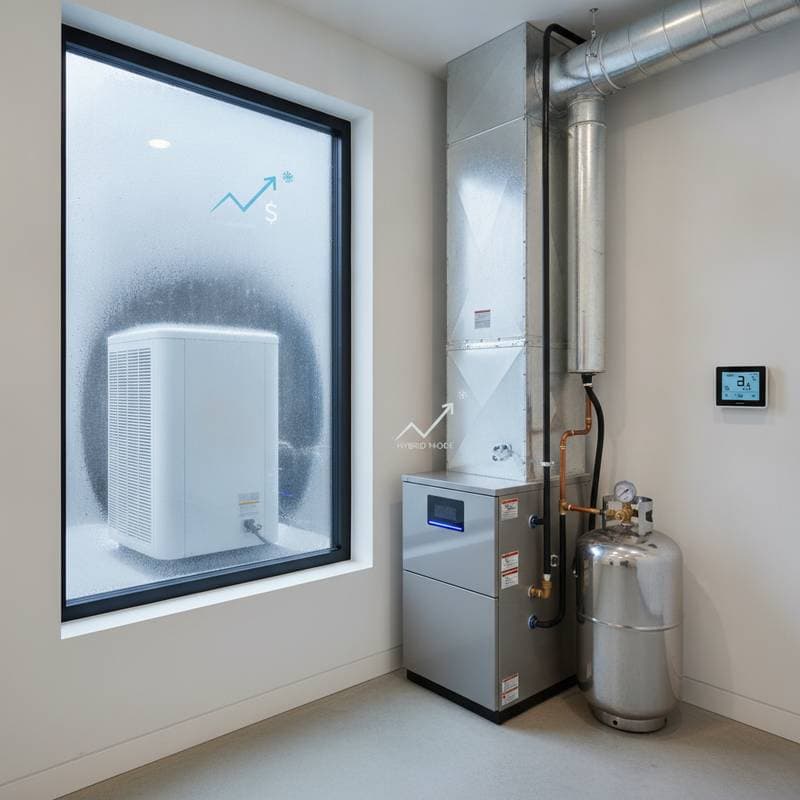
Air source models thrive in temperate zones. For harsher winters, consider hybrid setups that pair heat pumps with auxiliary gas systems to balance comfort and economy.
Local Utility Rates
Regions with elevated electricity or fuel prices accelerate payback periods. Compare current bills against projected heat pump usage to gauge financial benefits.
Available Incentives
Federal, state, and utility programs frequently subsidize efficient installations, offering rebates from hundreds to thousands of dollars based on eligibility and equipment standards.
Routine Upkeep Practices
Consistent care preserves peak operation. Annual professional inspections, combined with monthly filter changes, safeguard against efficiency declines and prolong equipment durability.
Essential Heat Pump Questions
Lifespan Expectations
Standard heat pumps endure 12 to 15 years, while geothermal variants often reach beyond 20 years under diligent maintenance. Focus on compressor and motor care to avoid early failures.
Service Frequency
Arrange expert tune-ups annually to verify refrigerant integrity, electrical safety, and component cleanliness. Supplement with homeowner filter replacements every one to three months.
Replacement for Dual Systems
One heat pump suffices for both heating and cooling needs, serving as a unified solution. In extreme cold, supplemental heat strips or furnaces ensure uninterrupted performance.
Cold-Weather Reliability
Advanced models maintain efficacy down to sub-freezing levels through enhanced refrigerants and compressor designs, making them viable in northern regions.
Homeowner Maintenance Duties
Clear debris from outdoor coils, replace filters promptly, and verify vent accessibility. Delegate refrigerant handling and electrical diagnostics to certified technicians.
Securing Reliable Installation Quotes
A competent contractor guarantees seamless integration and sustained performance. Prioritize those experienced in load assessments and incentive navigation.
Critical Inquiries for Contractors
- Do you hold current HVAC licensing and insurance?
- Which brands suit my home's scale and local conditions?
- Will you conduct a detailed load calculation for sizing?
- What SEER, HSPF, or COP ratings do you advise?
- Can you manage rebate submissions?
- What warranties cover parts and workmanship?
- How many days does installation require?
- Do you provide post-installation maintenance options?
- Is the estimate fully itemized?
- How do you minimize household disruption?
Sustaining Peak Performance Over Time
Post-installation, prioritize filter hygiene, yearly inspections, and bill monitoring to detect variances early. These steps not only sustain savings but also enhance air quality and temperature uniformity.
High-efficiency heat pumps deliver enduring value through reduced consumption, simpler upkeep, and ecological advantages. Collaborate with experts to select and install a system that aligns with your home's needs, securing comfort and substantial annual savings.