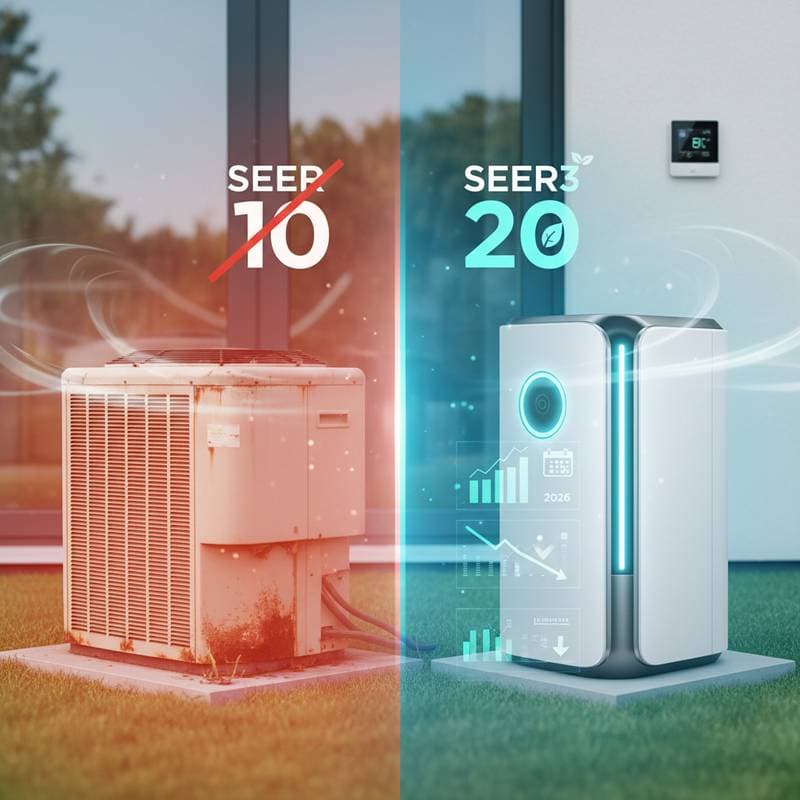
Why Older Air Conditioners Fall Short of New SEER3 Efficiency Standards
Homeowners with long-serving air conditioners may soon encounter challenges from evolving energy efficiency regulations. The SEER3 standards introduce rigorous testing protocols that expose limitations in legacy systems. This article examines the reasons older units underperform, clarifies the implications of SEER3 ratings, and outlines preparation strategies for sustained home comfort.
Understanding SEER3
SEER3 represents Seasonal Energy Efficiency Ratio, . This metric evaluates the cooling output of an air conditioner or heat pump relative to the electrical energy consumed over a typical cooling season. Higher SEER3 values indicate superior efficiency.
The calculation derives from enhanced testing procedures that mimic actual operating conditions more closely than prior methods. These standards supersede SEER2 and original SEER ratings to ensure uniform and realistic efficiency assessments across manufacturers and locations. Consequently, a previously high-performing unit might register a reduced SEER3 score without any hardware alterations.
Reasons Older Units Underperform with SEER3
Legacy air conditioners underwent evaluation under less demanding protocols that overlooked certain real-world energy drains. Retesting under SEER3 criteria frequently reveals inadequacies against the elevated benchmarks. The following factors contribute to this shortfall:
- Outdated compressor designs: Traditional compressors activate and deactivate abruptly, leading to energy waste. Contemporary variable-speed compressors modulate operation precisely, conserving power.
- Suboptimal fan motors: Single-speed motors in older models run at maximum capacity constantly. SEER3 mandates multi-speed or variable options that adapt to demand.
- Phased-out refrigerants: Environmental regulations target older refrigerants for elimination. Modern alternatives enhance efficiency while reducing ecological impact.
- Component degradation: Corrosion on coils, deteriorated seals, and worn parts diminish performance progressively, even with routine upkeep.
- Rigorous testing protocols: SEER3 incorporates variables like external static pressure that highlight design flaws invisible in earlier evaluations.
Elements Influencing SEER3 Performance
Multiple aspects determine how an air conditioning system fares under SEER3 scrutiny:
- Unit sizing: Excessively large systems cycle briefly, causing inconsistent temperatures and poor dehumidification. Accurate sizing optimizes energy use.
- Installation precision: Flawed setups compromise even top-tier equipment. Balanced airflow, appropriately dimensioned ducts, and correct refrigerant levels prove vital.
- Regional climate: Minimum SEER3 thresholds vary by geographic area to align with local cooling needs.
- Upkeep practices: Accumulated debris on filters, coils, or drains erodes efficiency, undermining rated capabilities.
- Integrated features: Heat pumps, inverter technology, and intelligent thermostats elevate overall SEER3 effectiveness.
Homeowner Strategies for Compliance
Immediate replacement remains unnecessary for functional systems. SEER3 primarily governs newly produced and distributed equipment. However, aging units face escalating repair costs and operational expenses.
Consider these proactive measures:
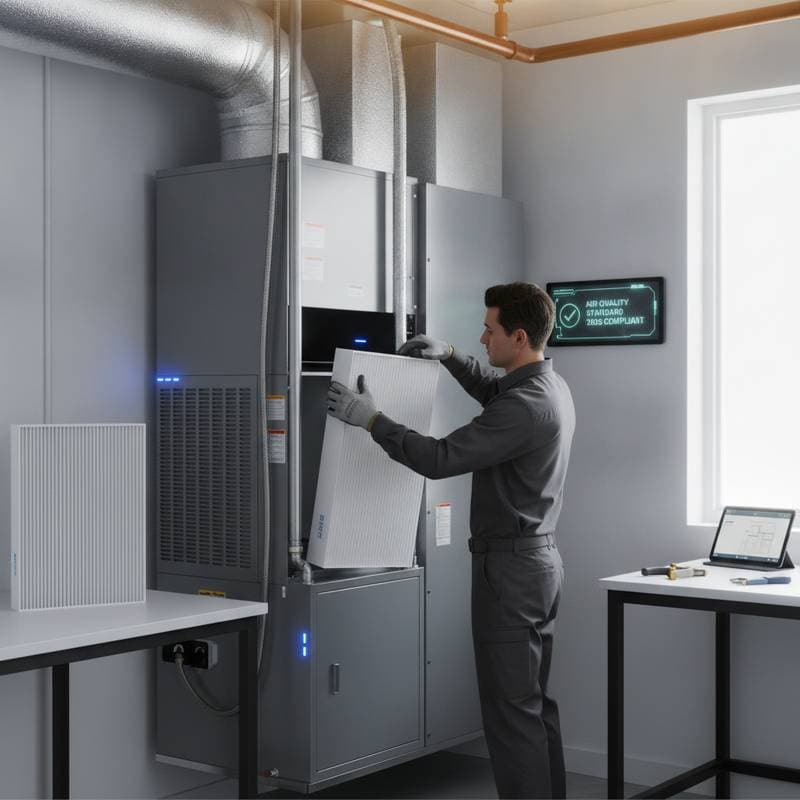
- Arrange a professional efficiency assessment: Technicians measure current output and project SEER3 equivalence.
- Evaluate replacement timing: Proceed with upgrades when repair expenses exceed long-term benefits.
- Enhance building envelope: Improved insulation, airtight ducts, and window treatments lessen cooling demands on existing equipment.
- Install programmable thermostats: Automated scheduling minimizes idle runtime, reducing consumption.
- Inquire about financial support: Utilities and producers frequently provide incentives for SEER3-qualified installations.
Implications of SEER3 for Cooling Technology
SEER3 adoption advances environmental responsibility, financial prudence, and user satisfaction. Compliant systems offer distinct advantages:
- Reduced utility expenditures
- Smoother, quieter performance with stable temperatures
- Prolonged durability from minimized stress
- Superior moisture management and air purity
Initial investments in advanced units yield returns through decreased energy demands. This evolution empowers homeowners to achieve enduring efficiency and reliability.
Common Questions on SEER3
What constitutes a strong SEER3 rating?
Efficiency improves with higher figures. Entry-level modern units achieve approximately 14 SEER3, while high-end options surpass 20. Selection hinges on local weather, financial constraints, and usage frequency.
Do existing units cease operation under SEER3?
Current installations continue unaffected. Regulations target future production and sales exclusively.
Is retrofitting possible for SEER3 compliance?
Comprehensive upgrades rarely suffice for full adherence. Incremental enhancements like servicing, duct improvements, and controls boost performance, though new installations ensure complete conformity.
Do SEER3 units carry premium prices?
Advanced components and validation processes elevate costs. Energy conservation offsets this through lower bills and extended service life.
How to verify SEER3 eligibility?
Inspect the unit's energy guide or research the model via manufacturer resources. SEER or SEER2 equivalents convert approximately using provided tables; consult an HVAC expert for precise analysis.
Preparing for Efficient Cooling
With SEER3 implementation approaching, decisions between maintenance and modernization arise for many. Grasping these standards facilitates informed choices. Engage a reliable HVAC specialist to review your setup, discuss alternatives, and propose solutions aligned with your needs and resources.