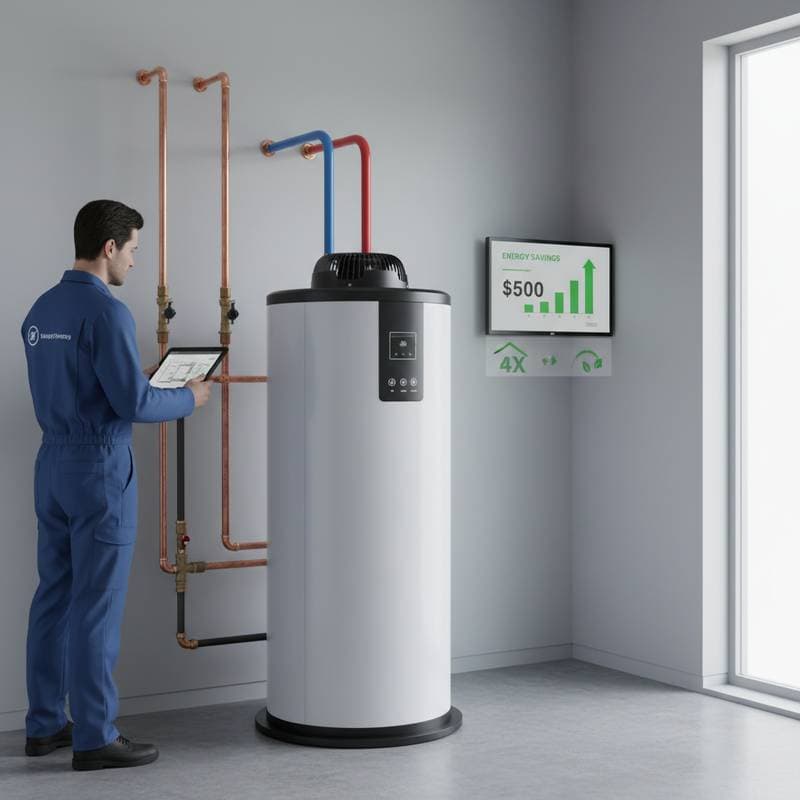
Achieve Fourfold Efficiency: How Heat Pumps Slash Energy Bills by $500 Annually
Rising utility costs affect numerous households, prompting a search for reliable ways to maintain comfort while controlling expenses. A heat pump water heater stands out as an effective option, offering up to four times the efficiency of conventional electric models. This guide explores the mechanics of these systems, potential savings, upgrade indicators, installation considerations, maintenance strategies, and the reasons behind their growing popularity among environmentally aware homeowners.
Understanding Heat Pump Water Heaters
A heat pump water heater operates by transferring heat using electricity, rather than generating it outright. In contrast, standard electric water heaters rely on heating elements within the tank to produce warmth directly from electrical current. The heat pump model extracts ambient heat from the surrounding air and channels it into the water supply.
This method requires minimal electricity to relocate substantial thermal energy, achieving efficiencies up to four times greater than traditional units. Homeowners receive consistent hot water supply, yet with significantly reduced energy consumption and operational costs. Such performance makes these systems ideal for modern households seeking sustainability without sacrificing convenience.
The Mechanism Behind Fourfold Efficiency
Heat transfer technology forms the core of a heat pump's superior performance. Rather than producing heat anew, the system captures existing thermal energy from the air, which persists even in moderately cool environments. Key components facilitate this efficient cycle:
- Evaporator coil: Captures heat from ambient air via a circulating refrigerant.
- Compressor: Elevates the refrigerant's temperature under pressure.
- Condenser coil: Releases the intensified heat directly into the water tank.
By relocating heat instead of generating it, the unit delivers equivalent hot water output with approximately one-fourth the energy input of a standard electric heater. Depending on local electricity rates and household demand, users often realize annual savings of about $500. These figures underscore the long-term financial advantages of adopting this technology.
Indicators for Upgrading to a Heat Pump System
An aging or malfunctioning water heater signals the potential benefits of switching to a more advanced model. Consider replacement if any of the following conditions apply:
- The existing unit exceeds 10 to 15 years of service or approaches its expected lifespan.
- Electricity bills increase steadily despite stable usage patterns.
- Hot water supply depletes rapidly or varies unpredictably in temperature.
- Unusual sounds, visible leaks, or corrosion develop on or near the tank.
Addressing these problems through an upgrade not only curbs expenses but also enhances system dependability and home safety.
Factors Influencing Installation Costs
Installation expenses for heat pump water heaters fluctuate based on regional factors and specific requirements, typically ranging from $2,000 to $5,000 including labor. Several elements determine the final price:
- Capacity requirements: Larger families may require expanded tanks or hybrid configurations, elevating material costs.
- Energy efficiency metrics: Units with superior ratings, such as those exceeding 3.0 Uniform Energy Factor, yield greater savings but involve higher initial investment.
- Site-specific challenges: Modifications for electrical service, ducting, or space constraints can raise labor fees.
- Manufacturer quality: Established brands providing extended warranties, often 10 years or more, justify premium pricing through durability.
- Available rebates: Federal tax credits up to $2,000 and local utility incentives frequently reduce net costs substantially.
When estimating total expenses, consult multiple contractors for detailed quotes that account for these variables. Such preparation ensures alignment with budget constraints while maximizing return on investment.
Maintenance Strategies: DIY and Professional Approaches
Regular upkeep extends the lifespan of a heat pump water heater, which often spans 10 to 15 years with proper care. Homeowners can manage basic routines, while specialized tasks demand expert intervention.
Tasks Suitable for Homeowners
- Inspect and clean air filters quarterly to maintain optimal airflow.
- Remove accumulated dust or obstructions from the unit's exterior and vicinity.
- Adjust the thermostat setting to 120 degrees Fahrenheit for balanced efficiency and comfort.
Tasks Requiring Professional Expertise
- Verify and secure all electrical wiring and connections.
- Manage refrigerant levels and system pressures.
- Conduct yearly diagnostic checks and any necessary repairs.
Engaging a certified technician prevents safety risks and preserves manufacturer warranties. Professional service schedules, ideally annually, safeguard performance and efficiency over time.
Step-by-Step Installation Overview
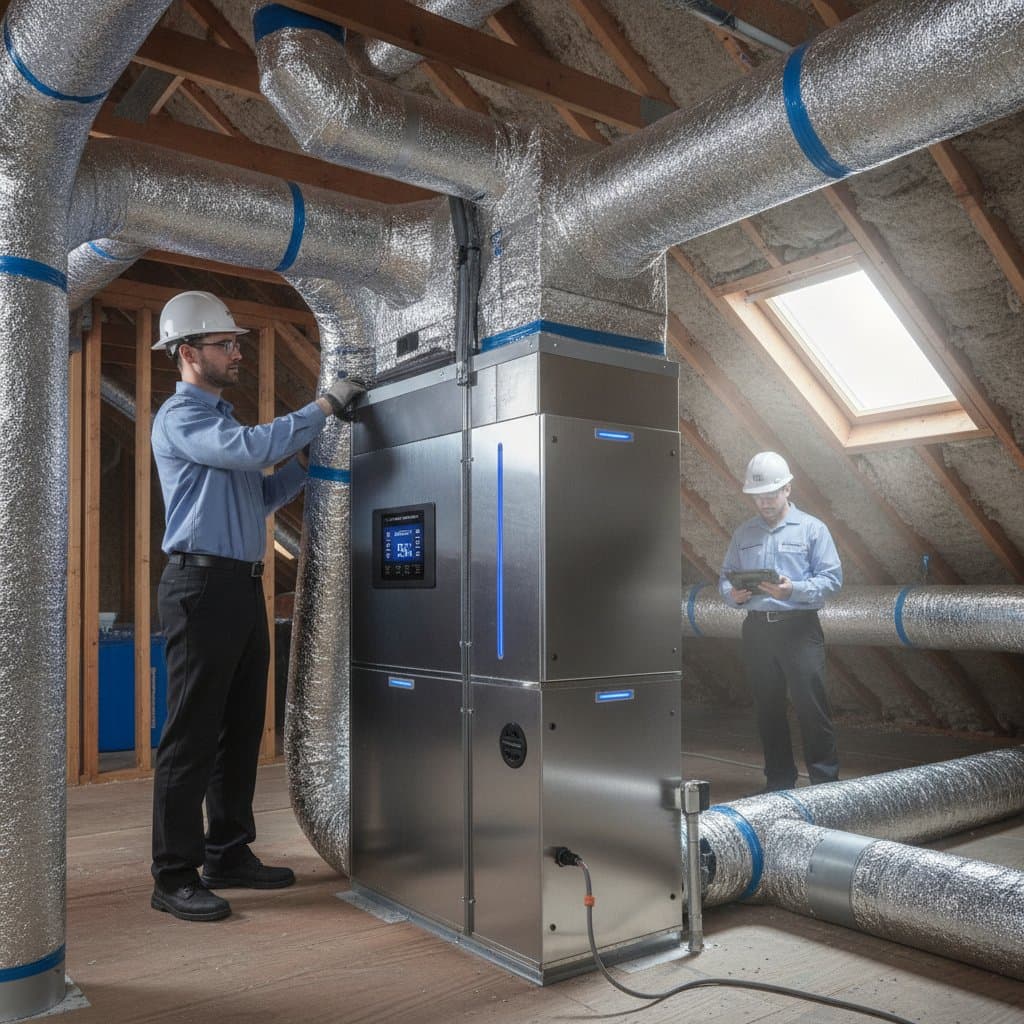
Professional installation by a licensed HVAC specialist ensures seamless integration and immediate functionality. The procedure follows a methodical sequence:
- Initial evaluation: Assess home configuration, water usage, and existing infrastructure.
- Model selection: Identify the appropriate size and features tailored to household needs.
- Unit replacement: Disconnect and remove the old heater, then position and connect the new system.
- System verification: Test for operational integrity, including leak detection and airflow consistency.
- User orientation: Provide guidance on controls, daily use, and routine maintenance.
Most installations conclude within a single day, minimizing household disruption. Post-installation monitoring confirms sustained efficiency and reliability.
Common Questions About Heat Pump Water Heaters
What annual savings can homeowners expect?
Typical households achieve $400 to $600 in yearly reductions, influenced by consumption levels and regional energy prices. Savings prove most pronounced in high-cost electricity markets.
Are heat pumps suitable for all climates?
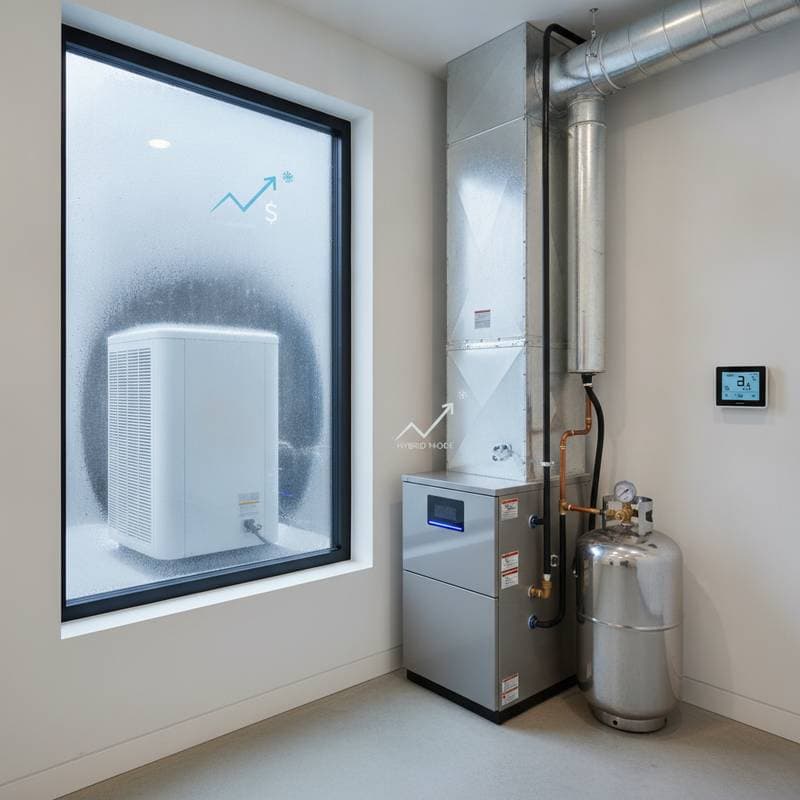
These systems perform effectively in temperatures above 40 degrees Fahrenheit. In colder regions, hybrid models combine heat pump operation with supplemental electric heating to maintain performance.
How does installation impact home energy use?
Proper setup optimizes overall efficiency, potentially lowering total household energy demands by 50% for water heating alone. Integration with smart home systems further enhances control and savings.
Realize Sustainable Savings Through Smart Upgrades
Transitioning to a heat pump water heater represents a strategic investment in comfort, cost reduction, and environmental responsibility. By leveraging existing heat sources, these units deliver reliable performance with minimal energy input. Homeowners who prioritize efficiency gain not only immediate bill relief but also long-term resilience against fluctuating utility rates. Schedule a consultation today to explore how this technology fits your home and lifestyle.