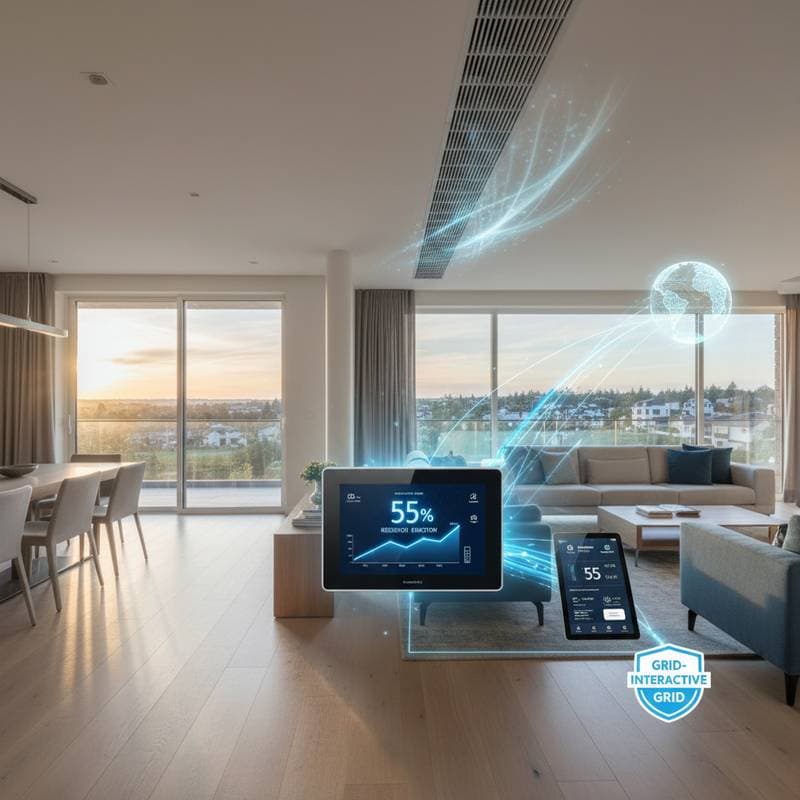
Achieve 55% Peak Energy Reduction with Grid-Interactive HVAC
Homeowners often face high energy costs during peak demand periods. Grid-interactive HVAC systems address this challenge by reducing peak energy use by up to 55 percent. These systems save money, support grid stability, and enhance overall home efficiency. This article details the mechanics of grid-interactive HVAC, key efficiency drivers, and practical steps for implementation.
| Key Metric | Typical Value |
|---|---|
| Peak Energy Reduction | Up to 55% |
| Average Energy Savings | 10% to 25% annually |
| Typical Payback Period | 3 to 7 years |
| Utility Incentives Available | Yes, in many regions |
Understanding Grid-Interactive HVAC Functionality
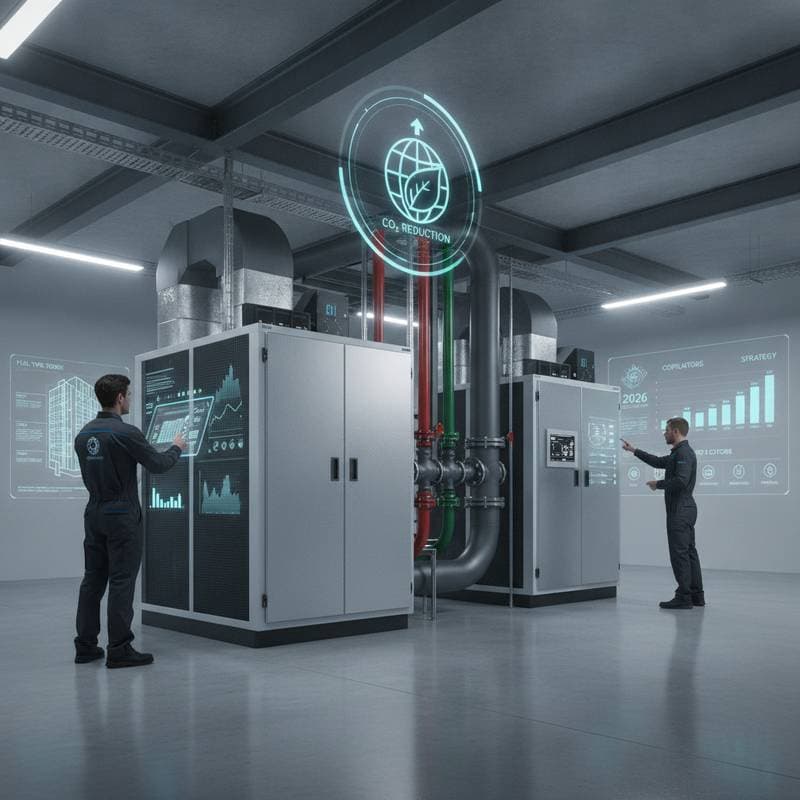
Grid-interactive HVAC systems connect directly to the electrical grid for dynamic operation adjustments. Unlike conventional systems that operate independently until reaching the desired temperature, these systems receive real-time signals from the grid or utility providers. They modulate power consumption during high-demand periods while preserving indoor comfort.
Core components include smart thermostats for precise monitoring, variable-speed compressors for adjustable output, and thermal energy storage for off-peak energy capture. For instance, the system precools the home in advance of peak hours, then reduces activity to minimize grid strain and associated costs. This approach ensures seamless integration with daily routines.
Installation Costs for Grid-Interactive HVAC Systems
Upfront investment in grid-interactive HVAC exceeds that of traditional setups, yet rebates and long-term savings justify the expense. Costs vary based on system complexity, home size, and integration needs.
| System Type | Average Installed Cost |
|---|---|
| Grid-Interactive Heat Pump | $8,000 - $14,000 |
| Smart Thermostat Upgrade | $200 - $500 |
| Energy Storage Integration | $2,000 - $5,000 |
Factors such as existing infrastructure and regional labor rates influence the final price. Professional assessments help identify the most cost-effective options for new installations or retrofits.
Labor costs typically range from $2,000 to $5,000, covering removal of old equipment, wiring for smart controls, and system calibration. These expenses often qualify for utility rebates, accelerating return on investment.
Essential Factors Influencing Grid-Interactive HVAC Effectiveness
Performance of grid-interactive systems depends on multiple elements that homeowners can optimize for maximum benefit.
Proper System Sizing and Home Layout
HVAC units must align with the home's specific heating and cooling requirements. An oversized system cycles inefficiently, increasing energy waste, while an undersized one struggles to maintain temperatures. Engage a certified technician to perform a Manual J load calculation, which accounts for insulation, windows, and climate to ensure optimal sizing.
Efficiency Ratings to Prioritize
Select systems with superior SEER2 ratings above 16 for cooling efficiency and HSPF2 ratings exceeding 9 for heating. These metrics indicate reduced energy consumption, particularly during peak times. Higher-rated equipment amplifies savings when paired with grid-interactive features.
Advanced Connectivity Options
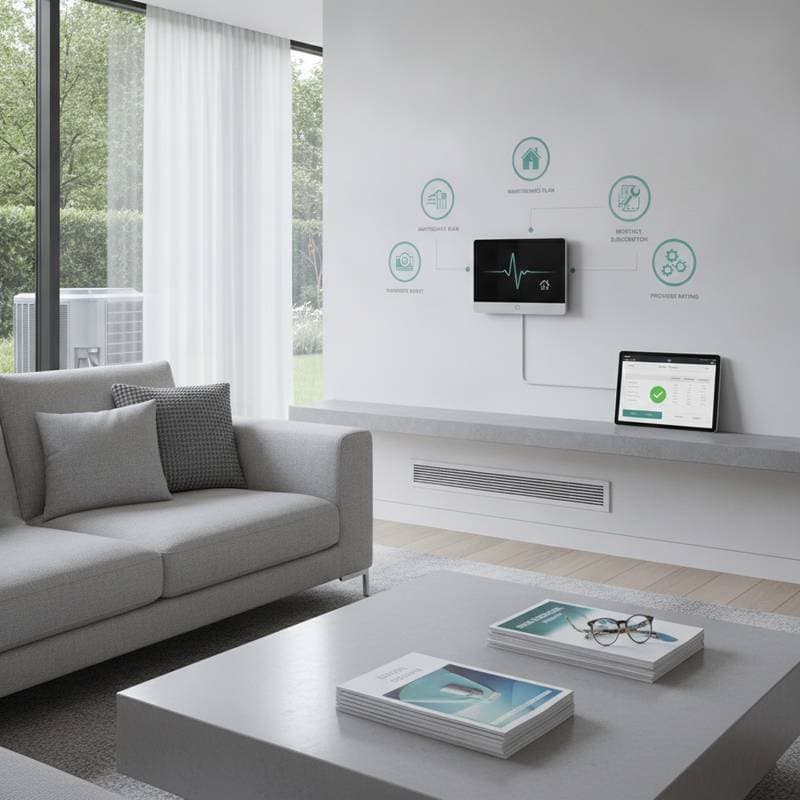
Robust smart thermostats and IoT-enabled controls allow instantaneous responses to grid demands. Features like geofencing and scheduling enhance automation, enabling customized energy management. Upgrading to Wi-Fi-compatible devices unlocks remote monitoring via mobile apps.
Participation in Utility Demand Response Initiatives
Utilities frequently provide programs that compensate participants for curtailing HVAC usage during peaks. Enrollment involves simple registration and can yield monthly credits or one-time rebates. Research local offerings through your utility's website to identify eligible incentives.
Exploring Grid-Interactive HVAC System Options
Several configurations suit different home needs, each offering unique benefits for energy management.
-
Central Air Systems with Smart Thermostats
-
Pros: Cost-effective enhancement to existing setups; straightforward installation.
-
Cons: Relies on current equipment limits; minimal built-in storage.
-
Variable-Speed Heat Pumps
-
Pros: Delivers consistent temperatures with precise power modulation; integrates seamlessly with renewables.
-
Cons: Requires professional expertise for optimal setup.
-
Ductless Mini-Split Systems with Intelligent Controls
-
Pros: Provides targeted zoning for multi-room efficiency; ideal for additions or retrofits.
-
Cons: Initial unit placement demands careful planning for whole-home coverage.
-
Integrated Thermal Energy Storage Solutions
-
Pros: Captures off-peak energy for peak-time use, maximizing savings.
-
Cons: Involves additional space for storage components.
Indicators for Upgrading to Grid-Interactive HVAC
Consider an upgrade if your current setup shows these common issues:
- Escalating bills during seasonal peaks
- Short cycling or inconsistent room temperatures
- Eligibility for demand response rewards from your utility
- An HVAC system over 10-15 years old
- Plans to incorporate smart home devices or solar installations
Addressing these signals through modernization improves comfort and reduces environmental impact.
Step-by-Step Installation Guide
Transitioning to grid-interactive HVAC requires a structured process to ensure reliability and efficiency.
- Conduct a Comprehensive Home Energy Audit – Professionals inspect insulation, air sealing, and current HVAC performance to pinpoint improvements.
- Design and Size the System – Based on audit results, select components that match your home's load, considering future expansions.
- Install the Equipment – Remove outdated units and install new grid-responsive hardware, including compressors and controls.
- Configure Smart Features – Link thermostats to your network and program them for utility signal reception.
- Test System Performance – Run diagnostics to confirm responsiveness and efficiency under simulated peak conditions.
- Enroll in Incentive Programs – Submit documentation to utilities for rebates and activate demand response participation.
This methodical approach minimizes disruptions and verifies long-term functionality.
Common Questions on Grid-Interactive HVAC
How do these systems achieve a 55% reduction in peak energy demand?
Grid-interactive HVAC shifts usage patterns by preloading thermal energy before high-demand windows. Operation then scales back intelligently, avoiding full-load strain on the grid. This strategy maintains efficiency without abrupt changes.
Does grid-interactive operation impact indoor comfort levels?
Temperature fluctuations remain minimal, often within one degree, and occur gradually. Advanced algorithms prioritize user settings, ensuring consistent comfort alongside energy optimization.
Is it possible to retrofit existing HVAC for grid interactivity?
Many systems accommodate upgrades via compatible thermostats and modules. For optimal results, pair with variable-speed technology during routine maintenance or replacement cycles.
What incentives do utilities provide for these systems?
Rebates, time-of-use rate discounts, and performance-based credits are common. Contact your provider to explore programs tailored to your region, which can offset 20-50% of installation costs.
Can grid-interactive HVAC integrate with solar energy systems?
These setups complement solar installations by prioritizing self-generated power during peaks. Battery storage further enhances synergy, reducing grid dependence and amplifying savings.
Implement Grid-Interactive HVAC for Lasting Efficiency Gains
Adopting grid-interactive HVAC transforms energy management in your home. Start with a professional consultation to assess compatibility and incentives. This investment not only lowers bills but also contributes to a more sustainable energy future. Contact local experts like Obie Heat and Air to begin your upgrade journey today.