- Identify the filter dimensions and type from the existing unit or equipment documentation.
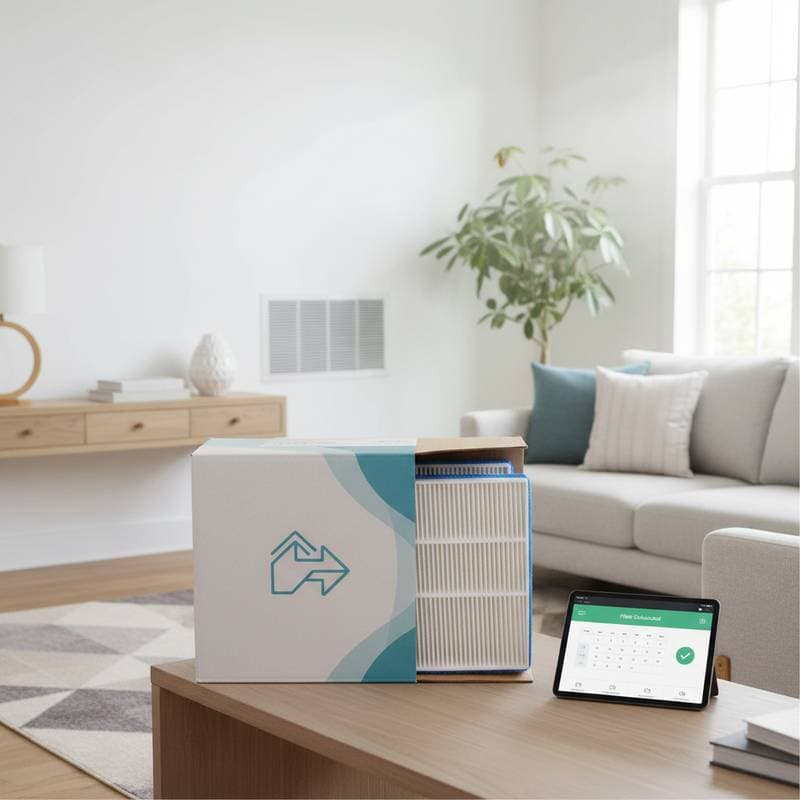
- Establish a delivery interval, with choices ranging from monthly to quarterly based on usage.
- Await scheduled shipments, which include straightforward guidance for installation.
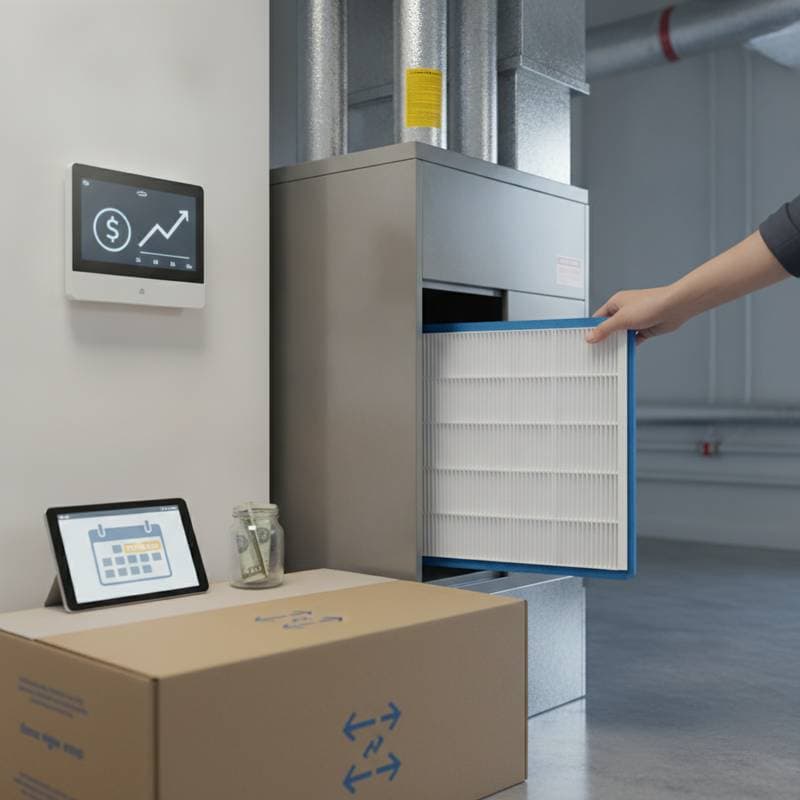
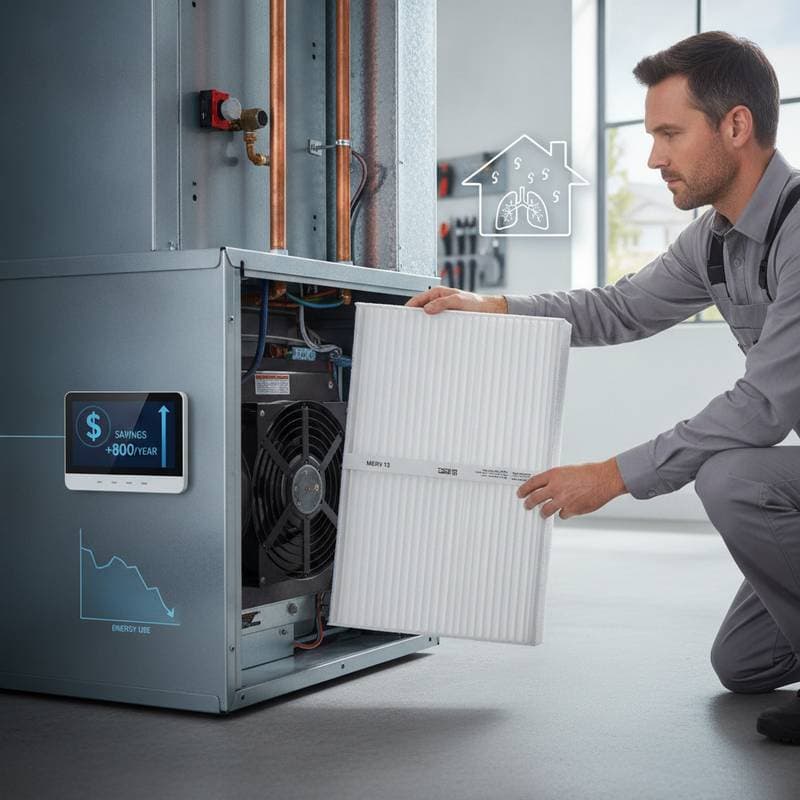
- Install the new filter by aligning it in the housing, then handle the old one through recycling or proper disposal per community regulations.
This streamlined method minimizes oversight and integrates maintenance into everyday life effortlessly.
Essential Advantages of Filter Subscription Services
Beyond mere delivery, these subscriptions yield tangible improvements in daily living and system reliability.
Enhanced Indoor Air Quality
Fresh filters capture allergens, dust, and pollutants effectively before they spread throughout living spaces. In homes with sensitive occupants, such as those with asthma or young children, regular exchanges represent a straightforward strategy for fostering healthier breathing environments. Consistent use correlates with fewer irritation episodes and overall well-being.
Superior System Performance
A restricted filter forces the fan motor to exert additional force, consuming more power and accelerating component fatigue. Routine replacements preserve unrestricted airflow, allowing the unit to operate at peak capacity. This efficiency can enhance performance metrics, ensuring quicker temperature adjustments and quieter operation.
Prolonged HVAC Durability
By blocking contaminants from infiltrating critical areas like evaporator coils and blower assemblies, clean filters mitigate premature degradation. Homeowners who adhere to schedules report fewer service calls and extended operational lifespans for their equipment. This preventive measure translates to deferred capital outlays for major repairs or full replacements.
Financial Benefits
Subscription fees cover filters and shipping, yet the returns often surpass initial investments. Energy conservation alone might offset costs through reduced consumption, while averting damage curtails unexpected repair bills. Over a year, these efficiencies compound to deliver substantial household savings.
Assurance of Reliability
The predictability of arrivals instills confidence, liberating mental space from one more chore. Users frequently highlight the hands-off nature, which sustains home standards without intervention. This reliability proves invaluable during peak seasons when system demands intensify.
Comparing Filter Subscriptions to Manual Buying
Evaluate whether subscriptions suit your needs by weighing them against traditional purchasing.
Manual Purchasing Approach
Procuring filters as needed offers apparent affordability through price comparisons across retailers. However, challenges arise in maintaining schedules, selecting compatible products, and ensuring stock availability. These factors can lead to irregular upkeep, compromising air and system health.
Subscription Model Benefits
Services guarantee precise matches to your setup, with deliveries timed for optimal use. They reduce packaging waste through bulk efficiency and uphold uniform quality standards. For those with packed routines, this reliability justifies any modest premium over sporadic buys.
Selecting an Optimal Filter Delivery Plan
Differentiate among options by evaluating these criteria:
- MERV rating, which quantifies particle capture capability; select a level compatible with your system's airflow tolerances to avoid strain.
- Precise sizing to fit your unit's compartment without gaps or modifications.
- Adjustment for household variables, like frequent cooking or outdoor proximity, to determine replacement pace.
- Provider track record, prioritizing those sourcing from established filter producers for durability.
- Adaptability features, such as options to modify schedules or hold shipments during vacations.
These elements guide choices toward plans that align with specific home requirements, balancing protection and practicality.
Common Questions About Filter Subscriptions
What Is the Recommended Replacement Frequency for HVAC Filters?
Replacement every one to three months suits most residences, adjusted for factors like occupancy and pet presence. Delivery services automate this cadence, eliminating manual tracking and ensuring adherence to best practices.
Do Subscriptions Cost More Than Retail Purchases?
Costs align closely with store prices, sometimes with a slight upcharge for automation. The value emerges in averted energy waste and repair avoidance, often yielding net financial gains over time.
Is a High-Efficiency Filter Suitable for Every System?
Compatibility varies; systems with lower-powered blowers may experience issues with high-MERV options due to increased resistance. Consult equipment specifications or a technician to confirm suitability before selection.
How Do Deliveries Handle Absences from Home?
Packages arrive in secure, compact forms suitable for porches or mailboxes. Online tracking and delivery adjustments provide control, ensuring accessibility upon return.
Does a Subscription Eliminate the Need for Professional Servicing?
Filter management supports but does not supplant comprehensive maintenance. Technicians address elements like duct integrity, electrical safety, and refrigerant integrity, complementing subscription efforts for full system care.
Implementing Your Filter Delivery Solution
Establishing a filter delivery subscription streamlines HVAC oversight and elevates home air standards. This approach schedules essentials precisely, conserves resources, and bolsters equipment resilience across seasons. Take the step to configure a plan matched to your setup, securing sustained efficiency and comfort without ongoing effort.