Understanding SEER3 Standards and Their Impact on Cooling Costs
The Seasonal Energy Efficiency Ratio (SEER) measures the efficiency of air conditioning systems by comparing cooling output to energy input over a typical cooling season. Starting in 2026, the U.S. Department of Energy mandates SEER3 ratings for all new air conditioners and heat pumps sold in the northern U.S., with southern regions following similar updates. These standards introduce more rigorous testing protocols that simulate real-world conditions, such as higher static pressure in ductwork, resulting in ratings that better reflect actual performance.
Compared to earlier SEER and SEER2 models, SEER3 provides a more accurate assessment of efficiency. For instance, a unit rated 14 SEER2 might equate to approximately 12.9 SEER3 due to the updated testing. This shift encourages manufacturers to design systems that perform reliably under everyday stresses, ultimately leading to lower energy consumption and reduced cooling costs for homeowners. By adopting SEER3-compliant equipment, households can expect annual savings of 20 to 30 percent on electricity bills, depending on local climate and usage patterns.
Benefits of Upgrading to SEER3-Rated Systems
SEER3 standards not only cut energy costs but also enhance overall home comfort and sustainability. Higher-efficiency units deliver consistent cooling with less humidity control issues, reducing the risk of mold growth and improving indoor air quality. Additionally, these systems often incorporate advanced features like variable-speed compressors, which adjust output to match demand precisely, minimizing temperature fluctuations.
From a financial perspective, the investment pays off through lower utility bills and increased home resale value. Energy-efficient upgrades can qualify for rebates or tax credits under programs like the Inflation Reduction Act, offsetting initial costs. Long-term reliability also means fewer breakdowns and repair needs, extending the system's lifespan beyond the typical 10 to 15 years.
The AC Upgrade Process Under SEER3 Standards
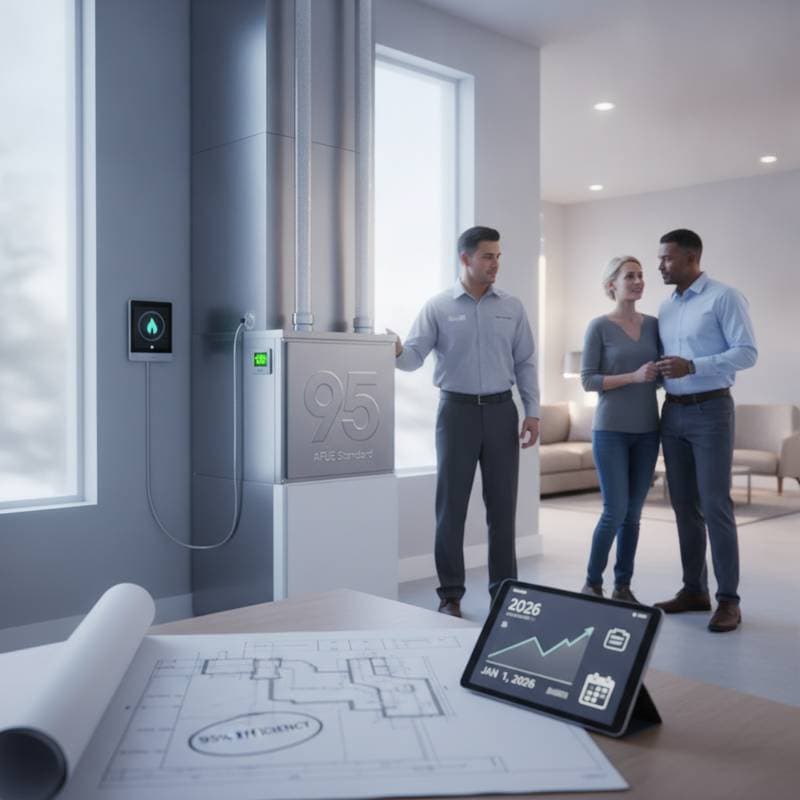
Selecting and installing a SEER3-rated air conditioner requires careful planning to ensure optimal performance. Begin by consulting a certified HVAC professional who adheres to industry best practices. The process unfolds in structured steps designed to match the system to your home's specific requirements.
-
Home Evaluation: A technician assesses key factors, including square footage, window orientations, insulation quality, and existing ductwork configuration. This step identifies potential inefficiencies, such as air leaks, that could undermine the new system's effectiveness.
-
Load Calculation: Using Manual J calculations, the professional determines the precise cooling capacity needed, measured in tons or BTUs. Oversized units cycle on and off too frequently, leading to higher energy use and uneven temperatures, while undersized ones strain to keep up.
-
System Selection: Review options from trusted brands, focusing on SEER3 ratings between 15 and 22. Consider complementary features like smart thermostats for remote control and zoning capabilities for multi-room efficiency. Balance upfront costs with projected energy savings using online calculators or professional estimates.
-
Installation: The crew removes the old unit safely, disposes of it in compliance with environmental regulations, and installs the new one. Critical tasks include charging the system with the correct refrigerant amount, sealing duct joints, and integrating it with your home's electrical setup.
-
Testing and Calibration: Post-installation, the technician performs a thorough startup procedure. This involves checking refrigerant levels, measuring airflow across coils, and calibrating the thermostat for accuracy. Any issues, such as vibrations or pressure imbalances, receive immediate correction.
-
Maintenance Guidance: Receive a customized plan, including filter replacement schedules and annual inspection reminders. The professional explains how to monitor energy usage via utility apps or system diagnostics to track performance over time.
Engaging experts throughout ensures the system achieves its rated efficiency and complies with local building codes.
DIY Maintenance Versus Professional Service for SEER3 Systems
Regular upkeep preserves the efficiency gains of a SEER3-rated unit, but knowing the boundaries between homeowner tasks and professional interventions proves essential. Simple actions by owners can extend component life, while complex diagnostics demand specialized tools and certifications.
Safe DIY Tasks
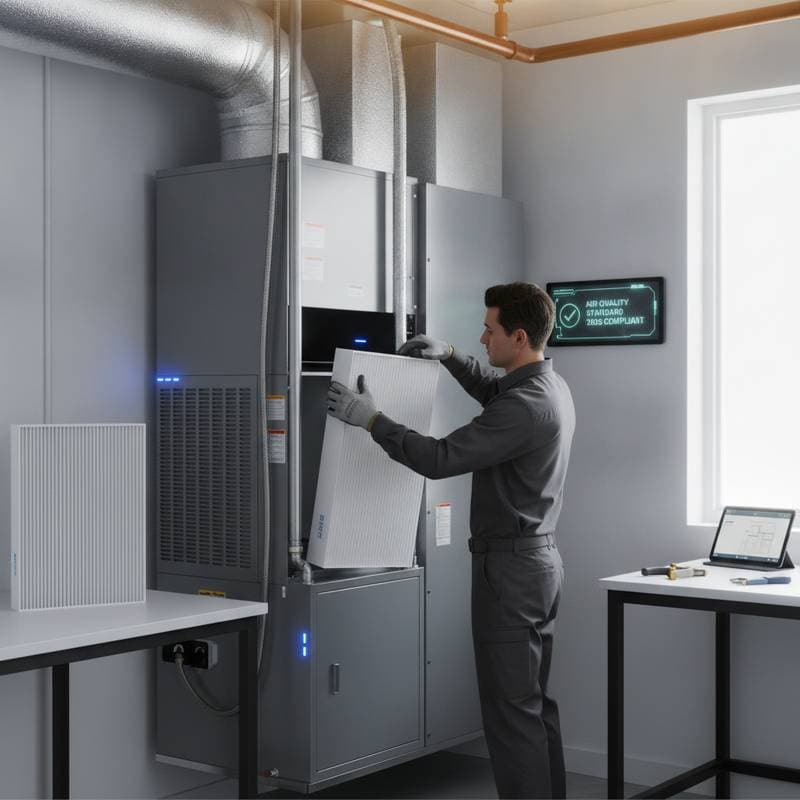
- Replace air filters every one to three months, selecting high-efficiency models with a MERV rating of 8 to 13 to capture more particles without restricting airflow.
- Clear debris from the outdoor condenser unit weekly during peak seasons, maintaining at least two feet of clearance around it to prevent overheating.
- Ensure indoor vents remain unobstructed by furniture or rugs, and vacuum registers quarterly to remove dust buildup.
These routines prevent common issues like reduced airflow, which can drop efficiency by up to 15 percent.
Tasks Requiring Professional Expertise
- Examine electrical wiring and connections for wear or corrosion, which could lead to failures or safety hazards.
- Clean evaporator and condenser coils annually, as dirt accumulation reduces heat transfer and forces the compressor to work harder.
- Measure system pressures and superheat/subcooling to verify refrigerant integrity and prevent compressor damage.
- Investigate unusual symptoms, such as inconsistent cooling, refrigerant leaks indicated by ice on coils, or operational noises signaling mechanical problems.
Prioritize safety by avoiding any work involving high voltage or EPA-regulated refrigerants. Schedule professional tune-ups twice yearly in hot climates to maintain warranty validity and peak performance.
Frequently Asked Questions
What Constitutes a Strong SEER3 Rating for a New Air Conditioner?
Ratings starting at 15 SEER3 offer solid efficiency for most homes, while models exceeding 20 SEER3 provide premium performance with substantial savings. Selection depends on regional climate—higher ratings benefit humid areas—and budget constraints. Consult a professional to align the choice with your home's load requirements and long-term plans.
Does Upgrading to a SEER3 Unit Generate Real Savings?
Affirmative. The enhanced efficiency translates to reduced electricity consumption for equivalent cooling. Homeowners typically recoup the higher initial investment within five to seven years through lower bills, plus decreased maintenance costs from durable components.
Are SEER3 Units Mandatory for All New Installations?
Yes, beginning in 2026, federal regulations require all new central air conditioners and heat pumps to meet SEER3 minimums, varying by region (14 SEER3 in the north, 15 in the south). This standardization promotes widespread energy conservation and levels the playing field among manufacturers.
How Can I Determine If My Existing System Complies with SEER3 Standards?
Locate the EnergyGuide label on the unit's exterior panel, which displays the original SEER rating. For conversions to SEER3 equivalents, contact an HVAC technician who can perform an on-site evaluation using diagnostic tools. Systems manufactured before 2023 likely fall short of the new benchmarks.
Should I Replace My Air Conditioner Now or Wait for Failure?
Evaluate based on the unit's age, repair history, and efficiency. If it exceeds 10 years or incurs frequent fixes, proactive replacement secures rebates and avoids emergency costs during peak summer demand. Waiting risks higher energy bills and potential discomfort, but a well-maintained older system may suffice short-term.
Optimizing Your Home Cooling with SEER3 Compliance
Embracing SEER3 standards positions homeowners for sustained comfort and financial benefits. Pair the upgrade with home improvements like better insulation or programmable thermostats to amplify efficiency. Partner with a qualified HVAC specialist to navigate selections, installations, and upkeep, ensuring your system delivers reliable performance season after season.