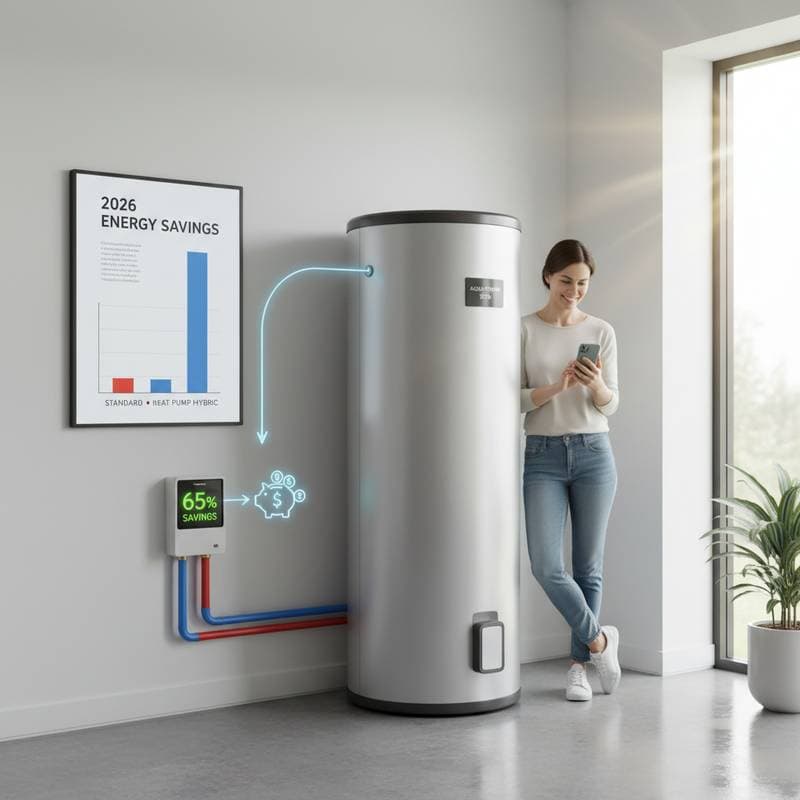
Slash Your Energy Bills by 65 Percent with Three-Times-More-Efficient Heat Pump Water Heaters
Homeowners seek effective methods to lower energy expenses, and heat pump water heaters emerge as a leading solution. These innovative systems reduce water heating costs by up to 65 percent when compared to conventional electric models. With efficiency levels approximately three times greater than standard units, heat pump water heaters integrate advanced technology to deliver substantial long-term savings. This guide details the mechanics of these hybrid systems, explores influencing costs, and provides strategies to optimize efficiency for residential use.
Potential Savings on Energy Bills from Heat Pump Water Heaters
Heat pump water heaters extract heat from ambient air to warm water, which minimizes electricity consumption significantly. In a typical household, annual water heating expenses range from $400 to $600 with electric models, but these systems can cut that figure by two-thirds or more. Factors such as household size, local electricity rates, and usage patterns determine exact savings, yet many users report reductions exceeding $300 yearly. Professional installation ensures the system operates at peak efficiency from the start.
Typical Costs for Heat Pump Water Heaters
The purchase and installation of a heat pump water heater generally range from $1,600 to $3,500, varying by model specifications and site requirements. Equipment alone accounts for $1,200 to $2,500, while labor adds $400 to $1,000 depending on accessibility. Homeowners benefit from comparing quotes from certified installers to secure competitive pricing. Over time, the initial investment recoups through reduced utility payments, often within three to five years.
| Type | Average Cost Range | Key Features |
|---|---|---|
| Standard Electric Water Heater | $500 to $1,200 | Simple resistance heating, moderate efficiency |
| Basic Heat Pump Water Heater | $1,600 to $3,500 | Air-source heat transfer, hybrid operation |
| High-Capacity Heat Pump Model | $2,800 to $4,200 | Suited for families of five or more, enhanced storage |
| Energy Star Certified Heat Pump | $2,000 to $3,800 | Superior UEF ratings, eligible for incentives |
Rebates from utility providers or federal programs, such as those under the Inflation Reduction Act, frequently lower net costs by $500 to $2,000. Consult local resources early in the planning process to identify applicable incentives.
Mechanics of Heat Pump Water Heaters
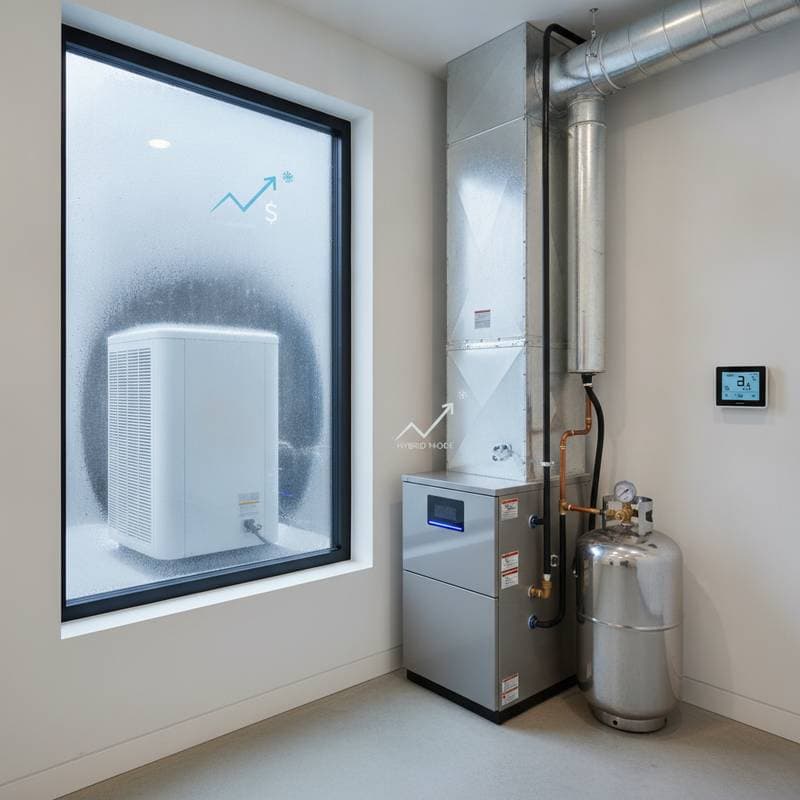
Heat pump water heaters function by moving heat rather than producing it outright, which enhances energy conservation. A compressor circulates refrigerant through coils to absorb warmth from surrounding air and release it into the storage tank. This cycle requires only one-third the electricity of direct-resistance heating, as the system leverages existing environmental heat. Integrated sensors monitor temperature and humidity to adjust operations automatically.
Most units incorporate a hybrid feature that activates electric elements during peak demand or low ambient temperatures, ensuring reliable hot water supply. Installation in spaces with temperatures between 40 and 90 degrees Fahrenheit yields the best results, such as enclosed garages or dedicated utility areas. Avoid unconditioned attics or exteriors where performance declines due to extreme conditions.
Key Factors Influencing Heat Pump Water Heater Expenses and Efficiency
Multiple elements shape the overall investment and operational effectiveness of heat pump water heaters. Unit capacity, measured in gallons, must align with daily hot water needs; a four-person household typically requires 50 to 80 gallons. Higher Uniform Energy Factor (UEF) ratings, often 3.0 or above, correlate with greater savings but elevate upfront prices by 20 to 30 percent.
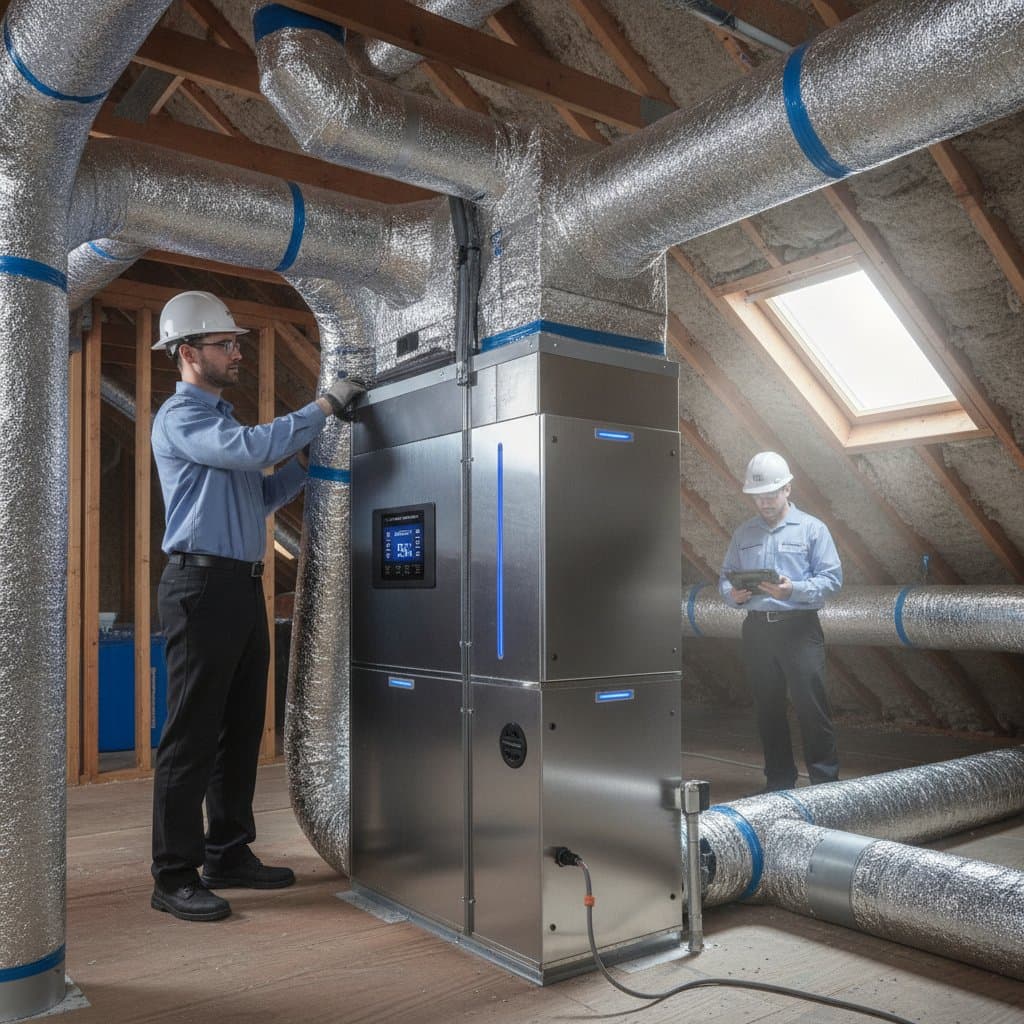
Installation challenges, including electrical upgrades or pipe modifications, can add $500 to $1,500 to the total. Select reputable brands like Rheem or AO Smith for robust warranties spanning 10 years on components. Optimal site selection in ventilated, temperate zones preserves efficiency and extends unit longevity. Leverage energy audits to pinpoint the ideal model and location, thereby avoiding costly adjustments later.
Local climate plays a pivotal role; in milder regions, savings amplify, while colder areas may necessitate supplemental heating modes. Government incentives vary by state, so verify eligibility through the Database of State Incentives for Renewables and Efficiency (DSIRE) or similar tools. These programs often cover 30 percent of costs, making adoption more accessible.
Quantifying Energy Savings from Heat Pump Water Heaters
Heat pump water heaters diminish electricity demands for water heating by up to 65 percent, translating to meaningful annual reductions. For an average home using 64 gallons daily, monthly savings might reach $40 to $60 at $0.15 per kilowatt-hour. Cumulative benefits over a 12-year lifespan often surpass $4,000, factoring in rising energy prices.
Beyond direct costs, these systems contribute to environmental goals by lowering carbon emissions equivalent to planting dozens of trees yearly. Pairing with insulation upgrades or low-flow fixtures amplifies returns, potentially doubling efficiency gains. Track usage via smart thermostats to fine-tune settings and sustain savings.
Frequently Asked Questions About Heat Pump Water Heaters
Expected Lifespan of a Heat Pump Water Heater
These units endure 10 to 15 years under normal conditions, often outlasting traditional electric counterparts. Factors like water quality and maintenance routines influence durability. Invest in models with corrosion-resistant tanks to enhance longevity.
Recommended Maintenance Schedule
Schedule professional servicing once annually to inspect components and prevent issues. Tasks include replacing air filters every three months, verifying refrigerant integrity, and descaling the tank to remove mineral buildup. Homeowners can perform basic checks, such as monitoring for unusual noises or leaks, to support system health.
Performance in Colder Climates
Heat pump water heaters operate effectively down to 40 degrees Fahrenheit, with efficiency tapering in sub-freezing conditions. Built-in electric backups activate automatically to maintain output. For northern regions, consider units rated for low-temperature operation or supplementary insulation around the installation site.
Noise Levels During Operation
The fan and compressor produce a steady hum comparable to a modern refrigerator, typically 50 to 60 decibels. Placement in isolated areas minimizes disturbance, and newer models feature quieter designs. Soundproofing materials can further reduce audibility if needed.
Securing Quotes for Heat Pump Water Heater Installation
Essential Questions for Contractors
- What capacity matches my family's hot water consumption patterns?
- Does my existing electrical panel support the required amperage?
- Which efficiency rating suits my regional climate and home layout?
- What is the projected timeline for complete installation?
- Which rebates or tax credits apply in my area?
- What routine maintenance do I need to handle myself?
- What does the warranty include for parts, labor, and repairs?
- How does the hybrid function respond to varying demand levels?
Obtain at least three detailed proposals to compare options thoroughly. Certified technicians from organizations like NATE ensure quality workmanship and compliance with codes. This step positions homeowners to achieve optimal performance and value.
Steps to Maximize Savings and Efficiency
Begin by conducting a home energy assessment to identify water usage baselines and ideal installation spots. Select Energy Star models to access incentives and superior performance metrics. Integrate smart controls for scheduling operations during off-peak hours, further trimming bills.
Monitor post-installation performance through utility statements to confirm expected reductions. If savings fall short, consult your installer for adjustments like ducting ambient air or enhancing ventilation. These proactive measures secure the full potential of your heat pump water heater investment, fostering sustained comfort and cost control.