MERV 13 vs. HEPA: Selecting the Optimal Filter for Superior Indoor Air
Why Upgrade Your HVAC Filter?
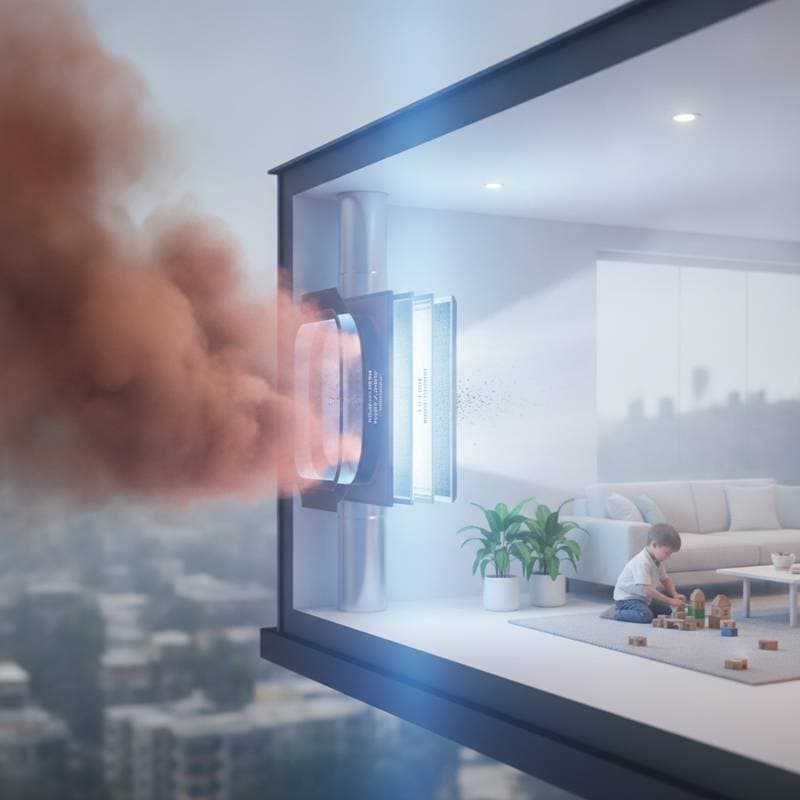
Homeowners increasingly focus on improving indoor air quality to combat allergens, pollutants, and respiratory irritants. Upgrading the HVAC filter represents a straightforward, impactful measure that targets invisible threats circulating through your living spaces. Among the choices, MERV 13 and HEPA filters stand out for their ability to capture microscopic particles overlooked by basic filters.
This analysis examines MERV 13 against HEPA filters, detailing their mechanisms, expenses, and suitability for residential use. By the end, you will identify the most practical upgrade path tailored to your HVAC setup and air purity needs.
Fundamentals of MERV 13 and HEPA Filtration
The MERV rating, or Minimum Efficiency Reporting Value, quantifies a filter's effectiveness on a scale from 1 to 20, where elevated ratings signify superior particle retention. MERV 13 filters excel in residential applications by capturing up to 90 percent of particles measuring 0.3 to 1.0 microns, such as dust mites, pollen grains, pet dander, and certain viruses.
HEPA filters, denoting High Efficiency Particulate Air, achieve a remarkable 99.97 percent capture rate for particles of 0.3 microns or larger. Originally developed for industrial and medical environments, these filters trap an extensive array of contaminants, including fine smoke, bacteria, and mold fragments. While powerful, their implementation in homes demands careful consideration of system constraints.
Quick Comparison Overview
| Filter Type | Efficiency Level | Minimum Particle Size | Primary Applications | System Fit | Typical Price Range |
|---|---|---|---|---|---|
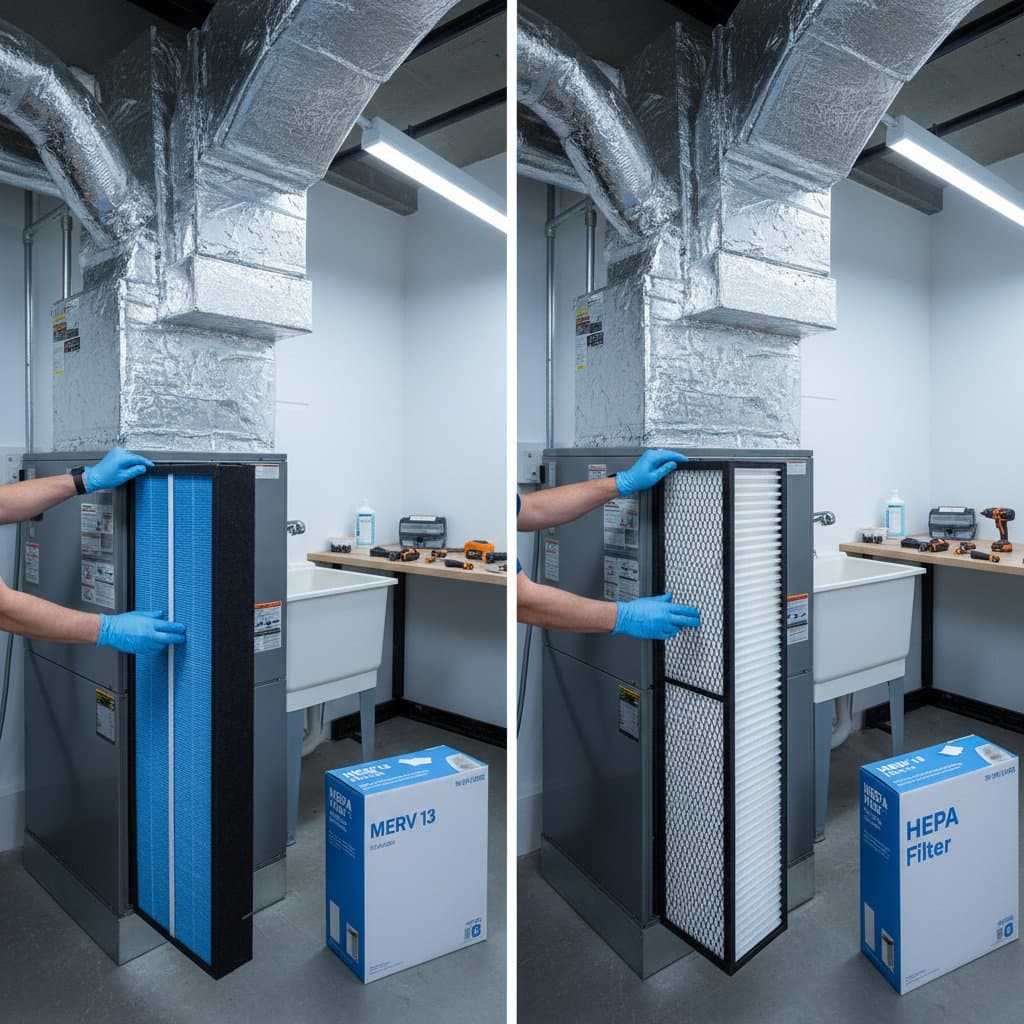
| MERV 13 | 85-90% for 0.3-1.0 microns | 0.3 microns | Standard residential HVAC | Compatible with most units | $15-$40 per filter |
| HEPA | 99.97% for 0.3 microns | 0.3 microns | Air purifiers, specialized HVAC | Needs custom adaptation | $50-$200+ per unit |
Advantages of MERV 13 Filters
MERV 13 filters provide robust filtration without overwhelming standard HVAC components. They effectively diminish household dust accumulation, neutralize pet allergens, and mitigate smoke infiltration, fostering a healthier breathing environment.
Core Benefits
- Cost-effective integration into existing filter compartments
- Enhanced air purity that preserves system airflow and longevity
- Targeted removal of submicron pollutants beyond basic filter capabilities
- Effortless quarterly replacements accessible to any homeowner
Families dealing with asthma triggers or high-traffic dust sources often report tangible relief after switching to MERV 13. This option elevates air quality across the entire home footprint efficiently.
Key Considerations for HEPA Filters
HEPA filters offer unmatched purification but pose challenges for conventional HVAC integration due to their thick, pleated construction. This density can impede air circulation, increasing energy demands on the fan motor and risking premature wear.
Optimal Scenarios for HEPA Deployment
- Integration into dedicated room purifiers for targeted zones like nurseries or offices
- Retrofitting HVAC systems with reinforced blowers and larger housings
- Residences requiring hospital-grade filtration for immunocompromised occupants
Professional assessment proves essential before attempting whole-home HEPA installation. For broader coverage without modifications, combining MERV 13 in the HVAC with portable HEPA units yields balanced results.
Making the Right Choice: MERV 13 or HEPA?
Your decision hinges on balancing filtration intensity with practical constraints like budget and equipment specifications. Evaluate your current system's blower capacity and ductwork size to avoid performance issues.
- Opt for MERV 13 when seeking comprehensive, seamless whole-home filtration that aligns with unmodified HVAC designs.
- Select HEPA for maximum contaminant removal, particularly through supplementary portable devices or engineered system upgrades.
In typical scenarios, MERV 13 emerges as the superior starting point. It delivers substantial air quality gains while safeguarding operational efficiency, making it ideal for proactive homeowners.
Step-by-Step Guide to MERV 13 Installation
Upgrading to a MERV 13 filter requires minimal tools and time, empowering you to act independently.
- Power down the HVAC unit at the thermostat and breaker to ensure safety.
- Locate the filter access panel, typically near the return air duct or furnace.
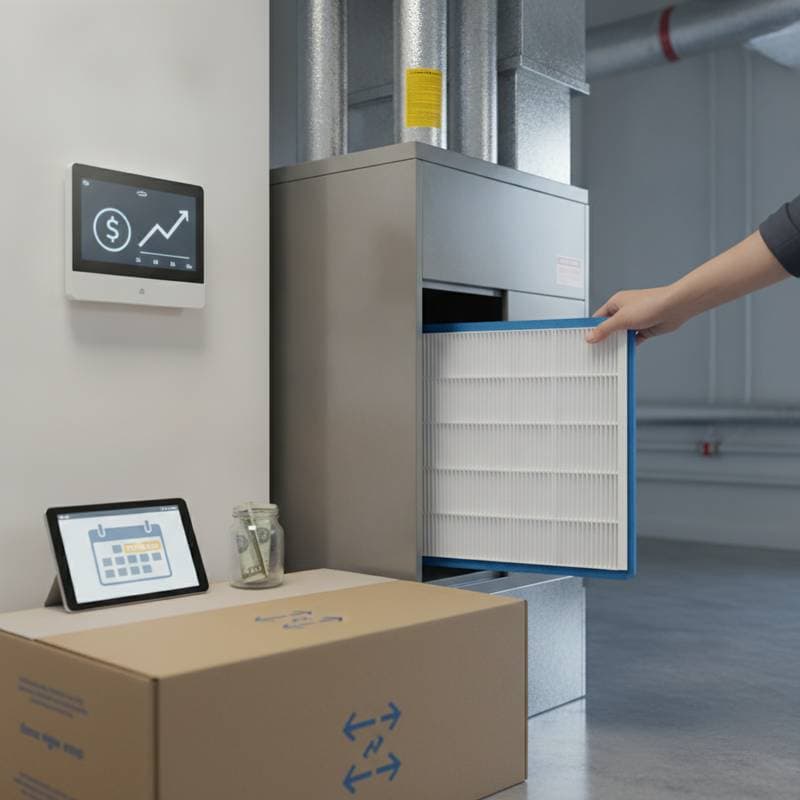
- Remove the old filter, noting the directional arrows indicating airflow orientation.
- Insert the new MERV 13 filter, aligning arrows toward the blower for correct positioning.
- Secure the panel and restore power, then monitor system operation for unusual noises.
- Schedule replacements every 60 to 90 days, adjusting for pets, smoking, or construction activity.
Verify filter dimensions match your model's specifications to prevent gaps that allow unfiltered air bypass.
Strategies for Sustained Air Quality
A superior filter alone cannot maintain pristine indoor conditions; complementary habits amplify its impact. Regularly clean surfaces to minimize dust reintroduction, and ensure furniture placement does not obstruct vent openings. Annual professional tune-ups detect airflow restrictions early, optimizing filter performance over time.
Monitor humidity levels between 30 and 50 percent to curb mold growth, and consider sealing duct leaks to maximize filtration efficacy. These practices extend filter life and reduce replacement frequency.
Consulting Experts for Tailored Solutions
Before finalizing your upgrade, pose targeted questions to HVAC specialists.
- Does my current setup support MERV 13 without airflow reduction?
- What modifications enable HEPA integration if desired?
- How might denser filters influence my monthly energy costs?
- What replacement interval suits my household's occupancy and activities?
- Are there hybrid approaches combining both filter types effectively?
Professional input ensures your investment yields lasting improvements in comfort and health.