The 52 Percent Peak Savings of Dual-Fuel Hybrid Systems
Homeowners seeking substantial reductions in heating and cooling expenses may find dual-fuel hybrid systems provide a reliable solution. These HVAC configurations achieve up to 52 percent peak savings over traditional single-fuel systems through automatic switching between electricity and gas based on external temperatures. This overview details the mechanics of dual-fuel systems, performance influencers, and reasons they appeal to those prioritizing energy efficiency.
| Item | Average Savings or Cost |
|---|---|
| Average Peak Energy Savings | Up to 52 percent |
| Typical Installation Cost | $6,000 - $12,000 |
| Annual Operating Cost | 30 percent - 50 percent lower than standard systems |
| Expected Lifespan | 15 - 20 years |
| Maintenance Frequency | Twice per year recommended |
Average Costs for Dual-Fuel Hybrid Systems
Installation expenses for a dual-fuel hybrid HVAC system depend on factors such as residence dimensions, manufacturer selections, and current setup. Most homeowners allocate between $6,000 and $12,000 for a full assembly that incorporates a heat pump, gas furnace, and integrated controls.
Typical Cost Breakdown
| Component | Estimated Cost |
|---|---|
| Heat Pump Unit | $3,000 - $6,000 |
| Gas Furnace | $2,000 - $4,000 |
| Thermostat and Controls | $300 - $800 |
| Labor and Installation | $1,000 - $2,000 |
Although the initial outlay exceeds that of conventional furnaces or air conditioners, efficiency gains frequently recover the expense within several years. The dual-energy functionality enables operation on the more affordable fuel source under varying conditions.
Factors Influencing Dual-Fuel System Pricing
Multiple elements determine the overall expense and effectiveness of a dual-fuel hybrid system. Awareness of these components supports informed choices.
Unit Size and Capacity
Appropriate sizing aligns with the residence's heating and cooling requirements, quantified in BTUs or tons. An inadequately sized unit fails to sustain desired temperatures, whereas an excessive one consumes unnecessary power. Engage a specialist for a load calculation to optimize efficiency and indoor climate control.
Energy Efficiency Ratings
Select systems with a SEER2 rating of at least 16 for cooling efficiency and an AFUE rating exceeding 90 percent for the gas furnace. SEER2 evaluates seasonal cooling performance, while AFUE assesses annual fuel utilization in heating. Elevated ratings translate to reduced consumption and enhanced financial benefits.
Brand and Equipment Quality
Premium manufacturers command higher prices yet offer innovative features, extended guarantees, and superior durability. Opting for mid-range to upper-tier options strikes an effective equilibrium between expenditure and sustained reliability.
Installation Complexity
Upgrades to ductwork or electrical infrastructure can elevate expenses. Residences lacking natural gas access might necessitate propane conversions, further impacting the budget.
Local Energy Rates
These systems yield maximum advantages in locales with pronounced variations in electricity and gas pricing. Integrated controls select the lower-cost option, minimizing charges during high-demand intervals.
Configurations of Dual-Fuel Hybrid Systems
Dual-fuel systems appear in various forms, each adapted to specific residential demands and regional weather patterns.
Common Configurations
-
Traditional Dual-Fuel Heat Pump System
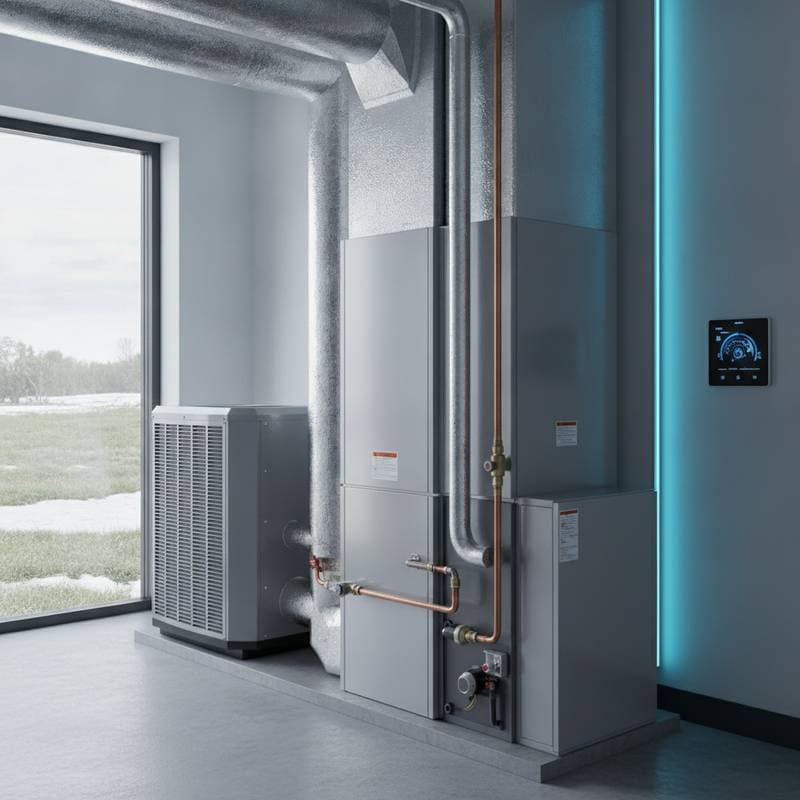
This setup pairs an electric heat pump with a gas furnace. The heat pump manages cooling and moderate heating, with the furnace activating during severe cold.
Pros: High efficiency levels, consistent performance, comprehensive seasonal coverage.
Cons: Elevated upfront investment relative to unitary systems. -
Variable-Speed Dual-Fuel System
Equipped with adjustable-speed compressors and blowers, this variant delivers fine-tuned temperature regulation. It operates with minimal noise and modulates output to match real-time needs.
Pros: Enhanced user comfort, reduced energy fluctuations, prolonged component durability.
Cons: Increased purchase price. -
Packaged Dual-Fuel Unit
Both heat pump and furnace components reside within a single exterior enclosure. This design suits properties lacking attic or basement space for equipment.
Pros: Space-efficient layout, streamlined setup process.
Cons: Marginal efficiency dip from environmental exposure.
Indicators for Upgrading to a Dual-Fuel System
Current HVAC inefficiencies or discomfort signals may warrant a shift to a dual-fuel hybrid. Consider these indicators:
- Escalating utility statements amid consistent consumption patterns
- Inconsistent room temperatures
- Repeated transitions between heating and cooling modes
- Equipment exceeding ten years in service
- Audible disturbances or inconsistent functionality
- Apprehensions regarding fuel price instability or ecological effects
Multiple indicators suggest a dual-fuel upgrade addresses efficiency, reliability, and sustainability concerns simultaneously.
Steps in the Dual-Fuel Installation Process
Professional installation of a dual-fuel hybrid system requires methodical procedures to guarantee optimal function.
-
Home Energy Assessment
A certified HVAC technician conducts a load analysis to pinpoint exact thermal demands. -
System Selection
Recommendations emerge for equipment matching efficiency targets, financial constraints, and structural considerations. -
Removal of Existing Equipment
Outdated units disconnect and extract without risk to the property. -
Heat Pump and Furnace Placement
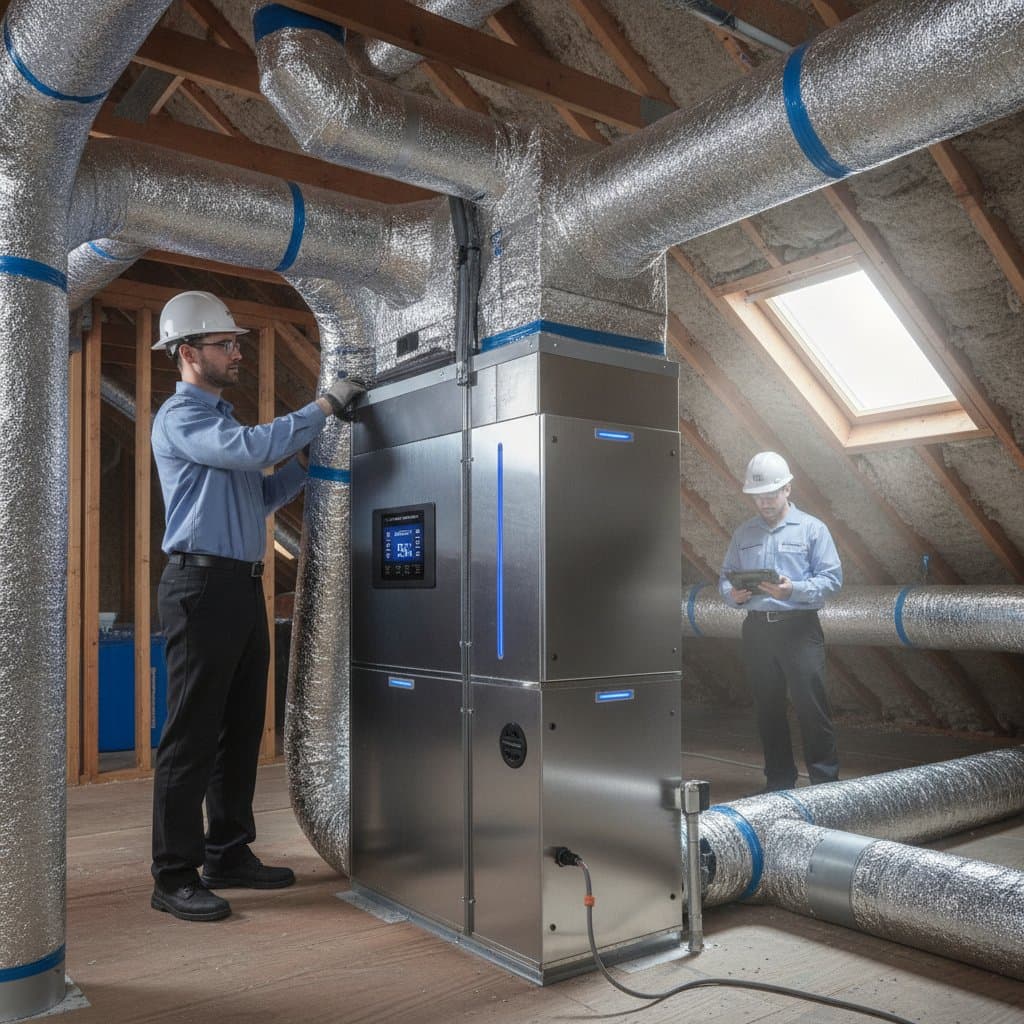
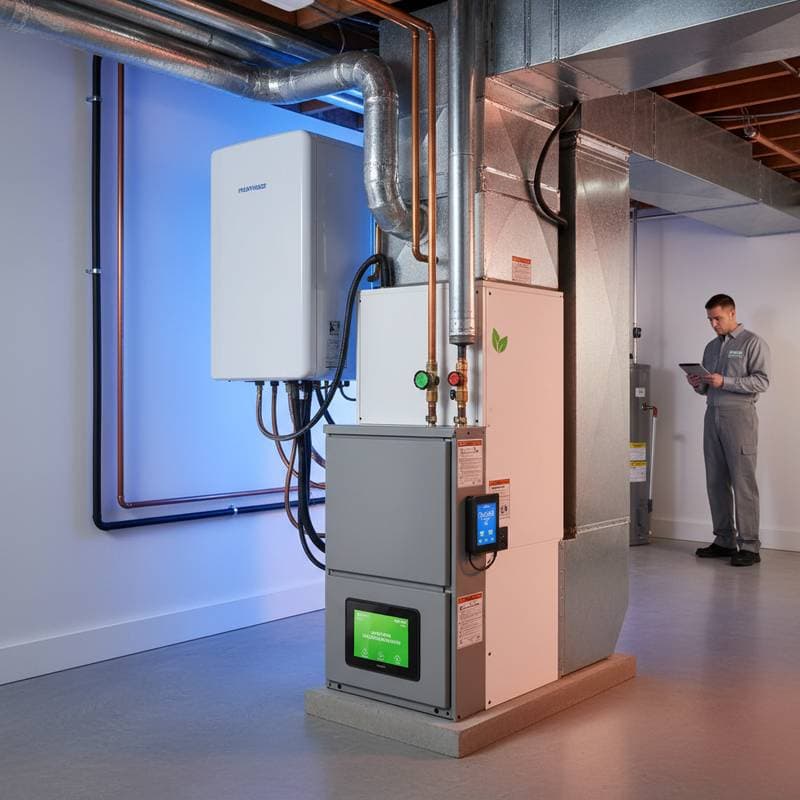
Components install and link to ventilation networks, synchronized with control interfaces. -
Electrical and Gas Connections
Secure wiring and piping verify compliance and safety against hazards. -
System Configuration and Verification
Thermostats and controllers program for autonomous fuel selection. -
Final Review and User Guidance
Comprehensive testing confirms operational integrity, followed by instructions on usage and upkeep.
Labor Expenses for Dual-Fuel Systems
Professional labor constitutes $1,000 to $2,000 of the project total. This encompasses precise placement, adjustments, and evaluations. Variations arise from task intricacy, site access, and geographic norms. Professional involvement safeguards immediate and ongoing system efficacy.
Mechanisms Behind 52 Percent Peak Savings in Dual-Fuel Systems
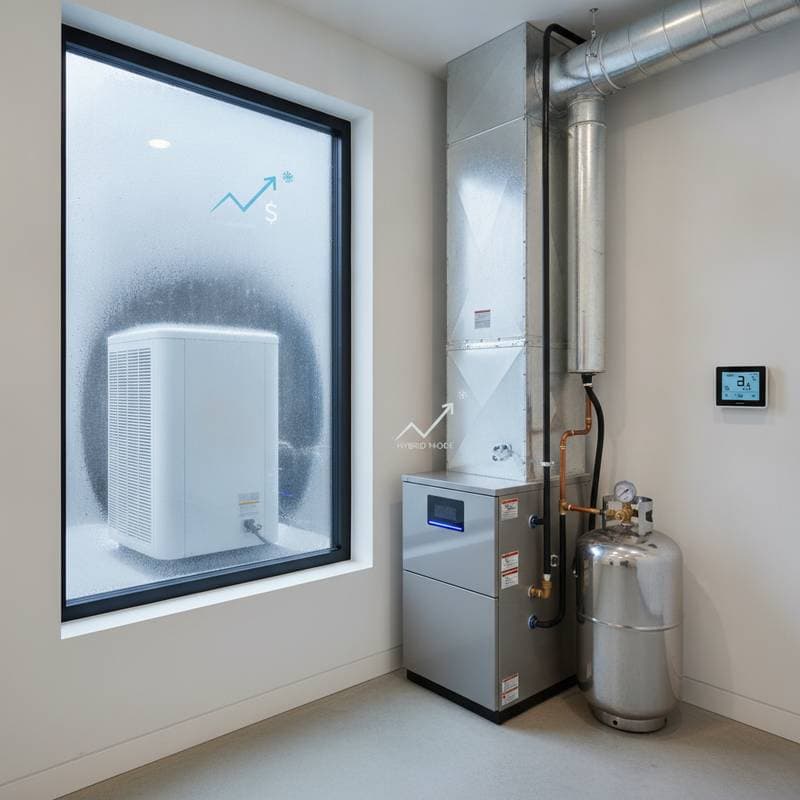
Automatic fuel alternation underpins the 52 percent savings potential. In temperate conditions, the electric heat pump delivers cost-effective warmth. As temperatures plummet and heat pump output wanes, the gas furnace engages seamlessly.
This strategy maintains thermal equilibrium while curtailing electricity reliance during premium pricing windows. Consequently, aggregate expenses decline, grid burdens lessen, and emissions footprint shrinks over the system's service life.
Integration of Smart Controls and Thermostats
Contemporary dual-fuel units incorporate intelligent thermostats that track ambient conditions and utility tariffs continuously. These interfaces execute real-time optimizations for fiscal and ecological prudence. Advanced versions adapt to user routines, refining operations for peak performance.
Frequently Asked Questions About Dual-Fuel Hybrid Systems
What Is a Dual-Fuel Hybrid System?
This configuration merges an electric heat pump with a gas furnace. It alternates sources based on efficiency and expense, guided by external temperatures and rates.
What Savings Can Homeowners Expect?
Users often realize up to 52 percent reductions in peak periods and 30 to 50 percent annual decreases versus conventional HVAC. Outcomes vary with regional pricing and unit specifications.
Do Dual-Fuel Systems Suit All Climates?
Optimal in areas with mild winters and fluctuating costs. In frigid zones, gas dominates heating; in balmy settings, heat pumps cover most duties.
Can an Existing Furnace Convert to Dual-Fuel?
Compatibility exists for many setups with suitable heat pump and control pairings. A technician evaluation determines feasibility.
How Often Does Maintenance Occur for Dual-Fuel Systems?
Schedule professional inspections twice annually to clean components, check refrigerant levels, and verify controls. This routine extends lifespan and preserves efficiency.
Do Dual-Fuel Systems Benefit the Environment?
Yes, by prioritizing efficient sources, they lower overall energy use and emissions. Heat pumps reduce fossil fuel dependence in moderate weather, supporting sustainability goals.
How Long Does a Dual-Fuel System Last?
With proper care, these systems endure 15 to 20 years, comparable to standard HVAC units.
Maximizing Returns on a Dual-Fuel Upgrade
Transitioning to a dual-fuel hybrid system represents a strategic enhancement for energy management. It adapts to prevailing fuel economics, ensuring reliable indoor conditions and notable fiscal relief. Collaborate with a licensed HVAC expert for a tailored assessment, equipment recommendation, and flawless implementation to realize full advantages.