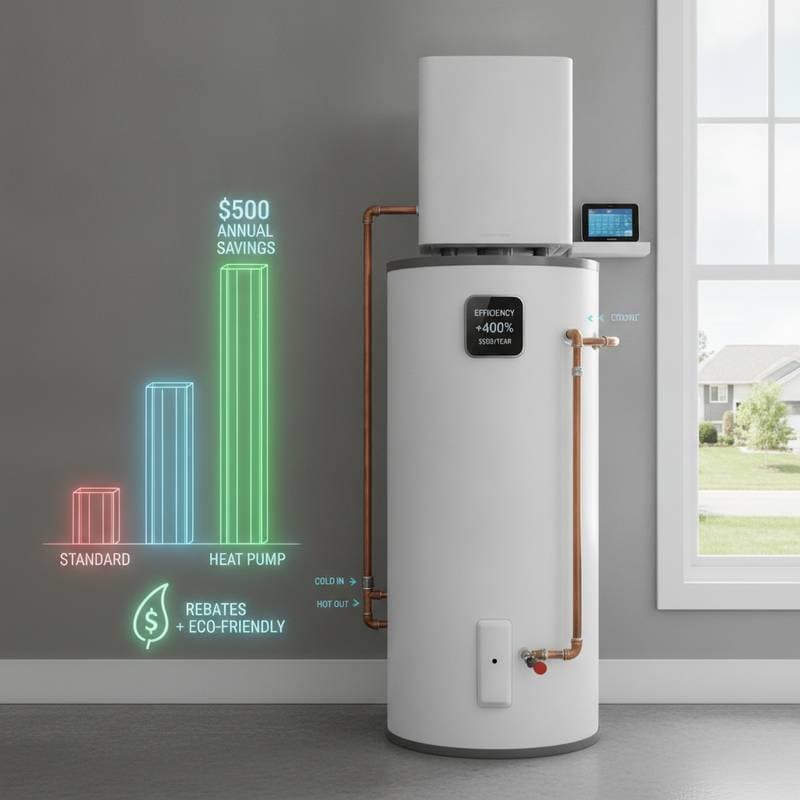
Achieve Winter Savings: Dual-Fuel Systems Outperform Propane by $840
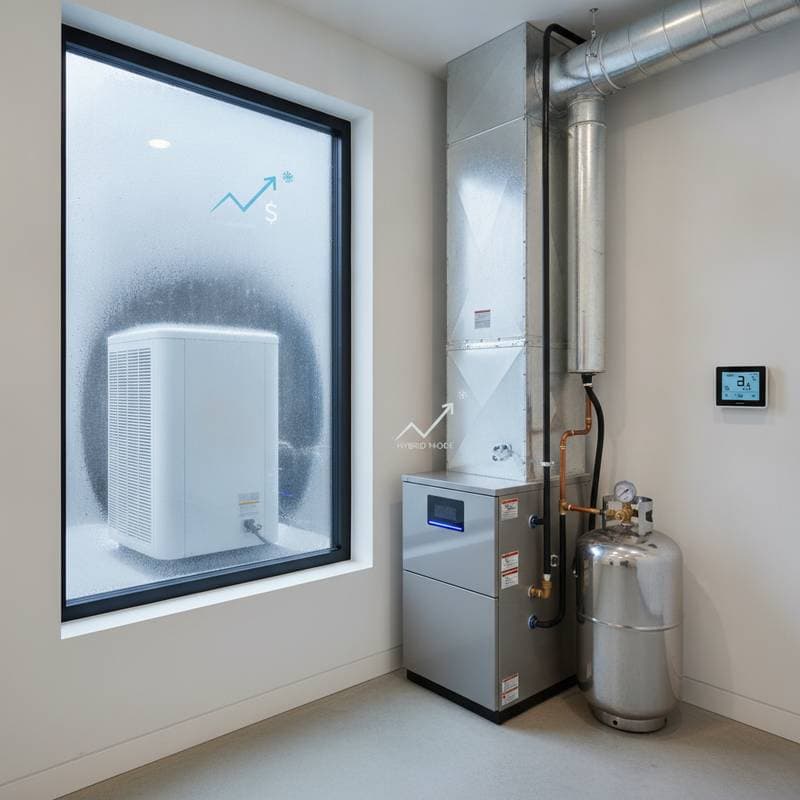
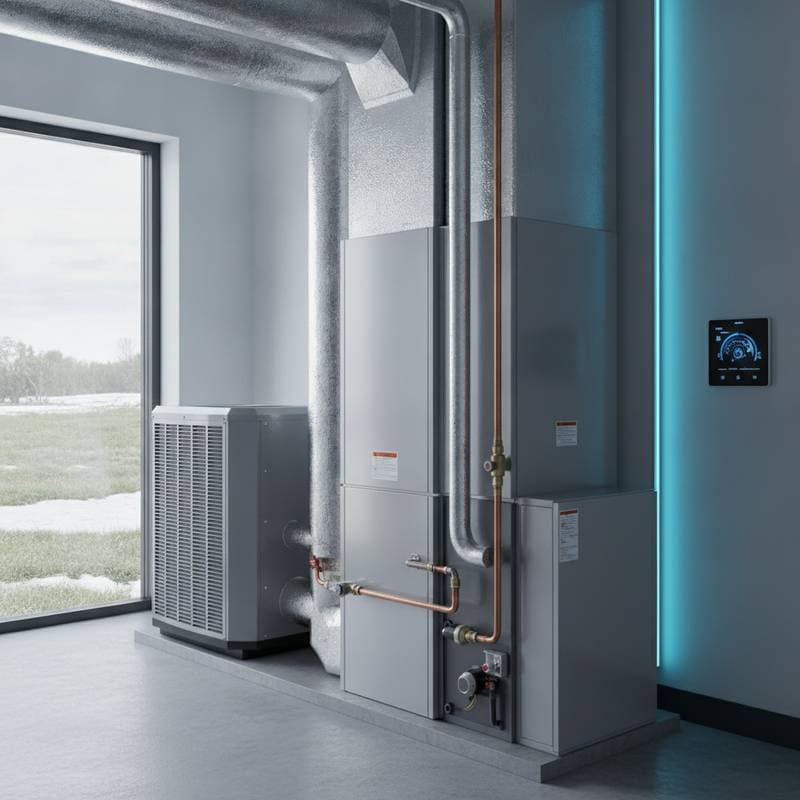
Homeowners seek efficient solutions for heating during harsh winters. A dual-fuel system offers substantial financial relief, with average energy cost reductions of $840 per season when replacing propane setups. This configuration integrates an electric heat pump for mild conditions and a gas furnace for extreme cold, balancing performance and economy. The following sections detail the mechanics, expenses, and implementation steps to evaluate suitability for specific homes.
Dual-Fuel System Expenses
Installation costs for a dual-fuel system vary based on home dimensions, equipment efficiency, and project scope. Expect total expenditures from $6,500 to $13,000 for a full replacement encompassing the heat pump and gas furnace. Factors such as regional labor rates and necessary modifications influence the final figure.
Component Breakdown
- Heat Pump: Ranges from $3,500 to $8,000, scaled by capacity and SEER2 efficiency rating.
- Gas Furnace: Costs $2,000 to $4,500 for models achieving at least 90 percent AFUE.
- Thermostat and Controls: $300 to $800 for programmable units that manage fuel transitions.
Seasonal Energy Expenses
These systems prioritize electricity for routine heating, activating gas backup only in subfreezing weather. Resulting energy bills drop 30 to 50 percent below propane equivalents over the heating period. Long-term analysis reveals payback periods of three to five years through consistent savings.
Dual-Fuel System Configurations
Dual-fuel setups merge complementary energy sources for superior efficiency and reliability. Selection depends on fuel availability, home infrastructure, and local climate. Common variants include the following options.
Heat Pump Paired with Gas Furnace
This hybrid represents the standard dual-fuel approach. The heat pump operates in moderate temperatures, yielding the furnace during severe drops.
Advantages:
- Significant reductions in energy consumption
- Seamless, automated fuel shifts
- Compatibility with prevailing duct systems
Drawbacks:
- Elevated initial investment relative to single-source alternatives
- Need for dual utility connections
Propane Furnace Integrated with Heat Pump
Suitable for off-grid locations lacking natural gas access. The heat pump assumes primary duties, minimizing propane reliance.
Advantages:
- Dependable function in remote settings
- Sharp decline in propane requirements
Drawbacks:
- Vulnerability to propane market volatility
- Marginal efficiency gap versus natural gas counterparts
Oil Furnace Combined with Heat Pump
Applied in legacy homes dependent on oil heating. This adaptation preserves current piping while introducing heat pump benefits.
Advantages:
- Retention of established oil systems
- Decreased oil usage volumes
Drawbacks:
- Increased upkeep demands
- Restricted options for matching components
Installation Sequence for Dual-Fuel Systems
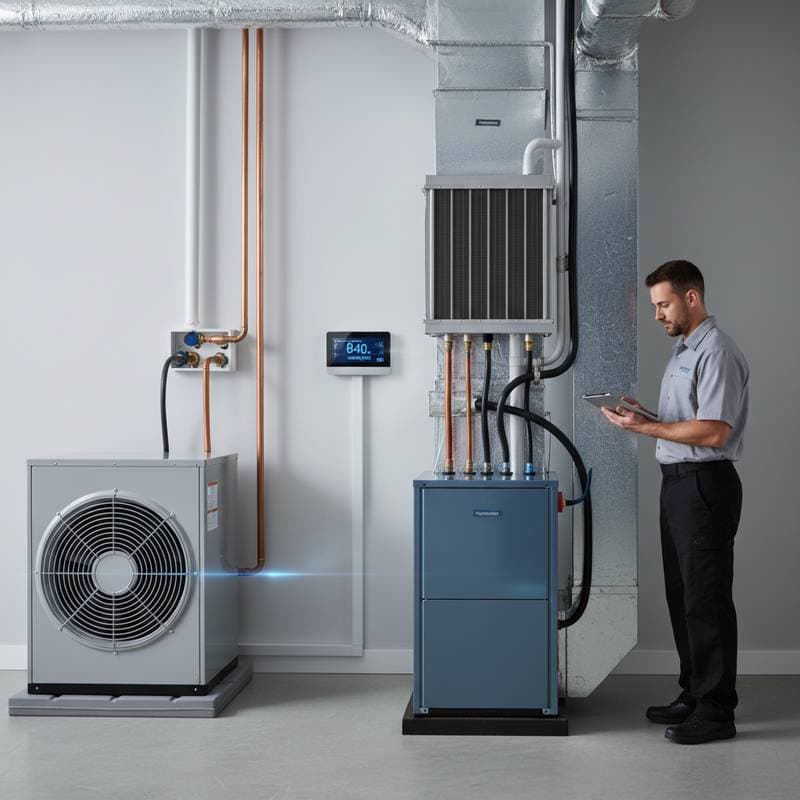
Professional installation adheres to a structured protocol for safety and optimal function. Certified technicians follow these phases to integrate the system effectively.
- Assessment Phase: Conduct a detailed load calculation to specify system capacity aligned with home needs.
- Equipment Recommendation: Select heat pump and furnace pairings suited to square footage, ventilation, and regional weather patterns.
- Dismantling Existing Units: Remove outdated furnace or air conditioner components with proper disposal protocols.
- Unit Placement and Connection: Position indoor and outdoor elements, link to ducts, and secure electrical and gas lines.
- Control Configuration: Calibrate the thermostat for temperature-based switching between modes.
- Performance Verification: Run diagnostics on ventilation, regulation, and transition mechanisms.
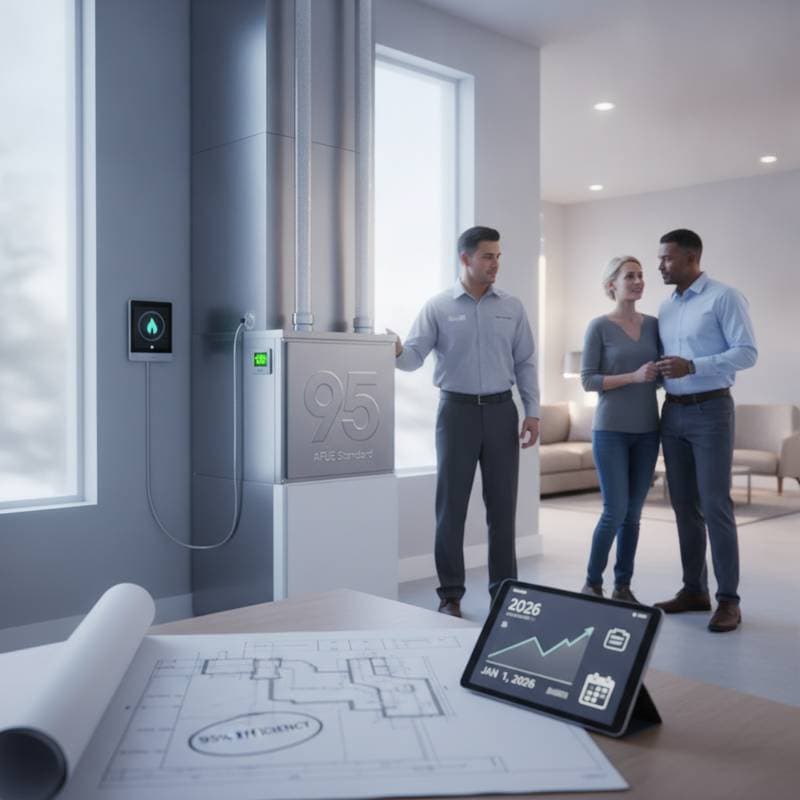
- User Briefing: Provide guidance on daily use, upkeep routines, and efficiency tracking.
Common Inquiries on Dual-Fuel Heating
Does the Investment in a Dual-Fuel System Justify Itself?
Affirmative. Annual savings of $840 from propane transitions typically recoup costs in three to five years. Additional perks include reduced noise levels and integrated cooling functionality.
What Triggers the Switch from Electric to Gas in a Dual-Fuel Setup?
Integrated thermostats track external temperatures. Below efficient operating thresholds for the heat pump, the system activates the gas furnace automatically. This method preserves comfort without excess energy expenditure.
Is Propane Required After Dual-Fuel Installation?
Natural gas availability eliminates propane needs entirely. In gas-absent areas, propane serves as backup, though consumption falls sharply with heat pump dominance.
Can Dual-Fuel Systems Handle Home Cooling?
Indeed. The heat pump delivers effective cooling in summer, obviating separate air conditioning units.
What Duration Does Installation Require?
Standard projects span one to three days if infrastructure aligns. Extensive modifications extend timelines accordingly.
What Is the Lifespan of a Dual-Fuel System?
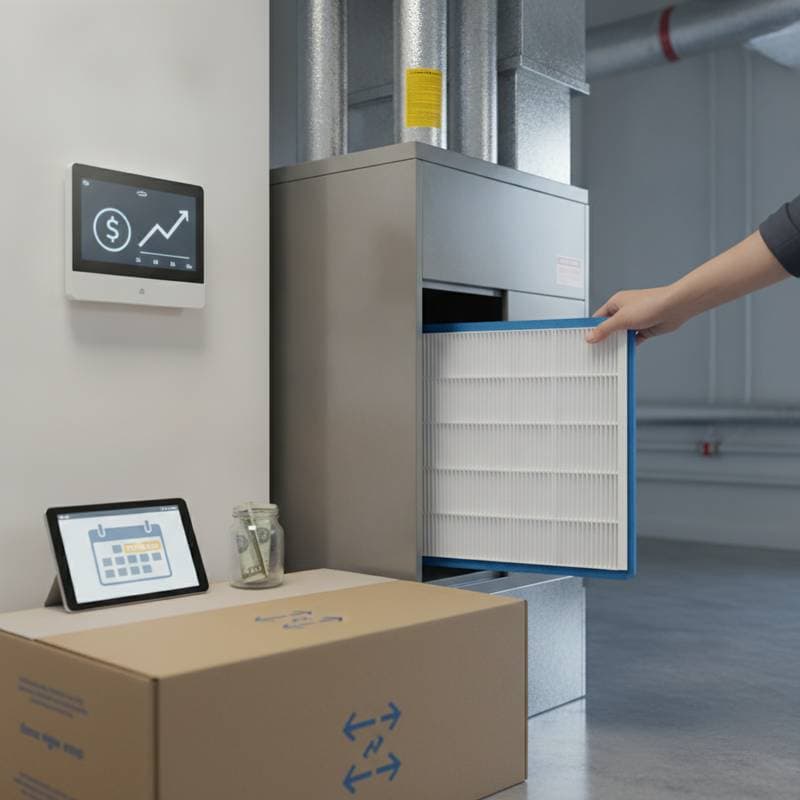
Expect 15 to 20 years with routine servicing. Consistent professional checks prolong component durability.
Are Incentives Available for Dual-Fuel Installations?
Numerous areas provide rebates for efficient heat pumps and hybrids. Consult utility companies or contractors to confirm qualifying programs and potential discounts.
Implement Dual-Fuel for Optimal Energy Management
Adopting a dual-fuel system proves a strategic choice for curbing propane-dependent heating costs. The synergy of heat pump efficiency and furnace power ensures reliable warmth alongside fiscal benefits.
To optimize outcomes, engage certified HVAC specialists for precise sizing and setup. Commit to yearly inspections to sustain peak operation. Integrate advanced thermostats for refined control over fuel usage. These practices secure enduring savings, enhanced livability, and responsible resource utilization. Obtain estimates from several reputable providers to secure competitive terms and superior execution.