
Why 2026 HVAC Standards End Mold Worries
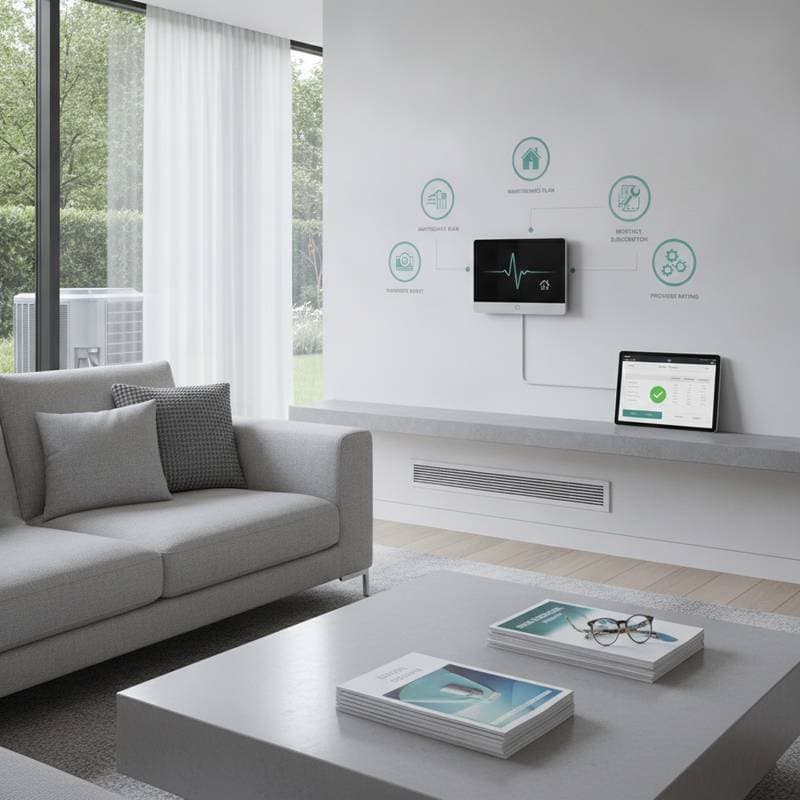
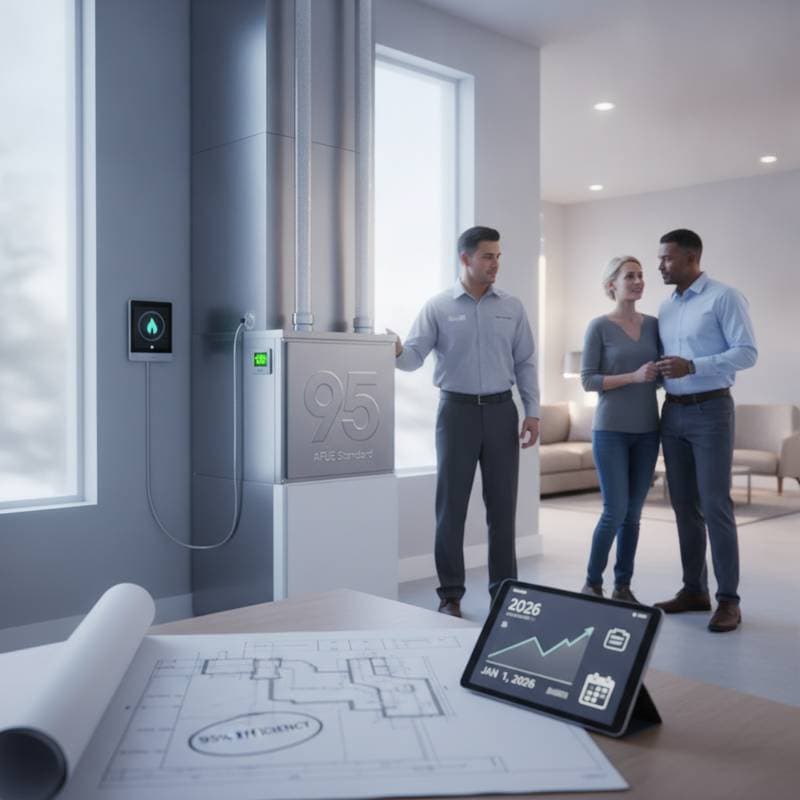
New federal HVAC efficiency standards transform energy consumption and indoor environments. These regulations target humidity control, air circulation, and system design to minimize mold growth in residences. Future heating and cooling units will inherently reduce damp conditions that foster mold, leading to sustained improvements in air quality.
This overview details the mechanics of these standards, anticipated enhancements, and their role in safeguarding long-term indoor health.
| Key Update | Homeowner Benefit |
|---|---|
| Higher humidity control performance | Less condensation and mold risk |
| Improved ventilation standards | Cleaner, drier indoor air |
| Advanced coil and drain designs | Reduced moisture buildup |
| Smarter system controls | Consistent indoor comfort and air balance |
Average HVAC Upgrade Costs Under the New Standards
Implementation of the 2026 standards introduces moderate increases in initial expenses for HVAC equipment due to integrated humidity and airflow technologies. These features enhance durability and efficiency, offsetting costs over time through reduced energy bills and avoided mold repairs.
| Item | Estimated Cost Range |
|---|---|
| Central AC replacement | $5,000 - $9,500 |
| Heat pump installation | $6,000 - $11,000 |
| Ductless mini-split system | $4,000 - $8,000 |
| Whole-home dehumidifier add-on | $1,200 - $2,500 |
Costs fluctuate based on residence dimensions, regional labor charges, and selected efficiency levels. Newer models decrease ongoing expenses by optimizing energy use and minimizing service needs.
Key Factors That Affect HVAC Mold Prevention
The 2026 standards address mold through integrated features that manage moisture and enhance air purity. Each component works in concert to create an inhospitable environment for mold development.
Humidity Regulation
Effective humidity management forms the cornerstone of mold prevention in HVAC systems. The standards mandate automatic maintenance of indoor humidity levels between 30 and 50 percent. This range inhibits condensation on surfaces such as ducts, vents, and walls, preserving a comfortable and dry atmosphere.
Air Circulation and Filtration
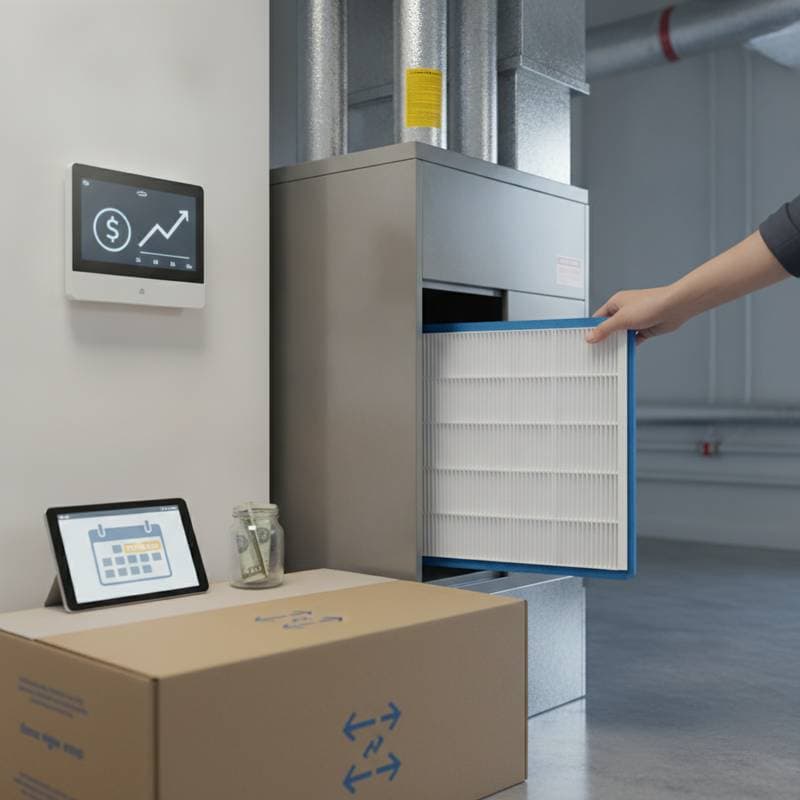
Mold requires still, humid air to proliferate. Updated systems incorporate variable-speed fans for uniform airflow distribution. Combined with filters rated at higher Minimum Efficiency Reporting Value (MERV) levels, these elements capture and eliminate airborne spores and particulates before they accumulate.
Drainage and Coil Design
Evaporator coils and drain pans often harbor mold due to trapped moisture. Manufacturers must now produce units with streamlined coils and pans that facilitate rapid water runoff. Inclined surfaces and antimicrobial treatments on components further prevent biological growth.
Smart System Controls
Integrated thermostats and sensors provide real-time oversight of humidity and temperature. Upon detecting elevated moisture, the system modulates fan operation or cooling intensity to reestablish equilibrium. This automated regulation maintains optimal conditions without user intervention.
Types of HVAC Systems That Meet the New Standards
Various HVAC configurations achieve mold resistance through the 2026 requirements, each suited to specific home layouts and climates. The following outlines their contributions to moisture control.
Central Air Conditioning
Pros:
- Delivers uniform cooling and dehumidification across the entire residence
- Integrates seamlessly with intelligent thermostats and superior filtration
- Pairs effectively with dedicated whole-home dehumidification units
Cons:
- Demands regular duct inspections to avoid concealed dampness
- Involves elevated upfront installation fees relative to compact alternatives
Heat Pump Systems
Pros:
- Manages heating and cooling with high efficiency
- Sustains consistent humidity throughout seasonal changes
- Employs sophisticated coil strategies to limit condensation
Cons:
- Efficacy hinges on accurate sizing and professional setup
- Might require auxiliary heating in extreme winter conditions
Ductless Mini-Split Systems
Pros:
- Bypasses duct installation, eliminating a primary mold vulnerability
- Allows individualized humidity adjustments per zone
- Operates with low energy demands and minimal noise
**Cons:**n- Escalates expenses for multi-room configurations
- Necessitates placement of conspicuous indoor units
Whole-Home Dehumidifiers
Pros:
- Complements primary HVAC setups for targeted moisture reduction
- Targets mold-prone areas like basements and attics
- Boosts livability in regions with high ambient humidity
Cons:
- Increases overall project budget
- Calls for periodic maintenance of filters and drainage
Signs You Need an HVAC Upgrade for Mold Prevention
The 2026 standards underscore indicators of inadequate moisture handling in existing systems, signaling the need for modernization:
- Ongoing musty smells emanating from vents or returns
- Apparent mold growth on registers, ducts, or unit exteriors
- Recurrent moisture droplets on windows or interior walls
- Disparities in humidity across different areas of the home
- Notable dust buildup or sluggish air circulation
- Elevated indoor humidity despite active air conditioning
Professional assessment by a qualified technician determines if modifications suffice or if full replacement offers superior value.
The HVAC Installation Process for Mold-Resistant Systems
Deployment of a compliant, mold-preventive HVAC system involves a structured sequence to guarantee efficacy in moisture management.
-
Assessment and Sizing
Technicians evaluate square footage, insulation quality, and existing airflow to specify appropriate capacity and dehumidification needs. -
System Selection
Options compliant with efficiency and humidity criteria are presented, including breakdowns of expenses, guarantees, and operational specs. -
Duct and Drain Inspection
Current ducts and drains undergo scrutiny for leaks or residues; necessary fixes or renewals eliminate potential mold sites. -
Installation and Calibration
The equipment installs, connects, and tunes for accurate humidity and air management; sensors and controls synchronize for ongoing surveillance. -
Testing and Verification
Cycles test humidity equilibrium, drainage functionality, and airflow uniformity to validate performance. -
Homeowner Education
Guidance covers humidity tracking, filter changes, and setting optimizations to uphold air quality.
HVAC Labor Costs for Mold-Prevention Upgrades
Labor constitutes 30 to 50 percent of total expenditures, with intricacies like duct overhauls inflating figures and simple swaps containing them. Hourly rates for certified professionals range from $80 to $150, influenced by location. Skilled execution maximizes system reliability, averting future moisture-related issues.
Frequently Asked Questions About 2026 HVAC Standards
How do the new HVAC standards stop mold growth?
The regulations enforce precise humidity management, enhanced drainage mechanisms, and persistent airflow. These elements deprive mold of necessary dampness and stagnation, fostering drier and purer indoor spaces.
Do I need to replace my entire system to meet the new standards?
Complete replacement proves unnecessary in many cases. Targeted upgrades to elements like thermostats, coils, or auxiliary dehumidifiers can achieve compliance. Opt for full renewal if the existing unit shows age or inefficiency.
Will these new systems use more energy?
No, the standards prioritize efficiency gains that lower overall consumption. Advanced controls and designs optimize operation, yielding savings on utility bills despite sophisticated features.
How soon should I upgrade my HVAC system?
Plan upgrades within the next two years if your system exceeds 10 years in age or exhibits moisture issues. Early adoption secures rebates and avoids rushed installations amid rising demand.
Are the new systems more expensive to maintain?
Maintenance costs typically decline due to durable components and self-diagnostic tools. Routine tasks like filter replacement remain straightforward, with fewer repairs from prevented mold damage.
Can these systems improve allergy symptoms?
Yes, superior filtration and humidity control reduce allergens and irritants in the air. Cleaner circulation minimizes triggers for respiratory conditions, promoting better health outcomes.
Steps to Secure Mold-Free Indoor Air
The 2026 HVAC standards elevate air quality and residential well-being through proactive moisture strategies. Consult a specialist to assess your setup and initiate upgrades that embed mold resistance into daily comfort. This investment yields enduring protection and efficiency for your living space.