How Cold Climate Heat Pumps Perform in Temperatures as Low as -13°F
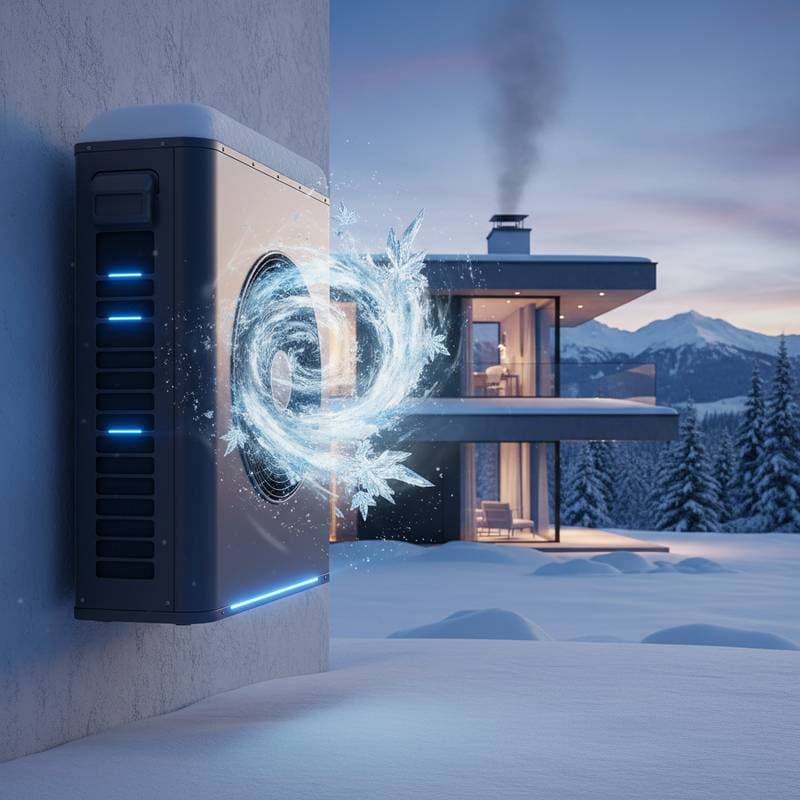
Cold climate heat pumps represent a leading heating option for residents in areas with severe winters. These advanced systems maintain efficiency when outdoor temperatures reach -13°F, extending the applicability of heat pump technology beyond temperate zones. Engineers achieve this through specialized compressors, precise controls, and optimized refrigerants that sustain heating output during prolonged cold periods.
This guide outlines the principles behind their operation, expected costs, installation considerations, performance benchmarks, and care routines. Individuals transitioning from conventional furnaces or boilers gain clear guidance on achieving both reliability and cost reductions.
Typical Costs for Installing a Cold Climate Heat Pump
Engineers design cold climate heat pumps for robust performance in subfreezing conditions. The average installation cost falls between $7,000 and $14,000, influenced by unit specifications, home size, and setup requirements. Premium versions featuring variable-speed compressors and sophisticated defrost mechanisms may exceed $18,000, particularly in expansive residences.
| System Type | Average Cost | Key Features |
|---|---|---|
| Air Source Heat Pump | $7,000 – $12,000 | Standard residential choice for moderate cold; balances cost and efficiency |
| Enhanced Cold Climate Air Source | $10,000 – $18,000 | Optimized for -13°F output; includes advanced thermal management |
| Ductless Mini-Split | $6,000 – $11,000 | Ideal for duct-free homes; enables targeted zone control |
| Ground Source (Geothermal) | $15,000 – $30,000 | Leverages ground stability for superior efficiency across seasons |
Although initial expenses surpass those of basic heat pumps, reduced utility bills and enhanced indoor conditions frequently offset the difference. Eligible homeowners should investigate federal tax credits or local rebates to lower outlays.
Key Technologies Distinguishing Cold Climate Heat Pumps
Standard heat pumps diminish in effectiveness below freezing points. Cold climate variants incorporate targeted innovations to support uninterrupted function amid icy conditions.
Variable-Speed Compressors
Variable-speed compressors modulate operation to align with real-time heating needs. They operate continuously at varied intensities rather than starting and stopping abruptly, which conserves energy and stabilizes room temperatures.
Optimized Refrigerants
Contemporary refrigerants facilitate heat absorption and transfer under extreme lows. These compounds preserve functionality, drawing ambient heat from frigid air where older formulations falter.
Sensor-Driven Defrost Mechanisms
Frost accumulation on exterior coils impairs efficiency. Integrated sensors trigger defrost sequences precisely when required, limiting interruptions and upholding steady warmth delivery.
Supplementary or Dual Heating Options
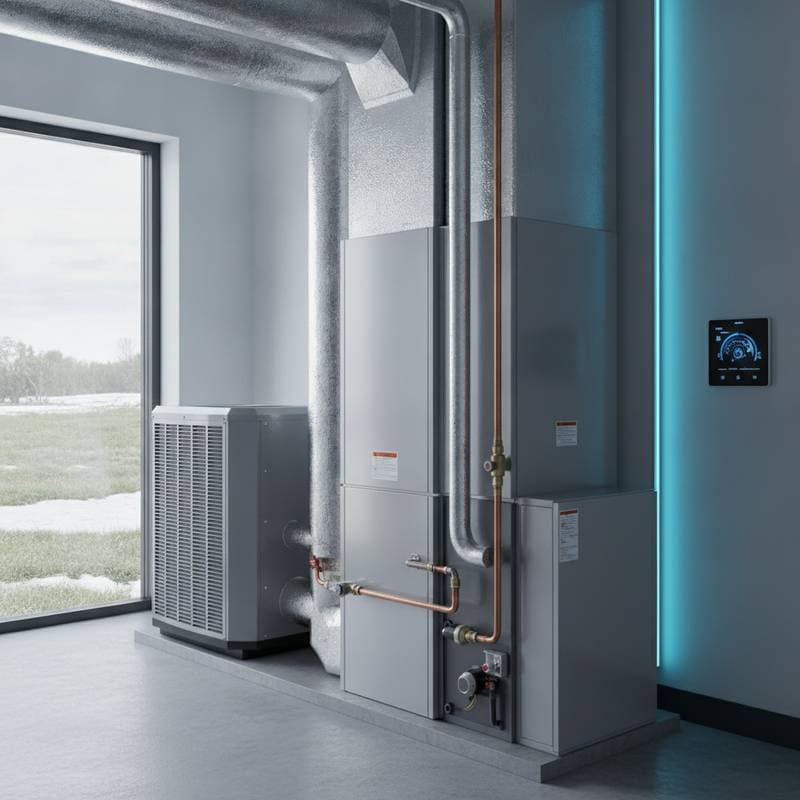
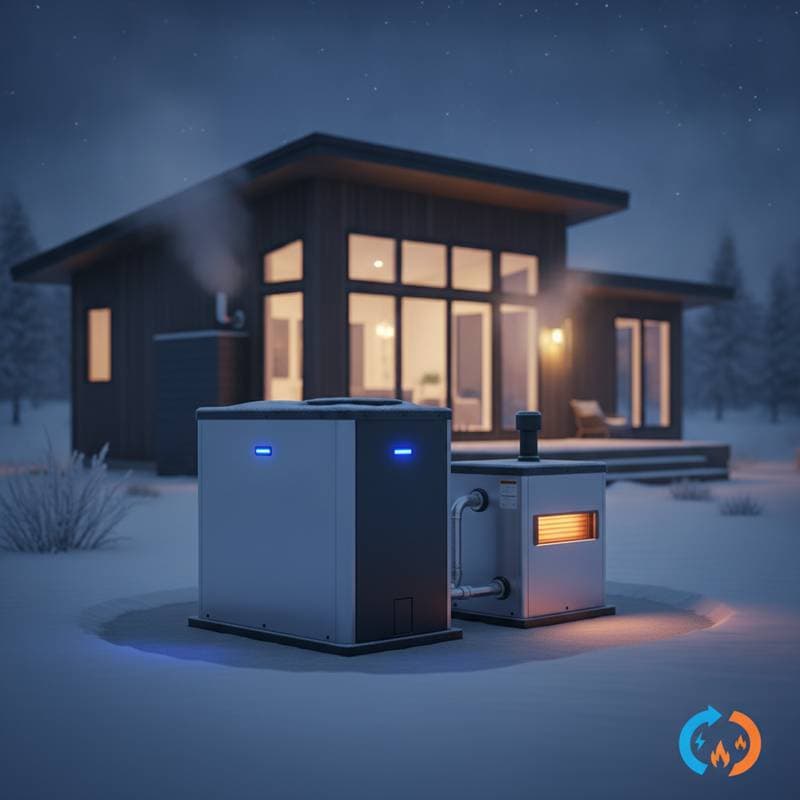
Select models integrate electric auxiliary heaters or pair with gas backups. These engage solely during peak cold, safeguarding comfort without taxing primary components.
Heating Capacity at -13°F
At -13°F, leading cold climate heat pumps retain 80 to 100 percent of nominal capacity, varying by design. Inverter technology and refined refrigerant pathways preserve system equilibrium, enabling sustained performance.
Testing in simulated harsh environments confirms durability through extended freezes. Residents in northern latitudes, elevated terrains, or prolonged winter zones experience uniform heating, often eliminating reliance on auxiliary sources like portable units or fireplaces.
Factors Influencing Cold Climate Heat Pump Expenses
Multiple variables determine installation pricing for cold climate heat pumps. Awareness of these elements aids in precise financial planning and optimal system selection.
1. Unit Capacity
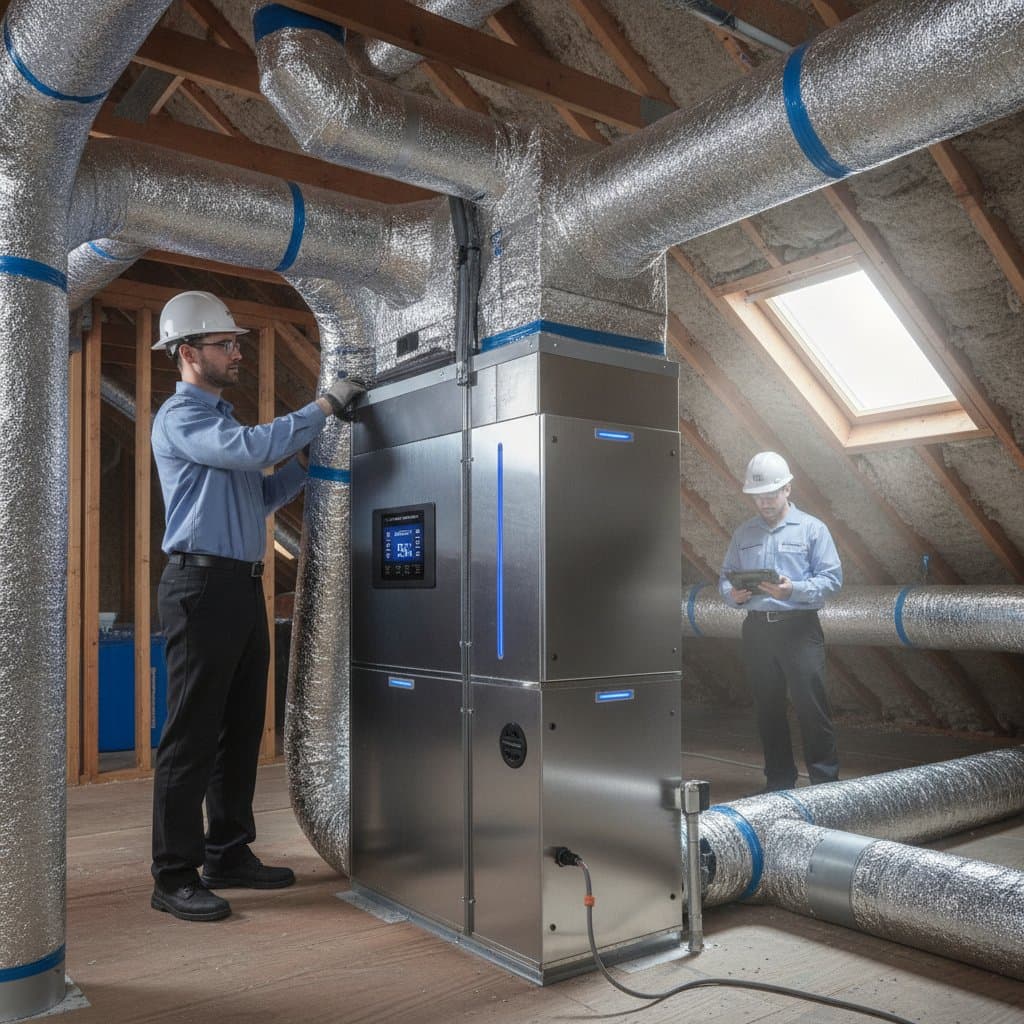
Greater home sizes demand larger units, elevating costs. A professional assessment matches capacity to insulation levels and layout, promoting efficient runs without undue stress.
2. Installation Labor and Site Challenges
Regional labor rates and project intricacies affect totals. Integrating with existing infrastructure, such as adding ducts or upgrading wiring, amplifies expenditures.
3. Performance Metrics
Units boasting elevated HSPF and SEER scores incur premium pricing yet yield amplified savings over time. Prioritize ratings that align with local climate demands.
4. Manufacturer and Coverage Terms
Established brands with comprehensive warranties justify higher investments through dependable operation in extremes. Evaluate long-term value beyond initial tags.
5. Available Incentives
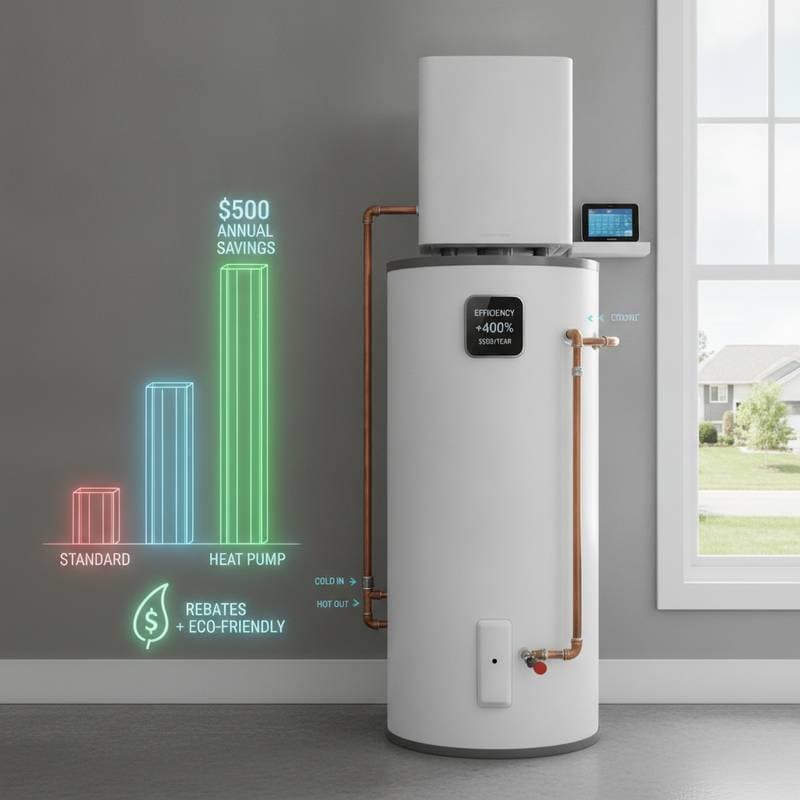
Utility companies and governmental initiatives frequently subsidize efficient installations. Verify qualifications early to maximize reductions.
Frequently Asked Questions About Cold Climate Heat Pumps
How do these systems produce heat in subzero conditions?
The process involves drawing latent heat from outdoor air via a refrigerant loop. At -13°F, ambient molecules retain extractable energy; the refrigerant captures, compresses, and circulates it inside for dissipation through indoor elements.
What is the expected service life?
Properly maintained units endure 15 to 20 years. Conduct monthly filter swaps, debris removal, and annual expert evaluations to sustain output and avert breakdowns.
Can they substitute for a traditional furnace?
In numerous setups, they serve as complete replacements. Hybrid configurations with furnace backups appeal to those seeking assurance during outages or ultra-low temperatures.
What noise levels do they produce?
Most operate quietly, akin to household appliances. Variable-speed outdoor components emit sounds comparable to background murmurs, fitting seamlessly into communities.
What upkeep do they require?
Perform monthly filter maintenance during peak seasons, ensure clear unit surroundings, and arrange yearly technician visits. Inspections cover refrigerant integrity, motor function, and connections.
Do they provide summer cooling?
Affirmative; reversal of refrigerant direction expels indoor heat outdoors. This versatility supports comprehensive climate control annually.
Securing Quotes for Cold Climate Heat Pump Installation
Multiple bids from certified professionals clarify costs and deliverables. Compare specifications, metrics, and protections across at least three providers to inform decisions.
Essential Inquiries for Contractors
- Which models excel in subzero reliability for my region?
- How will you determine sizing based on my home's features?
- What are the efficiency specifications of your recommendation?
- Can you manage necessary electrical or duct adjustments?
- What rebates or payment plans apply?
- How do projected energy expenses compare to my existing setup?
- What post-installation service frequency do you suggest?
- What guarantees cover components and workmanship?
- What is the timeline for completion?
- Do you offer maintenance contracts?
Sustaining Performance for Long-Term Benefits
Investing in a cold climate heat pump yields enduring comfort and efficiency gains. Vigilant practices, such as snow clearance from coils, vent unobstruction, and routine inspections, extend operational lifespan.
Adopters in challenging climates secure unwavering heat through these measures. Ongoing innovations affirm that electric solutions transcend temperature barriers, fostering sustainable home environments with strategic choices and diligent oversight.