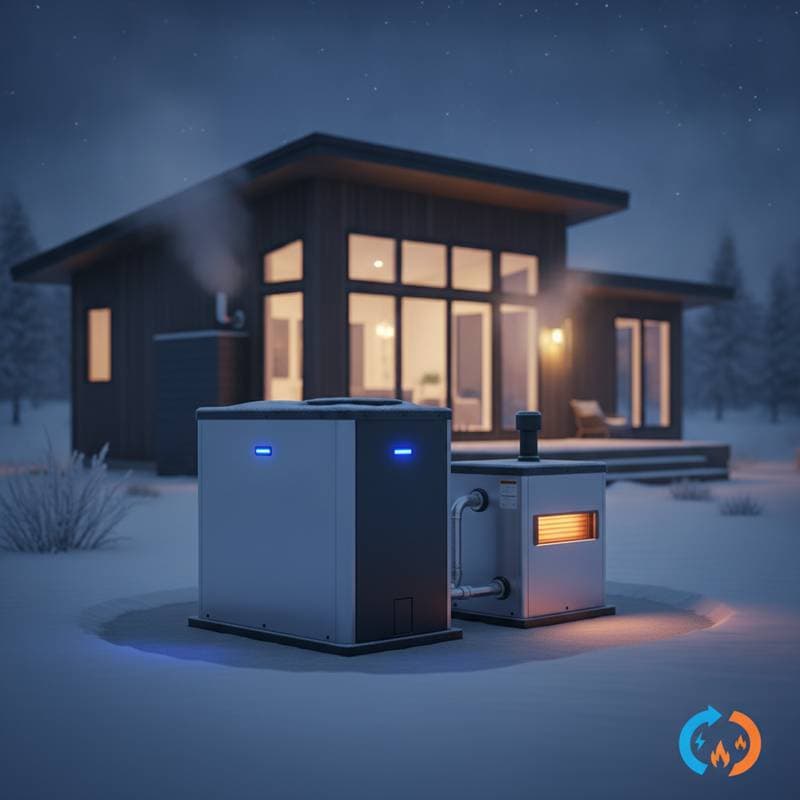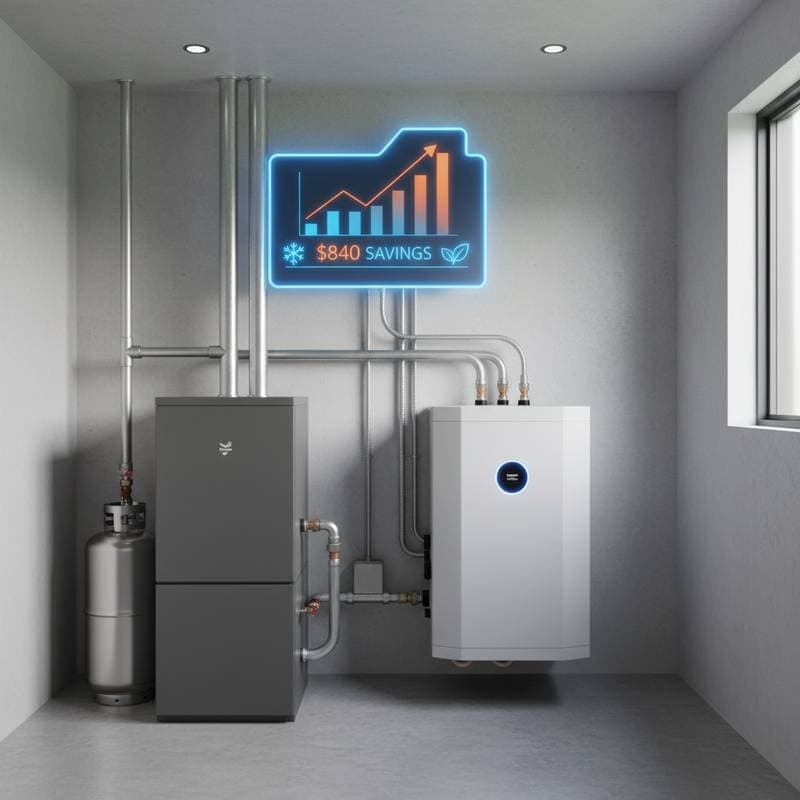
Dual-Fuel Systems Save $840 Over Gas in Winter
Heating bills often strain household budgets during extended cold periods. Homeowners increasingly turn to dual-fuel heating systems to lower these expenses. A well-installed hybrid system typically saves an average of $840 annually compared to operating a gas furnace exclusively. This article explains the mechanics of these systems, their efficiency advantages, and steps to determine suitability for a specific home.
What Is a Dual-Fuel Heating System?
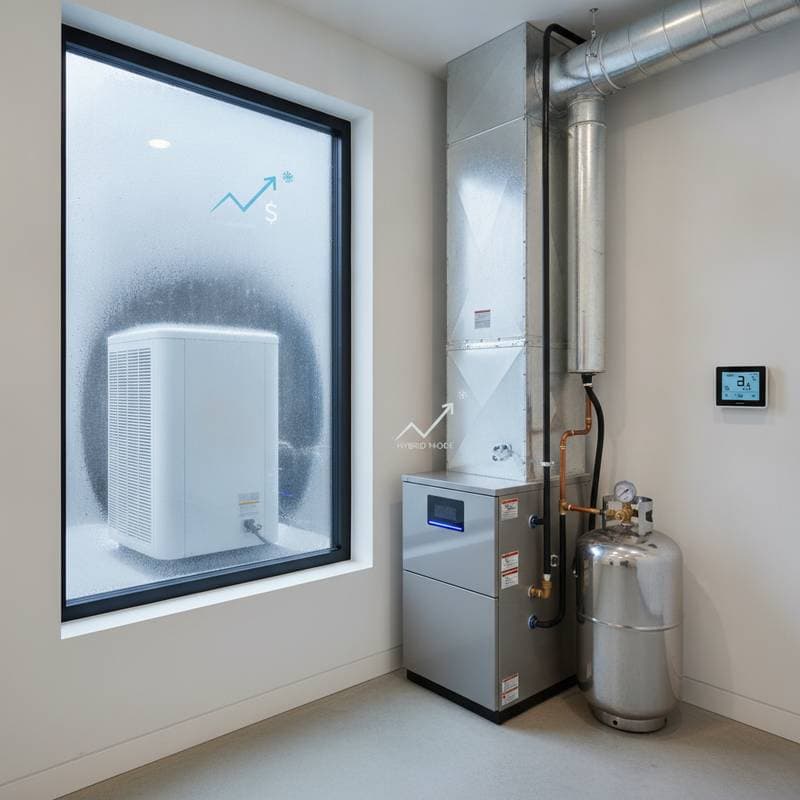
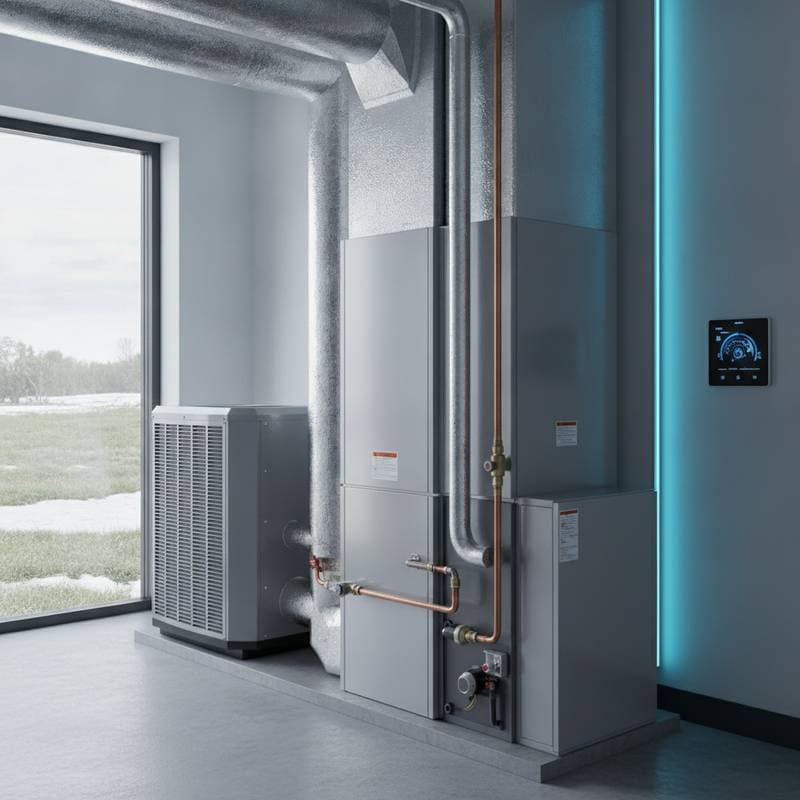
A dual-fuel system, or hybrid heating system, integrates two heating methods into a single adaptable setup. It pairs an electric heat pump with a gas or propane furnace.
The heat pump handles heating on milder days by extracting warmth from outdoor air and transferring it indoors, avoiding fuel combustion. When outdoor temperatures fall below the heat pump's effective range, the gas or propane furnace activates automatically to deliver robust, steady heat. This integration maintains consistent comfort while selecting the optimal energy source based on weather conditions.
Why Dual-Fuel Systems Save Money
Savings arise from the system's intelligent alternation between electric and gas operation, matching each to ideal scenarios.
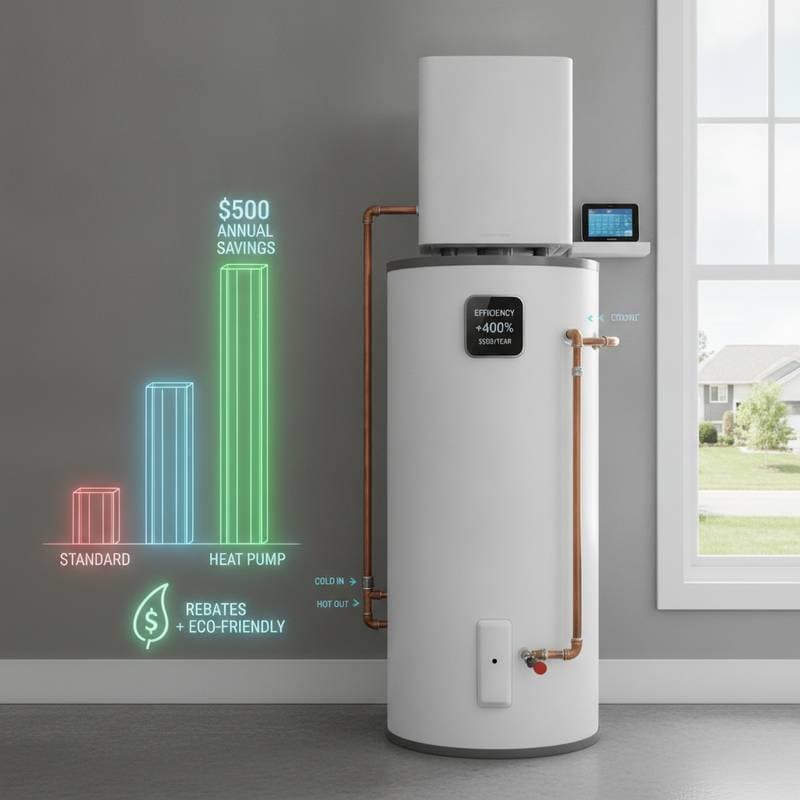
Electric heat pumps generate three to four units of heat per unit of electricity consumed in moderate conditions, far surpassing traditional electric resistance heating. Gas or propane furnaces excel in extreme cold, where heat pumps diminish in performance. Employing the appropriate source minimizes waste, potentially reducing winter heating costs by several hundred dollars relative to a standalone gas furnace.
To estimate personal savings, review past utility bills and compare local electricity rates against gas prices. Tools from energy providers can simulate costs for hybrid versus single-fuel systems, highlighting the financial benefits over time.
Common Signs You Should Consider a Dual-Fuel System
Certain indicators suggest that a hybrid heating solution may address ongoing challenges:
- Elevated gas or propane bills persisting through winter months
- Inconsistent room temperatures or excessive furnace cycling
- An aging furnace approaching replacement
- Interest in enhancing energy efficiency or reducing environmental footprint
- Preference for operation that is quieter and produces less indoor pollution
Addressing these through a dual-fuel installation improves overall home heating reliability and performance.
Key Factors Affecting Dual-Fuel System Costs
Installation expenses for dual-fuel systems fluctuate based on multiple elements, influencing both upfront and ongoing costs.
- System size and capacity: Homes with greater square footage demand larger units, increasing initial outlay while ensuring comprehensive coverage.
- Fuel type: Natural gas backups prove more economical than propane, though propane suits remote locations with limited gas access.
- Equipment efficiency ratings: Units with superior SEER or AFUE ratings command higher prices yet yield substantial reductions in energy use.
- Installation complexity: Upgrading existing infrastructure, such as ducts or wiring, adds to labor costs.
- Local energy rates: Regional variations in electricity and gas pricing directly impact projected savings.
Homeowners generally face moderate to high installation fees, recouped through energy reductions within three to five years. Consult local incentives for high-efficiency systems to further offset expenses.
DIY Checks vs. Hiring a Professional
Homeowners can perform basic upkeep, such as replacing air filters monthly and removing debris from the outdoor heat pump coil. These actions preserve airflow and sustain peak efficiency.
Professional intervention remains essential for tasks involving refrigerants, gas connections, or electrical components. A certified HVAC specialist ensures safe integration and precise calibration for seamless fuel switching. Improper handling risks elevated costs, safety issues, or premature system failure.
Schedule annual inspections to verify thermostat settings and control logic, preventing minor problems from escalating.
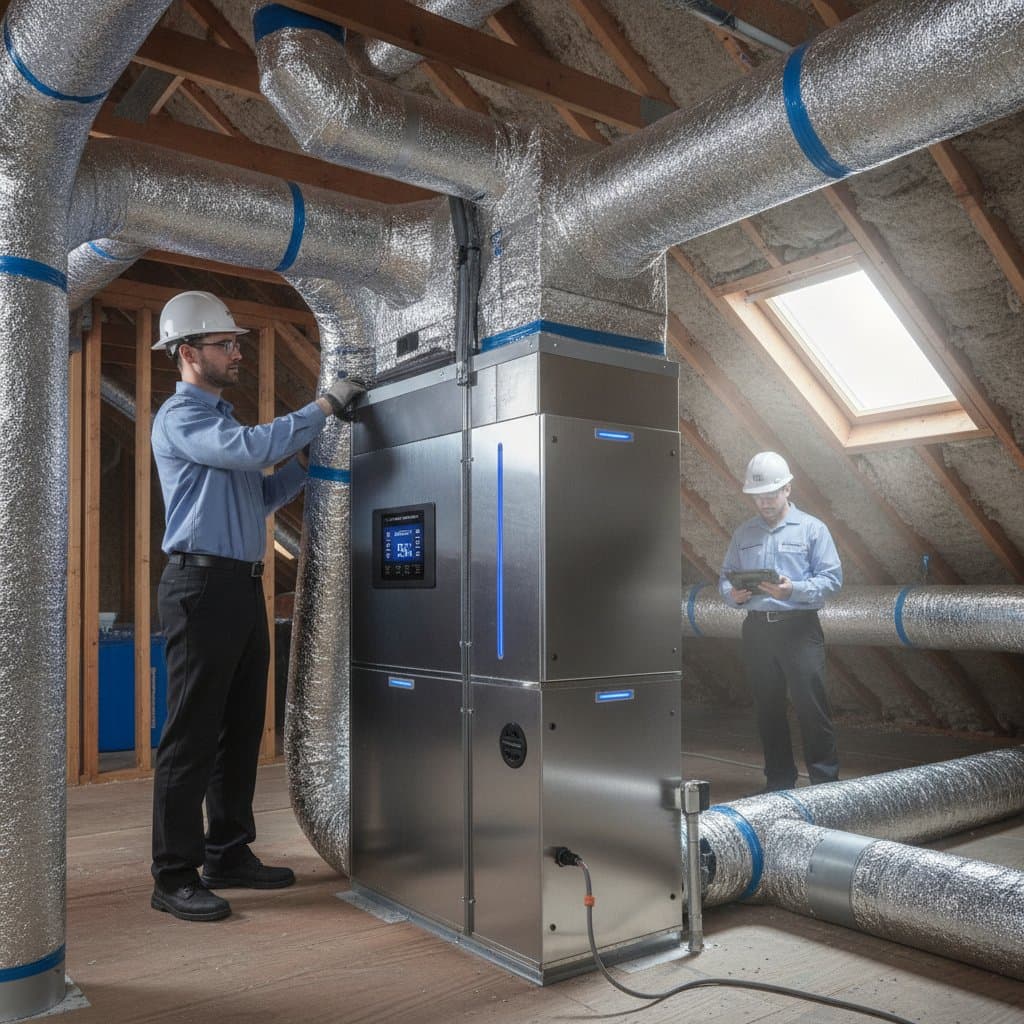
The Dual-Fuel Installation Process
Professional installation follows a structured sequence to guarantee reliability and performance.
- Home evaluation: Technicians measure home dimensions, assess insulation quality, and inspect current HVAC infrastructure.
- Equipment selection: Experts recommend compatible heat pump and furnace models suited to local climate and financial constraints.
- System integration: Installers link components via shared ductwork and a unified control system.
- Testing and calibration: Both modes undergo thorough checks to confirm automatic transitions and maximum efficiency.
- Maintenance guidance: Owners receive detailed protocols for routine care and performance tracking.
This methodical approach minimizes disruptions and aligns the system with household needs from day one.
Frequently Asked Questions
How much can a dual-fuel system really save?
Savings typically reach several hundred dollars per heating season, varying with local rates, home size, and equipment efficiency. Track usage patterns to project precise figures for a given location.
Can a heat pump integrate with an existing gas furnace?
Integration proves feasible in numerous setups. An HVAC professional evaluates compatibility, often requiring minimal modifications to form a hybrid configuration.
Do dual-fuel systems function in very cold climates?
These systems thrive in harsh winters. The furnace backup ensures dependable heat once temperatures fall outside the heat pump's optimal range, typically around 30 degrees Fahrenheit.
Are dual-fuel systems environmentally friendly?
Compared to all-gas alternatives, dual-fuel options lower emissions by prioritizing electricity for milder conditions. This shift reduces reliance on fossil fuels and supports sustainable home heating.
Steps to Upgrade Your Heating for Efficiency and Savings
Transitioning to a dual-fuel system enhances comfort, optimizes energy use, and delivers enduring financial returns. Each component operates at its strength, providing reliable warmth without excess expenditure. Contact a qualified HVAC expert for a personalized assessment tailored to your home's layout, energy sources, and seasonal demands, paving the way for warmer, more affordable winters.